
Freedom to Write Index 2025
Key Findings:
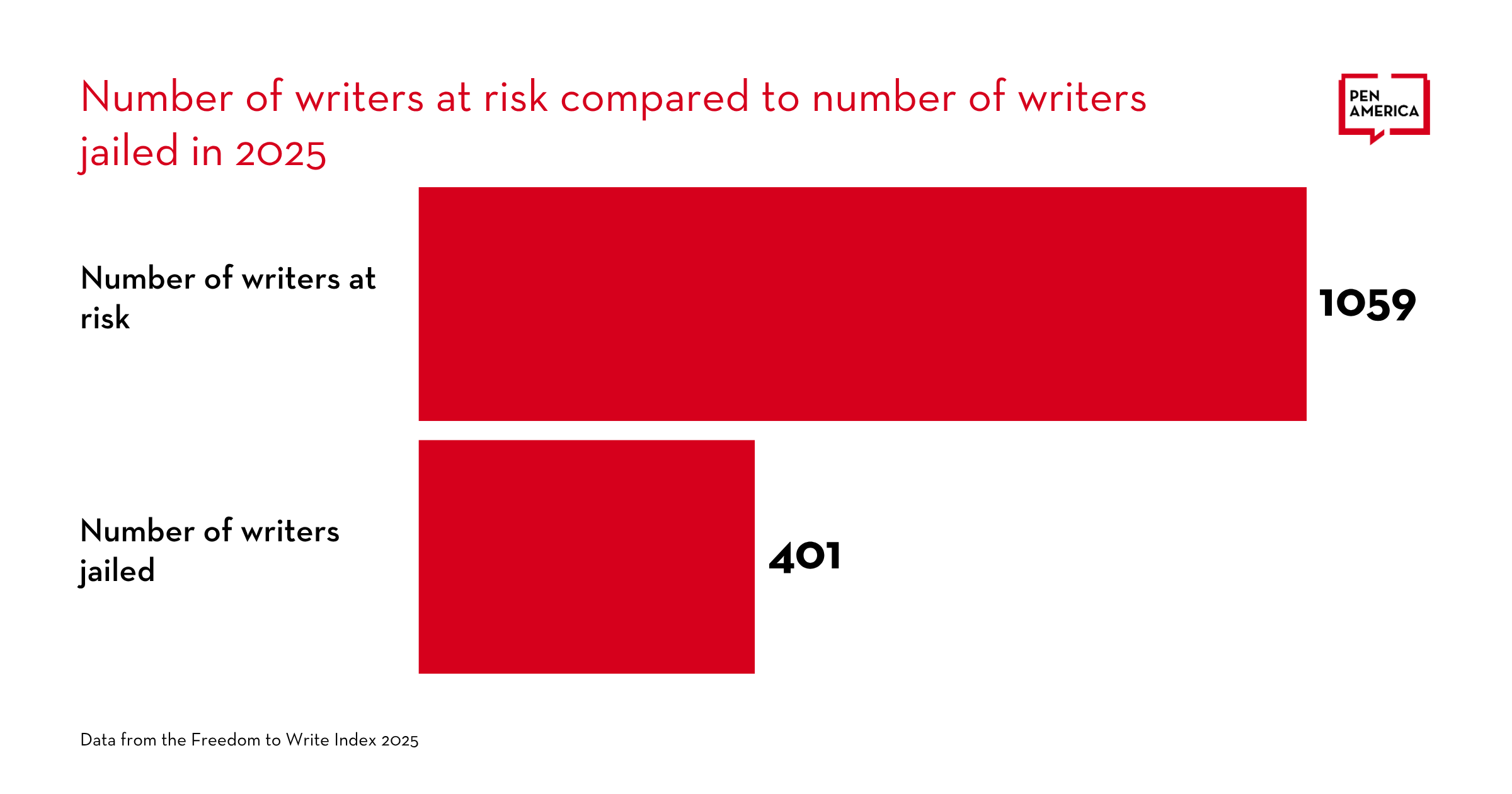
As the annual Freedom to Write Index marks its seventh edition, the number of writers jailed reached a new high in a wider range of countries, with at least 401 behind bars in 44 countries during 2025, compared to 375 in 2024. Its findings demonstrate a clear and steady increase – 68% – in the number of writers jailed globally, from 238 in 2019 to 401 in 2025.
Of the countries included in the top 10 jailers of writers globally, three – Iran, Israel, and Russia – are currently in active states of war, and were engaged in conflict in 2025. Crackdowns on anti-war sentiment in Iran, Israel and the Occupied Palestinian Territory (OPT), and in Russia resulted in further upticks in the number of jailed and threatened writers during 2025, with Iran showing the largest increase in new cases of any country.
This year, the United States is included in the Index for the first time, due to the detention of British opinion commentator Sami Hamdi for several weeks in ICE custody due to his expression. While this is the only case that qualifies for inclusion in the Index, additional cases of journalists, scholars, and writers facing a range of threats and pressures contribute to broader concerns about the deteriorating state of free expression in the U.S.
PEN America Experts:
Managing Director, PEN/Barbey Freedom to Write Center
Director, Writers at Risk, PEN/Barbey Freedom to Write Center

Senior Manager, PEN/Barbey Freedom to Write Center

Senior Manager, Writers at Risk, PEN/Barbey Freedom to Write Center
Program Manager, Research
Introduction
In its seventh year, PEN America’s Freedom to Write Index is charting many first-time records – records that collectively sound a wake-up call that writers face growing threats across diverse contexts and forms of expression. For the first time ever, there were more than 400 writers in prison in 2025 in a wide range of countries, including the United States. This marks a 68% increase in jailed writers around the world since the publication of the first Index in 2019. A growing number of countries—from autocratic and authoritarian regimes to ostensibly democratic societies with longheld traditions of open discourse—are clamping down on free expression, literature, art, and any form of dissent.
Three of the Top 10 countries who hold writers behind bars – Iran, Israel, and Russia – were embroiled in war throughout 2025 and continue to be at the time of this report’s publication. PEN America has long documented how writers and creative communities are increasingly targeted and silenced during war and conflict. This year’s Index confirms that trend.
To be counted in the Freedom to Write Index, a writer must spend at least 48 hours behind bars in a single instance of detention between January 1 and December 31 of the calendar year, and must have been jailed at least in part for their writing, or because of their identity as a writer. Our searchable Writers at Risk Database includes those cases counted in the Index as well as hundreds of additional cases of writers, journalists, scholars, and artists under threat globally, and is updated regularly. Writers who face threats other than detainment and imprisonment — including harassment, trials, convictions, displacements, exile, and/or conditions placed upon their release — are counted within the Writers at Risk Database.
Writers occupy a uniquely impactful position during war. They not only chronicle the conflict and its aftermath, but they also catalogue its patterns, give voice to its understudied narratives, and illuminate the fractures and fissures long before the rest of the world can imagine or render the full extent of the shattering. Crackdowns on writers, culture, and free expression in times of war, and, in particular, the targeting of writers who utilize any kind of anti-war language or themes in their poetry, music, scripts, commentaries, articles, or literary output, were a key trend in the data collected throughout 2025. It is no coincidence therefore that in 2025, the country with the most significant jump in cases was Iran. Iranian writers, participating in civic life and recording civil discourse, are inevitably punished by their own government, and they now are also endangered by the war between Iran, the United States, and Israel that started in February 2026.
We recognize the role that writers play not only as storytellers, but also as record-keepers and vessels of public memory, which are vital to the processes of documentation, cultural preservation, individual recognition, and collective dissent. As they exercise their free expression, writers uphold a particular societal mantle – they are a mirror for the society they represent, and a portal of understanding for outsiders and generations to come. Autocratic governments throughout history have targeted writers both through slow, embedded silencing and severe, violent oppression, and have seen writers, scholars, journalists, and the stories they tell as an endemic threat against their own attempts at the standardization of national myths, of hegemonic narratives, of a conveniently-expunged and deliberately crafted version of “history,” “fact,” and “truth.” In last year’s report, PEN America described writers as a canary in the coalmine. The data from 2025 demonstrates that the danger has, indeed, materialized as predicted. At this critical juncture, meaningful solidarity with writers—through sustained advocacy, protection, and the amplification of their voices—is not optional, but essential to resisting repression and safeguarding the integrity of truth and public memory.
Indicative of the fact that threats against writers are affecting a broader swath of countries, this year, for the first time, the United States is included in the count of countries who jailed at least one writer in 2025 according to the Index’s methodology. Of particular concern is the U.S. government’s weaponization of Immigration and Customs Enforcement (ICE), which ensnared British commentator Sami Hamdi and Australian opinion writer Alistair Kitchen, both of whom were held at airports.Hamdi, a British political commentator and outspoken critic of Israel, was on a speaking tour and had just attended a conference held by the Council on American-Islamic Relations in Sacramento, California when he was stopped at San Francisco International Airport by ICE officers and detained in U.S. custody for two weeks. Kitchen, a former graduate student at Columbia University, was interrogated and deported back to Melbourne during a layover at Los Angeles International Airport (Kitchen was not included in this year’s Index count because he was detained for less than 48 hours). During his time at Columbia, Kitchen had extensively reported on the student Gaza solidarity encampments and the university administration’s harassment of pro-Palestinian student protesters. In an interview with The Guardian, Kitchen stated that officers “explicitly said to me, the reason you have been detained is because of your writing on the Columbia student protests.” This suppression of specific types of viewpoints is echoed across adjacent crackdowns on campus speech and journalism during the year, particularly targeted against those who wrote and spoke out on issues related to Palestine or who voiced criticism of the current U.S. administration and its domestic and foreign policies, such as the student Rümeysa Öztürk, who wrote an oped for a campus newspaper that criticized Israel’s war in Gaza and urged the university to adopt pro-Palestinian resolutions, and was also detained by ICE. Mario Guevara, a Salvadoran journalist based in Atlanta who had lived in the U.S. for more than two decades, was arrested while reporting on a No Kings protest in June and subsequently detained by ICE for 112 days before being deported to El Salvador in October, purely because of his reporting.
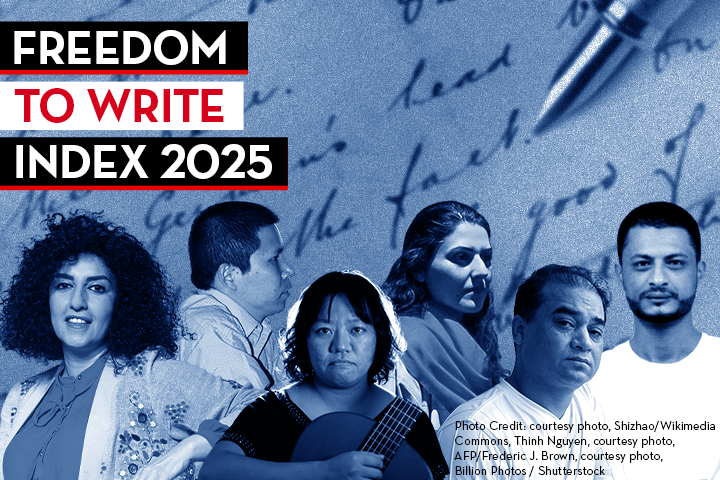
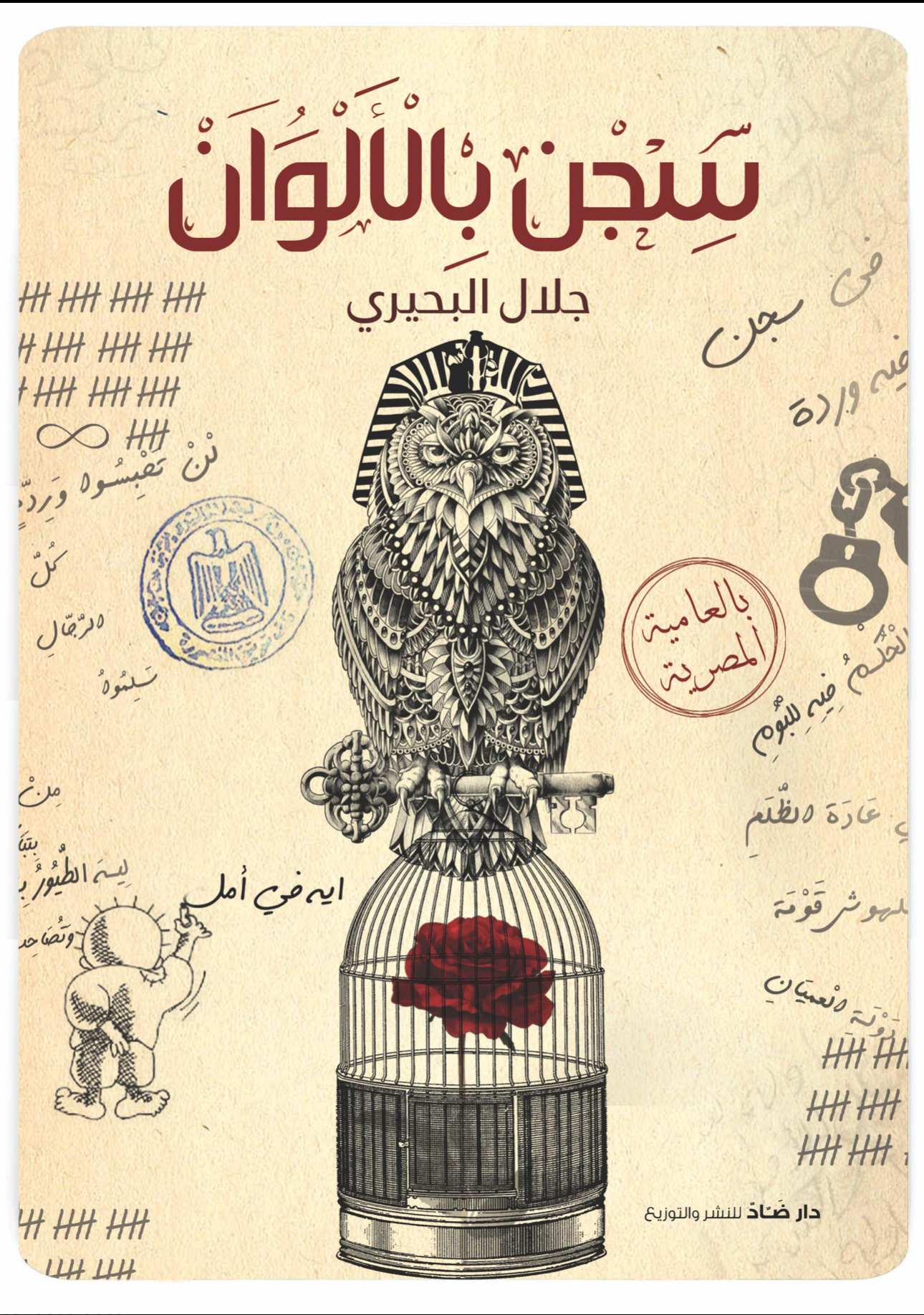
Across the board, concerns about due process and prison conditions continue to surface in diverse environments, from the ICE detention centers in the U.S. to jails across the world holding dozens of writers, in which government authorities attempt to further isolate writers and erase the influence of their words and imagination. In numerous cases included in our Index, jailed writers are routinely subject to solitary confinement, abuse, torture, and the denial of medical care. In Iran, human rights activist, author, Nobel Peace Prize laureate, and 2023 PEN/Barbey Freedom to Write Awardee Narges Mohammadi, who has been imprisoned multiple times for her words and advocacy, was violently rearrested in December 2025, facing “life-threatening mistreatment” and severe beatings which have exacerbated her heart disease and other medical conditions. This year marked 11 years since Ilham Tohti, a Uyghur economist, blogger, and 2014 PEN/Barbey Freedom to Write Honoree, was sentenced to life in prison. Since 2017, he has been detained incommunicado, with no information on his condition or whereabouts. In Egypt, Galal El-Behairy, the 2025 PEN/Barbey Freedom to Write Honoree, remained in prison for the eighth year, facing new cases in August designed to extend his pretrial detention. In July, El-Behairy authored a letter from Badr Correctional Facility in Cairo, which he describes as a “Torture Center” for political prisoners. In the letter, he writes, “This is not exactly a plea for life, nor a request to be saved, it’s simply an unburdening, confined to what a paper tissue can hold, or to the five millimeters of ink left in this smuggled pen. A pen that, outside, could buy a hundred like it, yet here is almost never – never – found. And that is why I write now.”
In addition to silencing writers, governments are increasingly using cultural diplomacy and international platforms to project openness while maintaining repression at home. Events such as Saudi Arabia’s comedy festival, Vietnam’s hosting of the UN cybercrime convention, and participation in bodies like the UN Human Rights Council sharply illustrate how such engagements can mask domestic violations of free expression.
Amidst a year of increased repression across the globe, the international human rights community experienced brief glimpses of hope for writers and free expression activists around the world. In Belarus, dozens of political prisoners, including Nobel laureate Ales Bialacki, lawyer Maksim Znak, scholar Uladzimir Matskevich, and journalist Katsiaryna Andreyeva, were released into exile throughout the year following negotiations between the U.S. and Belarusian government, including a significant number of the writers included in this Index.
In September 2025, Egyptian-British writer Alaa Abd El-Fattah was released by presidential pardon after serving 12 years in jail in Egypt. El-Fattah, a blogger and pro-democracy activist, has spent more than half of his adult life in prison. Upon his release, he returned home to his family, and to live with his son who was born during his imprisonment.
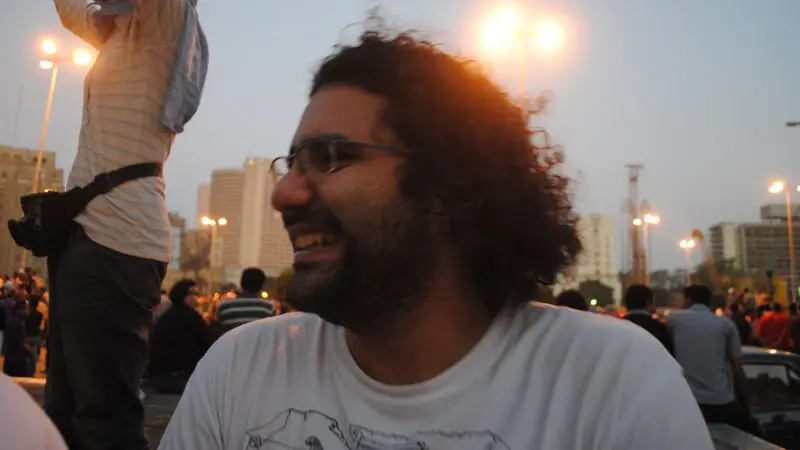
As threats against writers continue to rise annually, in greater increments with each passing year, El-Fattah’s release marked the correction of a deep injustice. It also provided a clear call to institutions and democratic governments around the world, demonstrating that continued, persistent advocacy by individual writers and the organizations in the ecosystem that support them on behalf of imprisoned writers and writers at risk must be prioritized and does, indeed, result in tangible change.
The Global Picture
Writers Jailed Globally in 2025
Based on available information, 54 writers were newly jailed in 2025, bringing the total number in custody for exercising their free expression during the year to 401. Of the 401, 97 were held in pre-trial detention or detained without charges in 2025, compared to 85 in 2024.
401
The number of writers jailed in 2025
Jailed writers were unjustly detained or imprisoned in connection with their writing, work, or related advocacy across 44 countries worldwide—a new high in the number of countries recorded in the Index’s seven-year history. For the first time, a case from the United States was counted, due to the detention of British commentator Sami Hamdi by ICE, as well as new cases of detentions in countries such as Libya, Mozambique, Togo, Venezuela, and Yemen. As in previous years, countries in the Asia-Pacific region jailed the highest number of writers, followed by the Middle East and North Africa (MENA)—the two regions together accounted for 75 percent of the total worldwide. Although governments in Sub-Saharan Africa and the Americas jail relatively few writers, they do face other threats because of their speech, work, and advocacy, including physical attacks, forced displacement or exile, spurious legal charges, or verbal and online harassment.
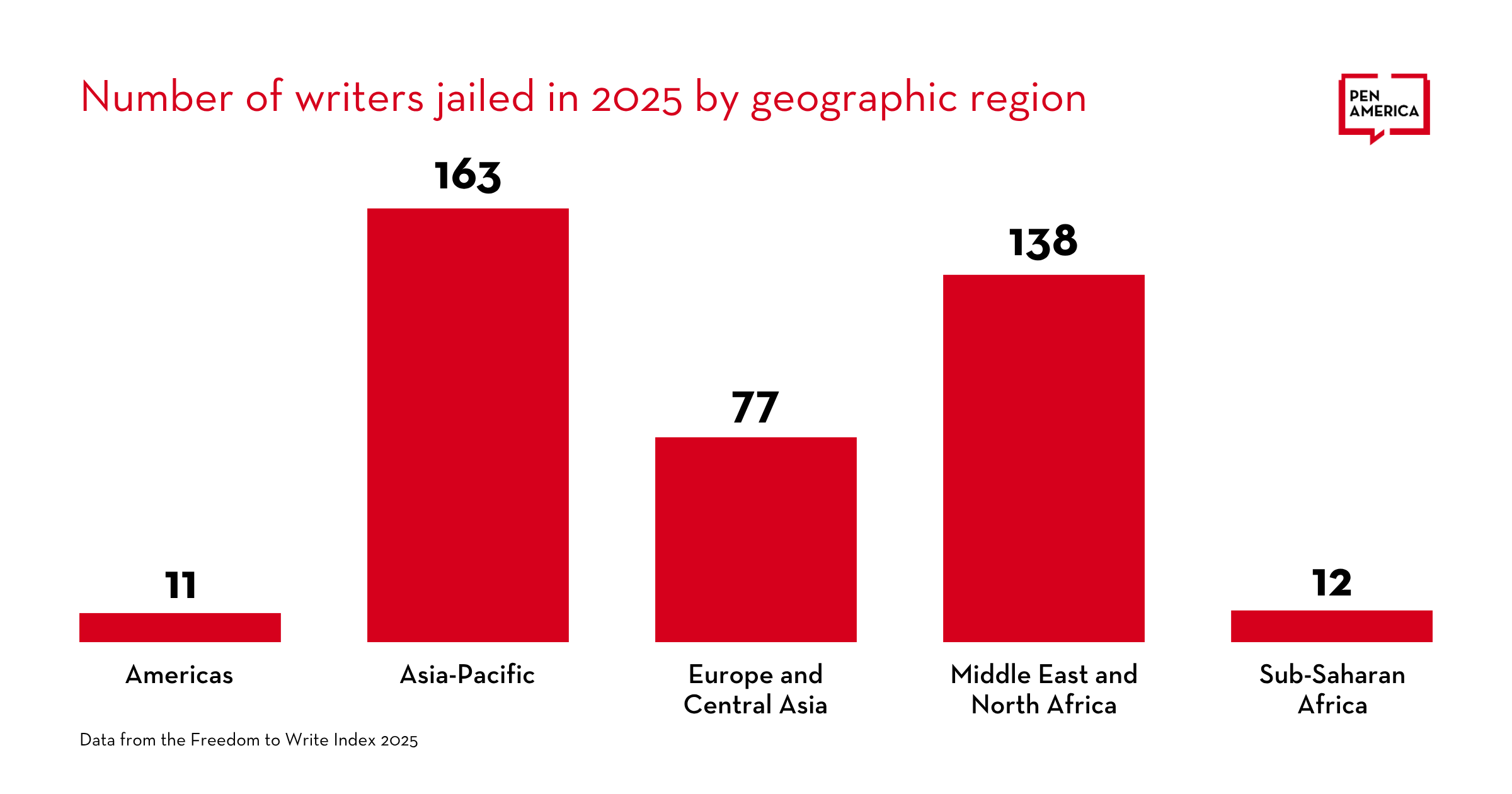
PEN America’s Writers at Risk Database currently contains 1059 active cases of writers at risk in 83 countries – the first year in which the database has risen above 1000 cases. These cases present a more comprehensive picture of the range of threats that writers in all genres and on multiple types of platforms face, often when they criticize those in power or imagine alternate visions. The most notable rise in database cases can be seen in the Middle East/North Africa region, which jumped from 303 cases in 2024 to 359 cases in 2025. While Iran, Saudi Arabia, and Israel/OPT make up for a significant number of those cases, there were also marked upticks in Kuwait and Egypt. Europe and Central Asia also saw a rise from 235 to 254 cases. Kazakhstan, with 6 Index cases and 11 active Database cases, is a country of concern, as is Azerbaijan, with 4 Index cases and 10 cases in the Database. As Human Rights Watch reported last year, Central Asia’s human rights record is rapidly worsening and governments in that region have specifically targeted activists and journalists. In particular, the Database provides insights into the types of threats that writers experience, including in those countries that do not necessarily use imprisonment and detention as their primary tactic of repression. The range of methods used to punish writers – those who wield their pens, and their words, in ways that threaten repressive governments – includes forcible disappearance, murder and physical attacks, online or legal harassment, and displacement/exile. In 2025 the Database included 53 murder cases, 13 of disappearance, and 170 cases where individuals were either displaced or forced into exile because of their work or their identity as a writer.
Transnational repression remains a significant threat, following writers even as they seek refuge abroad. A total of 170 writers are currently in forced exile or otherwise displaced, making exile/displacement one of the highest occurring status designations within the database. Despite crossing borders to try to reach safety, at least 90 continue to face harassment from their country of origin – including China, Vietnam, Iran, Saudi Arabia, Russia, and Türkiye – while their families at home are vulnerable to intimidation and retaliatory measures.
Gender
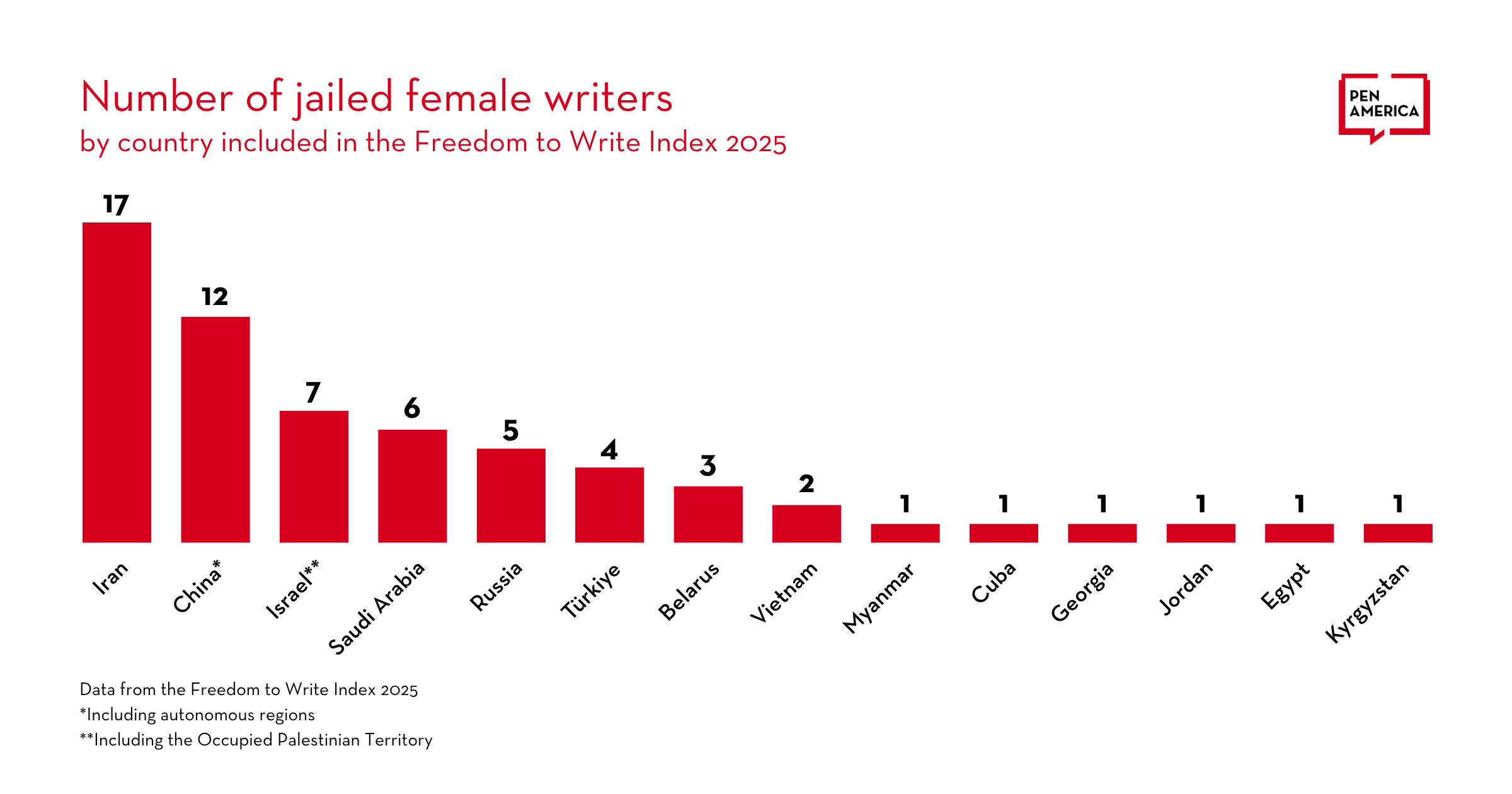
The vast majority of writers behind bars during 2025 were men (84 percent), and men also make up the overwhelming majority of cases in the Database. Women comprise 16 percent of the 2025 Index count, as compared to 16 percent in 2024, 15 percent in 2023 and 14 percent in 2022. Countries that have detained the highest number of women writers and public intellectuals generally track closely with those who have jailed the highest total number of writers.
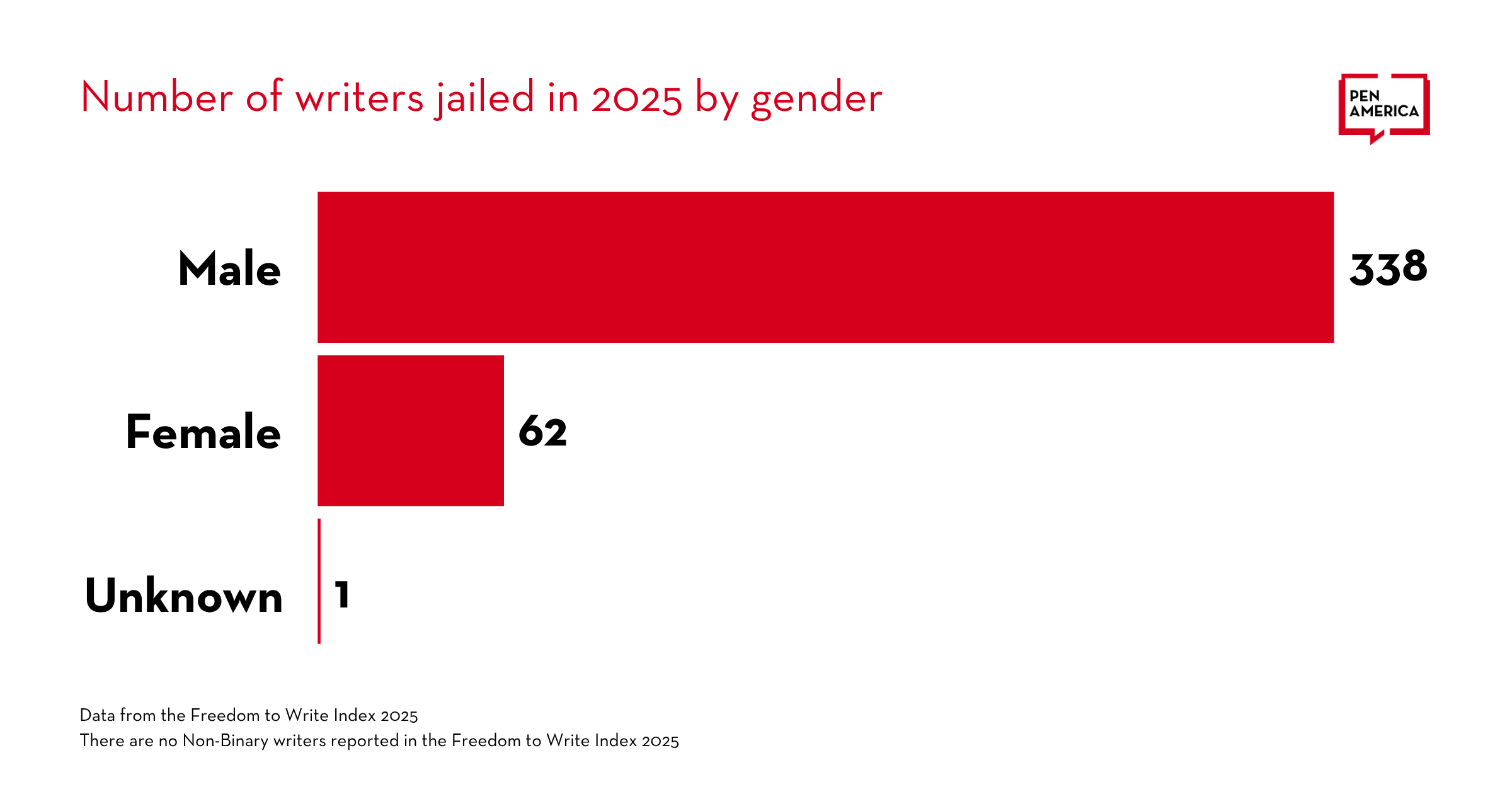
Collectively, authorities in China and Iran—the two countries that jailed the most writers during 2025—accounted for 29 of the 62 (46 percent) women writers in the 2025 Index. Our analysis over the past seven years shows a clear uptick starting in 2022, which was tied primarily to the crackdown during the “Woman, Life, Freedom” protests in Iran, in which women were particularly targeted. For the past four years, Iran has held the most women writers (17 in 2025) behind bars, reflecting the major role that Iranian women play in protests and other forms of dissent. In 2025, prominent writer-activists and former political prisoners Narges Mohammadi and Sepideh Gholian were re-arrested as they spoke out during a memorial service for murdered human rights lawyer Khosrow Alikordi, alongside a number of other female activists and journalists; reports which emerged following their detention indicate that the physical attacks on the female detainees targeted their uncovered hair and their genital area. In other instances, a number of female scholars and translators, some of whom, like Mahsa Asadollanejad, had translated texts on gender issues by western academics such as Judith Butler, were briefly detained. A higher than average proportion (>20 percent) of detained writers in Saudi Arabia, Israel and the Occupied Palestinian Territory, and Russia are also women, indicating that women in these countries are playing a major role in commentary on either social or political issues such as women’s rights or war and conflict.
Professional Designation
The most prevalent professions of those incarcerated in 2025 were online commentators (212), journalists (142), literary writers (130), activists (83), scholars (81), poets (73), creative artists (34), singer/songwriters (37), translators (17), editors (14), publishers (13), and dramatists (5). Many writers included in the Index and the Database hold multiple professional designations, reflecting the reality that their writing and expression take multiple forms across diverse platforms. The category of “journalist” includes news reporters as well as opinion writers and columnists; according to our methodology a journalist is only included in the Index if they also have another professional designation in the list, or primarily write opinion or commentary.
The high numbers of writers in the online commentator and journalist categories indicate that a significant proportion of the cases included targeting because of their nonfiction commentary on politics or official policies, economic or social themes, or advocacy for a range of human rights. In 2025, there was a marked uptick in scholars jailed, due in part to a number of arrests of academics, particularly sociologists and economists, in Iran – there are currently 81 jailed scholars in the Index, an increase from the 68 in 2024.
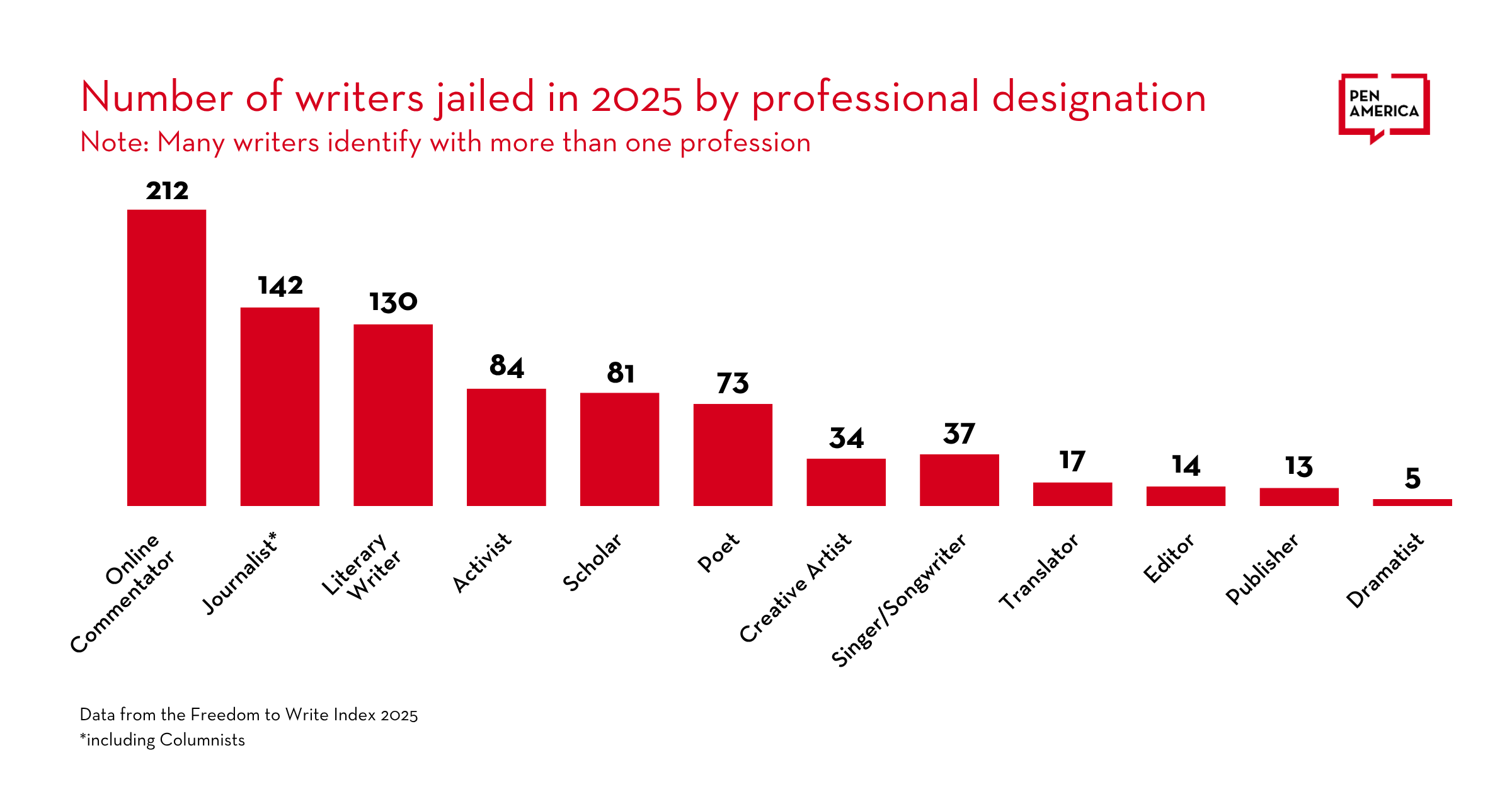
Notably, individuals defined as online commentators (a category that includes those who use social media platforms such as Facebook or X as a key vehicle for their expression, as well as bloggers) remained by far the largest category. This reflects the reality that in restrictive countries with restrictive media or publishing ecosystems such as China, Vietnam, Iran, or Saudi Arabia, where offline platforms are almost wholly under state control or subject to heavy censorship, online spaces provide the primary outlets for independent or dissenting voices. Our case study on the online repression and erasure of Mongolians in China – Save Our Mother Tongue – documents how vibrant digital spaces that once enabled Mongolians to communicate in their own language, share their music and literature, and organize peaceful protests, have been dismantled. In addition, given the global audience and instantaneous reach of online platforms, authoritarian governments are particularly anxious to exert control over digital writing and communications. Thus, in extremely closed political systems that jail large numbers of writers, such as China, Iran, Saudi Arabia, and Vietnam, the numbers of individuals jailed for writing online also remained high. The number of online commentators has also increased significantly in our Index over time (from 80 in 2019 to 212 in 2025), suggesting that more and more writers globally are at risk or being jailed for their online expression.
Top 10 Countries of Concern
Writers Jailed in 2025
- China* (119)
- Iran (53)
- Saudi Arabia (27)
- Vietnam (24)
- Türkiye (22)
- Israel** (21)
- Russia (18)
- Belarus (17)
- Egypt (13)
- Myanmar (10)
*Including autonomous regions
**Including the Occupied Palestinian Territory
In 2025, the countries in the top 10 jailers of writers remained unchanged, though there were minor changes in the order of the list. The inclusion of the same 10 countries underscores the persistent restrictions on free expression and dissent in each, including in the three affected by war.
By far the most challenging places in the world for writers exercising their free expression continue to be China and Iran. The two countries jail the most writers, 119 and 53 respectively—or a combined 43 percent of the total count—and also occupy the top two positions in PEN America’s Writers at Risk Database. The overall number of cases in Iran represented the largest numerical shift of the year, from 43 in 2024 to 53 in 2025, demonstrating the impact on writers of the crackdown on dissent following the June war with Israel.
The positioning was largely stable in Saudi Arabia, Vietnam, Israel and the Occupied Palestinian Territory, Türkiye, Russia, and Belarus, Egypt, and Myanmar, all of which either showed no significant changes or registered small increases in the numbers of writers jailed in 2025.
China
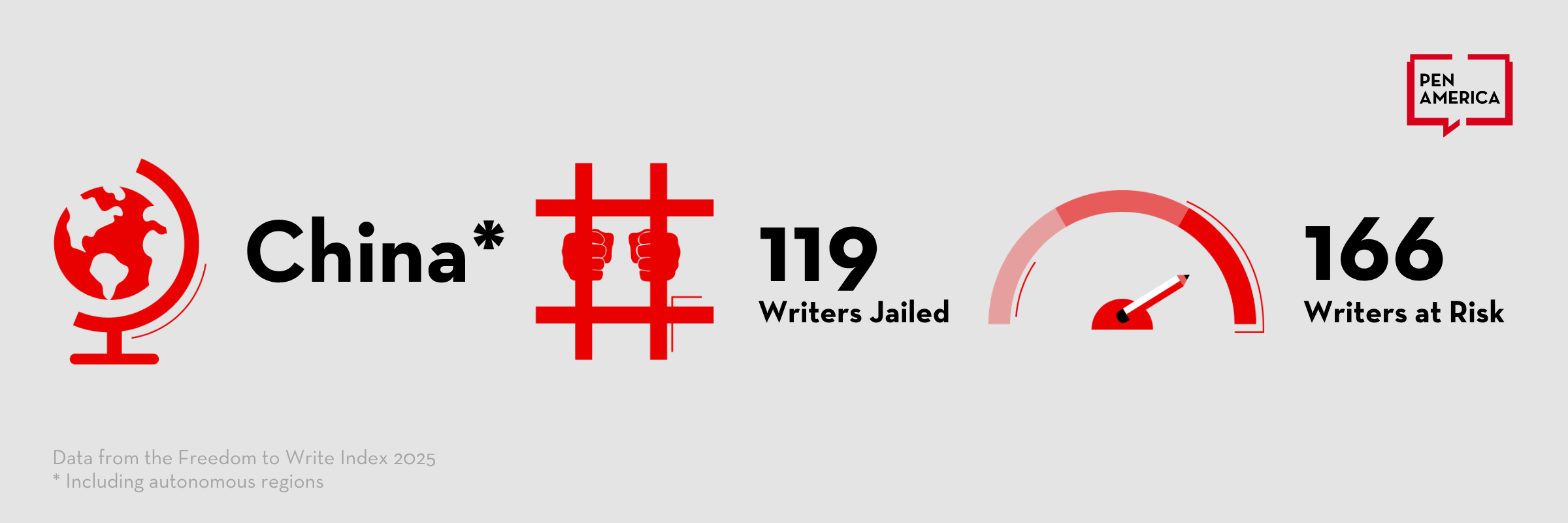
The Chinese government continues to imprison the most writers worldwide, with 119 writers behind bars across mainland China, the autonomous regions, and Hong Kong. Writers in China operate in a highly restricted environment for free expression. For example, in July 2025, the government rolled out a new nominally voluntary identity registration system that further undermines internet anonymity and strengthens Beijing’s ability to target dissenters.
The literary ecosystem also continues to tighten. Private publishers are facing significant financial pressures and state publishers are self-censoring more than what is likely legally necessary in order to avoid unwanted attention. This year, publisher Tu Jincan is amongst the publishers behind bars in the Index. His case, based on criminal charges that he was illegally operating his publishing business, was first heard in 2025, but the verdict was not handed down until 2026, when a Beijing court sentenced him to 3 years and 6 months in prison. In March 2025, Manchu publisher Li Yanhe was sentenced to three years in prison under charges of “inciting secession.” Born in China, he became a Taiwanese citizen in early 2023, and was detained in March 2023 when visiting China to reportedly rescind his household registration in China in compliance with Taiwanese citizenship requirements.
The crackdown on writers of erotic Boys’ Love fiction (danmei) publishing on Haitang Literature City, an Taiwan-hosted platform, continued into 2025. China Digital Times linked the ongoing crackdown to authorities’ efforts to control women and censor what they deem “sexual deviance.” And as in previous years, authorities continue to target writers writing about democracy, criticism of the CCP, and minority rights and culture under the pretense of “national security.”
A common charge used to target writers is “picking quarrels,” which writer Du Bin was charged with when he was arrested in October 2025, reportedly for a book he wrote that was alleged to “attack state leaders.” He was previously detained in 2013 following his documentary on forced labor, and later for over a month in December 2020 and January 2021 ahead of the launch of his book on communism in the Soviet Union. Zhang Yadi (Tara), a Chinese writer and activist who wrote for and edited the Chinese-language blog, Chinese Youth Stand for Tibet, was detained under national security charges when she returned to China following university studies in France in July 2025. In September 2025, she was charged with “inciting separatism” and “endangering national security.” Her lawyer was also briefly detained and his phone was reportedly confiscated.
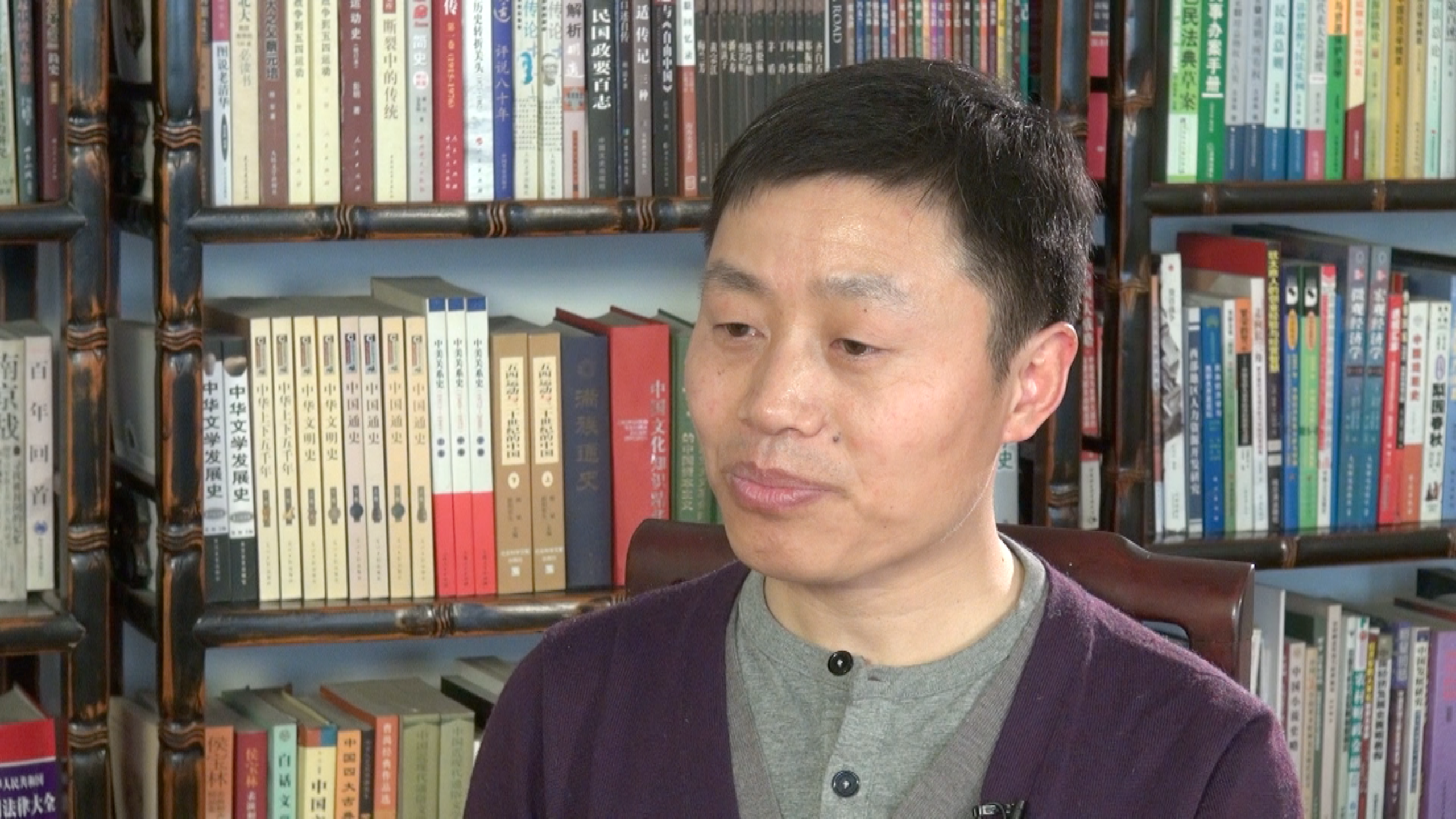
Multiple writers are also behind bars on espionage charges. This includes veteran columnist and essayist Dong Yuyu, who wrote about politics and justice for Chinese and international outlets. Branded as “anti-socialist” for an essay he wrote, he was arrested in 2022 and charged with espionage in April 2023. Sentenced in November 2024 to seven years in prison, his sentence was upheld in November 2025. Yang Henjun, an Australian citizen, was handed a suspended death sentence in 2024 on charges of espionage. In May 2025, a letter he wrote in January about his appreciation for the Australian government’s efforts to free him and his conviction in humanity was made public.
While behind bars, writers are routinely held in violation of the “Mandela Rules” regarding minimum standards for prison conditions. Many are denied or only permitted restricted contact with their loved ones and lawyers. Zhang Zhan, imprisoned again for a second time since August 2024, was sentenced to four more years in prison in September 2025. In November 2025, she was transferred to an undisclosed location without her lawyer and family being notified. She was later located at Shanghai Women’s Prison, but access to her remains limited. Li Qiaochu, the partner of 2020 PEN/Barbey Freedom to Write Awardee and honorary member of the Independent Chinese PEN Center Xu Zhiyong, has reported increasing difficulties trying to communicate with Xu by letter since April 2025; Xu continues to serve a sentence of 14 years for his expression and written commentary.
Access to reliable and up-to-date information about writers behind bars in mainland China is severely restricted, especially for minority writers who are disproportionately persecuted for their writing by the Chinese authorities. This information gap was exacerbated by the U.S. government’s withdrawal of funding for Radio Free Asia and Voice of America, including the Uyghur and Tibetan services.
In early 2025, Hada, a Mongolian writer who has long faced persecution from the Chinese authorities, was disappeared after he was rushed to the hospital. There has been no new information since. Updates on Tibetan writers – including Gangkye Drukpa Kyab, Zangkar Jamyang, and Go Sherab Gyatso – continue to be sparse, often coming years later, such as recently reported torture and the denial of medical care to Kyab, and the deterioration of his health. The wellbeing and whereabouts of many Uyghur writers and intellectuals imprisoned throughout the 2010s is also unknown, including 2014 PEN Freedom to Write Awardee Ilham Tohti, who is serving a life sentence; Uyghur scholar Rahile Dawut, who is serving a life sentence; and Uyghur writer and literary critic Yalqun Rozi, who is serving 15 years, amongst others. Even when released, minority writers continue to face restrictions, surveillance, and continued harassment.
The climate for free expression continues to shrink in Hong Kong, following the passing of the Safeguarding National Security Ordinance in 2024, which criminalized any act broadly interpreted as threatening national security, and increased police powers along with the maximum sentence for “sedition.” In December 2025, longtime columnist and commentator Wong Kwok-ngon (pen name: Wong On-yin) was arrested and charged with “sedition” over commentary related to the deadly November 2025 fire at the Wang Fuk Court apartment complex that killed nearly 170 people.
In December 2025, a Hong Kong court found publisher and commentator Jimmy Lai guilty on two counts of “conspiring to collude with foreign forces” under the National Security Law, and a third count of “seditious publications” under the colonial-era sedition law. In early 2026, he was sentenced to 20 years in prison – an effective life sentence. While the top Hong Kong court ruled in favor of online commentator and activist Chow Hang-Tung, arguing that the use of redacted information as evidence had denied her a fair trial, another court rejected her application to have the separate subversion charge squashed. Her trial alongside other organizers of the Tiananmen vigils began in 2026.
The media, cultural, film, and literary landscape is subject to censorship and intimidation. Independent bookstores,journalists, and media outlets have faced harassment and multiple tax audits in the past few years, affecting their operations and finances. An independent book fair was shut, and at least three publishers were banned from the Hong Kong book fair without explanation. The national security law was used to restrict what movies can be shown in Hong Kong. In October, local cultural authorities cancelled the play, “We Are Gay” less than two hours before tickets were scheduled to go on sale for “promoting confrontation” and “defaming Hong Kong.”
This intensifying crackdown on free expression is occurring as China increasingly reaches across its borders to suppress dissent, and enhances its ability to influence the global media, cultural, and technological ecosystem. Many of the writers imprisoned are citizens of other countries – Jimmy Lai, is a citizen of the United Kingdom, and Yang Hengjun is an Australian citizen – and/or were targeted outside of China’s borders. Swedish citizen Gui Minhai exemplifies both: 2025 marks ten years since he was kidnapped from Thailand, and five years since his daughter has received any updates on his wellbeing. Lhamjab Borjgin, an ethnic Mongolian writer, was kidnapped from his residence-in-exile in the independent country of Mongolia in 2023. There is still no information about his wellbeing. In late March 2025, Tibetan writer and monk Humkar Dorje died under suspicious circumstances in Vietnam, in which he was reportedly arrested in a joint operation by the Vietnamese police and Chinese government agents, after which he died, allegedly in Chinese custody.
Iran
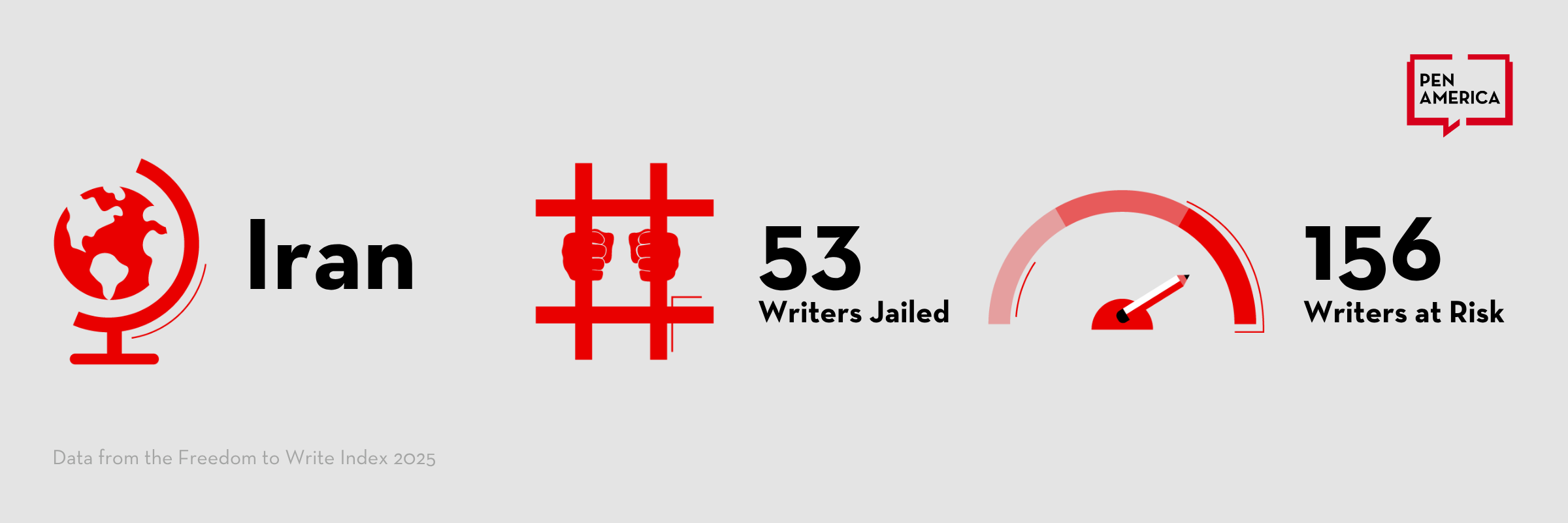
Iran remained in second place globally, but showed the largest jump in cases of any country between 2024 and 2025, jailing a total of 53 writers up from 43 in 2024. Of this total, 36 are men and 17 (32 percent) are women. As in previous years, Iran continues to be the world’s leading jailer of women writers. The 53 cases in Iran in 2025 represent the highest number of imprisoned writers since the sharp spike in arrests in 2022, when writers jailed during the “Women, Life, Freedom” protests swelled the total count to 57. Not only were there 10 new cases of jailed writers last year, but the country also saw a rise from 127 cases of other forms of persecution and abuses of writers in 2024 to 156 cases in 2025, indicating that writers in and from Iran face myriad threats.
In 2025, circumstances for writers in Iran grew more dire following the 12-day war between Iran and Israel, which ended in a temporary ceasefire on June 24. Iranian authorities launched a new wave of arrests, deploying mass internet blackouts and surveillance in order to target writers alongside hundreds of other political, social, and cultural activists. Members of the Kurdish, Azeri, Baha’i, and other minority ethnic and religious groups also suffered escalating persecution.
During the June 2025 war, Iran’s parliament passed a new bill to allow for harsher punishments for “espionage” and collusion with Israel and other states regarded as hostile. This new espionage law allows for a more liberal implementation of the death penalty for those accused of spying or maintaining clandestine contact with Israel and the United States, alongside the more commonly used charge of moharebeh, or “waging war against God,” which has been used to carry out other death sentences. In May 2025, Peyman Farahavar, who wrote poems that discussed his Gilaki cultural identity as well as political topics such as environmental protection, social justice, and systemic corruption, was sentenced to death. Farahavar was first arrested in August 2024 on accusations of “propaganda against the regime” and “waging war against God,” and subjected to severe torture, abuse, and medical neglect while in prison. His death sentence was upheld in September 2025 and for the second time in February 2026.
Charges mentioning either collusion with or propaganda on behalf of Israel have emerged in a number of longstanding cases, as well as new cases against writers, since the war. Well-known blogger and former political prisoner Hossein Ronaghi Maleki was arrested in June 2025 and sentenced to six years in prison in July. During the war, he had posted on X describing suppression, censorship, and executions as part of daily life in Iran. He faced additional charges in August for “propaganda against the Islamic Republic,” “propaganda for Israel,” and “publishing obscene content in cyberspace.” In September, Ronaghi began a hunger strike with grave consequences for his health. On October 1, after repeated pleas from the human rights community, it was announced that he had been released on parole due to his extremely critical medical condition.
Israel’s June 23 air strike on Evin Prison in Tehran, where many activists, writers, scholars, journalists, and filmmakers are held, killed dozens of people within and around the prison. Despite receiving prior warnings up to a week before the attack, officials refused to evacuate prisoners, cancelled all prisoner leave requests, deprived prisoners of access to communication and information, and transferred prisoners out of Evin following the attack in a high-risk operation with no advance notice. A statement made by a group of prominent Iranian imprisoned activists and journalists made clear that prisoners faced “humiliation, terror, and deprivation of basic safety” during and after the attacks, also noting that prison conditions were “inhumane and unbearable.” Many family members of prisoners expressed grave concern for their missing loved ones, yet Iranian authorities reportedly threatened those inquiring about missing prisoners.
Following the strike, many male political prisoners were moved to Greater Tehran Prison, while female political prisoners were transferred to Qarchak Prison, which is notorious for its dangerous and unsanitary conditions. On September 29, 150 former political prisoners released a statement denouncing recent preventable deaths of political prisoners due to denial of medical care in Qarchak. Poet, human rights defender, and 2026 PEN/Barbey Freedom to Write Awardee Golrokh Ebrahimi Iraee is still serving multiple sentences under charges of “collusion” and “propaganda” related to her writing and activism. In July, she wrote a letter from Qarchak prison after being transferred there from Evin, which detailed the horrific infrastructural conditions, abuse, and sexual exploitation that women prisoners are subjected to.
The June 2025 war also resulted in a targeting of scholars, intellectuals, academics, and translators, corresponding with the overall global uptick in arrests of scholars and academics throughout the year. In August 2025, several literary figures including cultural activist Ehsan Rostami, translator Marjan Ardeshirzadeh, and poet Hassan Touzandehjani were arrested in targeted raids. These individuals shared connections to Samandar Press, a prolific publisher of leftist and radical works and their translations. On November 3, 2025, Iranian security forces conducted raids targeting a group of notable progressive intellectuals in Tehran including economists Parviz Sedaghat and Mohammad Maljoo, sociologist Mahsa Asadollanejad, and writers and translators Rasoul Ghanbari, Shirin Karimi, and Heyman Rahimi, most of whom were temporarily detained. Sedaghat had written critically on Iran’s war with Israel, while Asadollanejad, Karimi, and Ghanbari are known for their translations of leftist texts on topics including economics and gender. On November 10, 2025, Iranian Writers’ Association (IWA) member and labor activist Keyvan Mohtadi was briefly re-arrested and interrogated after an abrupt raid of his apartment. Mohtadi had previously been serving a six-year sentence until he was released in an amnesty in September 2024. His wife, translator and teacher Anisha Asadollahi, is currently serving a three year sentence in Evin Prison on charges of “propaganda” and “collusion,” and made a statement from Evin calling for an end to mass executions in January 2025.
As the year came to an end, on 12 December 2025, 15 plain clothed security forces violently detained 2023 Nobel Peace Prize laureate Narges Mohammadi at the memorial ceremony of human rights lawyer Khorsow Alikordi (who was found dead in his office under suspicious circumstances) in the city of Mashhad. At least 38 other attendees, including writer and activist Sepideh Gholian, were also detained, according to witnesses. Mohammadi was attacked with repeated baton blows to the head during the arrest. In the days following her arrest, Mohammadi was taken to the hospital twice, and had serious injuries, with visible bruising. She was unable to see or speak to her lawyer, doctor, or family. Mohammadi’s health, already in a precarious state when she was released temporarily in December 2024 on medical grounds, was seriously compromised by the violent attack.
In early 2026, arrests and detentions, executions, and disappearances worsened considerably due to the crackdown on countrywide protests that peaked in early January, as well as the war between the U.S., Israel, and Iran that began in late February. The Iranian government has also extended its use of draconian internet and communications shutdowns, making it increasingly complicated to record or document instances of human rights violations. Another 2026 PEN/Barbey Freedom to Write Award co-honoree, Ali Asadollahi, an award-winning poet and member of the IWA, was violently arrested, detained, and tortured following the January 2026 protests. Human rights lawyer and prominent voice of conscience Nasrin Sotoudeh, the 2011 PEN/Barbey Freedom to Write Awardee, was re-arrested and held in an unknown location during the war with the U.S. and Israel in April 2026.
Saudi Arabia
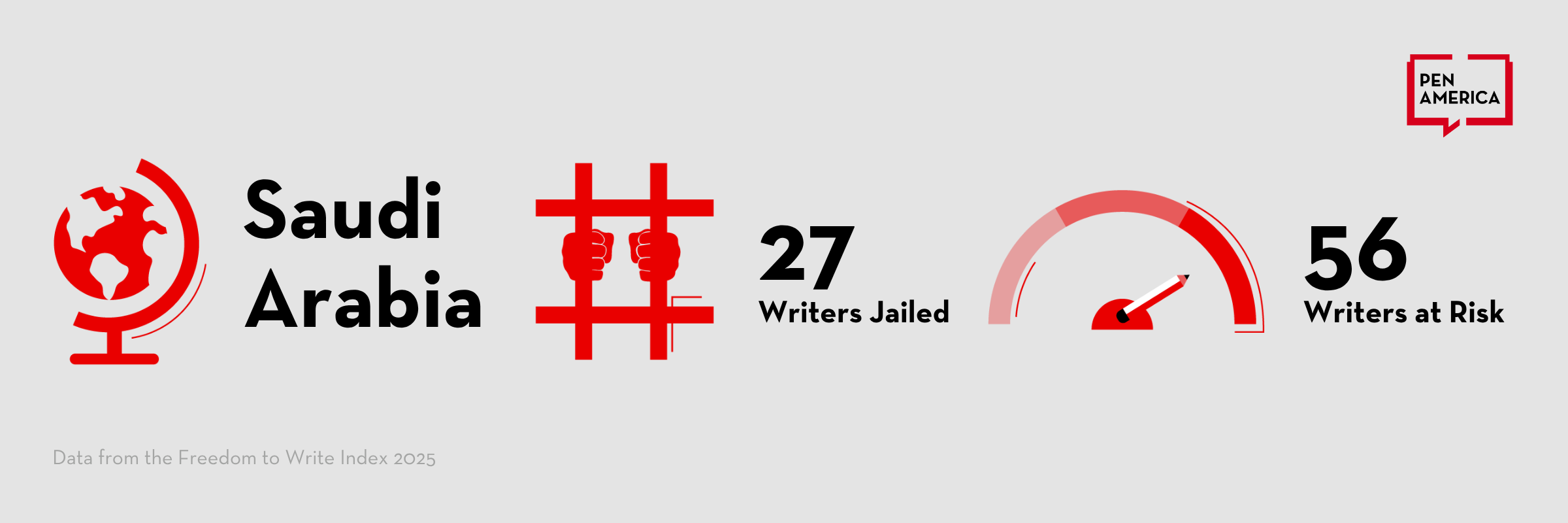
Saudi Arabia continued to hold a large number of writers in prison in 2025, with the total number of cases now standing at 27, reflecting cases added retroactively (usually because new information about the case comes to light) rather than newly detained individuals. The pattern of repression that has defined the Kingdom’s approach to expression under Crown Prince Muhammad bin Salman (MBS) remains firmly entrenched—long sentences, incommunicado detention, and the deliberate weaponization of vague anti-terrorism statutes against writers, bloggers, and online commentators.
These are cases which may not come to light or receive public attention immediately, and are likely to occur in the most politically repressive countries, where the media and information environment is severely restricted, where family members of a jailed writer are initially hesitant to speak publicly about a case to the media due to fear of repercussions or hope that staying quiet may lead to a relative’s release, or where there is little in the public record about a case (for example, a writer is being detained incommunicado and/or without published charges).
At least six of the 27 individuals have been held in pre-trial detention for six years or more, a violation of the Kingdom’s own laws which limit pretrial detention to a maximum of one year only in some instances. Saudi authorities routinely disregard this threshold, holding detainees indefinitely under a legal framework granting sweeping powers of arrest and detention without meaningful judicial oversight.
In June 2025, Saudi Arabia executed journalist Turki Al-Jasser, who had been detained for seven years on charges of treason, funding terrorism, foreign collaboration, and endangering national security. These charges stem from his alleged authorship of an anonymous social media account that exposed corruption within the royal family. Al-Jasser was the first journalist to be sentenced to death and executed in Saudi Arabia under MBS’s rule, and his killing marked a chilling escalation in a country where the October 2018 murder of Washington Post columnist Jamal Khashoggi had already exposed the Saudi government’s willingness to silence dissent.
Writer and scholar Hassan Farhan Al-Maliki has been detained for over seven years without a fair trial, his proceedings postponed more than 16 times as prosecutors seek the death penalty against him for possessing books that “challenge the state’s official ideology” and advocating political reform. Journalist and writer Zana Al-Shahri, detained since November 2019 for opinion pieces in which she advocated for a constitutional monarchy, marked her sixth year in prison in 2025, with Saudi authorities maintaining complete silence about her legal status or whereabouts.
Eight of the writers are serving extremely long sentences of at least 11 years. Red Crescent worker Abdulrahman Al-Sadhan, arrested for tweets allegedly posted from anonymous accounts and subsequently forcibly disappeared, remains in prison serving a 20-year sentence and is denied regular contact with his family. The UN Working Group on Arbitrary Detention (WGAD) found his detention to be unlawful in a 2022 opinion. Noura Al-Qahtani, an online commentator and scholar first arrested in 2021 for “online activities,” allegedly used two anonymous online accounts to advocate for political prisoners and condemn Saudi human rights violations. She was sentenced to a 45-year prison term. Following a retrial in September 2024, her sentence was reduced to 35 years in prison along with a 35-year travel ban. Al-Qahtani spent months in solitary confinement in 2025. A significant percentage of those imprisoned were arrested specifically for advocacy related to women’s rights and criticism of state-imposed regulations. Asma Al-Subaie, an online commentator and scholar who spoke out against the guardianship system as a university student, has been in detention without charge since 2021.
If they are released, their ability to resume their writing and lives is severely circumscribed by post-release conditions, including decades-long travel bans. Activist and online commentator Loujain Al-Hathloul, detained in 2018 for her women’s rights advocacy and released in 2021, is subject to a travel ban that has been extended to members of her immediate family, effectively punishing her relatives for her activism and preventing the family from reuniting abroad.
Impunity for the murder of Jamal Khashoggi remains a defining feature of Saudi Arabia’s relationship with the international community. MBS has faced no meaningful accountability, and his international rehabilitation reached a new high in November 2025 when President Trump received MBS at the White House. Meanwhile, Saudi Arabia has worked to project an image of cultural openness abroad: the government-sponsored Riyadh Comedy Festival drew major American comedians in October 2025, even as reports suggested performers may have been instructed to avoid critiquing the Saudi royal family—a telling illustration of the kingdom’s dual strategy of cultural diplomacy abroad and brutal suppression at home.
Vietnam
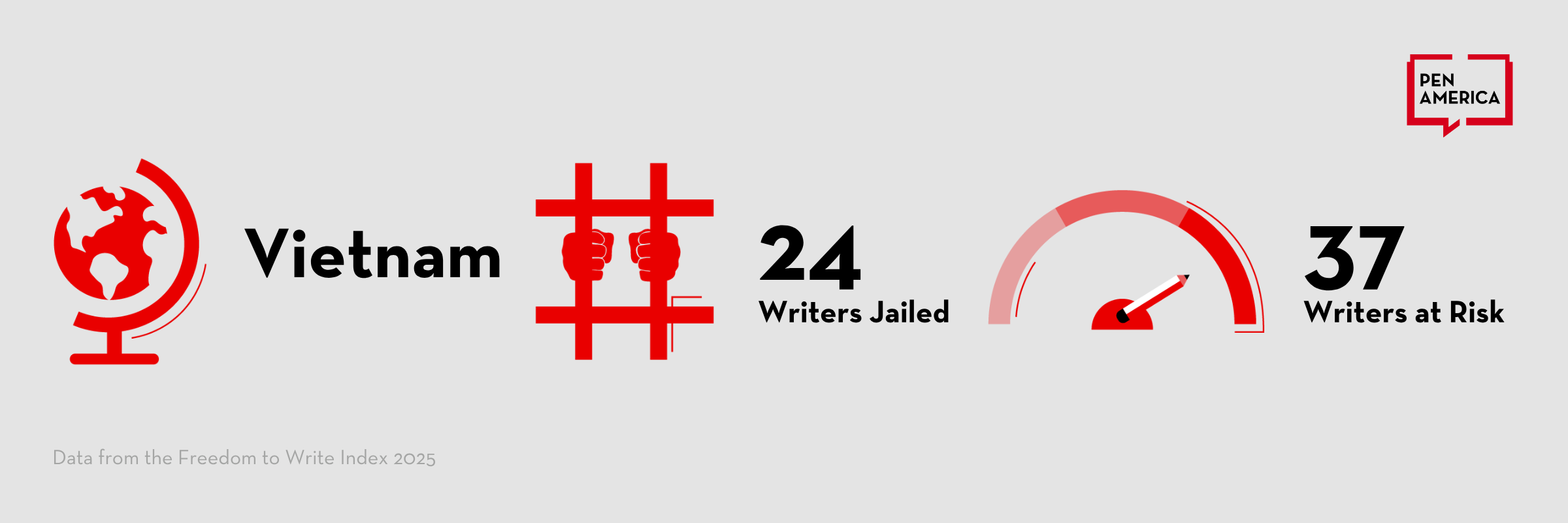
Vietnam continues to feature prominently among global jailers of writers. In 2025, 24 writers were behind bars for their expression. Provisions in the Penal Code and Cybersecurity Law, amongst other laws, are routinely misused to stifle dissent and punish critical voices.
As part of the government’s increasing crackdown on free expression in advance of the 14th Communist Party Congress in early 2026, writers and journalists faced increased pressure throughout 2025. In early 2025, Vietnamese journalist Truong Huy San (also known by pen names Huy Duc and Osin), and author of The Winning Side (Bên Thắng Cuộc) was sentenced to 30 months in prison under Article 331 for “abusing the rights to freedom and democracy.” Independent journalist and writer Huỳnh Ngọc Tuấn was arrested for a second time in October 2025 and charged under article 117 of the penal code. He previously served a ten-year sentence for his fiction writing, after which he continued to campaign for human rights.
Journalist and writer Doan Bao Chau was forced into hiding for over a year, where he remains, due to relentless state persecution. In August 2025, authorities issued a special arrest warrant for him on charges of “disseminating anti-state documents”—a charge carrying up to 12 years in prison. Chau’s writing shed light on land seizures, police violence, and the plight of political prisoners. At the end of 2025, authorities targeted the Germany-based outlet Thoibao.de. Two contributors to the outlet, including blogger Do Van Nga and Huynh Bao Duc, were arrested and charged with disseminating anti-state propaganda in violation of article 117. On December 31, they were convicted based on videos and articles the court deemed to have insulted the Communist party and state officials, and sentenced them to 7-year and 6.5-year sentences respectively.
Imprisoned writers are routinely denied medical care. Journalist and online commentator Le Huu Minh Tuan’s family reported that his health continued to decline, and that authorities refused to provide adequate healthcare. His health deteriorated to the point that he could no longer eat solid foods and struggled to walk.
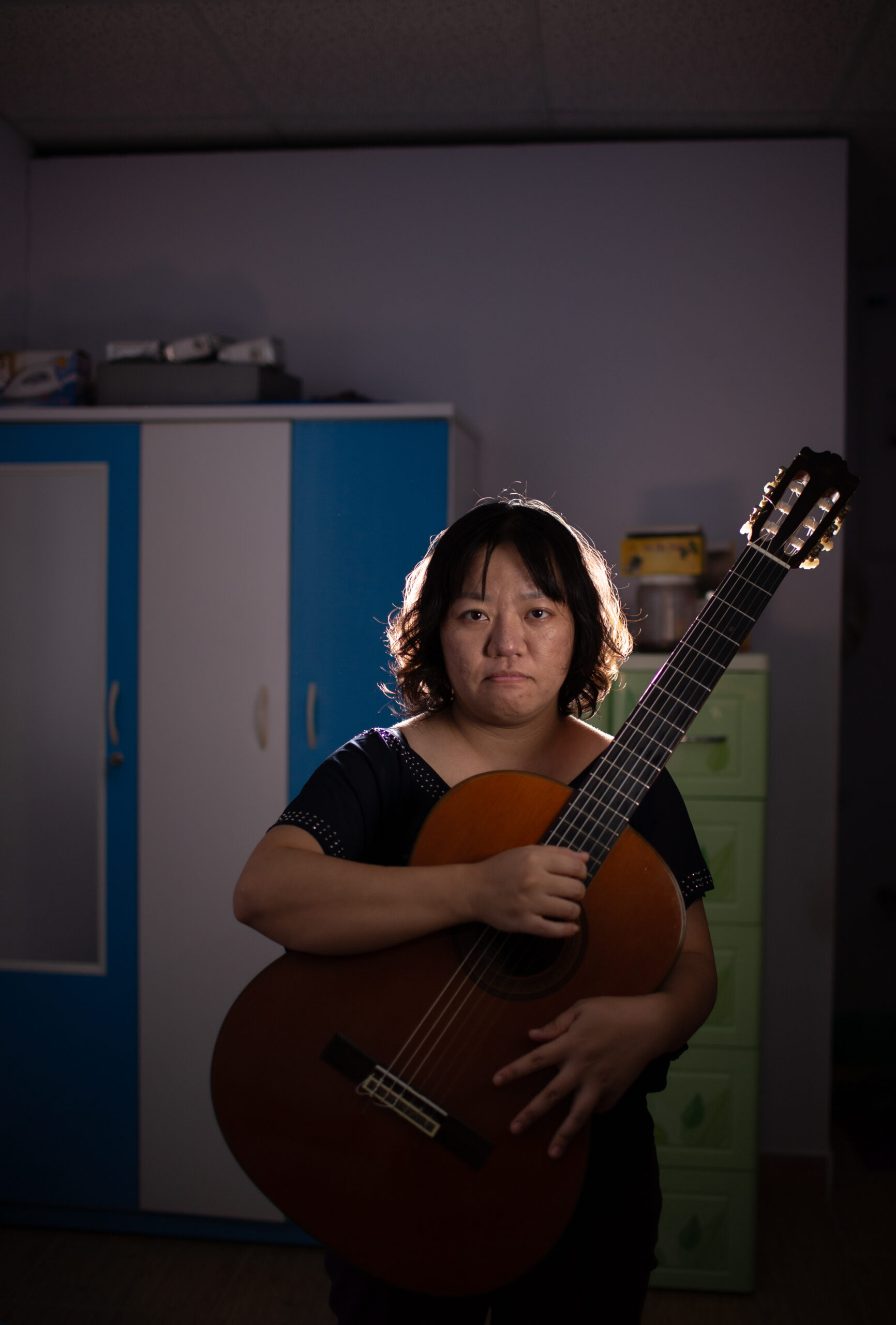
In July 2025, journalist, novelist, and co-founder of the Independent Journalists Association of Vietnam Pham Chi Tranh (Pham Thanh) was released early, but still faces harassment from authorities. Many of his fellow journalists in the association remain behind bars, including president Pham Chi Dung, who also reported for the Voice of America and vice president Nguyen Tuong Thuy, sentenced to 15 and 11 years respectively; and 2024 PEN/Barbey Freedom to Write Awardee Pham Doan Trang, who was sentenced to nine years in 2021 for “anti-state propaganda.” In December, a new amendment to the country’s press law required journalists to disclose sources to authorities, closing the space for media freedom further.
The Vietnamese government has long monopolized traditional media including radio, television, and newspapers; tightly controlled the book industry and publishing by requiring pre-approval for content; censored dissenting voices; and limited access to independent or foreign publications, worsening the climate for free expression. While the internet and platforms like Facebook and YouTube offer spaces for dissent, they are increasingly subject to government censorship. In 2025, this control increased. State consolidation of telecommunications increased and messaging app Telegram was blocked in May. Single social media comments that are labeled are subject to administrative fines of 7.5 million dong.
Transnational repression continues to be a concern. Tibetan writer and monk Humkar Dorje died under suspicious circumstances in Vietnam, allegedly in the presence of Chinese officials. The Vietnamese government has also continued to target Vietnamese writers and activists outside of its borders, including through unlawful extradition requests to Thailand – and by sentencing writers in absentia. In December, authorities convicted the editor and founder of Thoibao.de, Le Trung Khoa, in absentia, sentencing him to 17 years, extending the long arm of repression overseas.
Türkiye
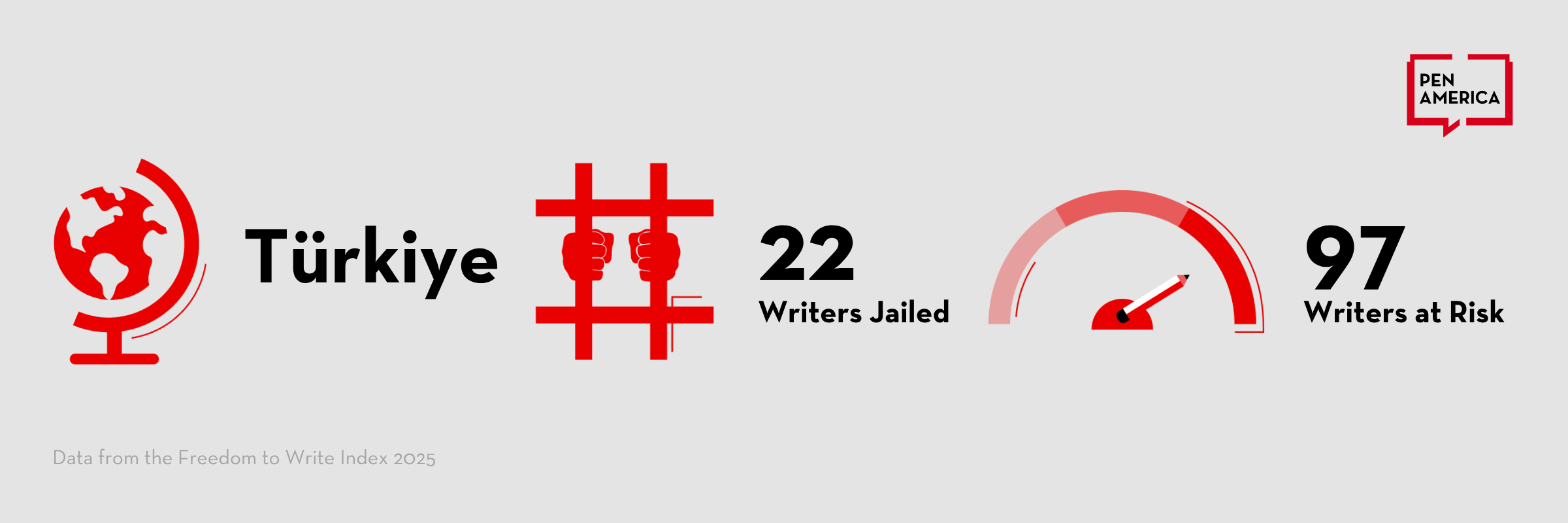
Türkiye saw the number of writers jailed increase from 18 in 2024 to 22 writers this year, re-entering the Top 5. The Turkish government continued its longtime practice of prolonged, indefinite trials and spurious charges of “insult” against the President in order to target writers and journalists, keeping them tied up in appeals and re-trials for years. Turkish authorities also deployed broad misinformation threats and charges, as well as anti-terror legislation, against critical voices. The country’s disinformation laws, and the threat they pose to journalists and freedom of expression, have been frequently criticized by human rights organizations, including Amnesty International and the Committee to Protect Journalists. The Erdogan government’s codified, legal crackdown on “disseminating misleading news” presents an explicit jurisdictional assault on freedom of expression.
Veteran columnist and online commentator Zafer Arapkirli’s first hearing for “insulting the president” was held in November 2025. The charge stemmed from a 2024 tweet that said “YOU ARE A VERY BAD SCREENWRITER…You always have been.” It remains unclear how exactly this tweet was legally correlated to any commentary or implication regarding Turkish President Recep Tayyip Erdoğan. Arapkirli was acquitted in March 2026, but was later charged and convicted again on charges of public “incitement to hatred and hostility” and “misinformation” over other social media posts. In April 2026, he was sentenced to 2 years and 6 months in prison. Doğan Pehlevan, a cartoonist at the satirical LeMan magazine, was arrested for a cartoon published in July 2025. He also faces charges of “insulting the president” and “incitement to hatred.” Several other LeMan employees were also detained. Pehlevan was released pending trial in November 2025 after a court order.
Columnist Tolga Şardan was briefly rearrested in September 2025 over an article published a few days earlier. He was then put on trial for “misinformation” and faced an additional charge of “insulting the judiciary.” In January 2026, he faced a new investigation for “violating confidentiality” in his reporting. Sardan had already been wrongfully charged with “disclosing misleading information” once in 2023, due to his reporting on judicial corruption.
Journalist Furkan Karabay, who has previously faced multiple legal cases and detentions, was sentenced to nearly a year in prison for “defamation” and “insulting the president” in April 2025. He was then detained again in May on separate charges of “targeting those tasked to combat terrorism” and “insulting the president” due to social media posts about Ekrem İmamoğlu, the former Mayor of Istanbul who was arrested in March 2025 – İmamoğlu, one of Erdoğan’s key political rivals and a leading member of the opposition party, was charged with 142 offenses, including accusations of corruption and aiding the Kurdistan Workers’ Party (PKK). Karabay was also sentenced to four years and three months in prison in December for “insult” and other charges. He was released pending appeal, but was placed under house arrest in January 2026. Meanwhile, publisher, cultural rights activist, and civil society leader Mehmet Osman Kavala is still serving a life sentence that was upheld on appeal in September 2023.
Throughout 2025, Turkish authorities cracked down on artists and musicians in addition to columnists and journalists. Singer and songwriter Mabel Matiz faced an obscenity complaint in September 2025 for lyrics in his song, Perperişan. The Interior Ministry who made the complaint stated that the lyrics could “provoke public outrage,” leading authorities to open a criminal investigation into the lyrics. Matiz, who is openly queer, wrote that “I want to believe that our public order and public health are not so fragile as to be disturbed by a song.” He was briefly interrogated in September and has been subject to a travel ban. His trial began in January 2026 and he was acquitted on May 8.
As in years prior, the Turkish government continues to repress ethnic minorities through policies targeting their cultural and linguistic expression, which have ensnared writers such as Kurdish novelist Mehmet Dicle and his publisher, who faced charges under anti-terrorism law in April 2025. Kurdish filmmaker Kazım Öz was briefly detained in January 2025 as part of a criminal investigation into his film, Zer, which deals with the topic of Kurdish history and identity. Öz was tried for “terrorist propaganda”– a spurious charge commonly lobbied against Kurdish artists, writers, journalists, or anyone who writes or covers any topics related to Kurdish civil and linguistic rights – but was acquitted in April 2025. Kurdish journalist Mehmet Üçar was arrested and held in pre-trial detention in November 2024, on charges of “membership in a terrorist organization.” The charges were lobbied in relation to his reporting on cases of imprisoned writers in the country, published in the bilingual Turkish-and-Kurdish-language newspaper Yeni Özgür Politika and its arts and culture imprint PolitikArt, which the government consider to be “publishing under the guidance of the PKK/KCK terrorist organization.” Üçar, who was tortured while in custody, was conditionally released pending trial in July 2025. On April 26, 2026, Üçar was sentenced to 1 year and 6 months in prison on the charge of “terrorism propaganda.” The Turkish government frequently conducts police raids, mass arrests, and detainments of journalists and activists suspected of Kurdish ties.
Kurdish musicians have also faced severe crackdowns, especially for use of Kurdish lyrics or themes in their work. In recent years, several members of the band and socialist collective, Grup Yorum, have faced attacks from the Turkish government. One member, Ali Araci, has been in prison since 2023, and in 2024, was sentenced to 12 years and nine months in prison. In 2025, Araci went on multiple, life-threatening hunger strikes in prison. The band is known for folk-rock music that “fearlessly speaks to the political realities” of the country.
Israel
Including the Occupied Palestinian Territory
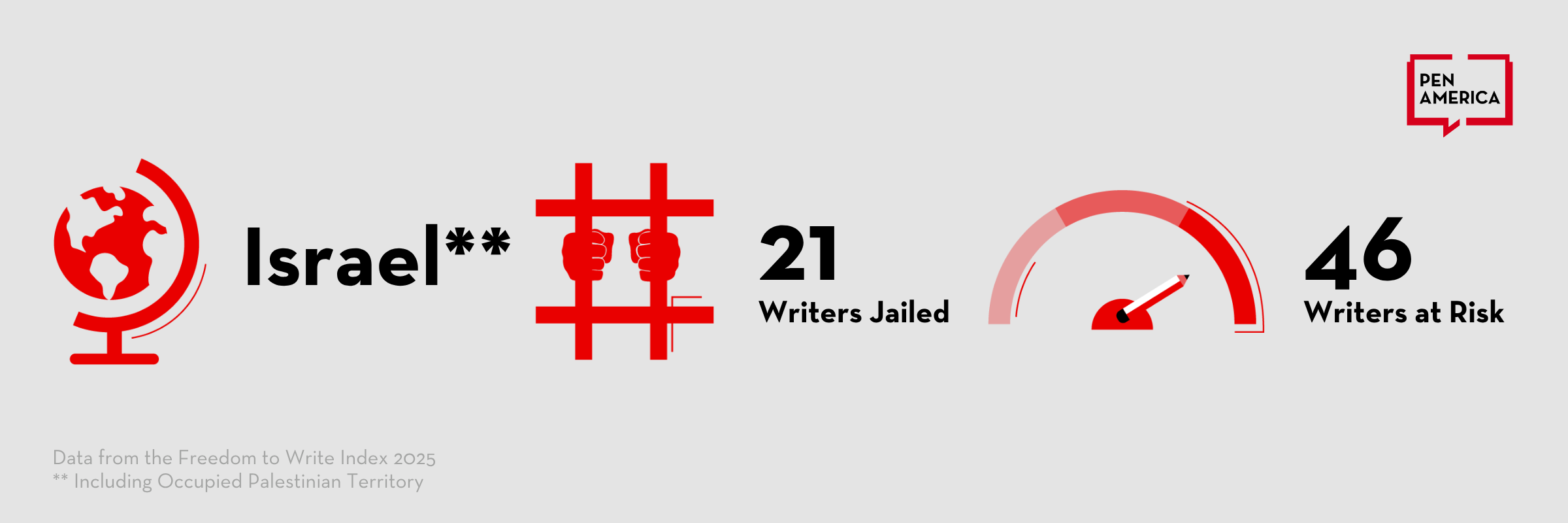
In 2025, Israel continued its suppression of Palestinian and other dissenting voices, with the vast majority of cases involving writers from the Occupied Territories. Of the 21 writers jailed at some point during the year, 20 were Palestinian journalists and writers, and one was an Israeli writer and journalist targeted for his criticism of the government. The crackdown extended beyond Palestinian voices: Israel Frey, a Jewish-Israeli journalist known for his critical coverage of the Israeli occupation, was briefly detained in July 2025 after the State Attorney’s office opened a terrorism investigation against him over a social media post. Frey, who was detained directly because of his coverage of and comments on the war, is one of six writers detained by the Israeli government for anti-war statements in their work. The others – journalists Mohamed Al-Atrash, Nawaf El-Amer, Radwan Qatanani, and Rula Hassanein, as well as scholar Anwar Rostom – are all Palestinian writers who were detained on charges of incitement, or with no charges at all, because of their commentary on the war and the occupation.
Israel’s ongoing use of administrative detention — a policy under which individuals can be detained without having committed an offense on the grounds that they plan to commit an offense in the future, and without charge or trial, for renewable six-month periods — remained central to its repression of free expression. In December 2025, Israel still held 29 Palestinian journalists behind bars, most of them in administrative detention without due process or legal basis for their arrests. Of the 18 writers tracked by PEN America who were released during 2025 — some as part of hostage and prisoner exchange agreements— 9 had been held in administrative detention. This includes Freedom Theatre producer and writer Mustafa Sheta, who was released in April 2025, and journalist Alaa Al-Rimawi, who was released in October, both without being formally charged.
Writer and political analyst Sari Orabi was arrested in a dawn raid on his home in the town of Rafat in the West Bank in late December 2025, and placed in administrative detention for six months, the latest in a series of arrests he has faced since the 1990s. Mahmoud Fatafta, a Palestinian columnist and political commentator first arrested in May 2024 at a checkpoint while traveling with his son, is among the most prominent cases of writers who remained in detention into 2025. His arrest was potentially based on a Facebook post that quoted an Egyptian author about the consequences of brutal colonization, underscoring how the Israeli military deploys sweeping incitement laws to detain writers for critical expression.
The war on Gaza inflicted an unprecedented loss on Palestinian cultural life. PEN America’s report All That Is Lost, released in September 2025, documented the deaths of 151 Palestinian cultural figures since October 7, 2023 and the destruction or partial destruction of 36 cultural, historical, religious, and educational sites, along with cases of deliberate book burnings, and reported looting of archaeological artifacts. The report concluded that Israel’s military destruction of Gaza’s cultural heritage amounted to war crimes and crimes against humanity and offered evidence of genocidal intent.
Targeted killings of journalists and writers by the Israeli military continued in 2025. Anas Al-Sharif, one of the most recognized Palestinian journalists and commentators and a Pulitzer Prize-winning photographer, was killed on August 10, 2025, in a targeted Israeli airstrike on a press tent outside Al-Shifa Hospital in Gaza City; he had reportedly received threatening calls and voice notes on his phone prior to his death.
The violence has also affected journalists covering events in the West Bank. In 2025, CPJ documented 11 attack incidents involving at least 23 Palestinian and international journalists by Israeli settlers — some alongside soldiers — compared to one attack on an Israeli journalist in 2024. On November 8, a group of journalists wearing clearly marked press vests were assaulted by a mob of dozens of settlers (some of whom were masked), armed with clubs and rocks, near the village of Beita, with one female reporter beaten severely while already on the ground.
The Palestinian Authority (PA) have also engaged in suppressing free expression. Community activist and online commentator Ramah Al-Bayaa was arrested on defamation charges by the PA on September 11, 2025 in Beitunia, near Ramallah, and charged under the cybercrime law over Facebook posts critical of the PA. She was briefly detained before being released on bail three days later.
Russia
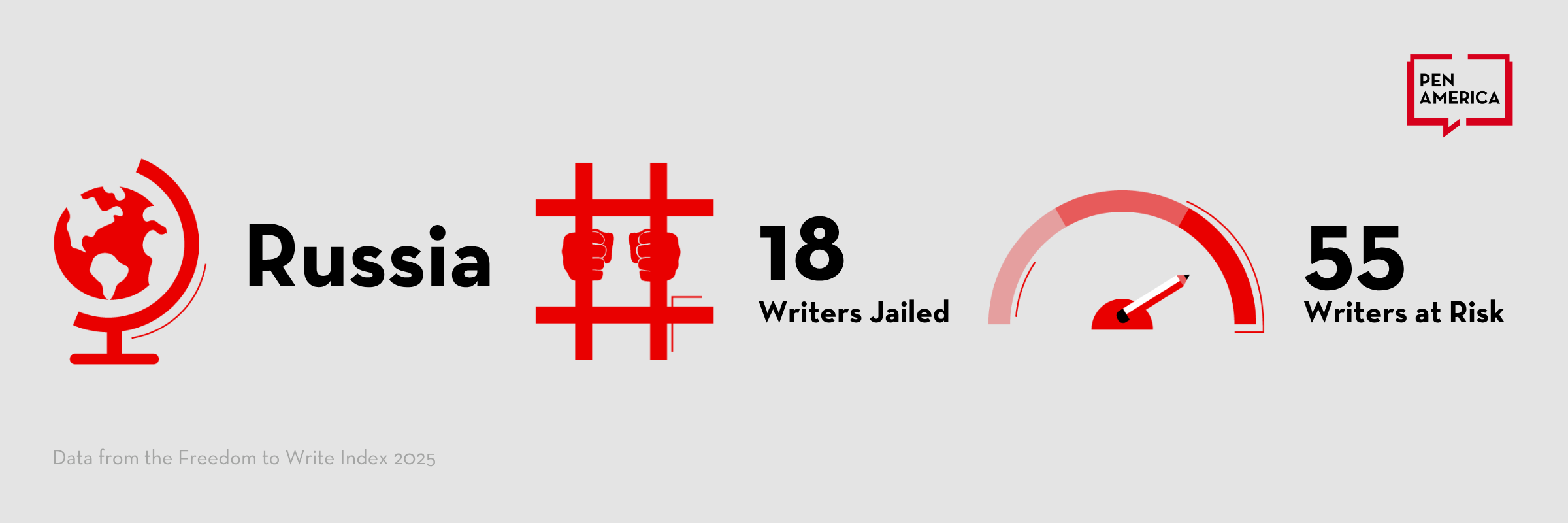
In 2025, the Russian government held 18 writers in prison or detention, most for their anti-war expression or their suspected involvement in it, continuing a trend that began in 2023 following the full-scale invasion of Ukraine.
While the majority of writers behind bars in 2025 were already in custody at the start of the year, Russian authorities detained scholar and author, and dual Russian and Canadian citizen, Nikolai Zyuzev in 2025. He was reportedly arrested in June in the Komi Republic for “collaboration with a foreign state or agent.” Poet Vyacheslav Malakhov, who was originally arrested and charged for Telegram posts about homophobia, chauvinism, and the hypocrisy of the Russian government, was released in August 2025.
A number of writers were sentenced or had their sentences upheld in 2025. In March, a Russian military court sentenced historian and columnist Alexander Skobov to 16 years in prison for his anti-war stance on social media. His posts about the bombing of the Patriot Bar and the explosion on the Crimean Bridge were deemed to justify terrorism. In March, journalist and online commentator Maria Ponomarenko, who was originally imprisoned for publishing information on an airstrike in Ukraine, was sentenced to an additional 22 months in prison for allegedly assaulting prison staff.
While theater director Zhenya Berkovich and playwright Svetlana Petriychuk had their sentences slightly reduced in December 2024, the Russian Supreme Court upheld the conviction of “justifying terrorism” and denied their appeals in August 2025. They are behind bars for their prize-winning play “Finist, the Bright Falcon.” Berkovich also wrote anti-war poetry and many of her supporters believe that this is the real reason for her imprisonment.
Imprisoned writers continue to be denied medical care. The health of historian and long-time human rights activist Yury Dmitriev – who is serving a 15-year sentence in a penal colony – continues to decline, but he was not permitted to undergo definitive medical tests. Journalist Maria Ponomarenko has been denied psychiatric care. Poet Artem Kamardin, who is serving a seven-year sentence and has a number of preexisting medical conditions, also suffered a decline in health due to medical neglect.
Like terrorism charges, authorities continue to weaponize “foreign agent” and “extremist” designations to suppress and heighten the cost of dissent. In July 2025, a bill that fines anyone accessing material considered extremist was approved. Exiled commentator and film critic Ekaterina Barabash was designated a foreign agent in 2025. Other exiled writers included in our Database, like author Dmitry Bikov, Circassian writer and language teacher Larisa Tuptsokova, screenwriter Viktor Shenderovich, and poet Vera Polozkova, were also added to the list of terrorists and extremists. In April 2025, new bills banned individuals designated as “foreign agents” from “educational activities,” increasing risks for bookstores that carry books by foreign agents – like those of exiled novelist Boris Akunin, who was designated a foreign agent in 2024.
Human rights organizations also documented the rising use of “extremism” designations to suppress the LGBT literary ecosystem in Russia in 2025, affecting online and brick-and-mortar bookstores and publishers, as well as readers who can now face fines for accessing the material. The book Summer in the Red Scarf, written and published by writers Elena Malisova and Katerina Silvanova in 2021, attracted a backlash with rippling effects due to its LGBT themes. Malisova and Silvanova both faced death threats because of Summer in the Red Scarf and were both forced into exile in 2022 due to the Russian authorities’ response to the book. In 2025, the backlash extended to the book’s publishers. In May 2025, Russian law enforcement arrested several employees of Eskmo, the parent company of the book’s publisher Popcorn Books, on charges of LGBT “propaganda” and “extremism” for carrying Summer in the Red Scarf, amongst other books; Russian bookstores were fined in connection with the book; and an online marketplace removed the book. In early 2026, Popcorn Books closed, and authorities raided Eksmo and arrested its CEO Yevgeny Kapyev for allegations of “devising a scheme to distribute LGBT literature to minors.”
Authorities also continued to restrict Russians’ access to the global internet. In 2025, authorities began moving towards blocking WhatsApp and Telegram, the only Western messaging apps still allowed in Russia, and replacing them with a state-run messaging app. Thousands of websites, including independent media and civil society organizations, and social media platforms have already been blocked. To access blocked apps and sites, internet users must use VPNs, which are also facing increased restrictions.
Culture continues to be on the frontlines of Russia’s war against Ukraine in 2025. Beyond targeting churches, museums, and theaters, some 700 Ukrainian libraries have been severely damaged or destroyed since the full-scale invasion, with hundreds more harmed since 2014.
Russia also continued to hold Ukrainian journalists in captivity. In June 2025, 2022 PEN/Freedom to Write Awardee Ukrainian journalist Vladyslav Yesypenko was finally released after more than four years in Russian detention following his arrest in Russian-occupied Crimea, but many others remain behind bars. The repression of Ukrainian voices is part of Russia’s effort to control who gets to tell stories about Ukraine, including through building cultural institutions in Russian-occupied cities to present a Russia-sanctioned, pro-war version of the war.
Belarus
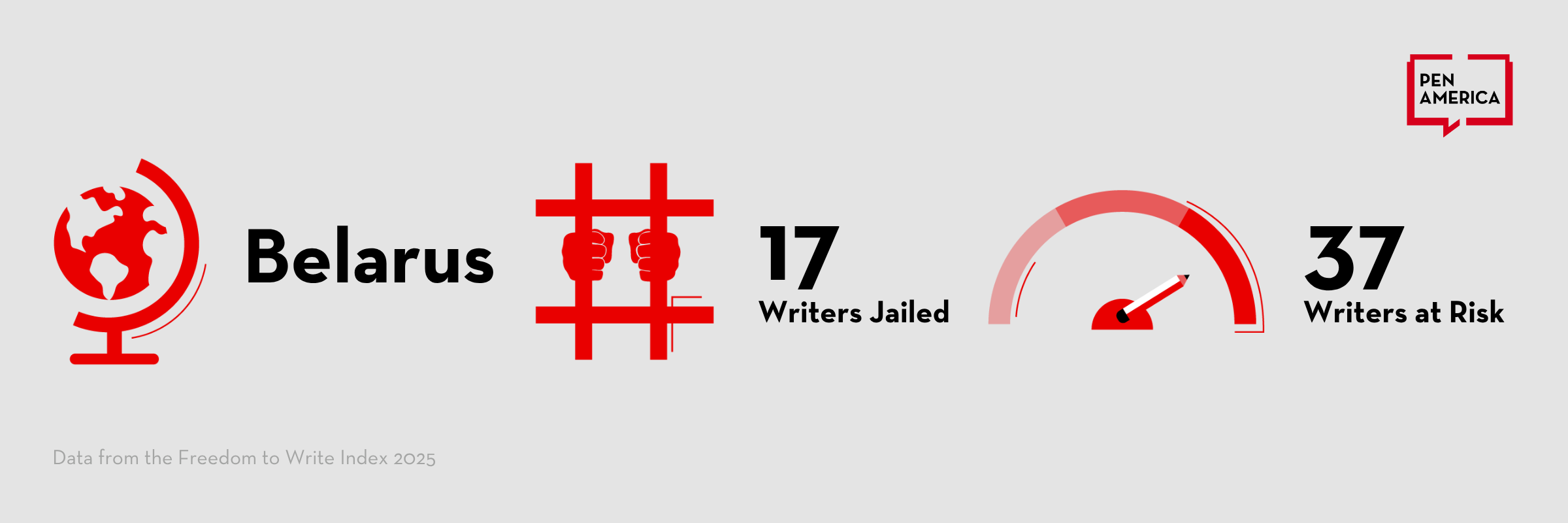
Throughout 2025, the Belarusian government held 17 writers in jail, a combination of longer-term detainees and several individuals newly arrested during the year. Belarus’s brutal crackdown on dissent following the illegitimate 2020 presidential election of Aleksander Lukashenka continues to be the inflection point in the country’s dire climate for free expression. Over late 2025 and early 2026, the government freed hundreds of political prisoners in a series of mass releases, seemingly undertaken as part of ongoing talks and negotiations with the U.S. government. Of the 17 cases counted in 2025, 15 had been released at the time of this report’s publication, either in the September or December 2025 releases, or in early 2026. While these ostensible gestures towards change were made in response to international pressure in 2025, Belarus continues to be one of the most dangerous climates for journalism, cultural production, and free expression.
Human rights groups and activists have cautioned against viewing these developments as a sign of political reform in Belarus. As political prisoners are released, Belarus continues to jail new targets at a similar rate in a cycle that human rights defenders describe as a “revolving door.” Additionally, many of the political prisoners who were released were forcibly deported from Belarus as part of the terms of their release, pushing them into the limbo of an uncertain and indefinite exile.
Many of the released political prisoners have been outspoken about the abuses they faced while in prison. Among them is activist and Nobel Peace Prize laureate Ales Bialacki, one of Belarus’s most prominent former political prisoners. Bialacki, who had been sentenced to 10 years in prison in 2023, was released in the prisoner exchange that took place in December 2025. He was deported to Lithuania. Like many of his fellow political prisoners, Bialacki had manuscripts confiscated from him while he was jailed. Following his release, Bialacki has cautioned against viewing the mass pardonings as a sign of a genuine political shift in Belarus and has stressed the importance of continued pressure on the Lukashenka government.
Blogger Paval Vinahradau was released in another mass pardon in September and was also forcibly transferred to Lithuania. He had been sentenced to five years in prison in March 2022 for charges of “defaming the president,” “inciting discord,” and “organizing actions against public order.” He contracted tuberculosis while in prison and spent extensive time in solitary confinement. During his transfer to Lithuania, Vinahradau said he had a sack placed on his head and that he was not informed that he would be taken outside the country. He expressed regret that he would be separated from his family. Further evidence of his severe mistreatment emerged following his release- he had lost almost 90 pounds during his time in prison.
Alongside Bialacki and Vinahradau, long-standing detainees who were released also include: journalist and writer Katsiaryna Andreyeva, scholar and writer Valeria Kostyugova, poet Aleh Kacapaǔ, literary writer Alexander Feduta, and scholar and writer Uladzimir Matskevich. Of these, the majority were sent directly into forced exile as a condition of their release. Andreyeva had first been arrested in 2020 alongside camera operator Darya Chultsova after live-streaming a demonstration in commemoration of protester and artist Raman Bandarenka – Bandarenka had been beaten to death days earlier by police officers. In the livestream, Andreyeva allegedly voiced her support for the peaceful protests.
Meanwhile, new cases of writers jailed continued to surface during the year. Poet and bard Valery Pazniakievic was briefly detained in the summer of 2025 and released on bail. In August, he was sentenced to three years in prison for “insulting Lukashenka.” Pazniakievic was previously detained in August 2024 after posting political poems on social media. His poems were analyzed in the investigation against him and he was questioned for writing them in Belarusian as opposed to Russian. He was rearrested and released periodically and received a series of fines totalling 4,830 rubles throughout the next year due to his political posts.
Writers and artists are commonly targeted with “extremism” charges. Among them is singer-songwriter and scholar Aleh Chamienka, who was arrested in June 2025 for “collaborating with foreign media,” another common charge used against dissident voices by the state. Chamienka is the frontman of Palac, a popular folk band. He is also a researcher specializing in folklore. In February 2026, he was sentenced to 3 years in prison for “assisting extremist activity” and was fined 20,000 rubles.
PEN Belarus recorded that there were 1,131 political prisoners in Belarus as of December 2025. Its report found at least 1,435 violations of cultural rights and the human rights of cultural figures in 2025. The most common violation documented was the designation of cultural materials as “extremist.” This was followed by violations of the right to a fair trial, of which there were 142 cases. Language rights are an ongoing issue as the state favors Russian over Belarusian.
Even though Belarusian is classified as a vulnerable language by UNESCO, it is heavily marginalized in the cultural sector as a result of political pressure. PEN Belarus documented numerous infringements on linguistic rights in 2025. Defendants on trial are not permitted to have their criminal proceedings carried out in Belarusian or have access to interpreters. Ales Bialacki spoke in December 2025 about being denied this accommodation.
Egypt
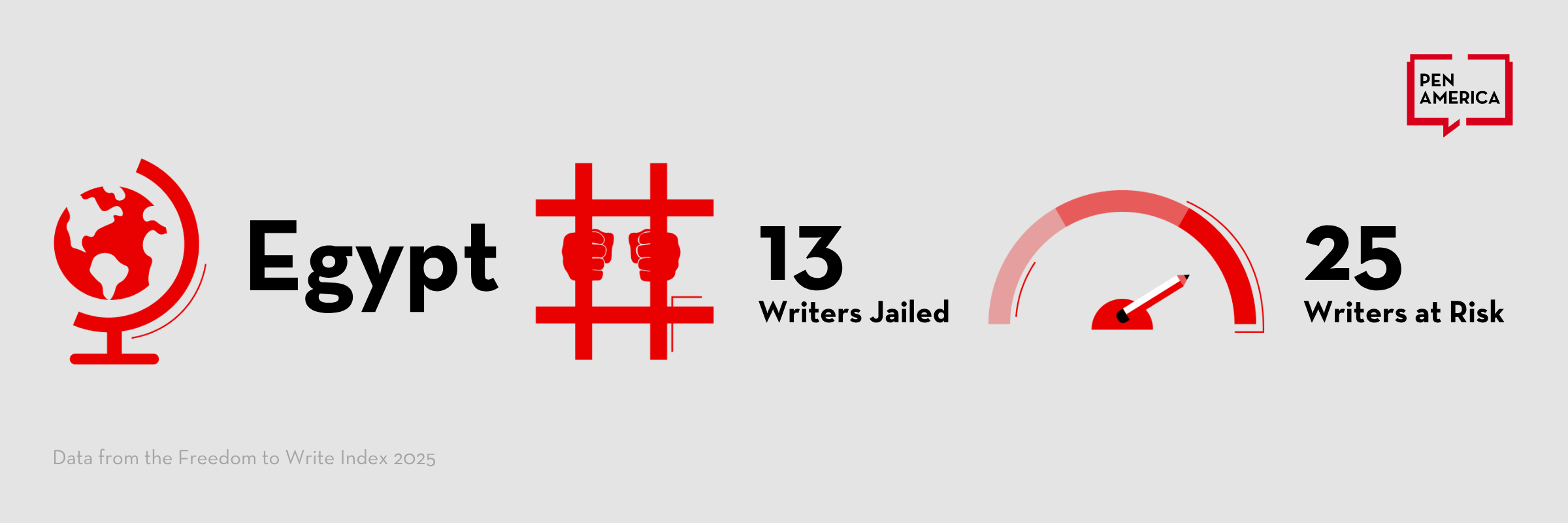
In 2025, Egypt held 13 writers in jail, remaining one of the world’s leading jailers of writers and continuing its repression of journalists, bloggers, poets, and activists.
Despite endorsing more than half the recommendations related to freedom of expression in July 2025 in response to its January Universal Periodic Review, Egypt intensified its crackdown on public dissent, imposing severe restrictions on free expression and access to information. Charges of “disseminating false news” and “misuse of communication tools” are routinely weaponized against writers, contradicting Egypt’s supposed commitment to free expression—compounded by sweeping anti-terrorism provisions that are applied arbitrarily to criminalize speech. The State’s signature tactic — “rotation” — remains central to this machinery: detainees are charged in new cases to override release orders and acquittals, ensuring that critics are held indefinitely.
As of 2025, 11 out of the 13 writers in detention have not been tried yet. Poet Galal El-Behairy, the 2025 PEN/Barbey Freedom to Write Awardee, exemplifies this pattern. After completing his initial three-year sentence in 2021, El-Behairy was subjected to enforced disappearance before being brought before the Supreme State Security Prosecution on new charges. He has since been held in what amounts to indefinite pretrial detention — with Egyptian authorities bringing new charges against him again in August 2025, including accusations of communicating with terrorist groups — keeping him behind bars for more than eight years.
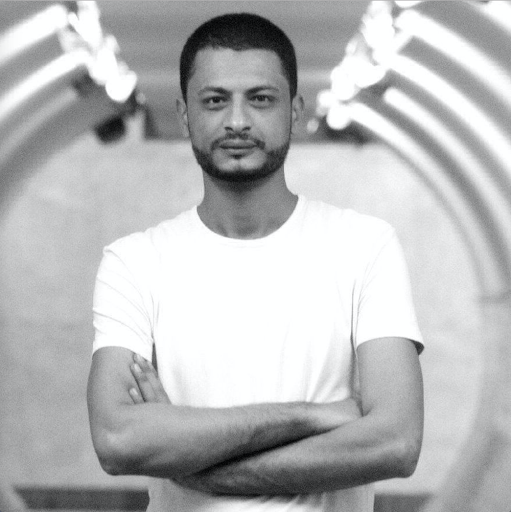
Egyptian Security Forces arrested novelist and online commentator Hany Sobhy in the early hours of October 22 at his home after he published a Facebook post mocking the Egyptian president. He was forcibly disappeared for two days before appearing before the Supreme State Security Prosecution (SSSP), which charged him with joining a terrorist group and spreading false news, and ordered his detention for 15 days pending investigation. His detention has been renewed every 15 days ever since then and he remains in jail.
2025 saw the long overdue release of blogger and activist Alaa Abd El-Fattah. Abd El-Fattah was released on September 22, 2025, following a presidential pardon, after authorities had refused to free him upon the completion of his sentence, arguing that his years in pretrial detention did not count toward his prison term. Even after release, in November 2025 Egyptian passport control officers refused to allow him to travel to the United Kingdom. The travel ban was lifted in December and he was able to join his family in London.
Travel bans and post-release restrictions remain a defining feature of how Egypt manages formerly imprisoned writers, ensuring that freedom from prison does not mean freedom of movement or expression. Poet and commentator Ahmed Douma, who spent more than a decade in jail and has already been subjected to six interrogations in less than two years since his 2023 release, including in July 2025 where he was summoned by the SSSP and subjected to lengthy interrogations, was arrested again in April 2026 on charges of spreading false news—underscoring the systematic use of judicial harassment to silence writers even after presidential pardons are issued.
Myanmar
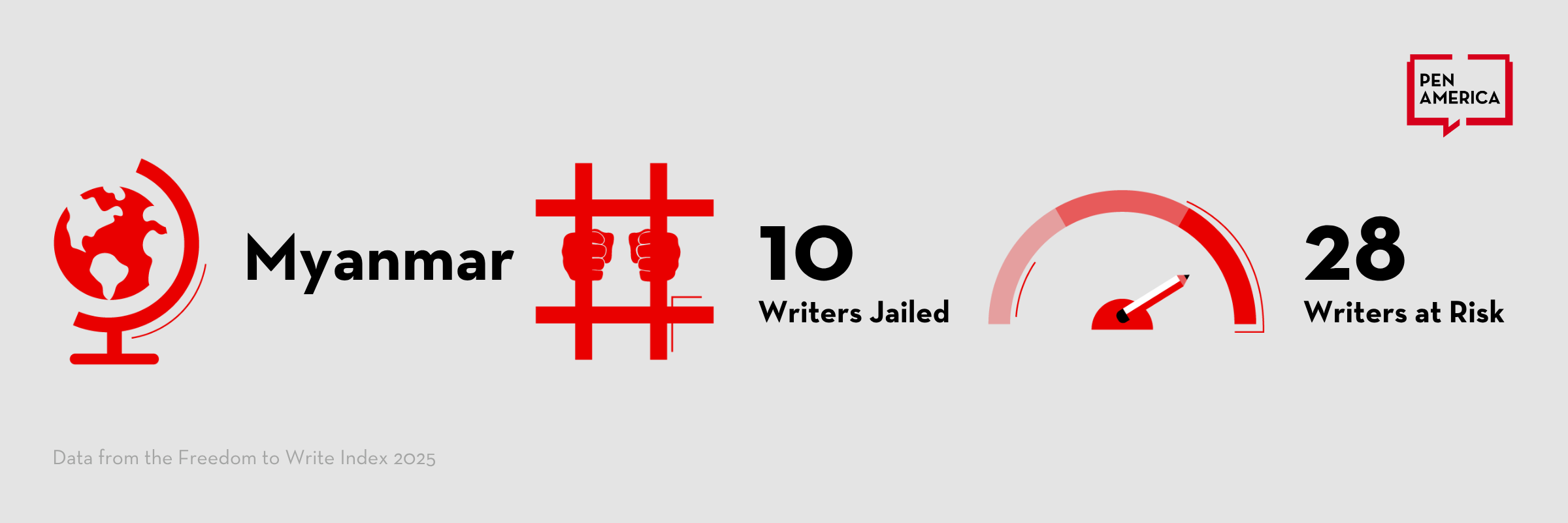
The overall environment for free expression and human rights in Myanmar remained grim in the fifth year following the February 2021 coup, as the military junta prepared for elections held starting at the end of 2025 that were denounced as unfree and unfair by international human rights groups. Although journalists continue to be regularly arrested and sentenced, and the information environment is still restricted, there were no new arrests of writers during the year, and the number of imprisoned writers remained stable in 2025 at 10, placing Myanmar in tenth place in the list of Top 10 countries of concern.
Free expression in Myanmar is tightly controlled as the military continues to restrict news and information channels; limit rights of assembly and association; and arrest, detain, and prosecute influential voices in both the political and cultural realms, as well as dozens of journalists. Myanmar’s restrictive laws—including sections of the penal code covering false news, incitement, and hate speech; national security laws and the Unlawful Associations Act; and laws covering online communications—have been used to charge and sentence a broad range of dissenting voices, including writers and public intellectuals, which has chilled expression and the ability to write freely. Writers, intellectuals, and other creative artists have played a key role in voicing support for the broad-based opposition movement to military rule, and are therefore at risk of being targeted for arrest and legal charges. Hundreds of writers, journalists, artists, activists, and public intellectuals, including many prominent or influential individuals, currently either operate from hiding within Myanmar, or have fled into exile in neighboring countries or further afield for their own safety and to avoid almost-certain arrest.
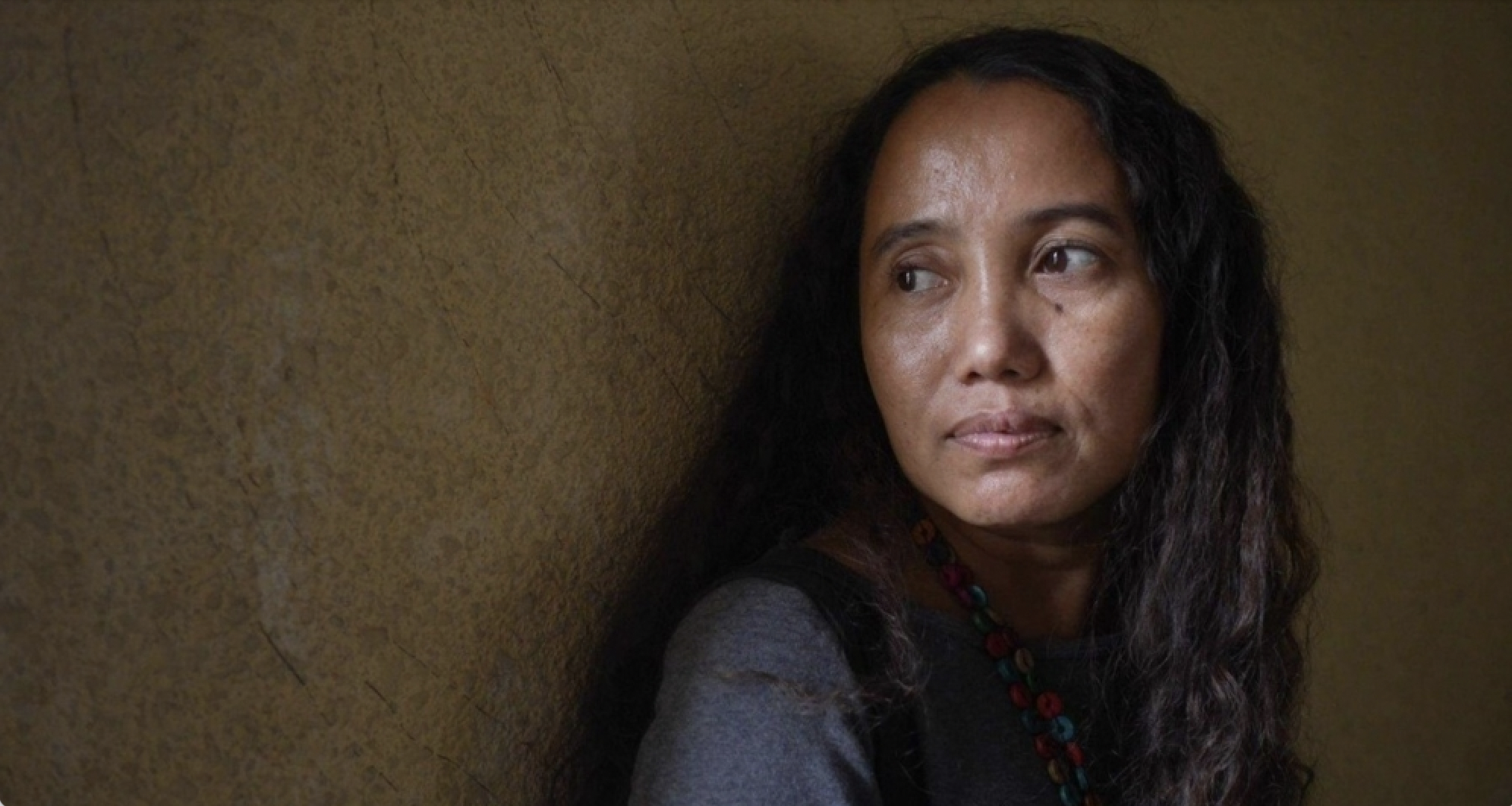
The majority of jailed writers, journalists, and creative artists included in the Index were arrested in the months following the 2021 coup, and have remained in prison after being charged under a range of laws and sentenced–in some cases to extraordinarily long prison terms. Wai Moe Naing, a writer and activist also known as Monywa Panda, was arrested in April 2021, and later found guilty of multiple counts of incitement; additional convictions on rioting and treason in 2023 and murder charges in May 2024 resulted in a combined sentence of 74 years. In June 2025, he reportedly suffered injuries after being assaulted by prison officials; despite this, he was denied medical care and continued to be held in solidarity confinement. Arakanese writer Aung Naing Myint, who writes novels under the name Min Di Par, was arrested in 2021 and is still serving a 10-year sentence on terrorism charges that was handed down in February 2022. Other writers arrested in the months following the coup are also still in jail, with little information available about their current condition.
Most commonly, writers are targeted for covering subjects such as military operations and human rights abuses in conflict zones, corruption, political developments, or official policies. Paing Pyo Myin, a member of the Peacock Generation thangyat (spoken word performance poetry) troupe who was also arrested in 2019 when their group performed wearing military uniforms, was re-arrested in 2024 and remained detained without charge in 2025, amidst concerns about his treatment in custody. The pioneering screenwriter and filmmaker Shin Daewe, arrested by the military in 2023 at a bus terminal in Yangon, remained in prison throughout 2025 as she continued to serve a 15-year prison sentence on terrorism charges. The filmmaker, who also worked for Radio Free Asia (RFA), used her platform to expose the harsh realities of life under Myanmar’s military regime. Fortunately, Shin Daewe was released in a broad new year’s amnesty in April 2026.
Other Countries of Concern
Other key countries of concern, all of which jailed between 6 and 8 writers in 2025, are Algeria, Cuba, Eritrea, and Kazakhstan. In 2025, 8 writers were held in detention in Cuba, and the government’s targeting of singer/songwriters continued – of the 8 cases, 7 are singer/songwriters, creative artists, or poets, including Maykel Castillo Pérez, a Grammy-winning songwriter, who has faced repeated arbitrary detentions and police beatings since 2018, and creative artist Luis Manuel Otero Alcántrara, a prominent cultural figure in Havana, who is serving a five-year prison sentence on the charge of “insulting national symbols.” Poet and activist María Cristina Garrido Rodríguez, who was sentenced to seven years’ imprisonment in 2022 after being forcibly disappeared for 18 days, continues to write poetry from prison. On December 31, 2024, rapper Fernando Almeras Rivera (also known as Nando OBDC) was detained on “suspicion” that he had committed “acts of terrorism against the state.” In 2025, it was reported that Rivera was being held in poor detention conditions – his family stated that he was targeted for speaking out about pollution and the use of dangerous chemicals in his neighborhood in Havana. He has faced systematic harassment for years due to his writing, as have many writers and artists in Cuba. As a result, many Cuban dissidents, poets, journalists, and former political prisoners are today also living in exile. Out of the 33 cases of Cuban writers at risk in our Database, 16 are currently displaced or in exile.
The government of Eritrea continues to arbitrarily detain the world’s longest-jailed writers, who have been held for almost a quarter century. President Isaias Afwerki, who has ruled Eritrea since it became independent in 1993, meted out their collective, unjust detention following calls for government reform in open letters published in the media. In response, starting in September 2001, he shut down all independent media in the country and jailed writers, journalists, and dissidents – some of the country’s most significant voices of culture. One exiled Eritrean journalist described this ban as the inception of “Eritrea’s transformation into a police state.” Poet Amanuel Asrat established “Saturday’s Supper,” a literary platform that inspired arts clubs across the country; he also co-founded and served as editor-in-chief of the newspaper Zemen. Dawit Isaak is a playwright, poet, and founded Eritrea’s first independent weekly, Setit. None of the six writers included in the Index have been charged, tried, or able to make contact with the outside world since they were detained. Still, family members and human rights advocates – including the PEN network – persistently call on the Eritrean authorities to demonstrate proof of life for the writers and journalists detained in 2001 and, ultimately, release those who are thought to be still alive. In December 2025, after a diplomatic visit to the capital Asmara, Sweden’s minister of foreign affairs announced it believed writer Isaak, a Swedish-Eritrean citizen, was alive despite a lack of concrete evidence. As of 2025, the number of detained writers declined from 7 to 6 – not because of a release, but because writer, politician, and critic of the Eritrean government Berhane Abrehe died in solitary confinement after years in prison.
Kazakhstan reported more than five cases for the first time – all six are online commentators, demonstrating an acute targeting of the online spaces for expression. Temirlan Yensebek was detained in January 2025 under accusations of “incitement” due to a satirical song he had written called “Yo, orystar” (“Yo, Russians”). He was released in April 2025, but sentenced to 5 years of restricted freedom and banned from political activity. Kazakh blogger and economist Danat Namazbaev was arrested and charged for his criticism of Russia and the invasion of Ukraine in 2019. In 2022, he was found guilty of “incitement to usurp power by force,” citing his online posts on Russia as far back as 2018. As of 2026, he is still in prison. This is the first year Kazakhstan is tracked as a key country of concern, and it is in line with a general, alarming uptick in cases throughout Central Asia.
Algeria also reported six cases in 2025. Poet and activist Mohamed Tadjadit was re-arrested in January 2025 on terrorism-related charges and sentenced to five years in prison, later reduced to one year on appeal. By November, he faced an additional charge carrying the death penalty — solely for his poetry and peaceful activism. Historian and author Mohamed Al-Amin Belgaith was arrested in May after a televised interview on Amazigh identity sparked backlash. He was charged with undermining national unity, inciting hatred, and attacking national symbols, and held in pretrial detention before being sentenced to five years, later reduced to three with two suspended on appeal. Meanwhile, French-Algerian novelist Boualem Sansal was pardoned and released in November 2025 after spending a year in custody on national security charges.
Conclusion and Recommendations
Conclusion
The findings in this year’s Freedom to Write Index point to more than a continued rise in cases of imprisoned writers—they show an evolving global playbook for silencing writers and undermining free expression and access to information and diverse viewpoints for everyone. Governments are not only imprisoning writers in greater numbers; they are refining how repression operates, relying on a mix of legal ambiguity and over-reach, administrative and pre-trial detention, exile, and other forms of harassment to create a hostile and punitive environment for writers.
This broader ecosystem of repression is reflected in the expansion of PEN America’s Writers at Risk database, which now exceeds 1,000 cases for the first time. Although jailing remains the most visible form of repression and represents the largest category in the Database, the increasing number of writers displaced or forced into exile may well signal a broader evolution in tactics—the removal of voices from the public life of their countries. The result is a no less effective form of silencing.
At the same time, the profile of those targeted continues to evolve. The number of jailed online commentators has surged from 80 in 2019 to 212 in 2025, highlighting the central role of digital platforms in free expression and in state efforts to control it. The imprisonment of scholars has also risen sharply in the last year alone, from 68 in 2024 to 81 in 2025, pointing to mounting threats to academic freedom worldwide. These trends resonate beyond the countries where arrests occur; they speak to a global climate in which intellectual inquiry and public discourse are increasingly fraught.
These developments are unfolding against a backdrop of ongoing and emerging conflicts, where the control of narrative is essential to the exercise of power. As geopolitical tensions deepen, the pressure on writers is likely to intensify and not only in countries usually associated with repression, but in places where writers, including those who fled repression, were safer. Notably, the 2025 Index marks the first inclusion of the United States, following the detention of Sami Hamdi in immigration custody. This signals that the erosion of free expression is not confined to authoritarian contexts, where it has long been noted as a lead indicator of broader democratic declines. Instead, it is emerging, albeit in different forms, within democratic countries, particularly during periods of heightened political tension. While a single case does not place the U.S. among the world’s leading jailers, the fact that the 400-case threshold was crossed due to a U.S. detention tied to pro-Palestinian expression is a stark reminder that the suppression of free expression is a threat everyone faces – and why solidarity is essential.
The persistence of repression also underscores the enduring importance of writers themselves. Despite the risks, individuals continue to speak, write, and imagine. Their work challenges official narratives, preserves cultural memory, and insists on the possibility of accountability. The trajectory is also not inevitable. The releases secured in Belarus and Egypt over the past year, however limited, demonstrate that sustained attention and coordinated advocacy over many years will yield results. They offer a counterpoint to the broader trends documented in this Index: that pressure matters, that visibility matters, and that international solidarity with imprisoned writers and writers at risk can make a difference.
Recommendations
Top 10 Countries of Concern
The Top 10 countries jailing writers should:
- Immediately and unconditionally release all writers in detention for their speech, including those in pre-trial and administrative detention.
- Drop charges and end prosecutions of writers related to their free expression rights.
- Ensure writers in detention are held in conditions consistent with international human rights standards, including access to their family, legal representation and health care.
- Lift legislative and other restrictions on free expression that are not consistent with international human rights laws and standards.
- In cases where restrictions are imposed to protect national security and public order, ensure that the least intrusive restrictions are applied to realize those goals.
National governments that support global free expression
Governments that explicitly support free expression as a human right should actively seek ways to protect individual writers in or from countries where free expression is at risk, and ensure their voices can be heard. Governments should:
- Support the creation of an international normative framework that recognizes the unique role that writers play in society preserving culture and defending free expression, and that advances their security and protection and freedom to write.
- Support efforts to end impunity for human rights violations and crimes against writers exercising their free expression by calling for and supporting diligent and impartial investigations, speaking out about due process violations, and encouraging domestic efforts to hold perpetrators accountable.
- During bilateral discussions with countries that have imprisoned writers for exercising their right to free expression, actively advocate for their immediate release. Emphasize the importance of ensuring these individuals receive adequate medical care, fair legal representation, and due process in accordance with international human rights standards.
- Expand pathways for protection and relocation of at-risk writers, including by
- strengthening third-country resettlement options for writers at risk.
- greater coordination among governments, universities, and civil society actors to accommodate the needs of writers at risk.
- Ensuring that displaced or exiled writers facing transnational repression receive adequate protection and support.
- Monitor criminal trials and other judicial and administrative proceedings against writers and speak out publicly about due process violations and unjust verdicts.
- Seek information about writers at risk from independent sources, including family members, legal representatives, and civil society, in order to advocate on their behalf.
- Where possible, provide financial and other forms of assistance directly to writers at risk and/or to civil society organizations that assist them. Comprehensive and flexible support should include:
- The creation and expediting of special visa procedures or visa waivers that allow writers fleeing persecution to safely enter and legally remain in countries where they are safer, and procedures to extend such visas or issue special travel documents in cases where writers need to extend their exile due to ongoing risks at home.
- Emergency and long term financial support that is sufficient to allow writers to protect themselves from persecution and to continue to write.
- Recognize the diversity of writers and ensure that measures to protect and support them take into account gender, sexual orientation, religion, language, national origin, race/ethnicity, and other forms of discrimination that may affect issues of access and put individuals at greater risk.
These governments should also regularly press repressive states to:
- Repeal laws that limit free expression, including those that criminalize speech and writing, and those that restrict the space for independent media and human rights organizations —e.g., “foreign agents” laws.
- Ensure access to an open and free internet, including defending its core principles in internet governance forums and funding public interest technology that supports internet freedom, and condemning the use of prolonged internet shutdowns that limit people’s ability to communicate and share information.
- Stop the growing practice of transnational repression, prosecute foreign governments that target writers on their own country’s soil and ensure the safety of writers in exile in their countries who may be at risk of transnational repression.
- Refrain from enacting “false” news and cybercrimes laws that can be used to target writers and undermine free expression.
- Refrain from using counterterrorism, public security, and similar laws, to prosecute writers or the exercise of free expression.
- Issue standing invitations to UN Special Procedures and actively facilitate visits from those whose mandates intersect with free expression.
Donors
Donors, whether they are private institutions or governments, have enormous power to promote free expression and protect writers, including by publicly condemning attacks against free expression and writers. They should:
- Support the translation and publication of persecuted writers’ work.
- Provide financial support for emergency assistance funds, residency and fellowship grants, and project awards.
- Provide financial support to civil society organizations that work with writers and/or advocate for free expression.
- Provide financial support for independent local and diaspora media.
United Nations Special Procedures
Special Procedures, as independent human rights experts, can use their roles to call attention to violations of free expression and the particular role that writers play in advancing free expression and the risks they face to do so. They should:
- Monitor and report to the UN Human Rights Council on violations of free expression that intersect with their mandate, and follow up with the Council if it fails to act on areas of concern.
- Use their public platforms and closed door high-level meetings to call for the immediate release of writers in prison and the end of any persecution and harassment.
- If invited on a country visit, ensure that independent civil society experts, academics, and human rights activists are consulted and publicly push back if necessary on government efforts to control access.
UN entities should monitor and call out instances of retaliation against human rights defenders and others who cooperate with the special procedures and other UN mechanisms.
Methodology
About the Freedom to Write Index and the Writers at Risk Database
The 2025 Freedom to Write Index is a count of the writers who were held in prison or detention during 2025 because of their writing or for otherwise exercising their freedom of expression. Individuals must have spent at least 48 hours behind bars in a single instance of detention between January 1 and December 31, 2025. We define imprisonment when an individual is serving a sentence following a conviction, while detention is defined as individuals held in custody pending charges, or those held in pre-trial or administrative detention.
The cases included in the Index are drawn from PEN America’s Writers at Risk Database. The Index and Database also draw from PEN International’s Case Lists which reflect input from PEN Centers around the world. We also draw from public press and social media reports; information received directly and indirectly from the families, lawyers, and colleagues of those in prison; and data from other human rights, press freedom, academic freedom, and free expression organizations. The methodology behind the Index is explained in greater detail here.
Individuals in the Index and Database primarily write literature, poetry, or other creative writing; essays, nonfiction or academic writing; or opinion/analysis articles; or they provide online commentary. Journalists are included if they are also opinion writers or columnists. Scholars and activists are included where they also fall into one of the categories above or are opinion writers or columnists.
Speech is vetted in line with PEN International’s approach: “The Writers in Prison Committee works on behalf of those who are detained or otherwise persecuted for their opinions expressed in writing, including writers who are under attack for their political activities or for exercising their profession, provided that they did not use violence or advocate violence and racial hatred.” In practice, we also include hatred against ethnic or religious groups, LGBT groups, and gender in this caveat. This test means that we include writers in the Index and Database whose speech is offensive and inappropriate, but exclude writers who advocate violence or hatred. We make this determination by assessing as much written content as we are able to source and follow as far as is possible the principles set out in the Rabat Plan of Action. We assess this on a case by case basis.
The compiling of the data for the Index is an ongoing process and PEN America adds cases retrospectively. Thirty-five cases were added retrospectively to the 2024 Index. These cases included individuals who were imprisoned in or before 2024, but where sufficient details only became known to PEN America while we were compiling the 2025 Index. These cases typically occur in the world’s most closed environments for expression and information.
The Freedom to Write Index is an essential component of PEN America’s long-standing Writers at Risk Program, which encompasses support for and advocacy on behalf of writers under threat around the world. Another flagship component of PEN America’s year-round advocacy is the PEN/Barbey Freedom to Write Award, given annually to an imprisoned writer targeted for exercising their freedom of expression. Of the 55 jailed writers who have received the Freedom to Write Award from 1987 to 2025, 46 are currently released due in part to the global attention and pressure the award generates. For more details, please see our full methodology.
Acknowledgments
The Freedom to Write Index report was written by PEN America staff members: Karin Deutsch Karlekar, the Director of Writers at Risk; Hanna Khosravi; Asma Laouira; and Erika Nguyen. Hanna Khosravi is the manager of the Writers at Risk Database and prepared the data on writers in prison and at risk for publication.
The report was edited by Liesl Gerntholtz, Managing Director of the PEN/Barbey Freedom To Write Center. Summer Lopez, Co-CEO of PEN America, and Eileen Hershenov, Senior Counsel provided essential review and guidance.
PEN/Barbey Freedom To Write Center interns and consultants, including AA, AL, BH, KA, NS, and ZB, provided essential support with research, data analysis, drafting, references, and fact-checking throughout the year.
PEN America is deeply grateful to PEN International—both the Secretariat and the Writers in Prison Committee (WiPC)—for its collaboration on this project. PEN America also thanks the Edwin Barbey Charitable Trust for their generous support.
Learn More
-
Freedom to Write Index 2025
For the first time ever, the Freedom to Write Index documented more than 400 writers in prison in 2025, including in the United States.
-
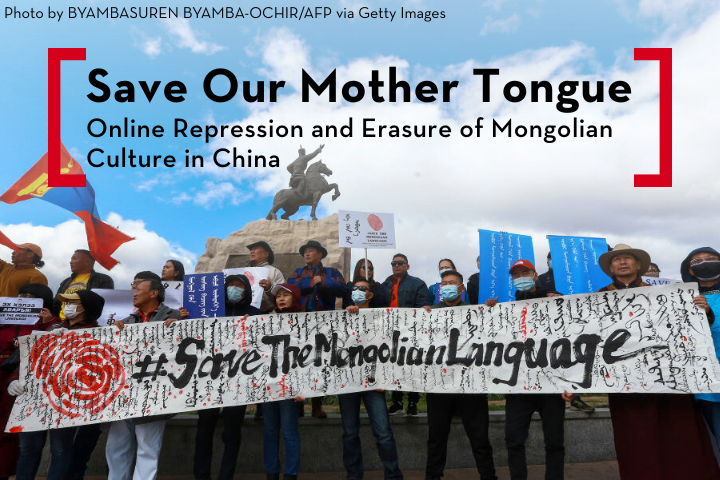
“Save Our Mother Tongue”
Beijing has silenced Mongolian voices, all the while expanding its arsenal of tactics to influence the information ecosystem.
-
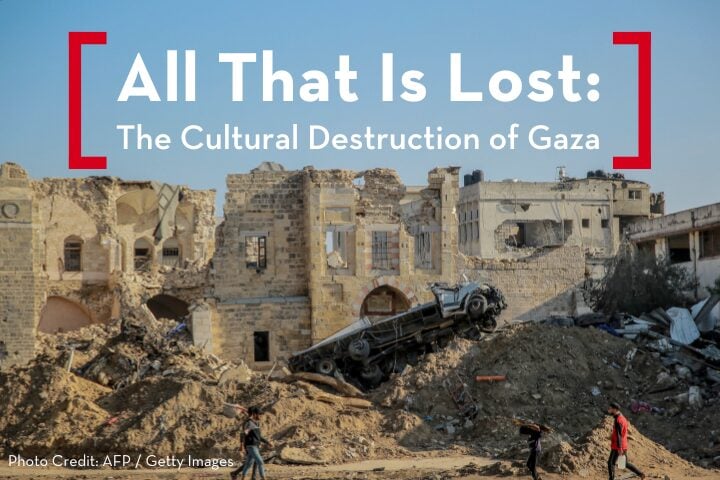
All That Is Lost
The war has inflicted a catastrophic blow to Gaza’s cultural life and heritage, erasing records of Palestinian history that go back hundreds of years.
-
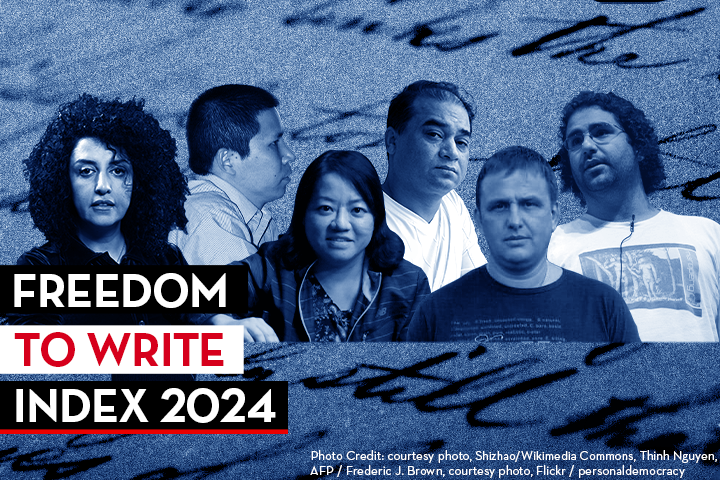
Freedom to Write Index 2024
The number of writers jailed reached a new high, with at least 375 behind bars in 40 countries during 2024, compared to 339 in 2023.
-

Freedom to Write Index 2023
Introduction Authoritarian regimes instinctively understand the significant role that writers—and, by extension, free expression—play in promoting critical inquiry, fostering connections between people, and cultivating visions of a better world anchored in fundamental human rights. They recognize the power of words to affirm historical truths, develop or maintain culture, and hold individuals and institutions to account.…
-
Taming Culture in Georgia
Read “Protecting the Real Georgian Dream,” an introduction by PEN America President Ayad Akhtar >> წაიკითხეთ ეს მოხსენება ქართულად >> Читать доклад по-русски >> Download this report in English >> Introduction For many years, Georgians and the international community had high hopes that Georgia would be the democratic and rights–respecting foothold in a region of, at worst, authoritarian countries…