
Safety & Online Abuse
Harassment and threats stifle free speech.
Threats, harassment, and other intimidation tactics are deployed, online and off, to undermine free expression. Writers and their allies—including authors, journalists, scholars, and librarians—are explicitly targeted for their professions and their identities, particularly if they are women, people of color, LGBTQ+, have a disability, or belong to religious or ethnic minorities. From violent threats and stalking to doxing, hateful slurs, and gender-based harassment, writers and their allies are increasingly subjected to relentless digital, physical, and psychological attacks. Such attacks can cause significant physical and psychological harm, leading to self-censorship and silencing.
PEN America is committed to supporting writers and their allies in the face of abuse, threats, and other safety risks so they can continue their vital work. We approach safety holistically because the digital, physical, legal, and psychological aspects of safety are often intertwined. Through our safety and online abuse defense programming, we: provide safety training and resources; collaborate with organizations—including newsrooms, publishers, universities, libraries—to strengthen safety policies and protocols; conduct research and advocacy on safety and free expression; and work in coalition with partner organizations to defend free expression.
What You Need to Know
73% of women journalists globally have experienced online abuse
More than half (53%) of faculty are concerned that their work will make them the target of online harassment
⅓ of writers censored their work as a result of online harassment
Statistics courtesy of UNESCO/ICFJ, 2021
Courtesy of The American Association of Colleges and Universities (AAC&U), 2025
Statistic courtesy PEN America, 2017
Is your organization concerned about safety because of your work?
If you are interested in learning more about our training program or partnering with us, please contact our team at digitalsafety[at]pen.org.
Resources
Reports
PEN America produces original research on digital safety, online harassment, moderation tools, and more.
-
Treating Online Abuse Like Spam
-
The Power of Peer Support
-
Shouting into the Void
-

No Excuse for Abuse
Blogs & News
-
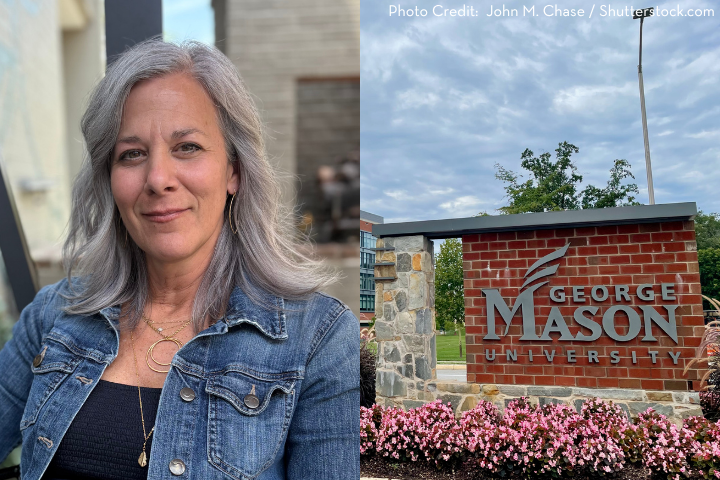
When a scholar is targeted, what should a university do?
-
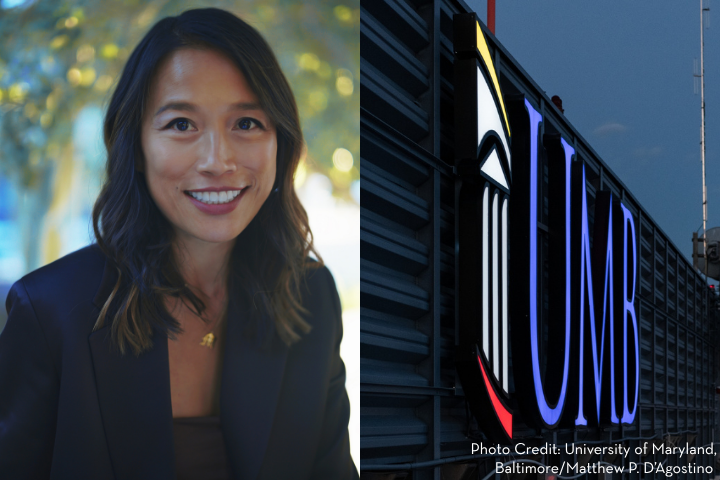
What It’s Like To Get Placed On A Professor Watchlist
-
Librarians increasingly face online abuse. Here are three steps they can take to protect themselves.
-
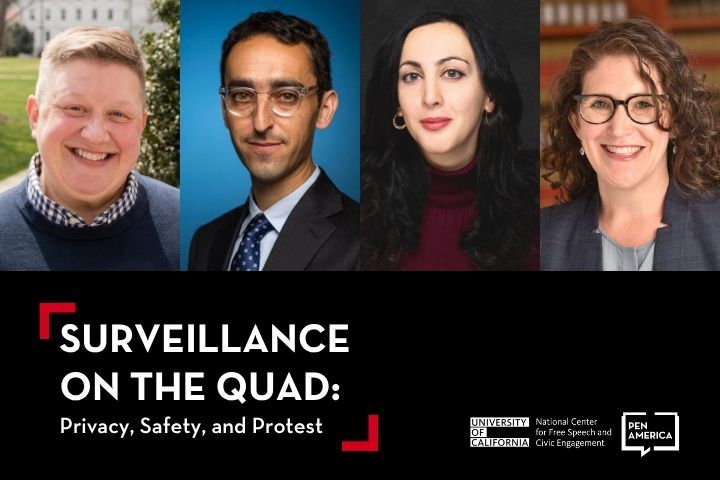
What You Need to Know About the Free Expression Implications of Surveillance Technology on Campus
-
How Can Editors and Managers Support Journalists Facing Online Abuse?
-
How can small and local newsrooms protect journalists from online abuse?
Our Experts
-
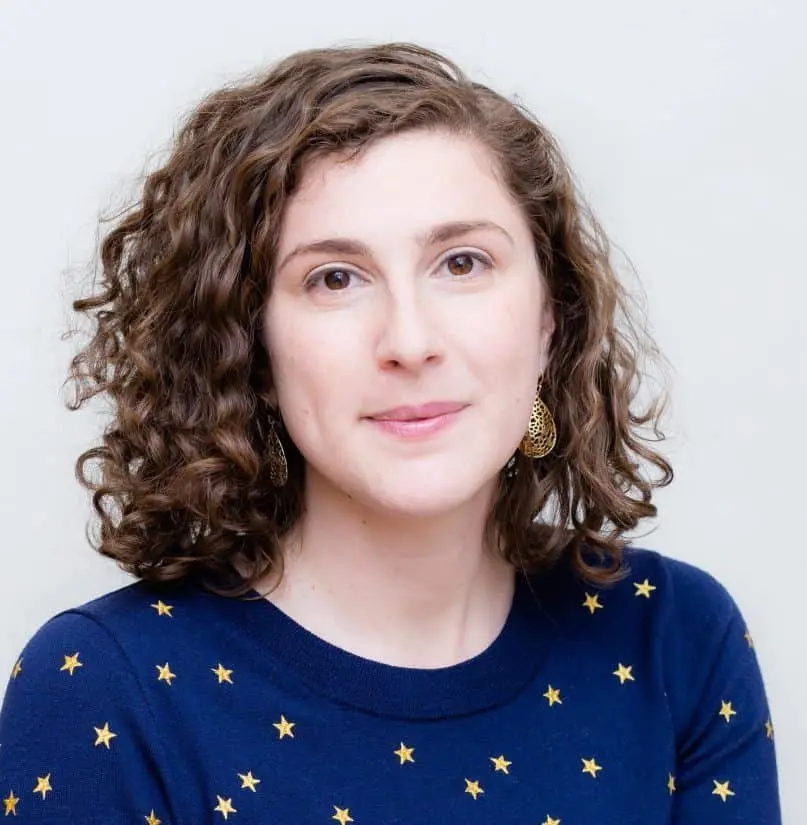
Viktorya Vilk
Director, Digital Safety and Free Expression
-
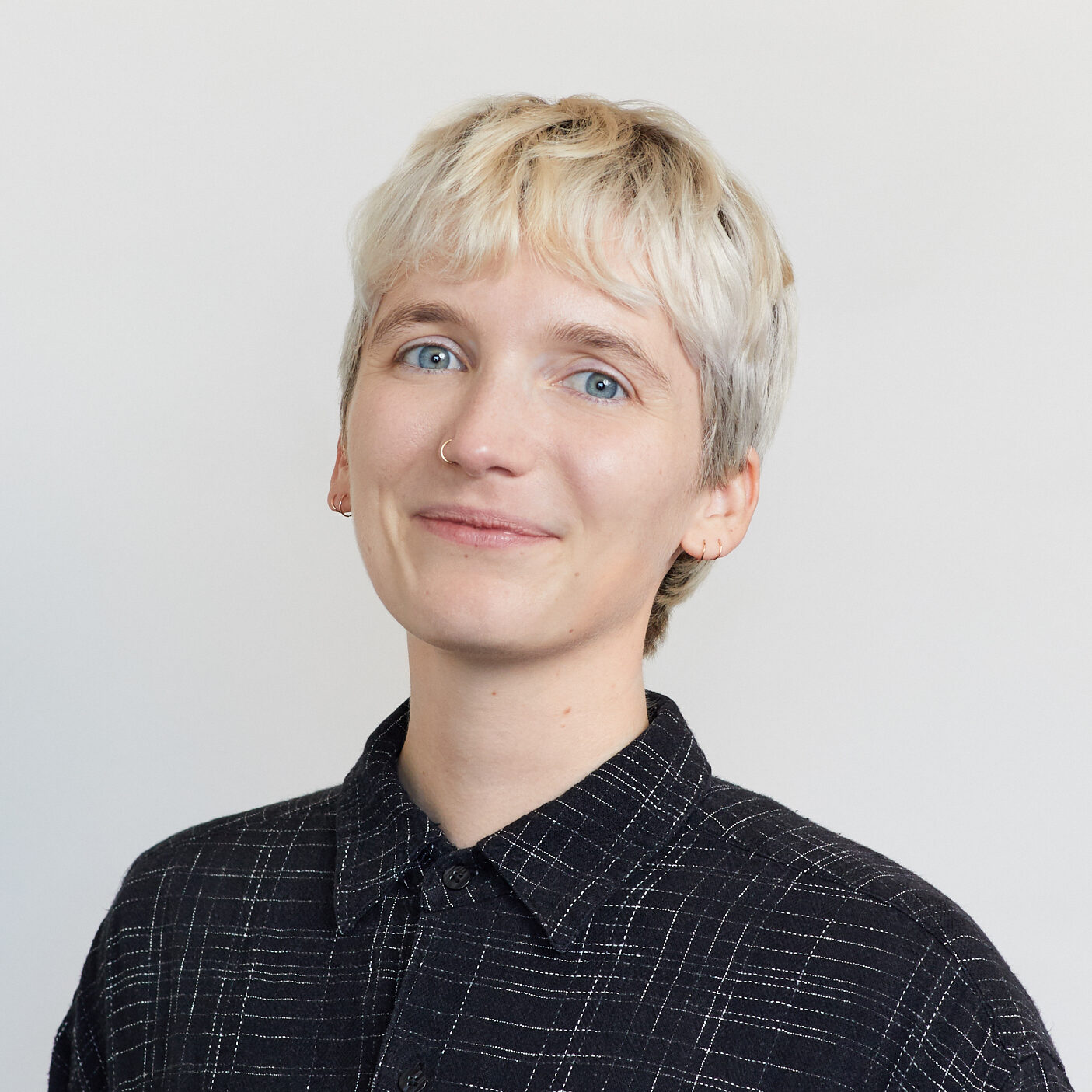
beck Haberstroh
Senior Manager, Safety Training & Education
-

Amanda Wells
Program Coordinator, Digital Safety & Free Expression
-
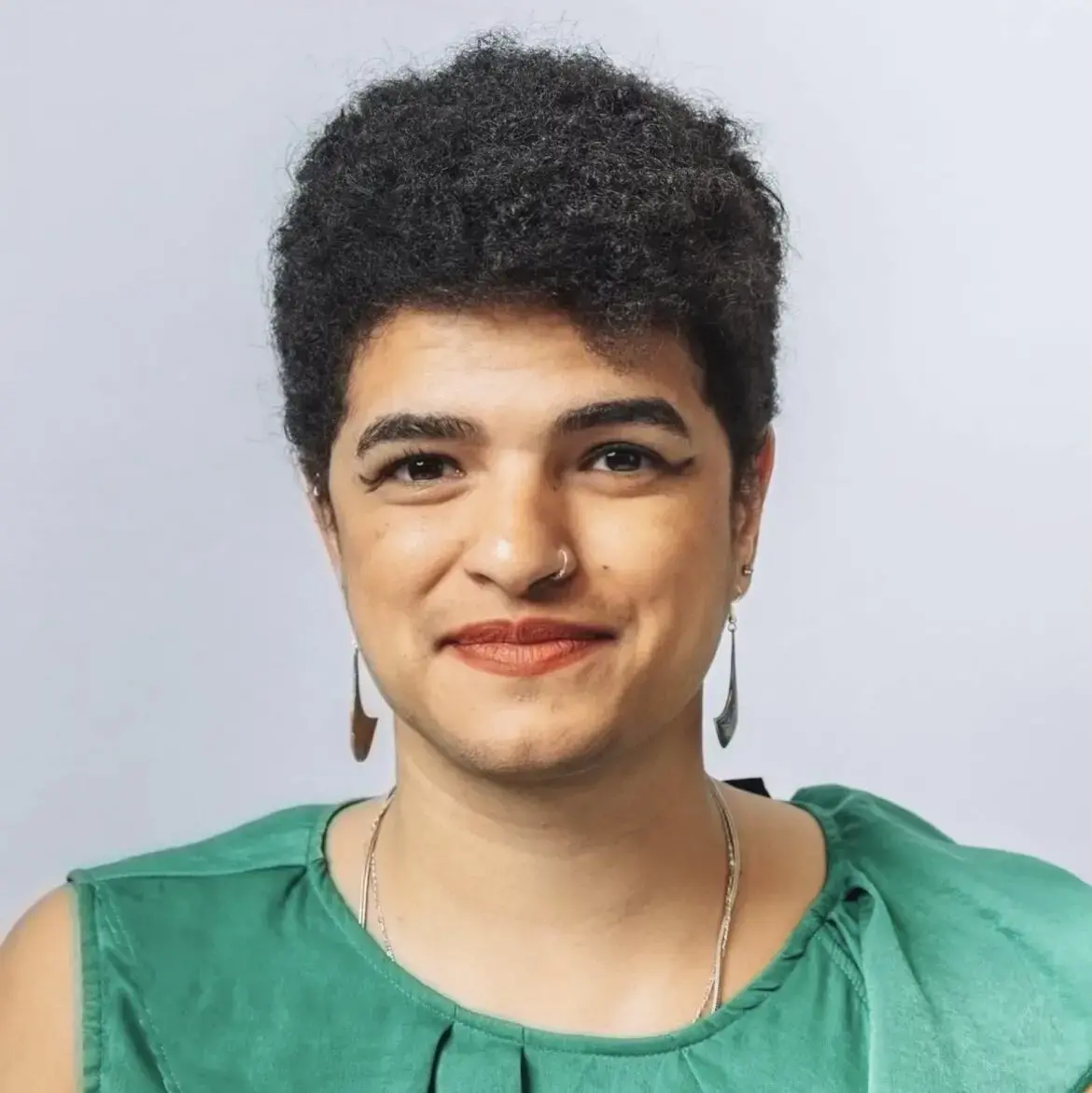
Jeje Mohamed
Consultant and Trainer, Digital Safety and Free Expression
-
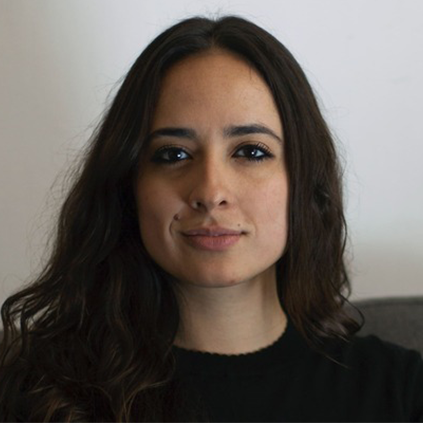
Gisela Pérez de Acha
Consultant and Trainer, Online Abuse Defense Program
-
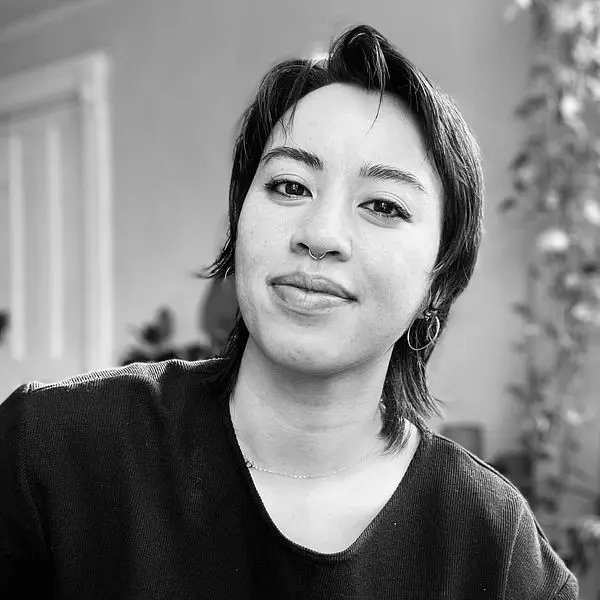
Mari Galicer
Consultant and Trainer, Online Abuse Defense Program