The United States has prided itself on its commitment to free speech and a free press. But the case of Mario Guevara presents a stark contradiction.
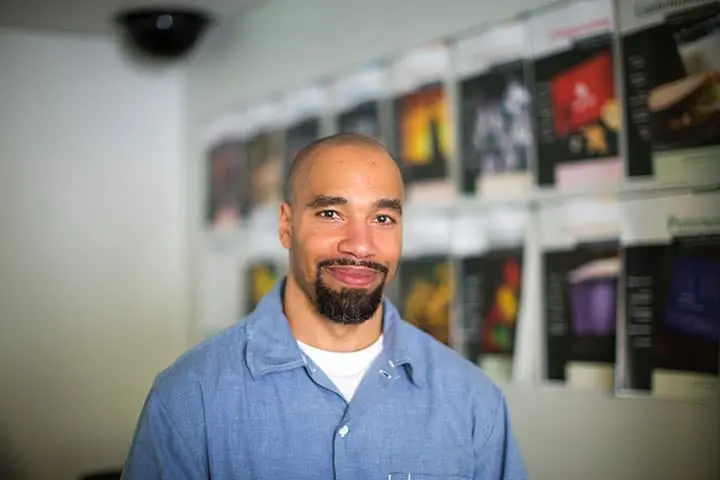
Guevara, a journalist who has called the United States home for two decades, is facing imminent deportation to El Salvador, not for any criminal act, but as a result of his reporting on law enforcement activities and content he has livestreamed or published.
The Board of Immigration Appeals issued a final removal order, and in doing so, marked a perilous moment for press freedom in the United States.
Arrested while covering a “No Kings” protest in Georgia in June, Guevara was charged with obstructing police and unlawful assembly for briefly stepping onto a road from a sidewalk. These charges were quickly dismissed and an immigration judge granted his release on bond. Despite that, and the fact that Guevara has work authorization in this country, he has been detained in ICE custody for over 100 days and now faces imminent deportation.
Federal authorities have explicitly cited his reporting on law enforcement activities as justification for targeting him. This unfounded rationale shows the U.S. government views certain types of reporting as a threat, mirroring a stance more reminiscent of authoritarianism than democracy.
Guevara left El Salvador for the United States — long a refuge for journalists fleeing persecution — more than 20 years ago after facing threats, harassment, and violence for his work as a journalist. To send him back sends a message to at-risk journalists everywhere that this country is no longer a safe haven.
Beyond Jimmy Kimmel’s brief suspension and the FCC’s pressure on private companies and editorial content, Guevara’s case represents something just as alarming: the U.S. government moving to deport a journalist in retaliation for his reporting. It’s another example of the government using its power to silence dissent.
Guevara’s story is part of a broader, more insidious pattern. The White House is waging an unprecedented campaign against the media, employing a combination of lawsuits, regulatory pressure, and public attacks. The president has personally sued major newspapers like The Wall Street Journal and The New York Times, stripped funding from public media outlets (via a compliant Congress), and pushed the FCC to revoke broadcast licenses over negative coverage. “They give me only bad publicity, press. I mean, they’re getting a license. I would think maybe their license should be taken away,” Trump said.
The Pentagon’s recent requirement for journalists to sign a pledge not to report information without prior approval further exemplifies the administration’s efforts to control the narrative and suppress independent journalism. The effects are being felt globally, with the dismantling of the Voice of America and other government-funded news outlets, and proposed strict changes to visas of foreign journalists reporting in the United States.
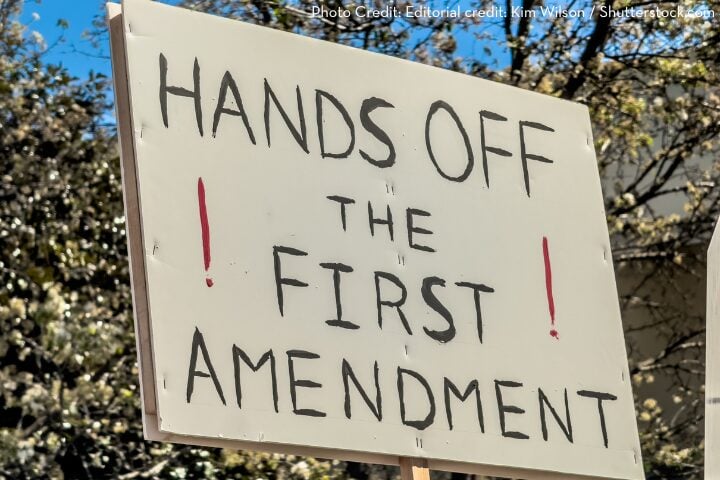
If carried out, Guevara’s deportation would show that the United States is willing to punish journalists for their reporting, undermining the principles upon which this nation was founded. This is not just about one journalist or about immigration policy, but the health of free speech, our democracy, and the protection of the rights that sustain it. The government must reconsider its decision and allow Guevara to remain in the country and continue his work without fear of retaliation. We must stand firm in our commitment to free speech and a free press.
Everyone who values a free press and due process should raise their voice — contact lawmakers, post on social media, and speak out in their communities — to insist that the United States is a place where journalists can report without fear and where civil rights and the rule of law are respected and upheld.