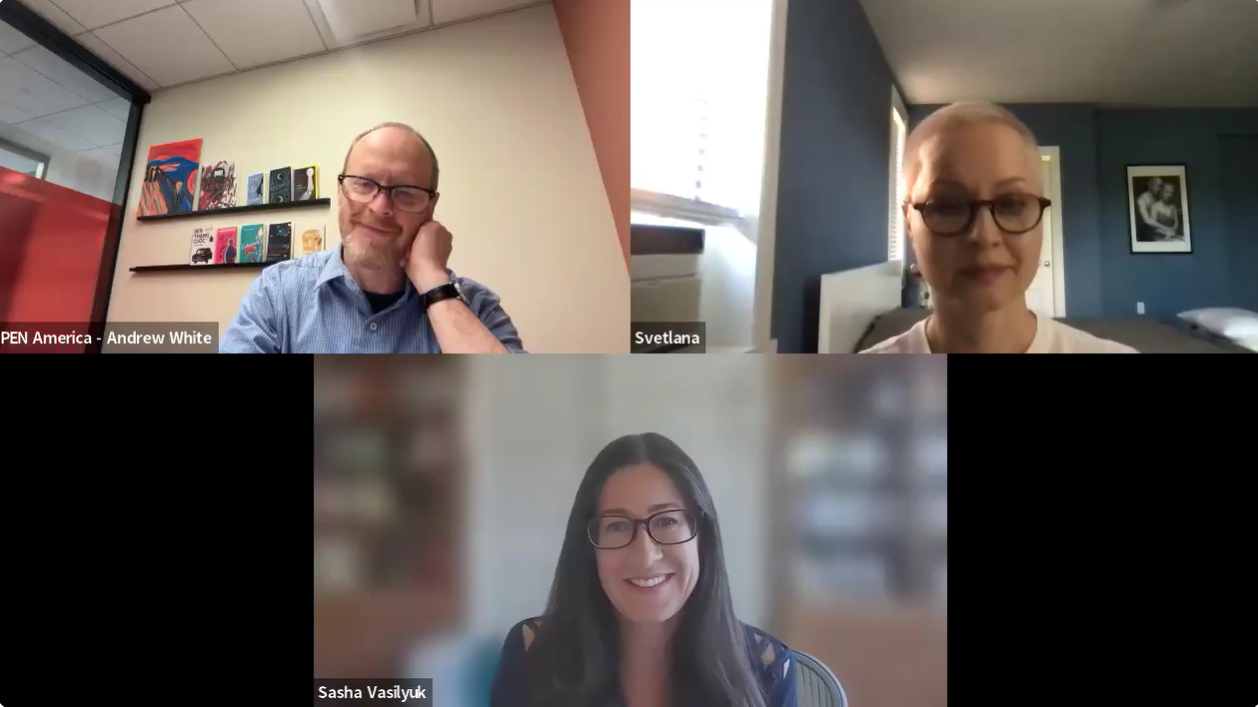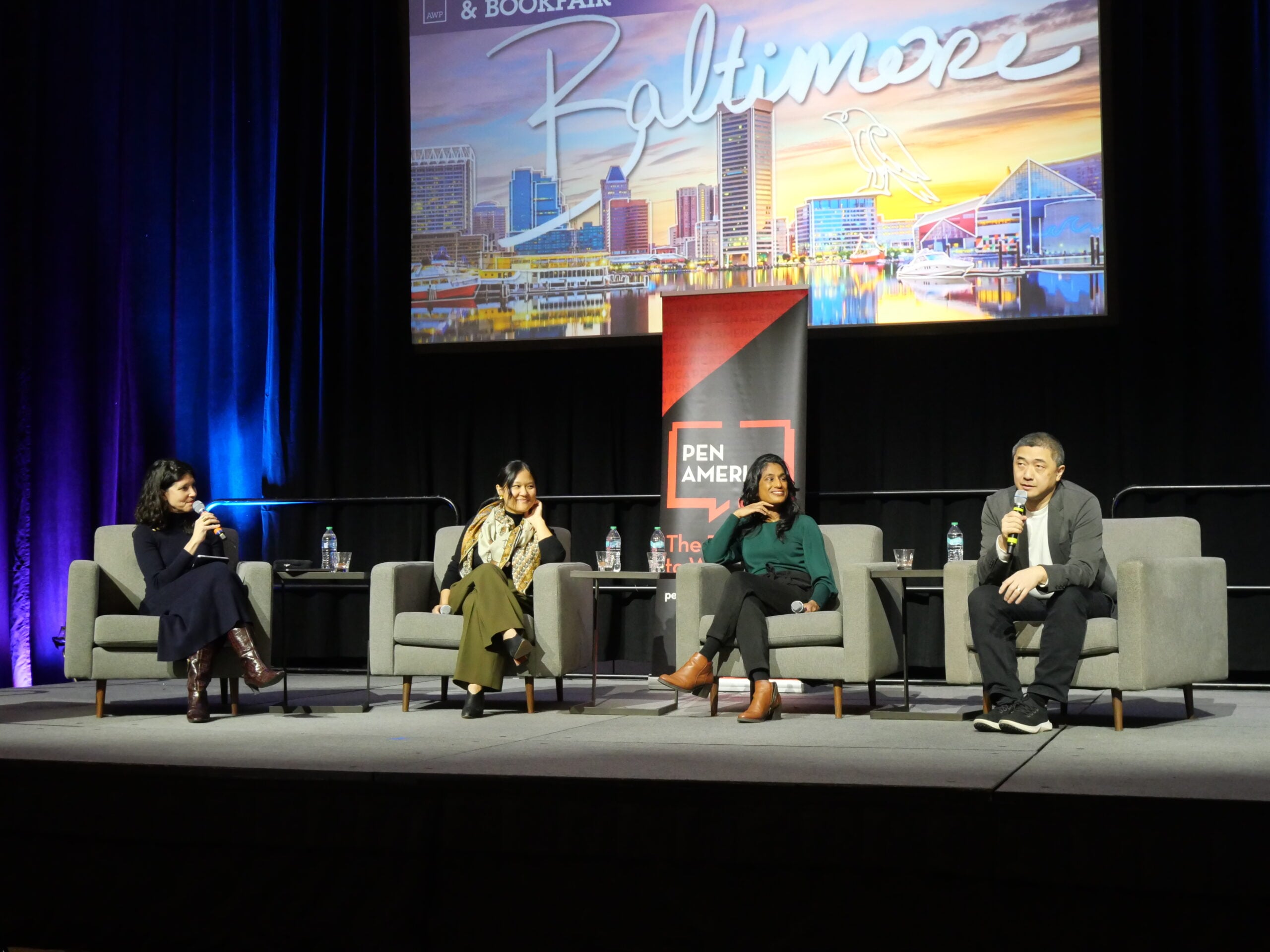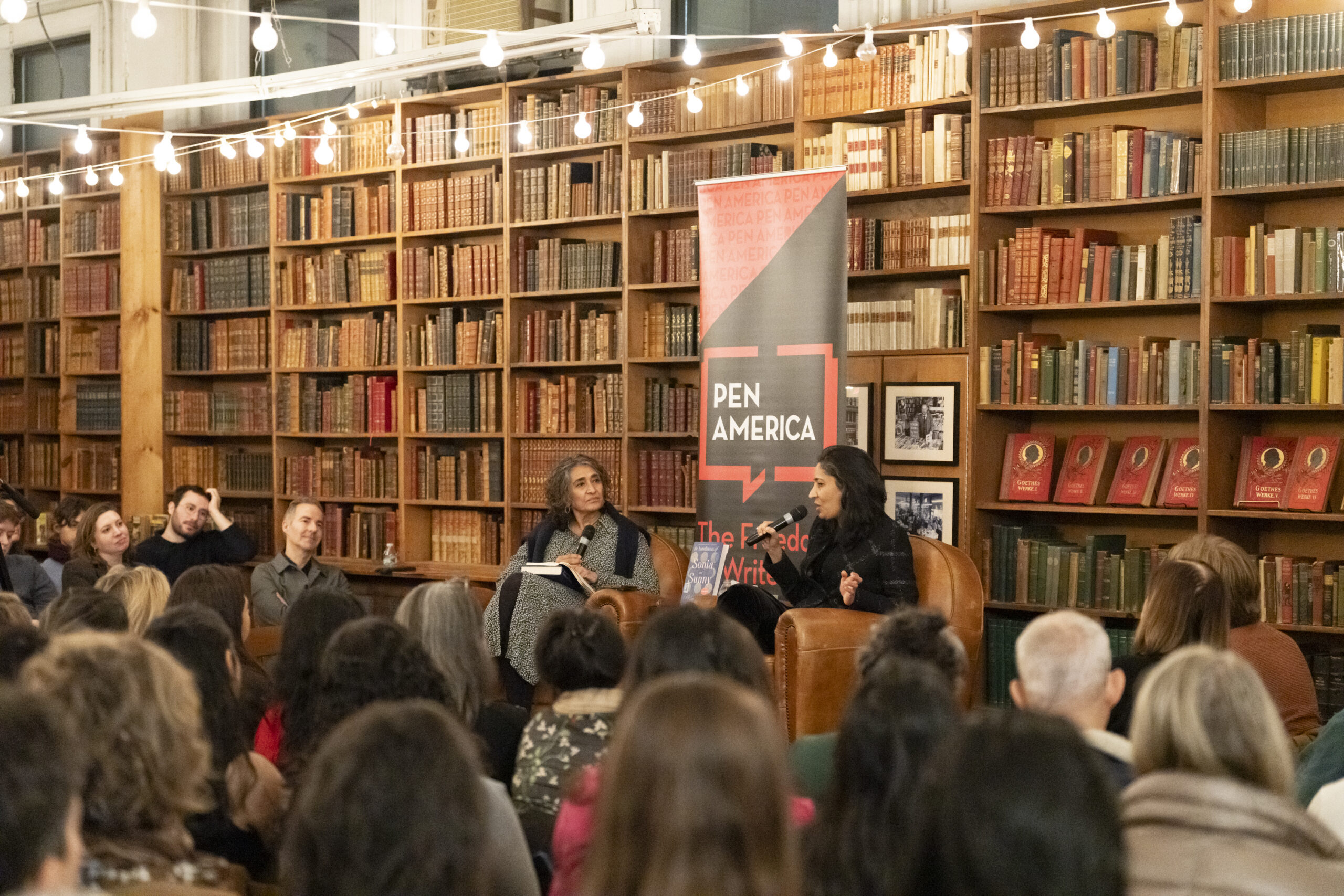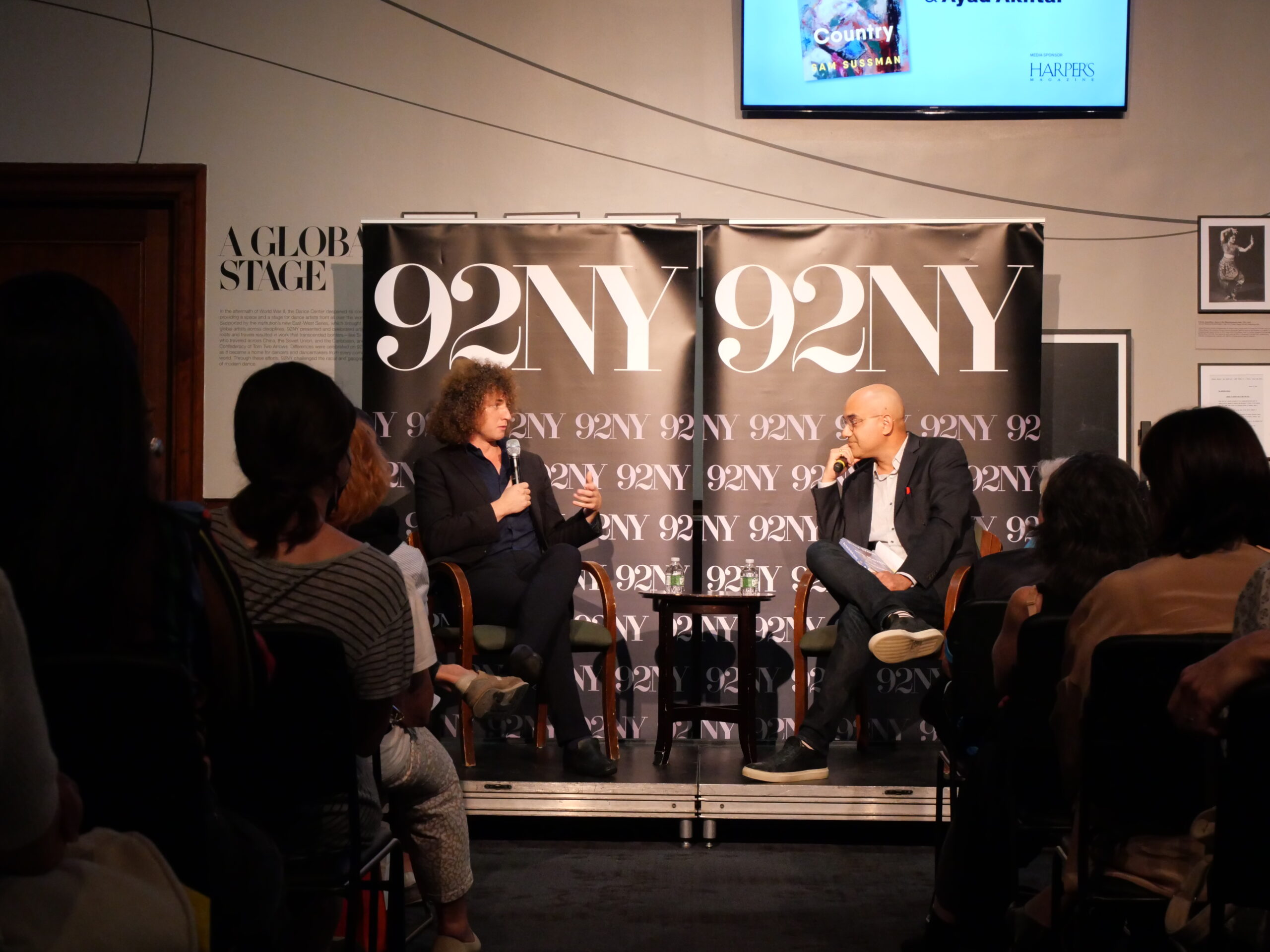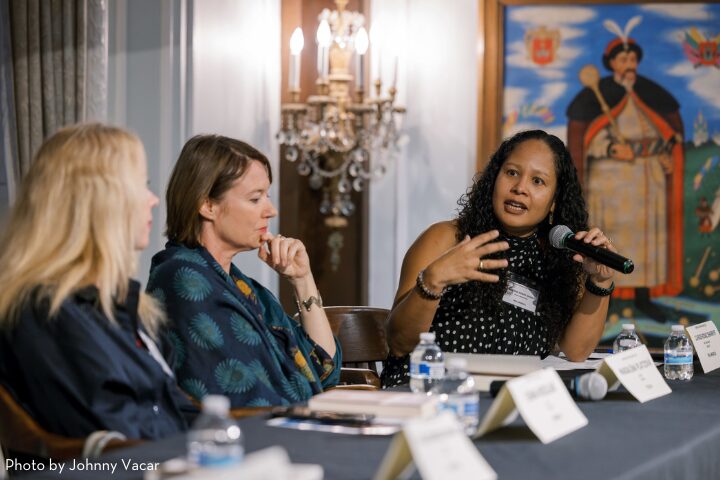
For the final installment of You Are A Writer, PEN America’s workshop series for early-career writers, four industry experts delved into how a book makes its way from a writer’s hands onto shelves. They discussed what agents, editors, and publicists are looking for in proposals and manuscripts, how writers can find the right path for their book’s publication, and why they should never quit their day jobs. Scroll down to read five takeaways from the discussion.
Moderated by Sarah Bowlin, a senior literary agent at Aevitas Creative Management, the session featured Juli Kiyan, editor and associate director of publicity at Penguin Press, Kate Gale, co-founder and managing editor of Red Hen Press, and Liz Garriga, senior director of publicity at Little, Brown.
If you missed them, catch up on the earlier sessions of You Are A Writer.
1. Sweep readers off their feet with your manuscript.
Kicking off the session, Bowlin asked the panelists what they’re looking for in any given submission. Kiyan responded that when it comes to fiction, the writing needs to leap off of the page and wow readers.
Garriga agreed. “Really, it’s just about an immersive reading experience,” she said. “So that’s the good news there: You just have to enchant someone with the writing.”
Later, Bowlin stressed that you should contact agents only once you have a complete (and thoroughly edited) manuscript. “My dad had the very cheesy [saying], ‘You only get one chance at a first impression,’ but it is true in the sense that I have 700 unread novels in my inbox right now and the only way that I get through that material is for something to really stand out,” she said.
2. Figure out how to maximize media hits.
When it comes to nonfiction, writers often won’t be passing along a full draft but rather a proposal along with their resume, clips, and contacts. And while contacts aren’t the end all be all for nonfiction authors, they are certainly taken into consideration, the panelists said.
“As much as we don’t want to talk about that, a big part of the deal process is ‘What are you bringing to the table?’” Garriga said. “We’re helping to assess what the author is bringing in terms of contacts and ability to reach the press.”
In addition to their contacts, Kiyan said she takes an author’s background and expertise into account when evaluating whether the press might take interest in them. “When I put my publicist hat on, [I ask,] ‘What would make them appealing to media in terms of pitching someone?’” she said. “Why would someone at NPR or The New York Times want to talk to my author about this specific thing? What makes them distinct from a whole range of other people who could potentially also speak on that subject?”
Traditional review coverage for fiction and nonfiction is on the decline, Garriga added, but authors today can still get their name in newspapers and magazines by writing pieces that feature a tie-in to their book. One of the authors she works with, Andrea Uptmor, wrote her debut novel about a lesbian couple that moves from Chicago to small-town Indiana — and in advance of the book’s release next month, Uptmor wrote a story for Time Magazine about taking the opposite journey herself. (She and her wife moved to Chicago from Iowa because of the current political climate.)
“She wrote such a solid piece,” Garriga said. “It was one of those rare instances where the magazine got back to me right away and said, ‘Yeah, we want to run this.’”
3. Consult your agent about which publishing route to take.
How to know whether the Big Five, an indie publisher, or another route is right for you? Ask your agent, Kiyan said. And if you don’t yet have an agent, consider reaching out to the agents who represent authors whose books you love and want to recreate in some way, she said.
Make sure you always feel seen and heard by your agent, Gale added. “The right agent loves your project and is going to sell your project,” she said.
Gale also advised writers to consider hybrid publishing, which blends traditional publishing and self-publishing. “Part of the reason people do that is they really want their book out right away,” she said. “I think that there’s this feeling that everybody who self-publishes and does hybrid publishing is unhappy about that. That’s not been my experience when I talk to people.”
4. Foster connections within your literary community early.
One of the earliest questions your publicist will ask you will be where you want to host your launch event. It’s helpful if writers already have personal connections to local Barnes & Noble or independent bookstores, Kiyan said.
“These are the people that will be, hopefully, hand-selling your book when the time comes,” she said. “When they can say, ‘Oh, I know this writer, she’s great, she comes into my store all the time,’ that definitely helps.”
In addition to booksellers, it’s a plus when writers are part of a larger literary community and know peers who might be willing to write blurbs for their books. “Literary citizenship and being willing to put in the work yourself so that the publishing company and your agent know that you’re a reliable partner is very important,” Gale said.
5. Don’t quit your day job.
“Thinking that your advance or your book sales are going to support you… It’s not happening,” Gale said. Percival Everett, one of Red Hen Press’ authors, wrote more than 40 books prior to James, but he made his living as a professor. “All those books, they weren’t supporting him,” Gale said. “And that is the most gloriously successful person that we know in publishing.”
“I also think it puts too much financial pressure on the work,” Bowlin said. “I tell all the writers I work with, ‘Please don’t quit your day job.’”