Hearing Scheduled for June 10 Reflects This Agenda
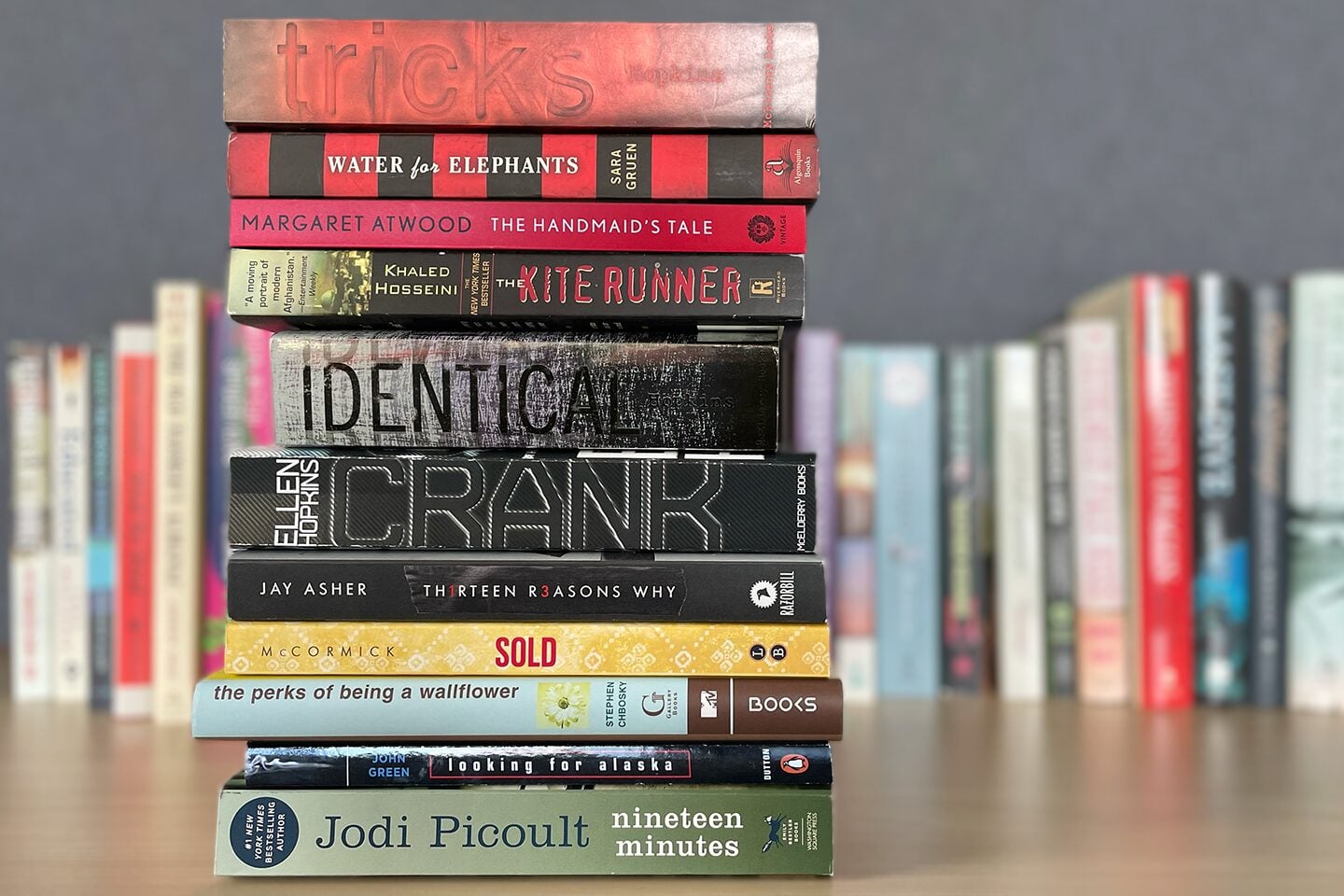
Building on its alarming agenda to censor what students can read and learn in public schools, House Republicans are seizing on the nationwide movement under the guise of “parent’s rights” that has been used to pass state laws fueling book bans and curriculum restrictions across the country.
This definition of parental involvement does not reflect the kind of meaningful, long-recognized, and legally protected engagement that already gives parents under existing federal law the right to inspect instructional materials, receive records about their children’s education, and opt their children out of specific, narrowly defined activities. Nor does it reflect the many avenues school districts offer through which parents can engage with administrators and teachers in good faith efforts to improve schools.
Two bills, both misleadingly titled, HR 2616, the Stopping Indoctrination and Protecting Kids Act, and HR 7661, the Stop the Sexualization of Children Act, advanced earlier this spring. Together, they would use federal education funding to pressure schools to restrict materials, student support, and instruction related to gender identity. Schools that fail to comply risk losing those funds. Framed as parental protections, the bills use that leverage to shape what schools teach, what materials students can access, and how educators support vulnerable students. Their proponents have explicitly focused on gender- and sexuality-themed materials, continuing a pattern of policies that marginalize LGBTQ+ students while creating a framework for broader educational censorship.
In a 2025 report, PEN America highlighted research from the Florida Freedom to Read Project that found that where parents were given genuine individual choice over their own children’s library access, the overwhelming majority chose access over restriction. The restrictions imposed through “parental-rights” legislation do not reflect what most parents want for their own children. The bills before Congress seek to nationalize this agenda.
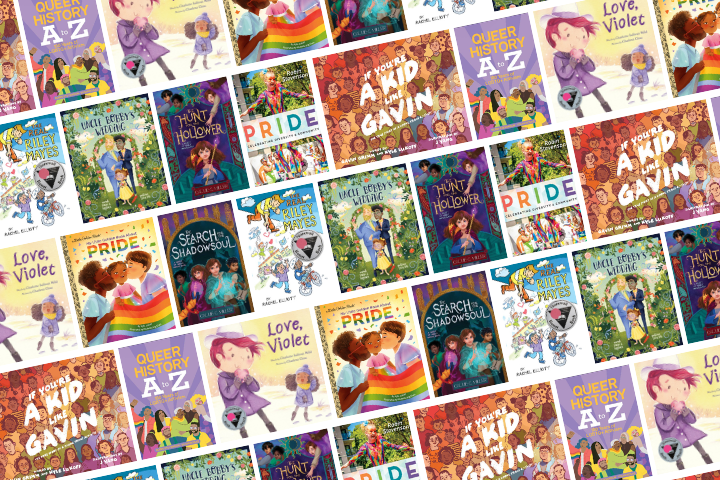
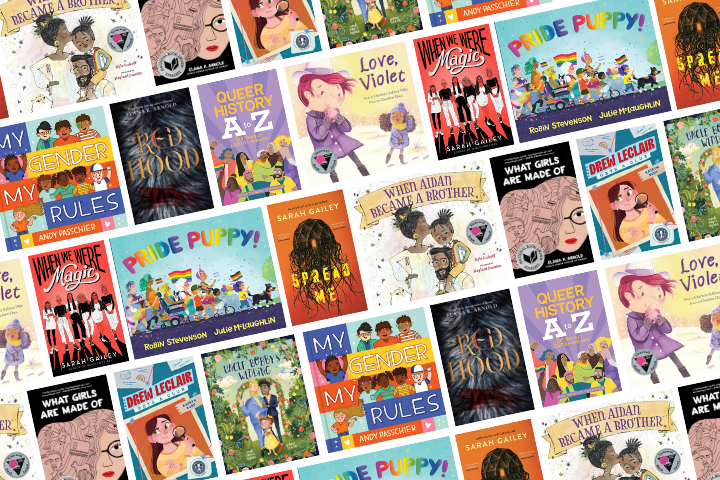
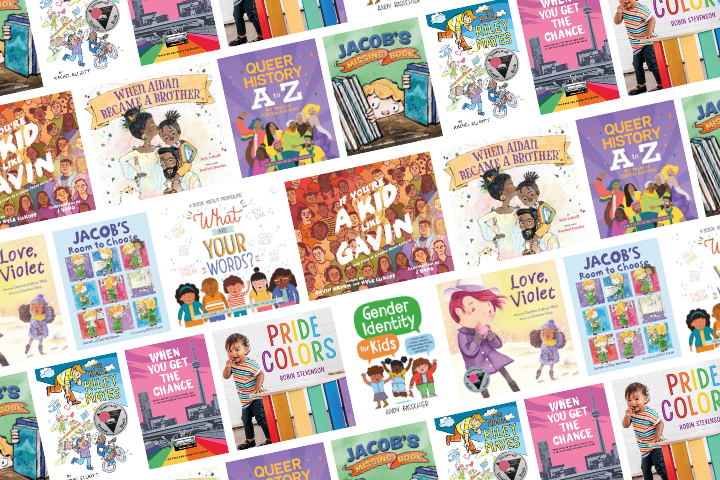
The goal of the bill sponsors seems clear: to build on the Supreme Court’s ruling last year in Mahmoud v. Taylor, which involved Maryland school district’s use of LGBTQ+ inclusive picture books in elementary classrooms. The high court sided with parents who sought an opt-out for their children over nine storybooks that depict LGBTQ people, many of the titles award winners.
Prior to the lawsuit, Montgomery County rescinded its opt-out policy after its own experience showed significant classroom disruptions from individual requests, which led to the books that triggered those requests no longer being assigned. Those who advocate for this approach to parents rights use individual parental objection as a mechanism to restrict what all students can learn. It treats the presence of certain content, such as LGBTQ-themed materials, as a burden on objecting families regardless of whether their children encounter it.
The authors of the books at the center of Mahmoud captured what this means for the students: “Hiding our books away sends a devastating message to students: that their lives and their families are so dangerous that they cannot be discussed in school.”
The same agenda is now shaping congressional efforts to expand federal involvement in local education decisions.
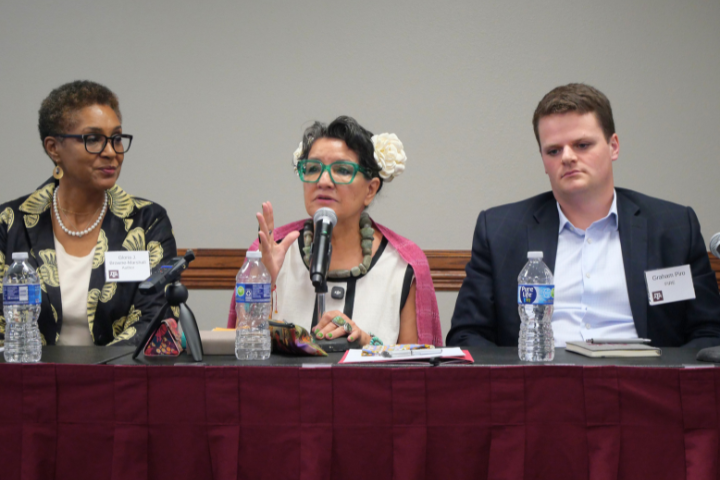
Alarm bells were set off on May 13, when House Education and Workforce Committee Chair Tim Walberg subpoenaed Chicago Schools Superintendent Dr. Macquline King to testify at the June 10 hearing titled, Breaking Trust: Attacks on Parental Rights, Inappropriate Content, and Legal Abuses in America’s Schools. The subpoena letter names those bills directly as the basis for the hearing, connecting the ‘parental rights’ framing to legislation whose consequence PEN America has spent years documenting at the state level.
The policies PEN America has documented in statehouses are now before Congress, where lawmakers are wielding the twin tools of federal funding and compulsory oversight to advance the same agenda nationally. PEN America’s research showed this agenda results in narrowed curricula, diminished library access, a chilled climate for teaching, and an educational environment serving the demands of those most motivated to restrict what students can learn.
In seeking to protect the rights of parents, Congress should not prioritize those who want to restrict access to books and ideas for all students over those parents who rely on the expertise of teachers and librarians to present the best age-appropriate materials. All students deserve to see themselves in books and school materials; narrow ideological preferences imposed by parent groups or the federal government should not constrain materials in classrooms and school libraries .
As the bills await further consideration, parents must act now to protect every student’s freedom to learn and read by urging their senators to oppose these bills.