For the past three years, PEN America Florida has shown up each legislative session with a clear goal: to push back against censorship in our schools, colleges, and universities. This year, we focused on three bills that threatened to accelerate book bans and further restrict speech and learning in public education – and we’re relieved to report that with your help, none of them passed into law.
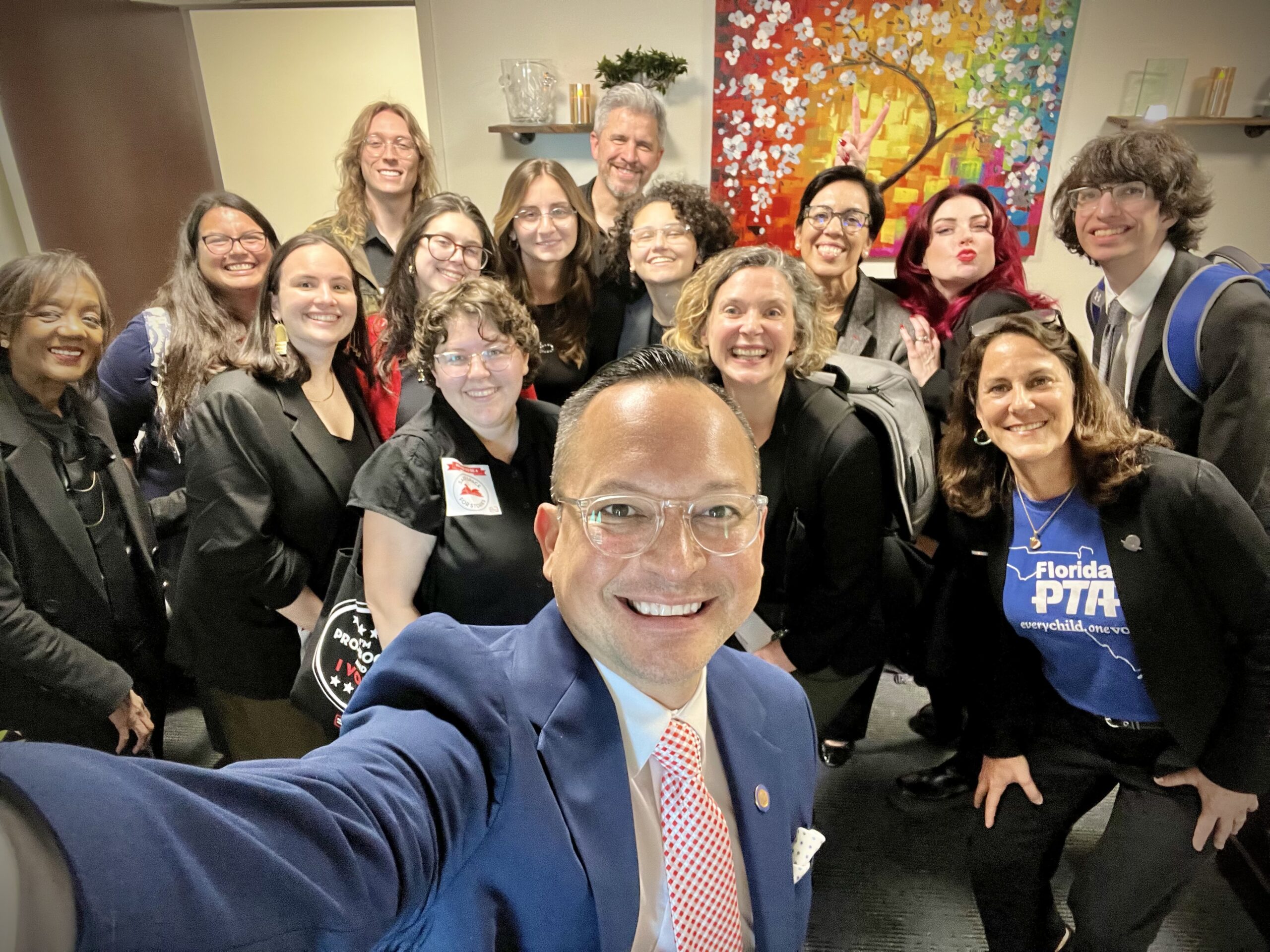
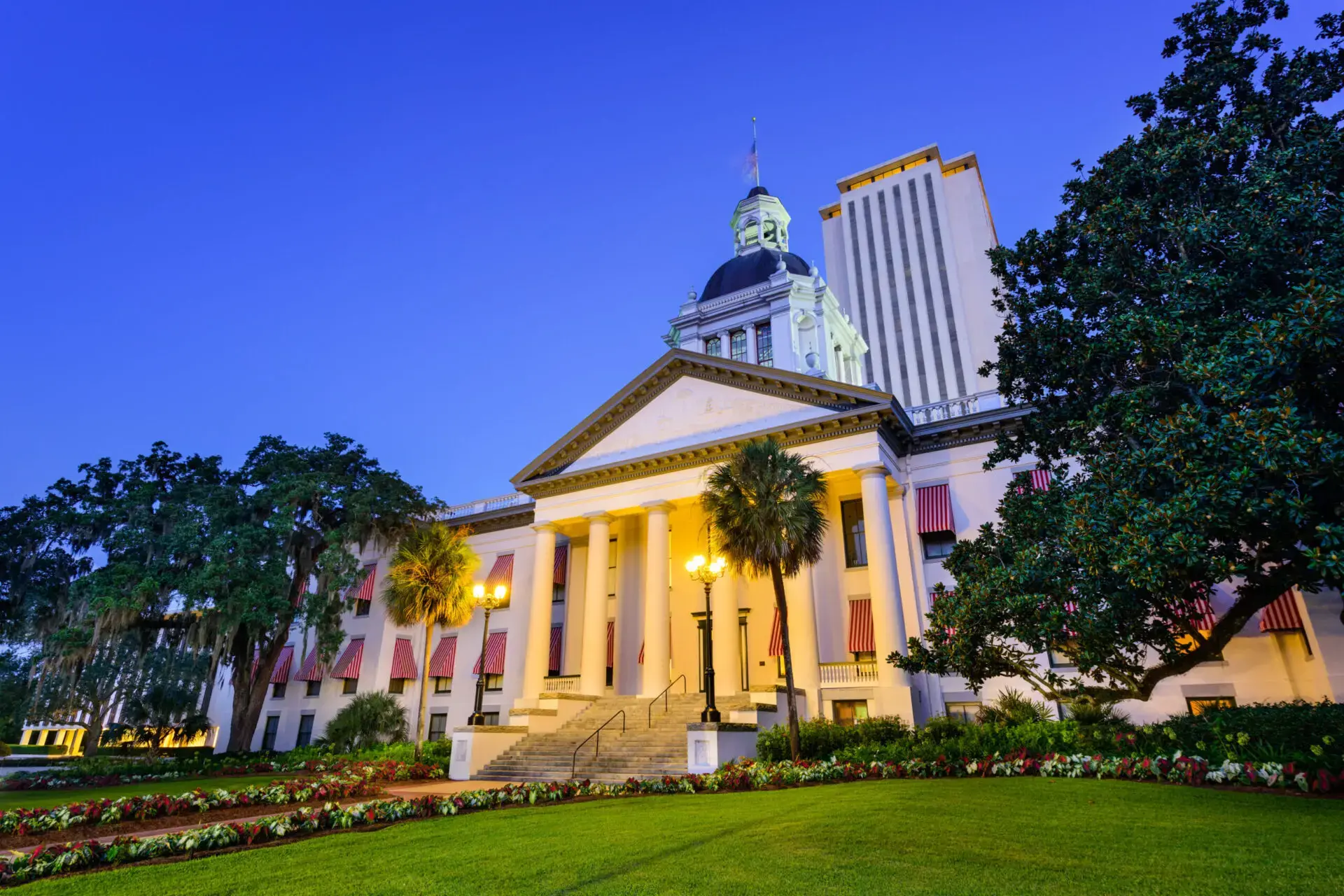
In partnership with our community and literary stakeholders, we pushed back through a robust mix of in-person legislative meetings in Tallahassee, op-eds, social media campaigns, and targeted action alerts. The battle is far from over, though—the Florida legislature is set to have a special session by the end of June.
The three bills we advocated against reflected a severe misunderstanding of what issues truly matter to Florida students, parents, educators, and communities. All three bills pushed a pro-censorship agenda that would shut out LGBTQ+ voices, discussions of race and racism, political and social movements, and the lived experiences of traditionally disenfranchised communities.
- HB 1119/SB 1692 would have required school districts to disregard the Miller test—the Supreme Court standard for obscenity, which courts use in determining whether a material is harmful to minors—and make it more difficult to keep challenged books in schools by barring districts from considering a book’s literary, artistic, political, or scientific value when assessing whether to retain it.
- HB 1071 would have given a single state official the power to ban a publisher from the state-adopted list of instructional materials if any book by that publisher was found to have violated Florida law. This bill would have also imposed a sweeping ban on “advocat[ing] for diversity, equity, and inclusion” and “promoting” political or social activism in public K–12 schools by barring funding for any campus activities deemed to promote either.
- Finally, HB 31/SB 1106 would have prohibited the term “West Bank” from being used in any new instructional materials and library books in public K-12 schools, and from being used in any “communication,” “material,” and “work product document” prepared by a public college or university. The bill would have required these materials to instead refer to the West Bank as “Judea and Samaria.”
Through collective action and relentless organizing, advocates across Florida prevented all three bills from becoming law.
However, there was one significant loss this session: HB 1471 was passed into law and will take effect on July 1. This law poses significant free speech concerns by giving a small group of elected and appointed officials the power to designate “domestic terrorist organizations,” which will allow the state to dissolve designated nonprofits and criminalize individuals who give those organizations material support. Public colleges and universities will be forced to expel students who “promote” any state-designated “terrorist” organization, and public schools and colleges must avoid providing or supporting any programs or activities that could be considered to “promote” such organizations. Like the bills that failed this session, HB 1471 is confusingly worded and rife with constitutional concerns, and will likely be weaponized to shut down dissent and criticism of the government.
PEN America Florida will monitor the upcoming special sessions for any similarly harmful bills and provide Floridians with avenues to push back.