What habits and relationships should writers form as they cultivate their craft? And how should they go about forming them?
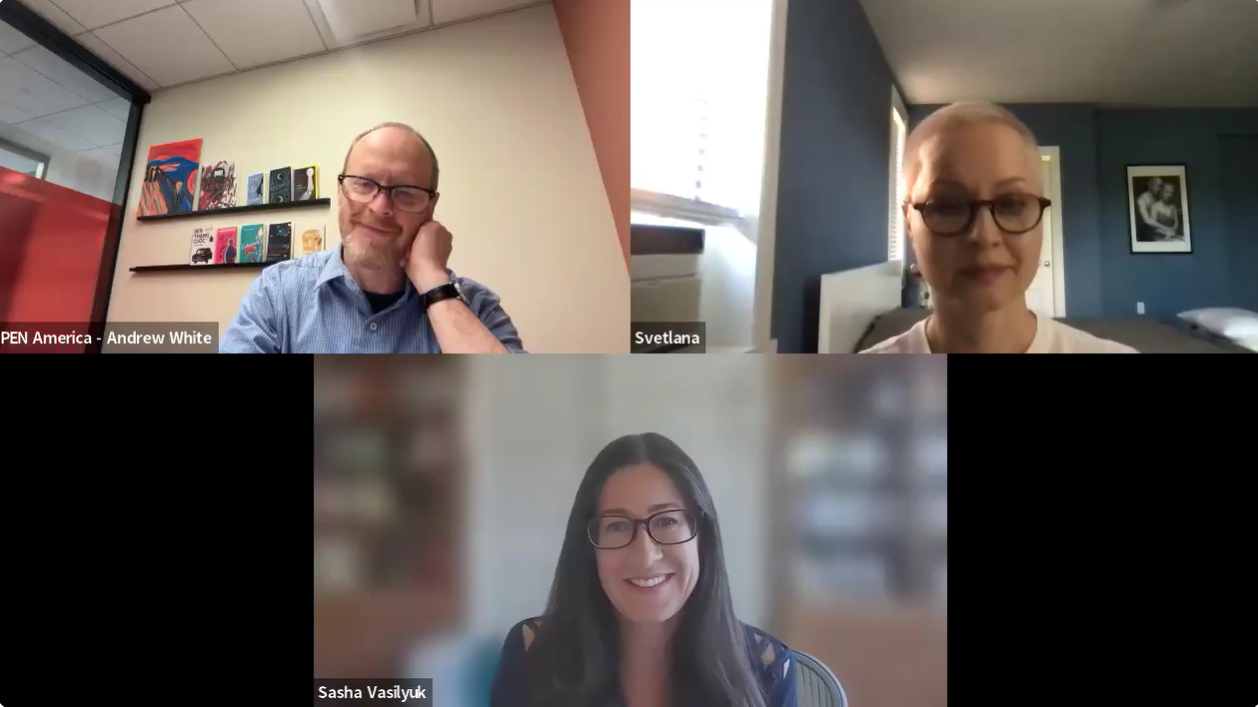
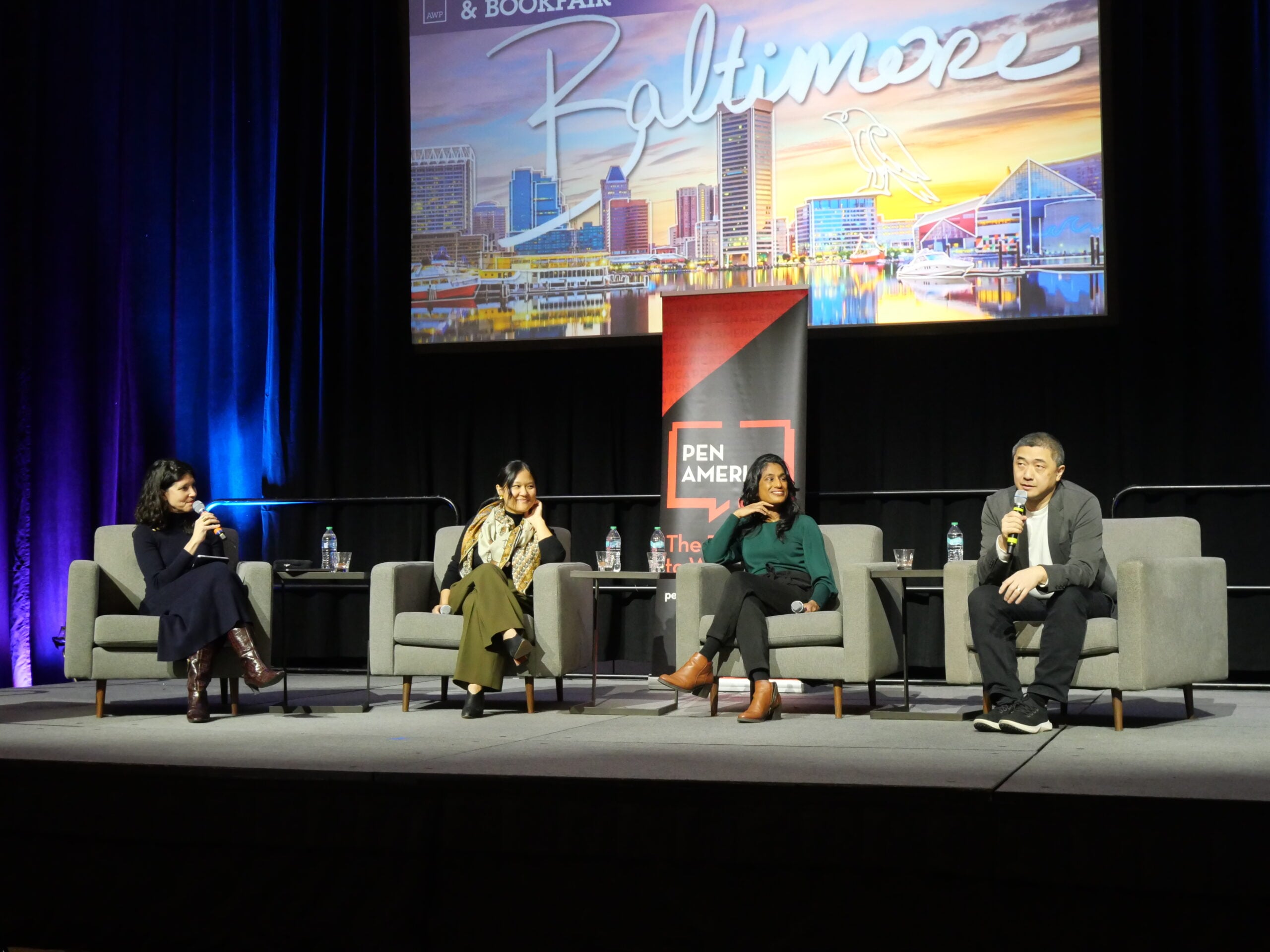
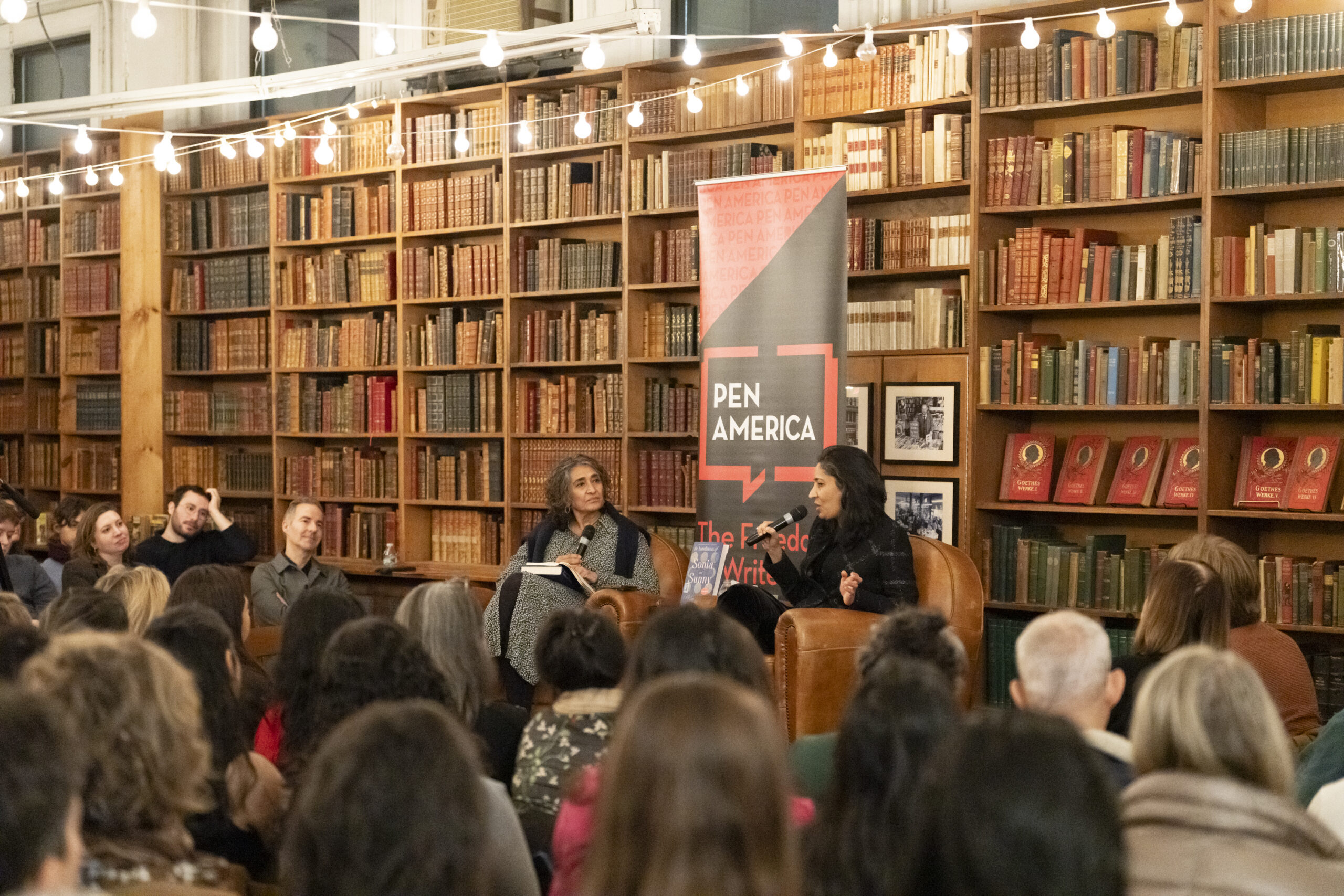
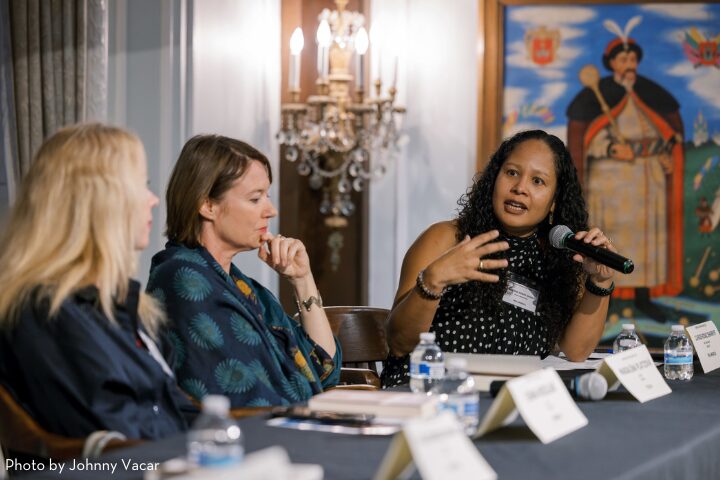
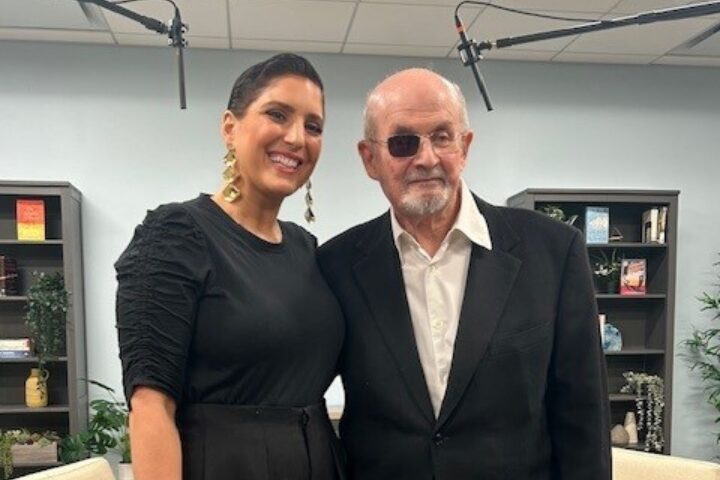
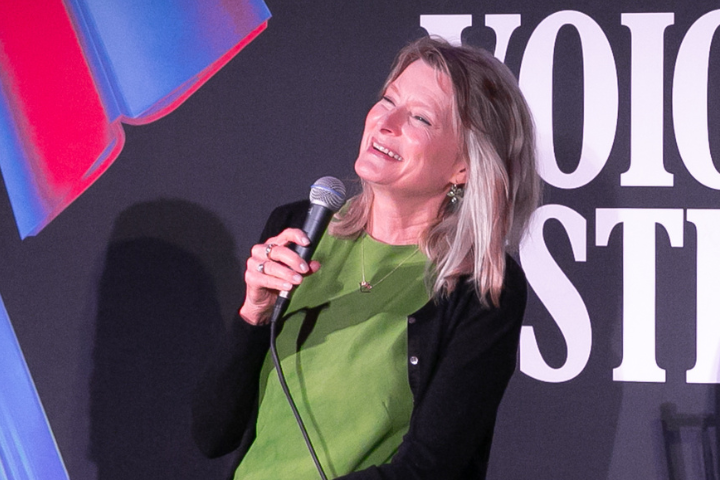
At the third installment of PEN America’s You Are A Writer series, which provides guidance to early- career writers, Christopher Soto, poet and co-founder of Undocupoets, and Chloe Feffer, the program manager for Lambda Literary’s emerging writers retreat, gave attendees insight into everything from how they write and what they read to where they seek out literary community. Traci Thomas, host of critically acclaimed literary podcast The Stacks, moderated the session.
Read four takeaways below, and catch up on the first and second sessions of You Are A Writer.
- It doesn’t matter what your writing routine is, so long as it works for you.
There isn’t one right way to write: Feffer and Soto prefer to wait until inspiration strikes, whereas Thomas forces herself to sit down and write even when she has no desire to do so.
“When it comes, it comes. When it doesn’t come, it doesn’t come,” Soto said.
“I think Christopher and I are on a similar page,” Feffer said. “When I don’t want to do it, I absolutely do not want to do it, and that can look like weeks at a time for me.” The writer Bryan Washington once told Feffer that he tries to treat writing like a regular job, working on his books for at least three hours a day every day. “And I tried that for about a week,” Feffer said. “It just was not conducive to my lifestyle, and it’s hard to not wait for a burst of inspiration, because that’s when it comes out the easiest.”
But Thomas’ self-doubt makes Feffer’s strategy impossible for her. “If I just wait for the vibes to be right or to ‘feel it’… I’ve never felt it,” she said. “I am so paralyzed by my own insecurities that if I do not just start writing something, if I wait, I will never write something.” Instead, she forces herself to put anything down on paper — and once she has a draft, even if it’s not one she likes very much, she can edit it without feeling nearly as paralyzed.
- You can be picky about what to read (just not whether you read).
All strong writers are voracious readers, Feffer said, but as they’re writing, they steer clear of books that they think might have too strong an influence on her work. “I psych myself out, and I’m like, ‘None of your thoughts are original,’” they said.
“I also feel like groupthink really freaks me out,” they later added. “I feel like we really can fall into the territory of becoming a collective organism, all thinking the same thing and writing the same way.”
Soto said he feels similarly, sharing that he held off reading The Vertical Interrogation of Strangers for a year or two. “I remember just being like… ‘This is gonna completely change how I’m approaching craft, and I’m not ready to change how I’m approaching craft yet,’” he said.
- Form the peer relationships that serve you best.
In response to a question from Thomas about what their writerly communities look like and how they cultivate them, Feffer spoke about the symbiotic relationships that help them grow. “I really benefit from having others around me — not necessarily receiving feedback all the time, but being in spaces that creatively nourish me, that give me the time and the space to water my own garden,” they said.
Unlike Feffer, Soto makes “pretty hard distinctions” between his friends and his literary colleagues. “Sometimes colleagues react to your work in a way that might benefit the discourse around literary arts production and distribution but not necessarily your emotional well-being as a person,” he said. His friends, on the other hand, put his emotions first.
- When searching for literary community, start local or make your own.
If you’re trying to find workshops, support, and community, local bookstores and libraries are always a good place to start, Feffer said. For those in Los Angeles, Soto recommended Stories, and Thomas recommended Reparations Club.
Soto emphasized that the availability of local writerly communities will vary greatly from region to region. If you’re in a geographic area that’s lacking in offerings, he suggested trying to create your own local infrastructure and finding ways to connect it to larger, national organizations for increased support.
Thomas and Feffer also stressed the necessity of finding communities that respect and understand the projects you’re working on. “Especially with intersectional, historically marginalized identities, there are going to be a lot of spaces where people are not going to get your work,” Feffer said.
“[If] you’ve got this vision and the people around you don’t see it, don’t change the vision, change the people around you,” Thomas said. “Find the people who see the thing that you’re trying to do.”