“I like a little rebellion now and then,” Thomas Jefferson wrote famously to Abigail Adams in 1787 on the subject of the Massachusetts farmers uprising against high taxes and economic hardship that came to be called Shay’s Rebellion.
Shay’s Rebellion likely rings familiar to students of American history as the protest that came four years after the American colonies emerged victorious over Britain. The American Revolution had found a crucial catalyst years before in the Boston Tea Party, a protest by any other name.
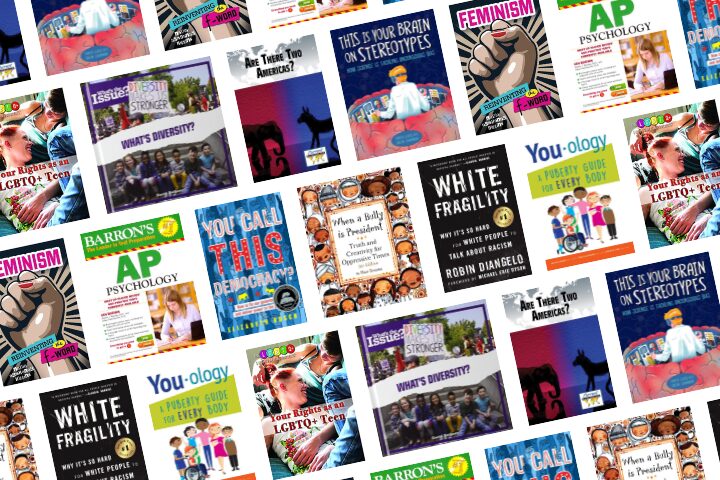
Americans are a rebellious lot with protest written into our DNA. A new highlighted list of banned books about dissent and protest in the United States underscores this history.
From dumping tea into Boston Harbor to protest taxes and suffragists marching for the vote for women; from the Montgomery Bus Boycott for racial equality to Stonewall and its fight for LGBTQ+ rights, peaceful (and not-so-peaceful) protest has been at the core of American progress. A means of speaking up and bringing about change, dissent is arguably at the heart of what it means to be American. President Lyndon Johnson even gave up a run for a second term because of the mass protests over the Vietnam War.
Activism and dissent are again a highlight of the American landscape. These have recently included nationwide “No Kings Protest” in June, spontaneous demonstrations over budget cuts, July 4 protests over immigration enforcement and ICE raids, against the famine in Gaza, and Rage Against the Regime rallies and demonstrations. This past weekend, Japanese-Americans in Los Angeles gathered in Little Tokyo to say “Never Again” to the World War II-era internment they or their families endured.
It’s likely we could devote an entire library to books on U.S. dissent and movements for social justice, nonfiction and fiction alike. Some of our greatest works of literature are in fact about social injustices. From classics like John Steinbeck’s The Grapes of Wrath and Harper Lee’s To Kill a Mockingbird to Alice Walker’s The Color Purple, Toni Morrison’s Beloved and more recently The Hate You Give by Angie Thomas. The list of books on the human response to injustice is long and ever growing.
Even national museums have shaped protest memorabilia as central to their collections. The Smithsonian institution— currently targeted by President Trump, who opposes aspects of its content on slavery and racial topics— includes a section of the Greensboro lunch counter from the Civil Rights era at one of its museums and a stool from the same lunch counter at another.
Scientists have a term for the anger people feel when confronted with unfairness. Turns out there’s an evolutionary reason that being treated unfairly makes us angry. We humans are hard-wired for protest. The phenomenon is called inequity aversion, the idea that if you put in the same amount of effort as someone else, you should receive the same reward. It means you may be enraged when some people get away with things that no one should get away with. This expectation can apply to equal pay for equal work, equal protection from the police officers your taxes have paid for, or equal representation in the legal system. Humans get mad when this expectation is violated and more often than not, when many people who feel the same band together they will take to the streets in protest.
All of this makes it unambiguously clear that you can’t understand American history or democracy without knowing about social and protest movements past and present.
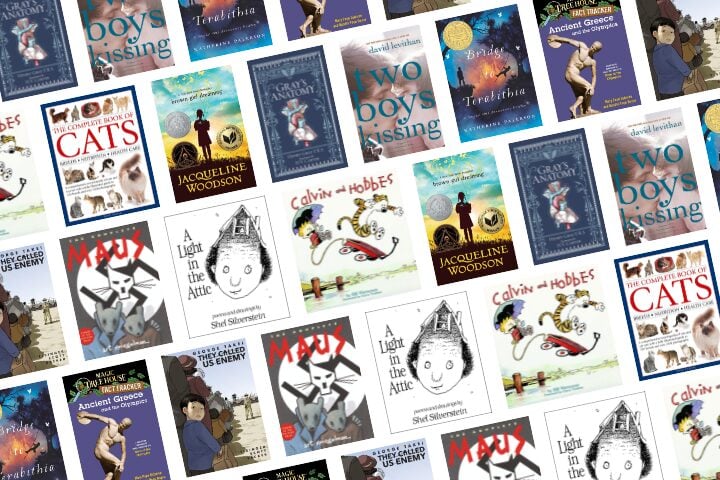
Given this pivotal history of dissent, we should ask why books on this theme are being banned in American public schools. During the 2023-2024 school year, more than 4,000 unique titles were banned, and 15 percent of those titles were on these topics. These bans robbed students of over 650 titles that tell the stories of how individuals responded to injustice and how their actions in some instances brought about change.
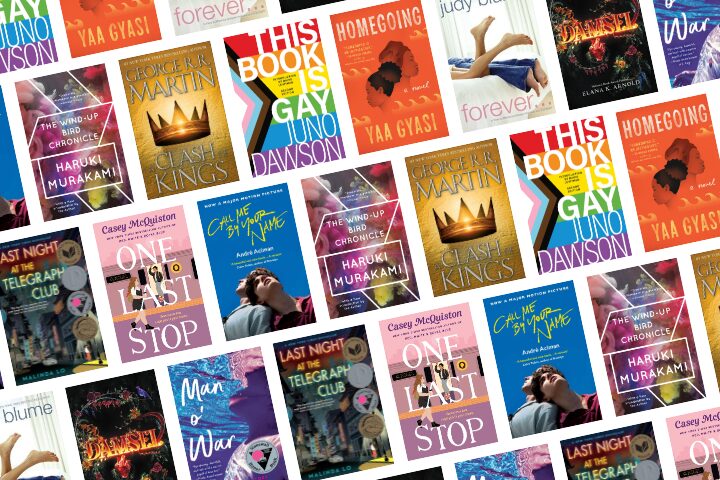
The highlighted list of some of these banned titles include stories about the internment of Japanese people during World War II, Supreme Court Justice Thurgood Marshall’s drive for civil rights, tennis star Billie Jean King’s profound impact on women’s sports, and a narrative history of LGBTQ+ people in the U.S. and how their experience and achievement shaped the country.
Many of the banned books on this list are about Black, LGBTQ+ and others striving for their rights; their stories have been the predominant targets of the nearly 16,000 book bans counted by PEN America nationwide since 2021. By erasing the activism of these groups, do those who are behind this censorship intend to keep students forever ignorant of what protest can and does achieve? Perhaps. But censoring history is unlikely to stop their core human urge to speak out against the unfairness they may find in their own lives.
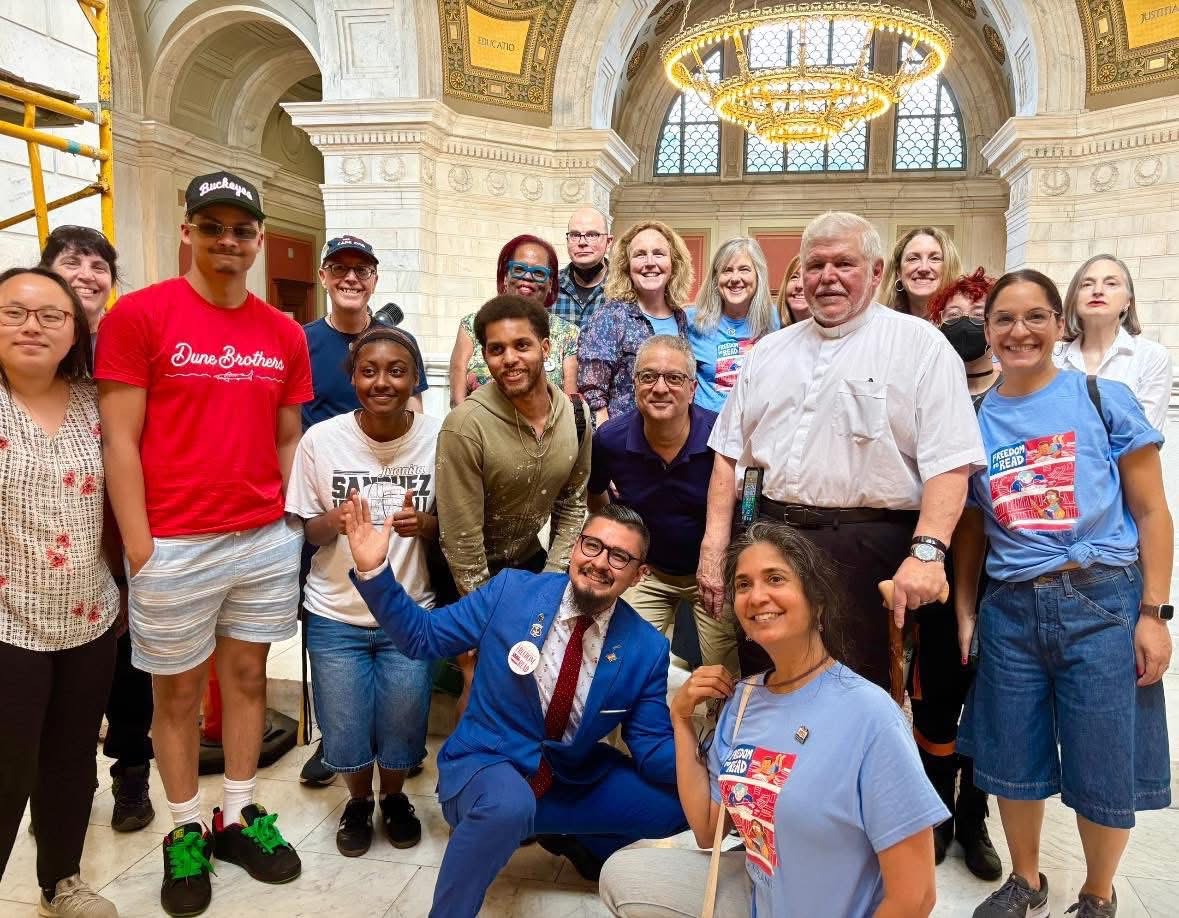
If this particular injustice ignites your “inequity aversion,” as it does for us at PEN America, join us to take action. Here are five ways you can help stop book bans.