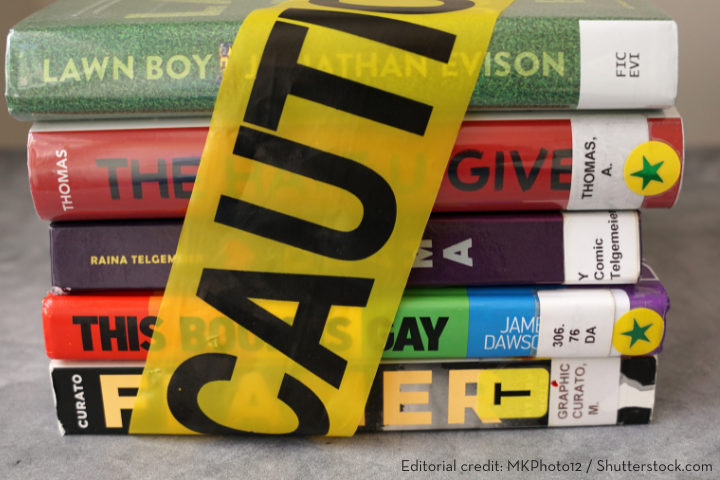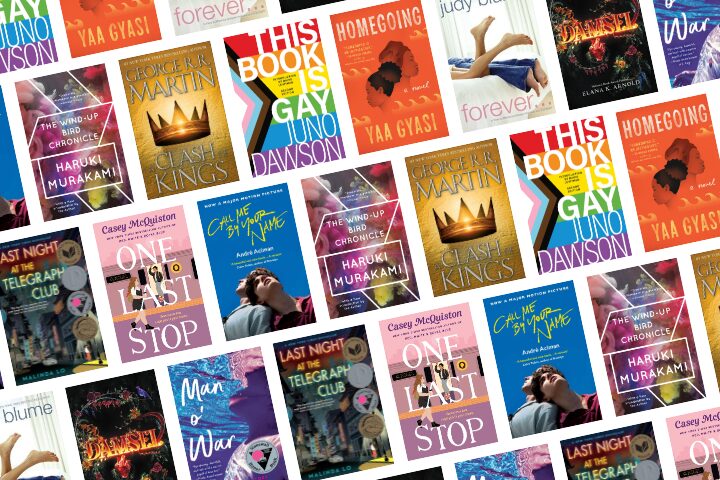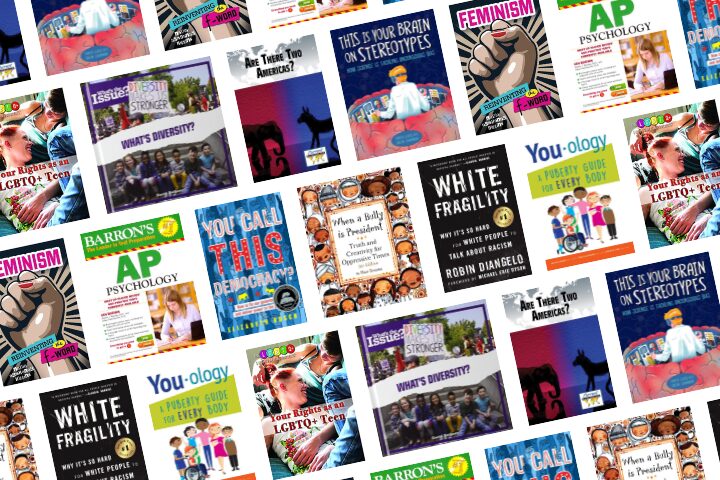

Nearly 600 books were banned en masse from Monroe County Schools in Tennessee this year, including several about our feline and furry friends. When PEN shared this on social media the most common reaction was: WHY?!?
Since 2021, PEN America has been tracking books disappearing from shelves –over 16,000 to date– which typically happened if the topics touched on race, racism, violence, LGBTQ+ everything or anything to do with sex.
And now: they’ve come for the cats.
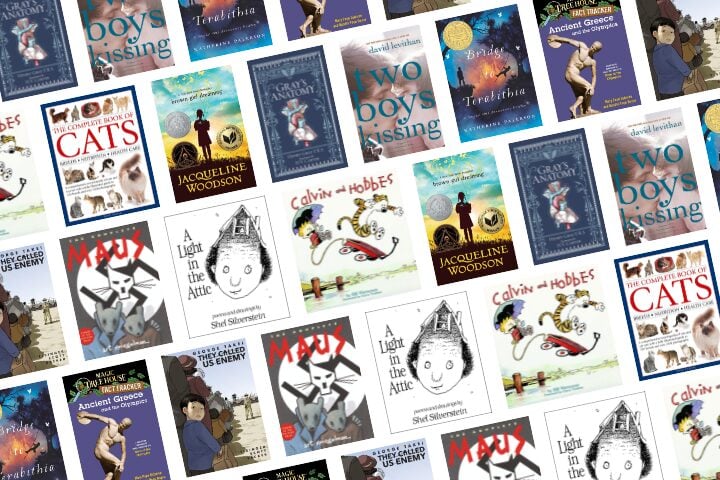
Among the books removed from the library shelves in Monroe County Schools in Tennessee in the past year was The Complete Book of Cats, an encyclopedia of feline care which publisher Simon & Schuster promises “covers every important topic that any responsible owner needs to be aware of.”
Also pulled off the shelves, The New Encyclopedia of the Cat.
Dog lovers be warned: The Complete Book of Dogs was likewise removed.
It’s not exactly clear what put these petcare tomes on the removal list, except that they were part of a sweep that pulled more than 574 books off its library shelves, ostensibly to comply with recent changes to Tennessee’s Age-Appropriate Materials Act.
The state now explicitly bars materials that contain nudity, sexual excitement, sexual conduct and excess violence, and doesn’t allow for judgement of the context any of these topics appear in, explained Xan Lasko, the Intellectual Freedom Chair for Tennessee Association of School Librarians and a retired librarian from Rutherford County.
The law also nixes materials that appeal to the “prurient interest,” and adds a vague addendum to allow removal of material that “is not appropriate for the age or maturity level of a student in any of the grades kindergarten through twelve (K-12).”
So perhaps it was that clause that put the cat hairs in their sights? Maybe there was concern kids would sneak at peak at the “nude,” or hairless Sphynx Cat?
Monroe County school administrators have consistently declined to publicly explain why individual books were pulled from school libraries except to maintain that they were complying with state laws. It’s important to note that Monroe County is not alone. School districts in Iowa and Florida have also swept up books on cats and dogs, as well as penguins and other animals, as book bans spread. Districts elsewhere can expect copycat removals.

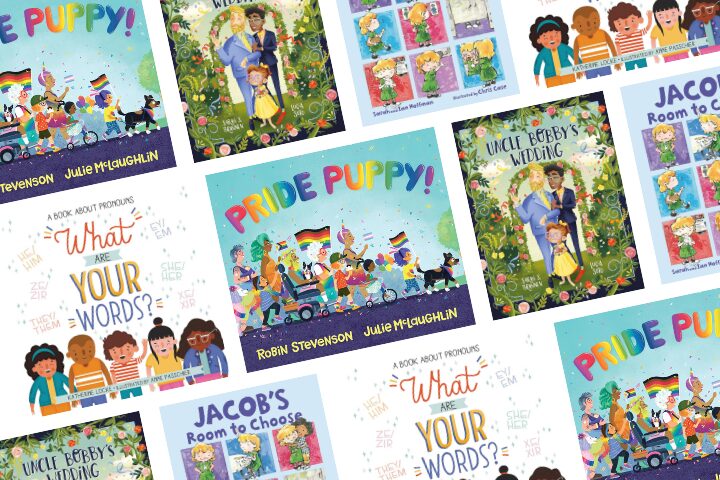
Other “cat” books recently highlighted by PEN were likely targeted because they include content areas commonly challenged, like the two dads who appear in the raucous tale Bathe the Cat, about a family trying to do their chores as the cat scrambles their to-do list, banned in counties in Iowa and Florida; or the cartoon “violence” and a naked bottom depicted in the graphic novel Dog Man and Cat Kid, banned in Hernando, Florida, as the title characters rescue a glamourous movie star who goes missing.
More mysterious is the reason behind banning Every Dog in the Neighborhood, as happened in Clay County, Florida. The tale is about a boy who tries to count every canine living nearby as part of his effort to convince his grandmother to get him a dog.
The problem is rooted in vague state laws that are worded both broadly and imprecisely enough that school districts tasked with following them are left to their own devices – and professional librarians and teachers are often overruled or left out of the decision making altogether. Tennessee districts, for example, are supposed to have a formal process for challenging books, but multiple districts appear to have culled their library shelves preemptively after the law kicked in earlier this year, Lasko said.
When a large number of books are banned at the same time, it leaves the reasons certain titles were caught up hard to pinpoint, but it’s known that in some districts around the country, a keyword search –such as “sexual reproduction”– may be all that’s needed to get a book pulled from the shelves.
Lasko also noted that the pet encyclopedias contain hundreds of photos. “My guess is it’s probably a picture,” she said.
The cat is also out of the bag that some school districts around the country are even using AI to compile their hit lists, which could potentially remove what little discretion professionals have.
Fear is also a factor, Lasko said. No one wants to be targeted by overzealous groups, and in some parts of the country, librarians have gotten real threats to their safety. “They’re scared, and they’re concerned for their jobs,” she said.
When these laws take effect, some districts overcomply if they’re concerned that activists may target the school or the professional librarians at school board meetings, on social media, or even in person. In Texas, a law enforcement officer even tried to bring felony charges against librarians
That’s how books about cats as well as hundreds of fiction and non-fiction books, including books about art, history and science, ended up on the removal lists in some Tennessee counties, including Gray’s Anatomy, which was pulled from the shelves in Oak Ridge County. The medical text about the human body is no more “prurient” than a comprehensive book about cats, but it does contain images of the parts of the human body, including reproductive organs, and there was no whisker of discretion allowed to enable it to remain available to students.