What role do translators play in an increasingly globalized world threatened by authoritarianism and AI?
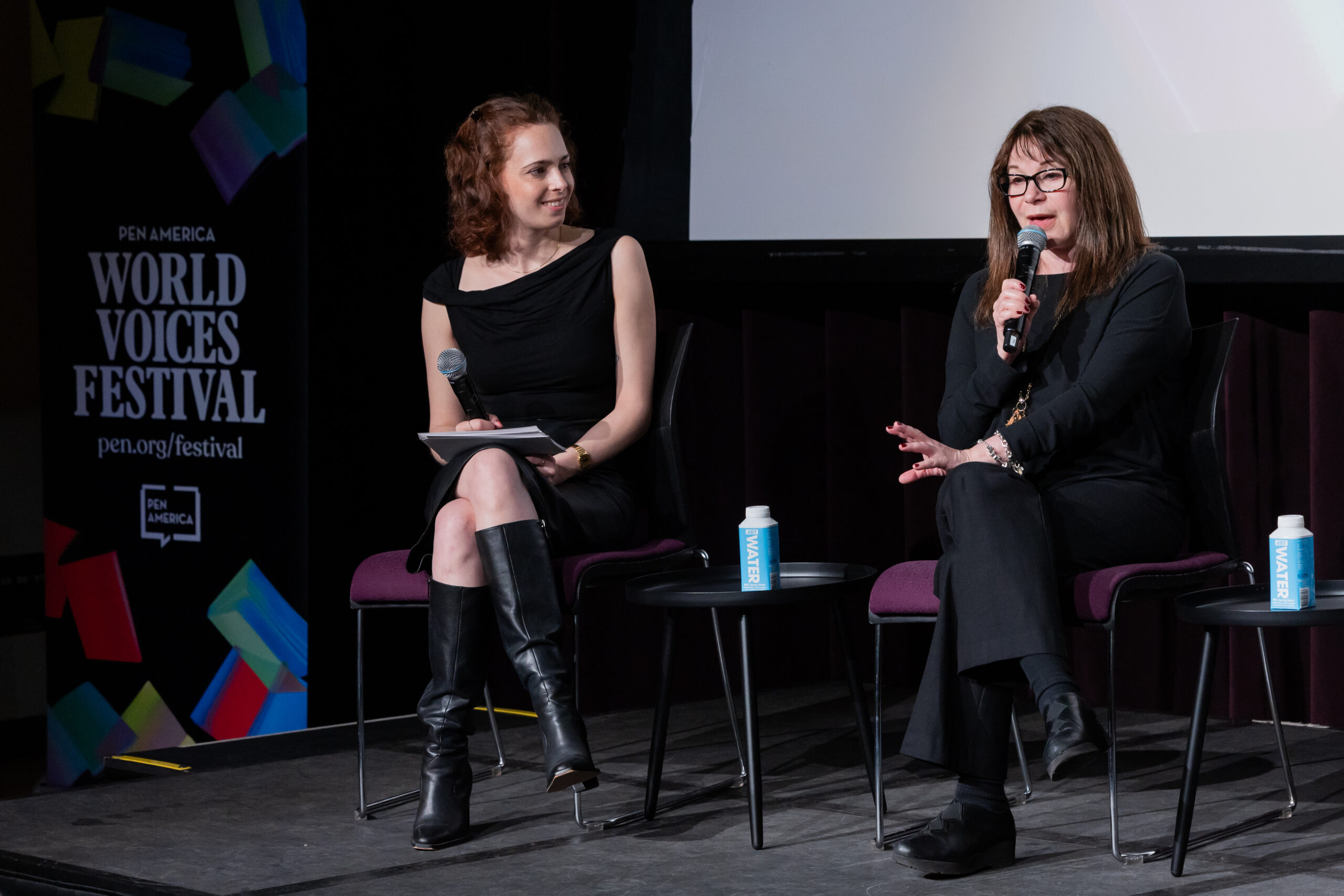
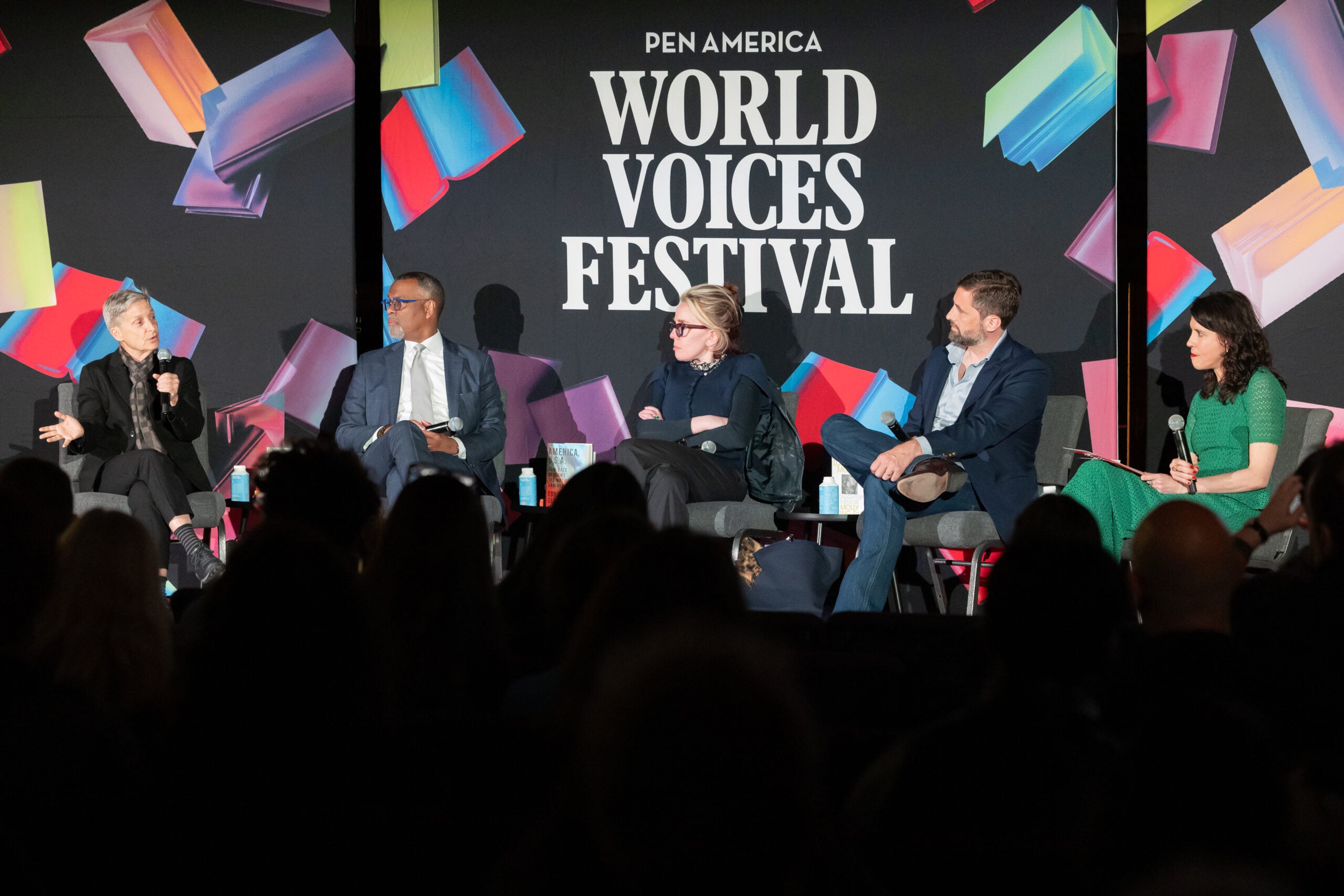
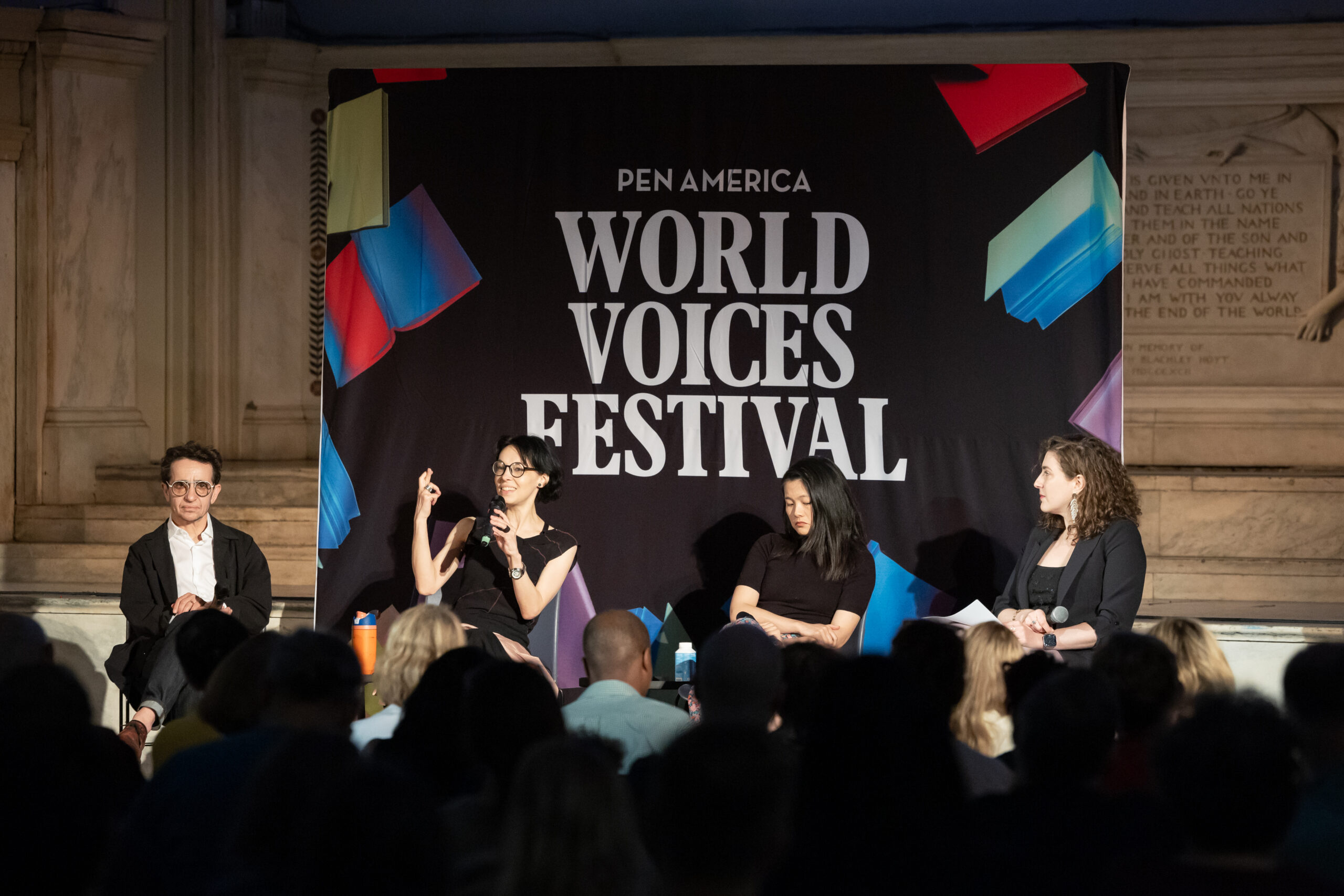
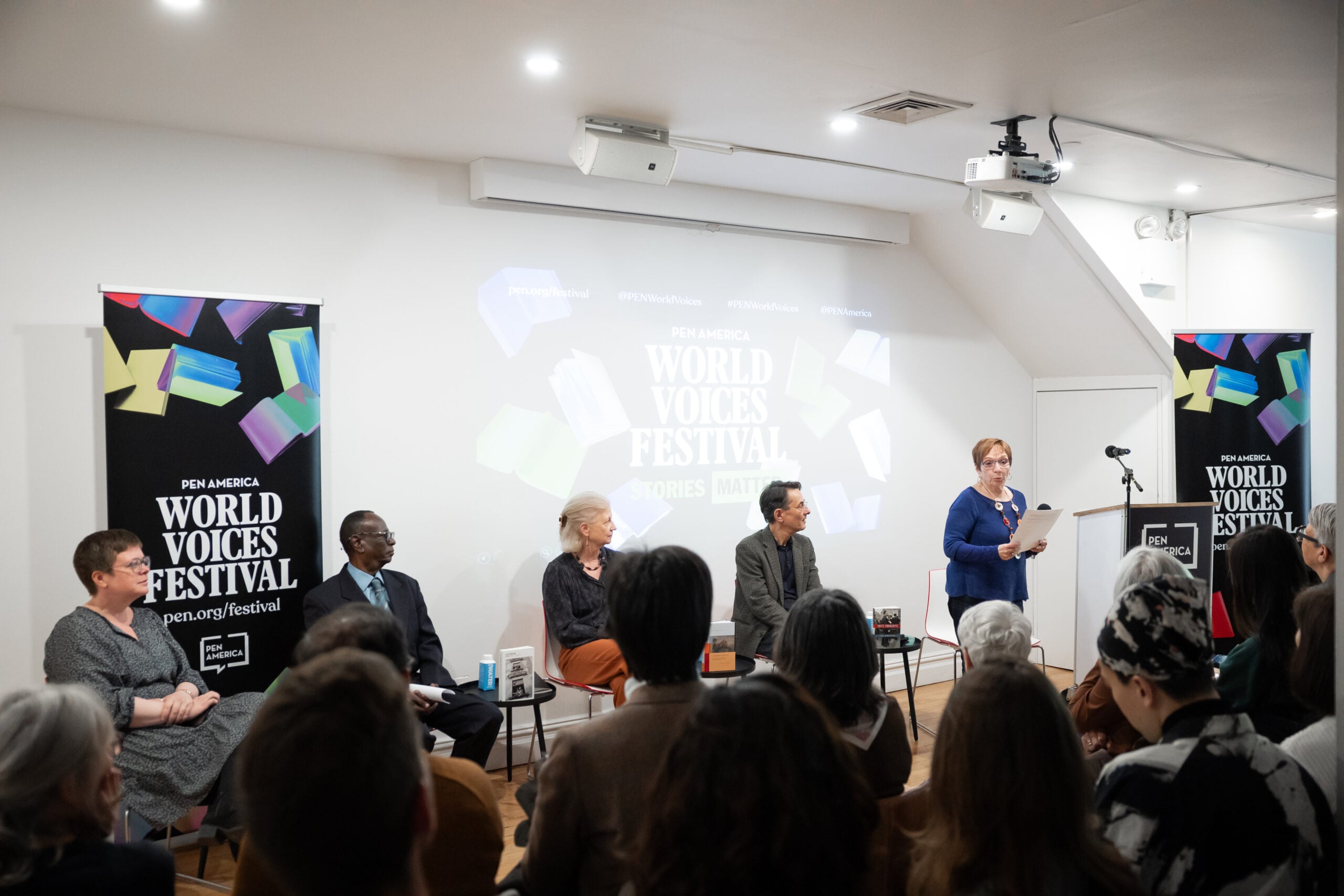
At the 2026 World Voices Festival, translators Michael Eskin, Annelise Finegan, Tess Lewis and former translator for the U.N. Security Council and the U.N. General Assembly Abdelgabar Mohieldin gathered to discuss the cultural and political significance of their work today as well as their hopes and worries for the future of the industry.
Here are some of the reflections the experts shared throughout the panel, titled “The Changing Role of the Translator,” which translator Sandra Smith moderated.
On the Value of Translation
At the beginning of the talk, Smith quoted from PEN America’s 1969 Manifesto on Translation, which states that “translation should not be a profession but an art.” “But today, in our globalized world, the translator has far more responsible goals,” she said. “We become cultural ambassadors, especially when the author is not living or, sadly, representing authors whose works are censored in their own countries.” She asked the panelists to describe the aspects of their work as translators they deemed most important.
Eskin: “Translators undoubtedly can be said to possess great power: the power to determine central aspects of an entire culture with real-life consequences, good and bad, for their members, depending on who they happen to be. One mistranslated word can be to the benefit of one person or group and the great detriment of another.”
Lewis: “There are changes in the ideological and political environment which make the role of the translator no less necessary, perhaps even more necessary. When I first started, one of my main motivations as a translator was to combat cultural provincialism. … If you don’t know the context of words, you have no way of gauging the original context that the text is operating in, and what does that mean for the reception of the text from your language?”
Mohieldin: “I developed my own cross-cultural approach to translation, seeing translation as building blocks for sustainable culture, for peace, conflict resolution, peace building, and respect for human rights.”
On the Rise of AI
Smith asked the panelists to reflect on the danger that AI poses to their profession.
Finegan: “The challenge with AI translation is that it trends toward a mean, it trends toward an average. And it gets worse because studies are now showing that it is starting to make us write like that too. The only bright side is that it suddenly made translation really visible, and it raises the expectation for massive translation, that everything be available, and that’s fantastic.”
Lewis: “The danger that I find most immediately threatening … is that it will lower everyone’s expectations and standards. You can read a fabulous translation of a 500-page novel that would have taken time and cost money. Or you can just give the gist by putting the whole thing through AI. … That is my concern: our writing being flattened, our attention spans being shortened, our standards are being lowered as well as our tolerance for complexity.”
Mohieldin: “Creativity needs a human heart and human emotions and human imagination. AI is just a machine. It doesn’t have all of that.”
Eskin: “We can’t assume that translation as such generates good translators. … Just like there are not many really, really good authors among the millions who write, there also are not really many very good translators. Now, if you happen to stumble on a really good one, of course, that probably AI can’t do.”
On Their Relationships With Writers
An audience member asked the translators whether writers choose their translators and what the working relationship between the two professionals looks like.
Smith: “Very often, the author has no say in who the translator would be, unless you have a relationship. So, for example, if you do one book and it’s a hit, then the publisher will normally come back. … If you’re lucky, they will come to you and ask you to do it, or if you work with a particular author, they will request you to the publisher.”
Lewis: “It’s very case-specific. Some writers absolutely trust their translators. Others really want to know [more]. … It’s as varied as the authors themselves and their egos.”
Want more?
Check out books written and translated by the panelists:
- The Emprise of Poetry: Durs Grünbein, America, Antisemitism and the Pursuit of Liberty by Michael Eskin
- The Enchanting Lives of Others by Can Xue and translated by Annelise Finegan
- Nevermore by Cécile Wajsbrot and translated by Tess Lewis
- Suite Française by Irène Némirovsky and translated by Sandra Smith