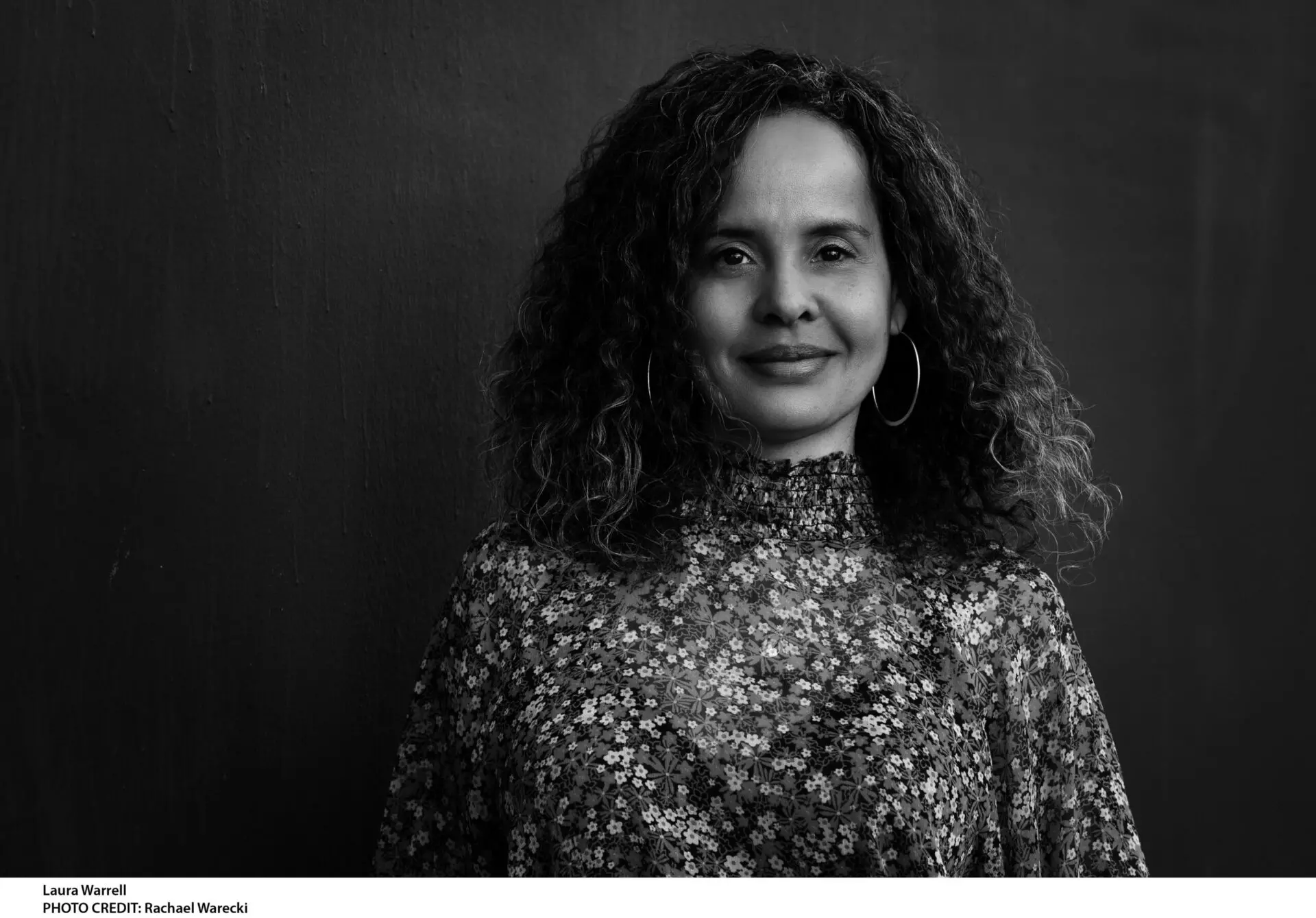
TC. Mann is a writer and scholar whose work focuses on the life and culture of Black women in her hometown, Somerville, New Jersey. She is currently in her Research Art’s year at Columbia University, School of Arts. There, she studies creative writing with a concentration in Fiction. She was a 2020-2021 Writing Chair’s Fellow, a 2020 Skidmore Summer Writing Institute Scholarship recipient, a 2020 De Alba Fellowship recipient, and 2019 OMHA Scholarship recipient. She is currently working on her debut novel.
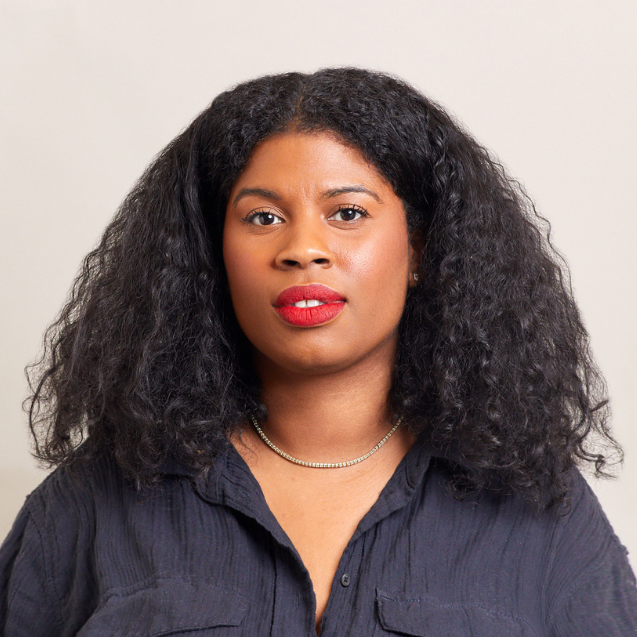
TC. Mann
Coordinator, Literary Programs and Emerging Voices
Articles by TC. Mann
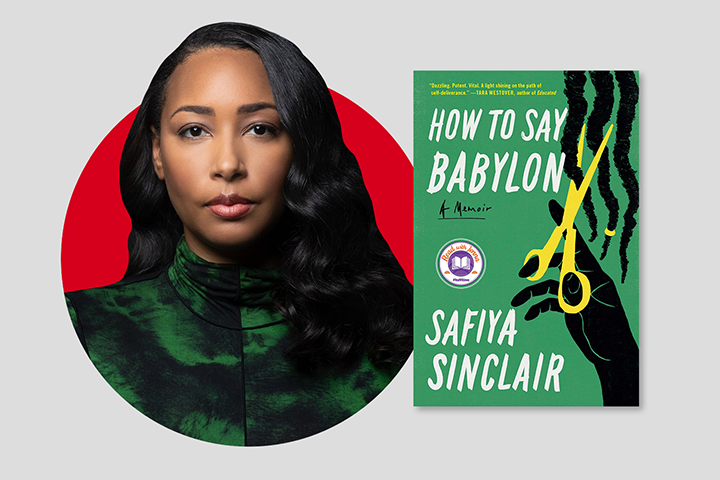
Safiya Sinclair | The PEN Ten Interview
For me, and for the women in my family, our stories are the way we preserve our history, our culture, and the vital parts of ourselves that our ancestors gave to us.
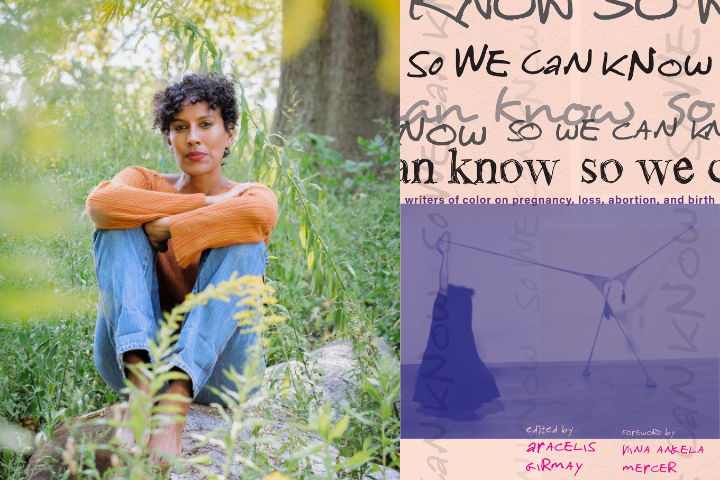
The PEN Ten: An Interview with aracelis girmay
Finding a collection as urgent and needed as So We Can Know, edited by aracelis girmay, is nearly impossible. Gathered on the page are writers of color discussing and retelling…

The PEN Ten: An Interview with Tyriek White
It is why there is so much investment, politically and even historically, in the erasure of books by certain communities or voices. Writing about alternate paths forward can create new perspectives and ways we resist