The Riyadh Comedy Festival draws to a close this week, with some of the biggest names in American comedy having taken part. Their participation has sparked controversy and debates about what it means for artists to participate in a Festival that is sponsored by the Saudi government given its repressive record on freedom of expression.
As a free expression organization, PEN America believes the comedians who performed in Riyadh had the right to do so, and Saudi audiences have the right to hear from and enjoy a diversity of voices and perspectives. Comedians are uniquely equipped to skewer and satirize those who hold and abuse power—it’s why they are so often targeted by autocratic leaders, as evidenced by the Trump administration’s recent efforts to shut down Jimmy Kimmel. It’s good that the debate surrounding the Festival has helped draw renewed attention to the ongoing threats to free expression and retaliation against those who attempt to exercise it in Saudi Arabia. It’s unfortunate that so few of the comedians who participated chose to use the opportunity to do so themselves. In fact, reports from some comedians who declined to participate suggest participants may have been required to avoid certain topics in their routines, including any critique of the Saudi royal family.
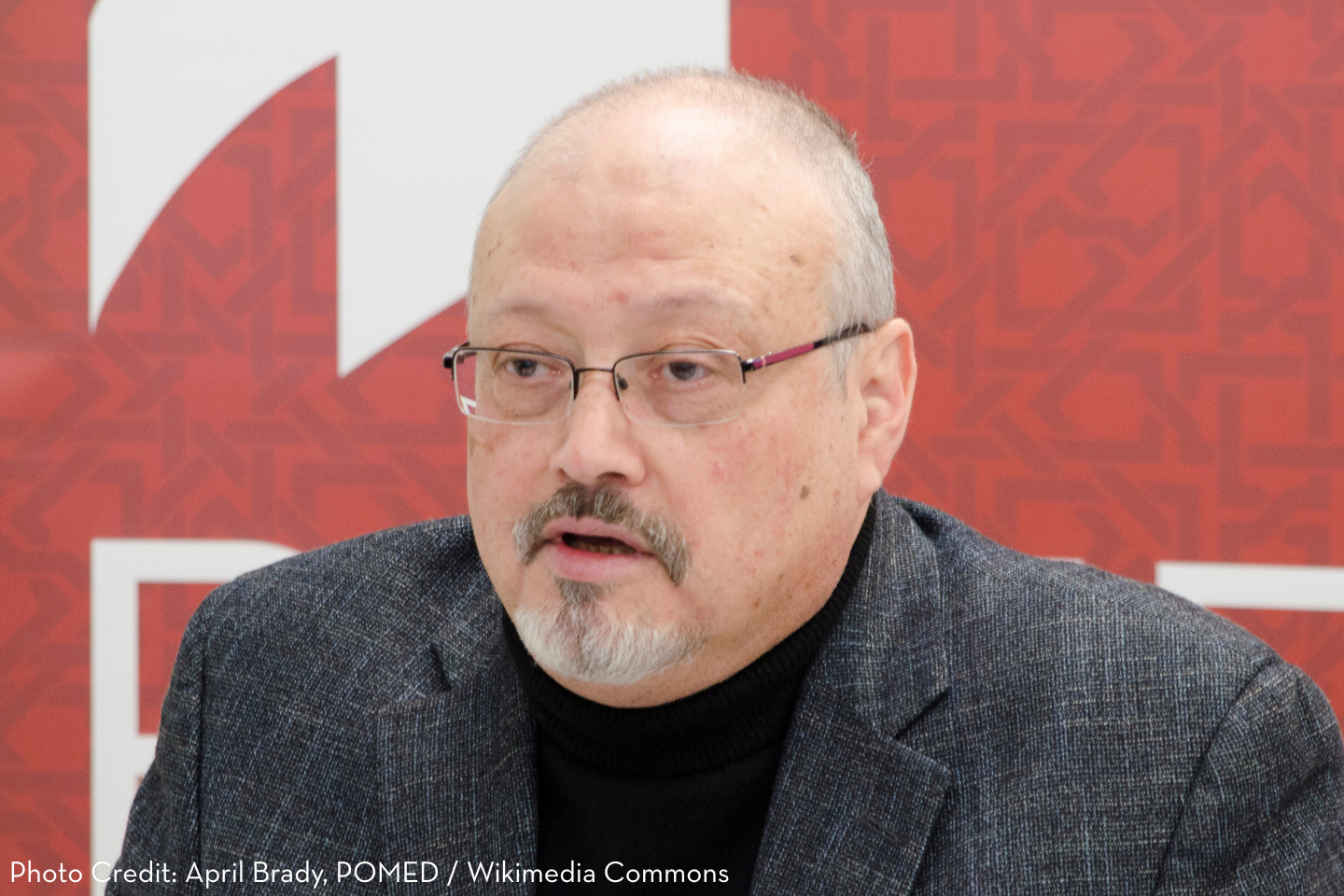
One uncensored fact about the Saudi government is that it is jailing writers, bloggers, and journalists for their speech, and in some cases, has killed them, in the ultimate act of silencing. It’s notable that the Festival overlapped with the seventh anniversary of exiled journalist Jamal Khashoggi’s murder inside the Saudi Embassy in Türkiye at the hands of Saudi agents—and at the likely behest of the crown prince, drawing a stark contrast between the government inviting irreverent American comedians, and its continuing, brutal, and sometimes deadly intolerance for speech that questions its authority or tackles controversial issues, from economic policies to women’s rights. Just this June, Saudi writer and journalist Turki Al-Jasser was executed for his satirical social media posts after seven years in detention.
At least 23 writers were jailed by the Saudi authorities last year. Online commentators Asma Al-Subaie and Manahel Al-Otaibi have been in prison for years for their online writing on women’s rights, including calls for an end to male guardianship rules across the Kingdom. Writers Noura Al-Qahtani and Fatima Al-Shawarbi are serving 45 and 30 years respectively for writing about human rights abuses in the country. Saudi authorities employ an extensive surveillance state, which not only effectively censors most criticism of the government but also prevents reporting on detention conditions and proceedings against detained writers.
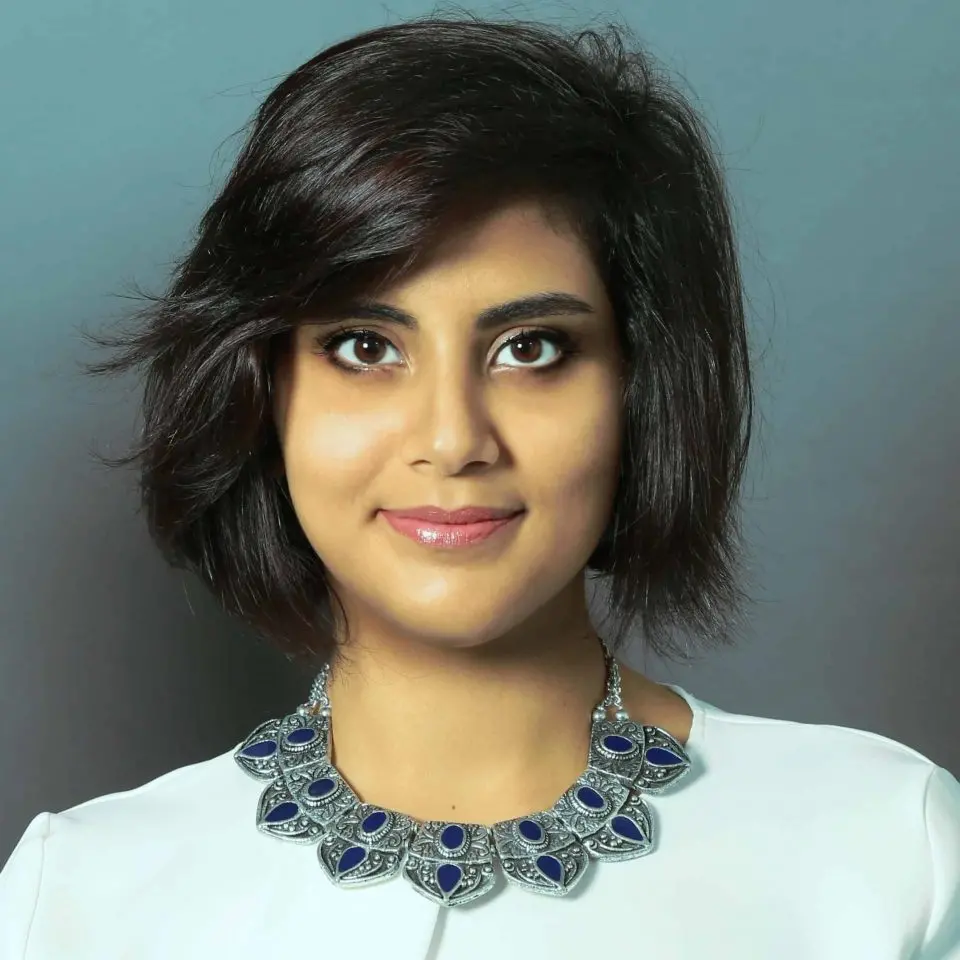
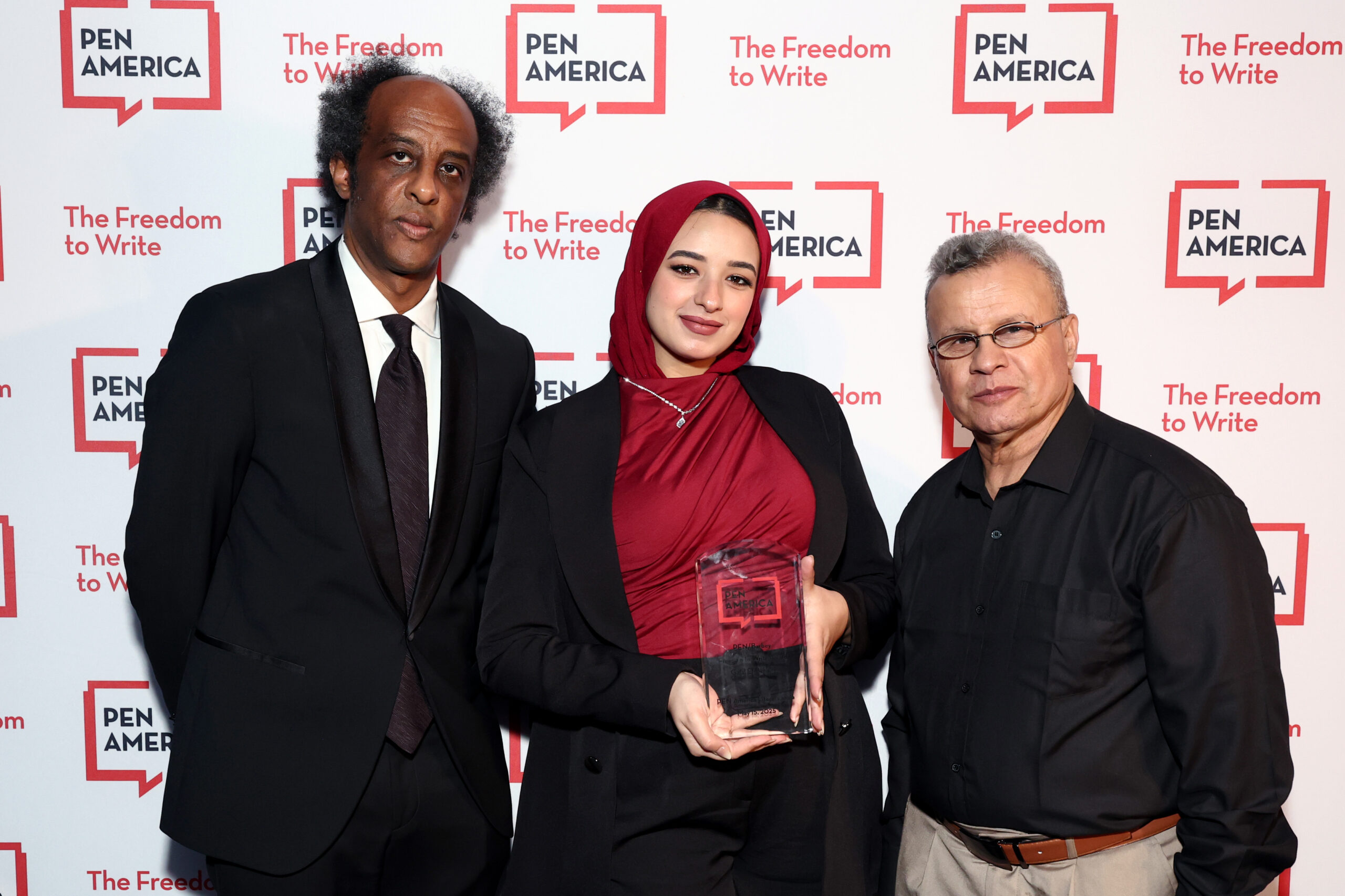
Saudi writers who are eventually released from prison face harsh restrictions, including decades-long travel bans and being barred from writing at all in a public way. Blogger Raif Badawi is unable to leave Saudi Arabia to reunite with his family because he is banned from traveling or using social media for 10 years, despite having already served 10 years in prison for his online writing. Activist Loujain Al-Hathloul, columnist Eman Al-Nafjan, and blogger Nouf Abdulaziz—three recipients of the 2019 PEN/Barbey Freedom to Write Award—were all detained in 2018 in relation to their women’s rights advocacy. They were freed from prison but are still subject to considerable restrictions on their freedom.
As American comedians know, the U.S. government is rapidly restricting freedom of expression. Across the country, book bans are proliferating, journalists are being harassed and attacked, students are arrested for expressing dissent, and educators are punished for teaching histories some would prefer to erase. The recent arrest and deportation of journalist Mario Guevara, a longtime reporter documenting the experiences of immigrant communities in Georgia, underscores just how fragile those freedoms can be.
When governments decide whose voices are legitimate and whose are disposable, the foundation of free expression crumbles. Writers, journalists, artists, and all of us must remind each other that freedom of expression is a universal human right, and we must defend those at risk and in jail for exercising it wherever and whenever they are under assault.