As authors watch the political landscape undergo rapid change, how should they react? Are they obliged to write about the complex problems that confuse and anger them? Do they have to present creative solutions, too? What if they want to put it all aside for a moment and write about a different kind of world?
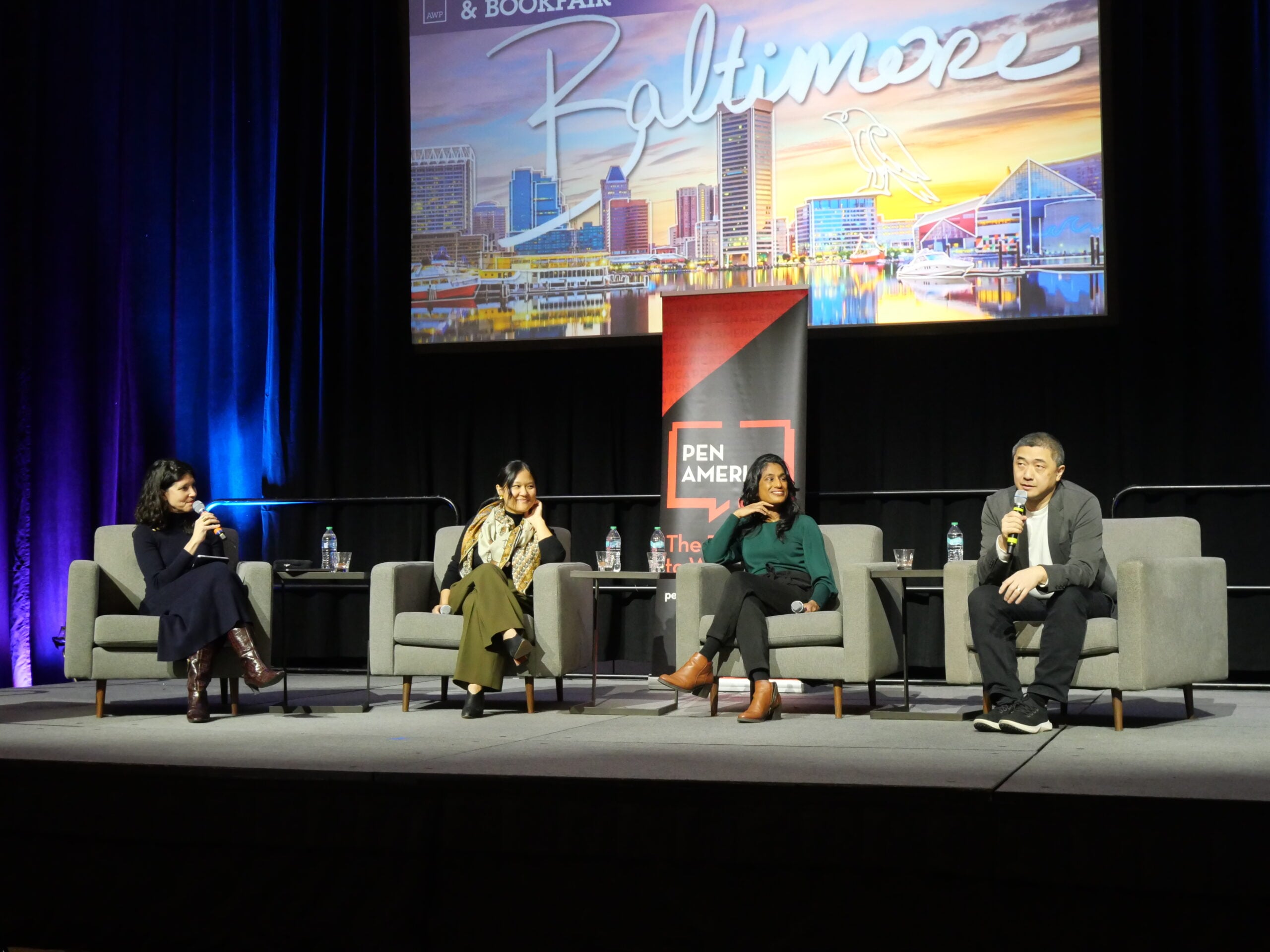
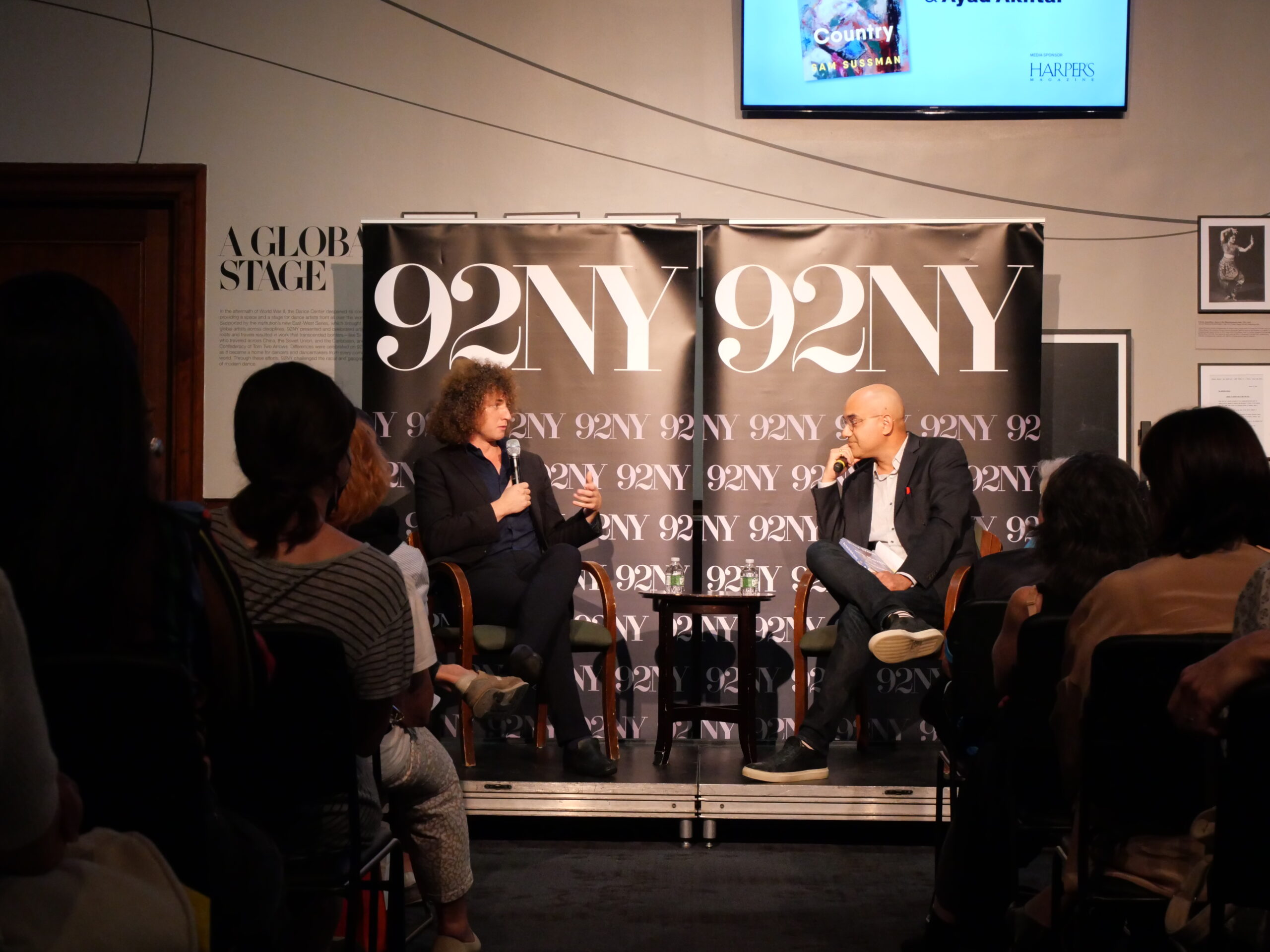
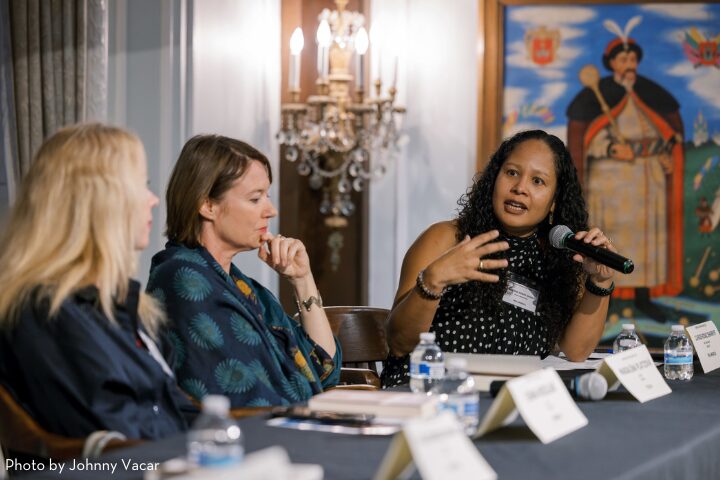
Moderator Adelle Waldman (Help Wanted) discussed these questions and more with authors Kevin Nguyen (My Documents), Justin Haynes (Ibis), and Calvin Kasulke (Several People Are Typing) in the second session of PEN America’s You Are A Writer series, which provides guidance to early career writers. Read five takeaways below, and catch up on the first session, which taught writers how to research for narrative storytelling, here.
1. You can try to avoid addressing the state of the world in your fiction (but it might be in vain).
Waldman began by asking whether the writers felt obliged to reckon with today’s political realities in their work.
“I don’t know if we have an obligation, but I will say, good luck getting away from it,” Haynes responded. “If you can somehow navigate the times in which we live without something creeping in… more power to you. I don’t think it’s possible.”
Kasulke agreed with Haynes, saying he can’t imagine how writers could escape the world — but he added that they aren’t under pressure to come up with solutions to any of its problems, either. Instead, they can work toward developing questions that the rest of us haven’t yet thought to ask, he said.
2. Just because your project contains political themes doesn’t mean it must have a political aim.
Nguyen said he bristles when anyone categorizes his books as political art, since he avoids reading or writing fiction that broadcasts a specific political message. “Even if it’s a progressive one that I agree with, I still think it’s tantamount to propaganda.”
Haynes agreed, warning attendees against writing agitprop. “Readers are very savvy and very sophisticated, and they can pick up on that,” he said. Ensure there’s a humanistic element to your writing, and you’ll be better off for it, he said.
3. Get creative with genre.
In Hayne’s perspective, the political environment in the United States is so extreme that it’s become difficult to write a subtle novel about it. Satire is also “impossible to write,” he said.
“How can you write about something [satirically] when everything is already beyond the pale?” he asked. Authors are ditching satire for other genres, he said, like speculative and historical fiction as well as “the rage novel.”
But authors don’t have to abandon satire when it starts to feel underwhelming, Kasulke said. He suggested that writers try braiding other genres into their satirical works to make them more complex.
4. Don’t fret about exploring other themes and ideas.
What if an author just wants to write a novel about middle-class characters having middle-class problems, like a messy affair? “Does that seem like a valid subject for a novel, or does it seem sort of obtuse?” Waldman asked.
“I don’t see people reading Sally Rooney at the park and [say], ‘Why aren’t you reading Ta-Nehisi Coates right now?’” Nguyen replied. “I think if people felt that way, that’d be a very narrow view of what reading is, what art can be.” Writers can feel unduly pressured to respond to the moment through their work, but it can be difficult to do so for many reasons, including the sheer amount of time it takes to bring a book to life, he said.
Kasulke also said he wouldn’t frown upon writers working on books that aren’t overtly political, pointing out how far back stories about love and complicated relationships go. “People don’t tire of these subjects. We’re not committing the sin of the bourgeoisie for having written them,” he said.
5. Accept that readers might draw ideas about your political context from your work that you didn’t put there intentionally.
Kasulke stressed that authors don’t have control over how readers interpret a book, especially decades or centuries after its publication. “If you’re lucky enough that somebody’s reading your book 20 years hence, rightly or wrongly, they’re going to be like, ‘Wow, this guy got out of the pandemic and wrote this, huh? That must have really goofed him up,’” he said. “Me from the past might go, ‘No, no, no, I was always this weird’… but too bad.”
“You can’t control the historical context in which you’re writing, mostly,” he continued. “If you can, maybe stop writing for a second and go control your historical context better, if you’re alive right now.”