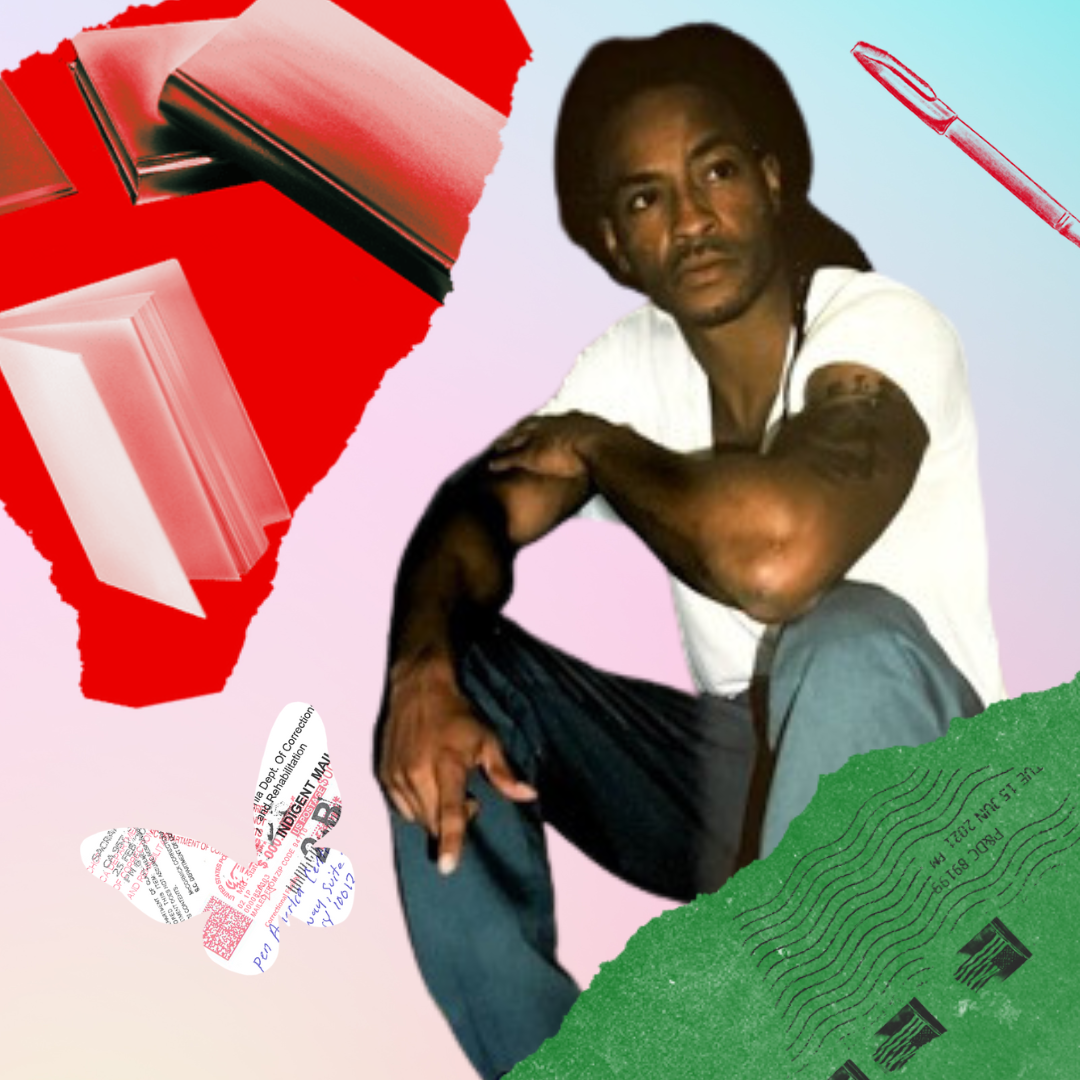
The PEN America/L’Engle–Rahman Prize for Mentorship was created to honor the extraordinary, decade-long written correspondence between acclaimed author Madeleine L’Engle and scholar, writer, and former Black Panther Party leader Ahmad Rahman. Beginning in the early 1970s, their exchange evolved into a rigorous intellectual and creative partnership that shaped both of their work, reflecting a shared commitment to mentorship, literary exchange, and mutual learning. The prize also recognizes Rahman’s journey from incarceration to becoming a respected professor of African and African American History at the University of Michigan–Dearborn, as well as L’Engle’s role as one of the earliest mentors in PEN America’s Prison Writing Program; generously endowed by L’Engle’s family, it memorializes their enduring connection.
Established in 2020, the prize is awarded annually to four mentor–mentee pairs in PEN America’s Prison Writing Mentorship Program, which connects incarcerated writers with correspondence-based mentorship. Recipients are selected through a collaborative process centered on two letters: a nomination letter written by the mentee and a response from the mentor. Together, these letters reflect on the impact of the mentorship experience and underscore the program’s emphasis on reciprocal growth, dialogue, and creative development. Each winner receives a $250 award and is invited to participate in a book exchange.
2025 Honorees
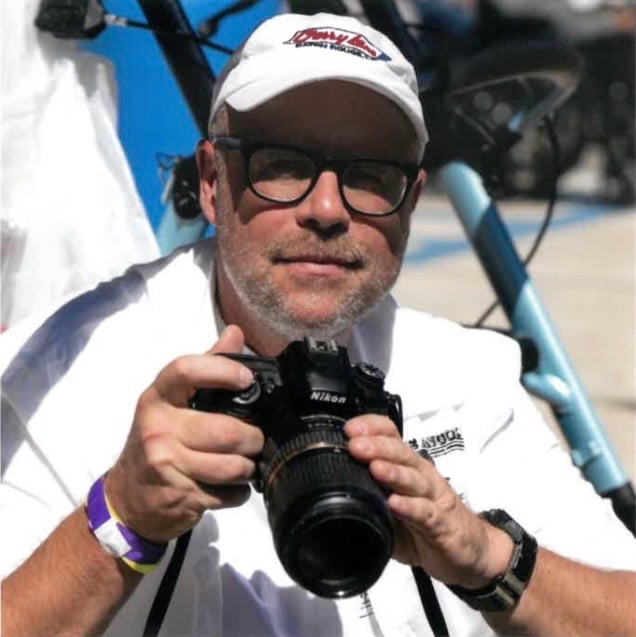
Lawson Strickland is a multiple PEN Award winner for fiction, drama, and memoir. In his third decade of incarceration, he works as a journalist for The Angolite, a prison news magazine, teaches creative writing and drama, and in 2024 founded The Big Muddy Short Fiction Contest with N. West Moss.
“PEN’s pairing of me with N. West Moss has had the most profound effect, more than any other I’ve experienced since being incarcerated. Her willingness to stand in the door of possibility on my behalf as a writer, reader, mentor, and member of the wider literary community has been both selfless and extraordinary. Her willingness to share her own work, her struggles as a writer, and her profound dedication to her craft has had a tremendous impact upon myself. In how I see myself not just as a writer, but as an individual who has something of value to be said, that needs to be heard.”
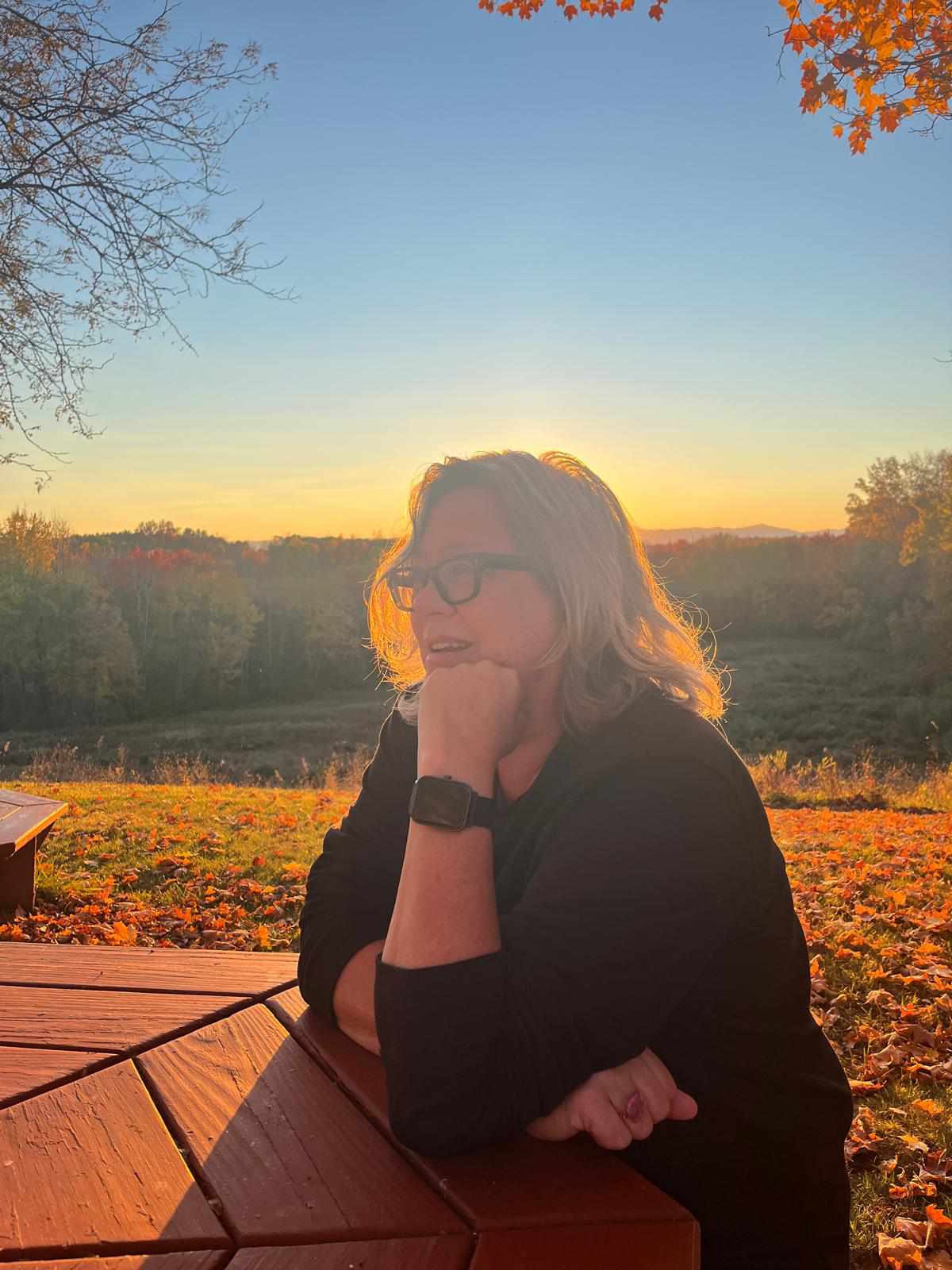
N. West Moss‘ writing has appeared in The Saturday Evening Post, The New York Times, Salon, McSweeney’s, and elsewhere. She has published three books: a short story collection called THE SUBWAY STOPS AT BRYANT PARK(Leapfrog), a memoir called FLESH & BLOOD (Algonquin Books), and a middle grade novel called BIRDY (Little, Brown Young Readers, 2026). She holds a Master’s in Secondary Education (English) and an MFA in Creative Writing (Fiction).
“We are mentor/mentee in title only. I can’t imagine a more gratifying collaboration than the one we have. My work with him is some of my favorite work. He is creating a world for himself and many others in a place that makes such endeavors profoundly complicated. It just so happens that I am uniquely suited to get him some of the things he’s looking for…What do I get out of it all? Just a profoundly enriched life, new writing and reading friends, broadened horizons, and a sense that what I have to offer the world is of actual value, and may just make someone’s life a little bit richer.”
Ken Meyers has been incarcerated in Pennsylvania since 2010, where he writes on a Swintec daisy wheel typewriter and works as a Certified Peer Specialist. He is the recipient of the PEN Prison and Justice Writing Fielding Dawson Prize for Poetry and has since won additional prizes in poetry, memoir, and fiction. He may be contacted vicariously at [email protected].
“Christine has inspired me to expand my horizons, to write big and to think big as well. What more could one ask for from a mentor than that?”
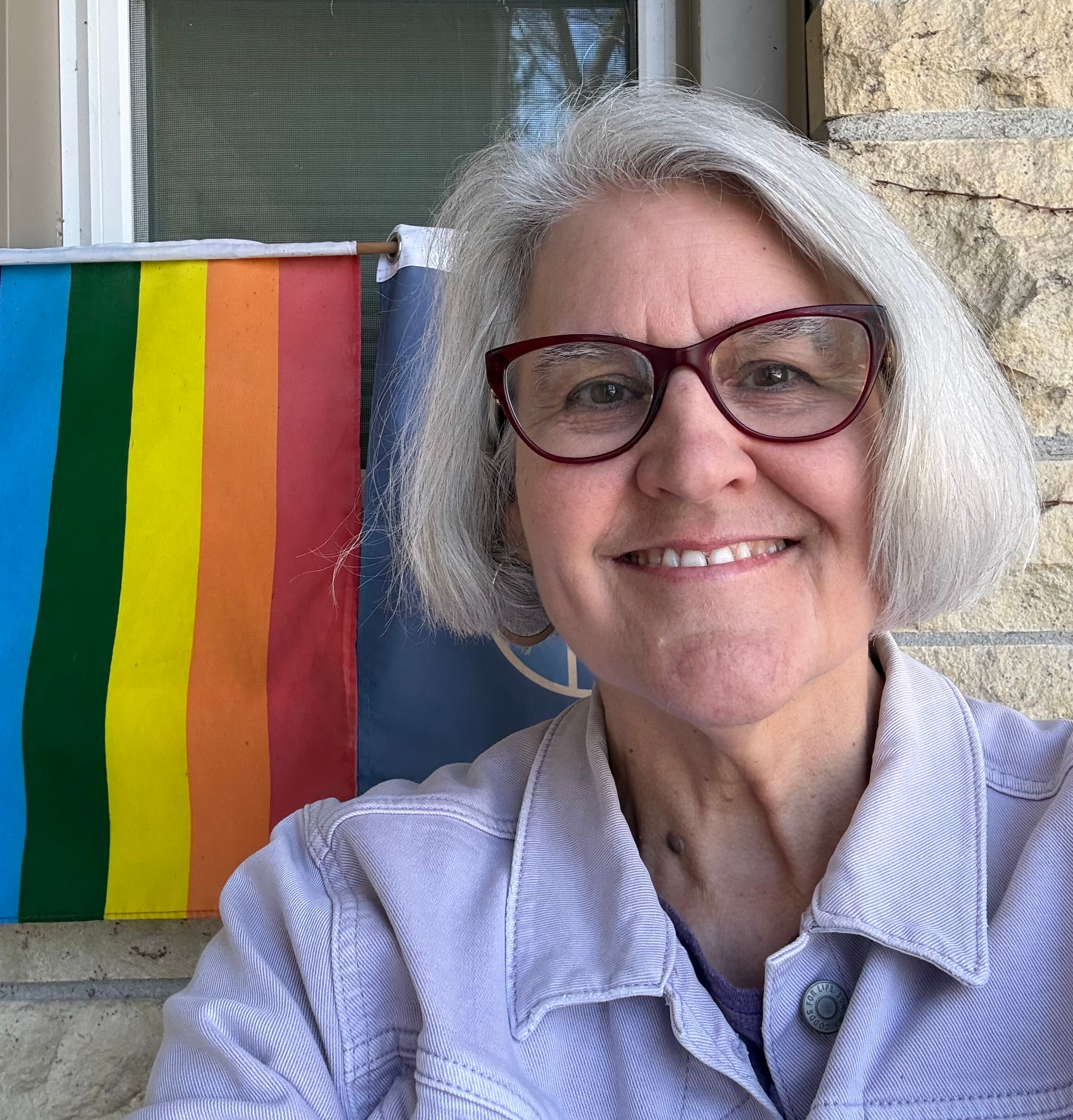
Christine Davis is deeply rooted in the Great Plains. A former academic, she is also a working poet, memoirist, and fiction writer. Christine has a deep passion for justice, informed by her work with her PEN mentee. Her chapbook Skin, Bone, Feather won the 2016 Tusculum Review Poetry Chapbook Prize. She was named a Great Plains Emerging Writer in 2014. She is currently working on a poetry collection and a YA novel.
“I assured [Ken], ‘I’ll travel with you as long as we both feel fed.’ And travel we have, not only as writers but as fellow humans.”
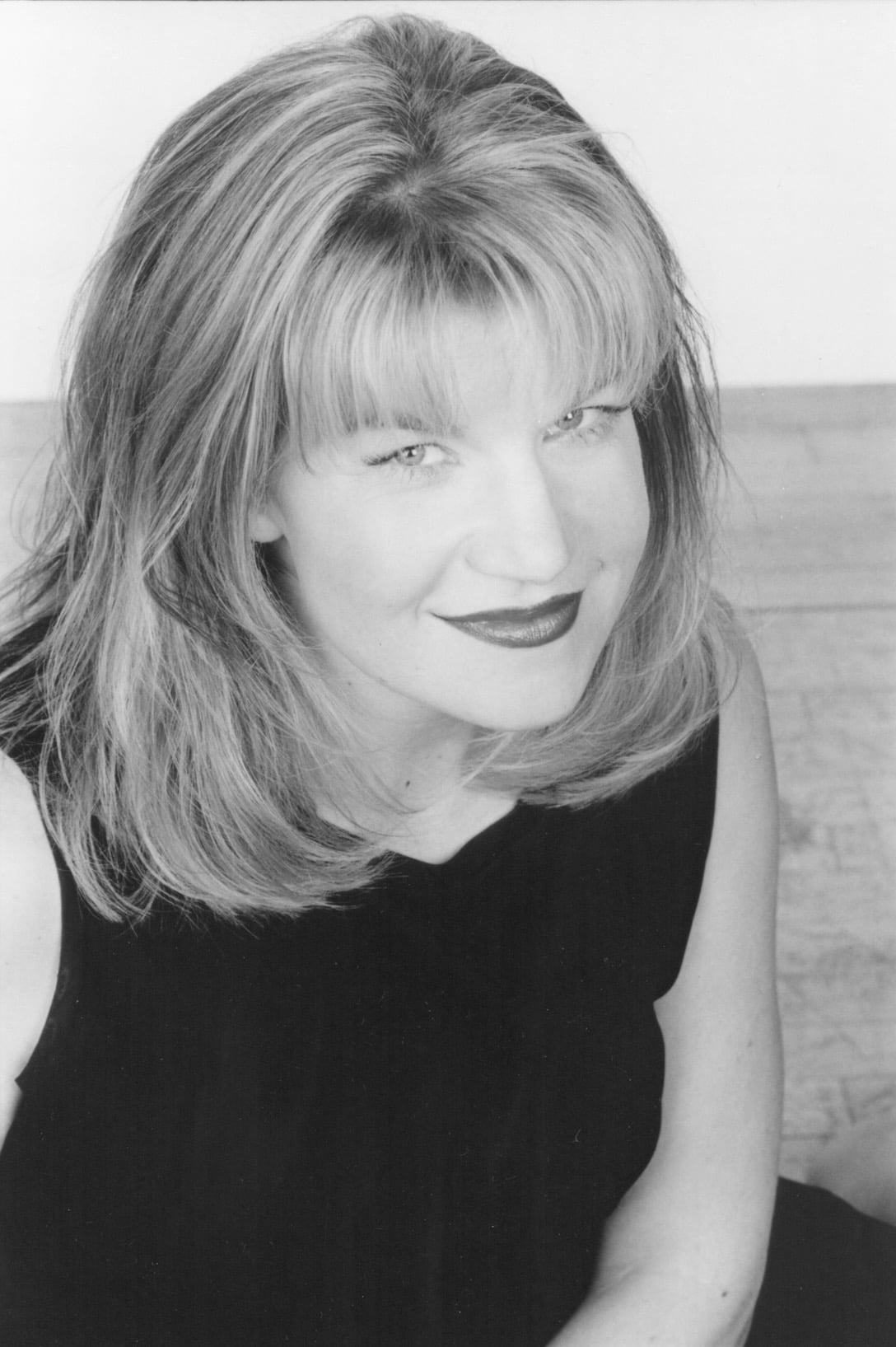
Elizabeth Hawes writes plays, poetry, and prose. She is a recipient of the Keely Schenwar Memorial Essay Prize with the Truthout Center for Grassroots Journalism (2023), and multiple PEN America writing awards. Recent work can be found in Defector, Lux, Prism, Black Lipstick, The Rumpus, Santa Clara Review, Zócalo Public Square, and The Sun. Elizabeth is the co-founder of Convergence, a project that connects incarcerated people across the country to create collaborative poems. She was awarded a 2025 Haymarket Books Writing Freedom Fellowship with the Mellon Foundation and Art for Justice Fund.
“Anderson’s mentorship has shown me there is space and an audience in the world for my vision. He affirms that I have something valuable to say…An impactful writing mentor makes you feel seen, appreciated, and inspires you to create your best new work. My partnership with Anderson Cook has shown me a bigger stage to set my sights.”
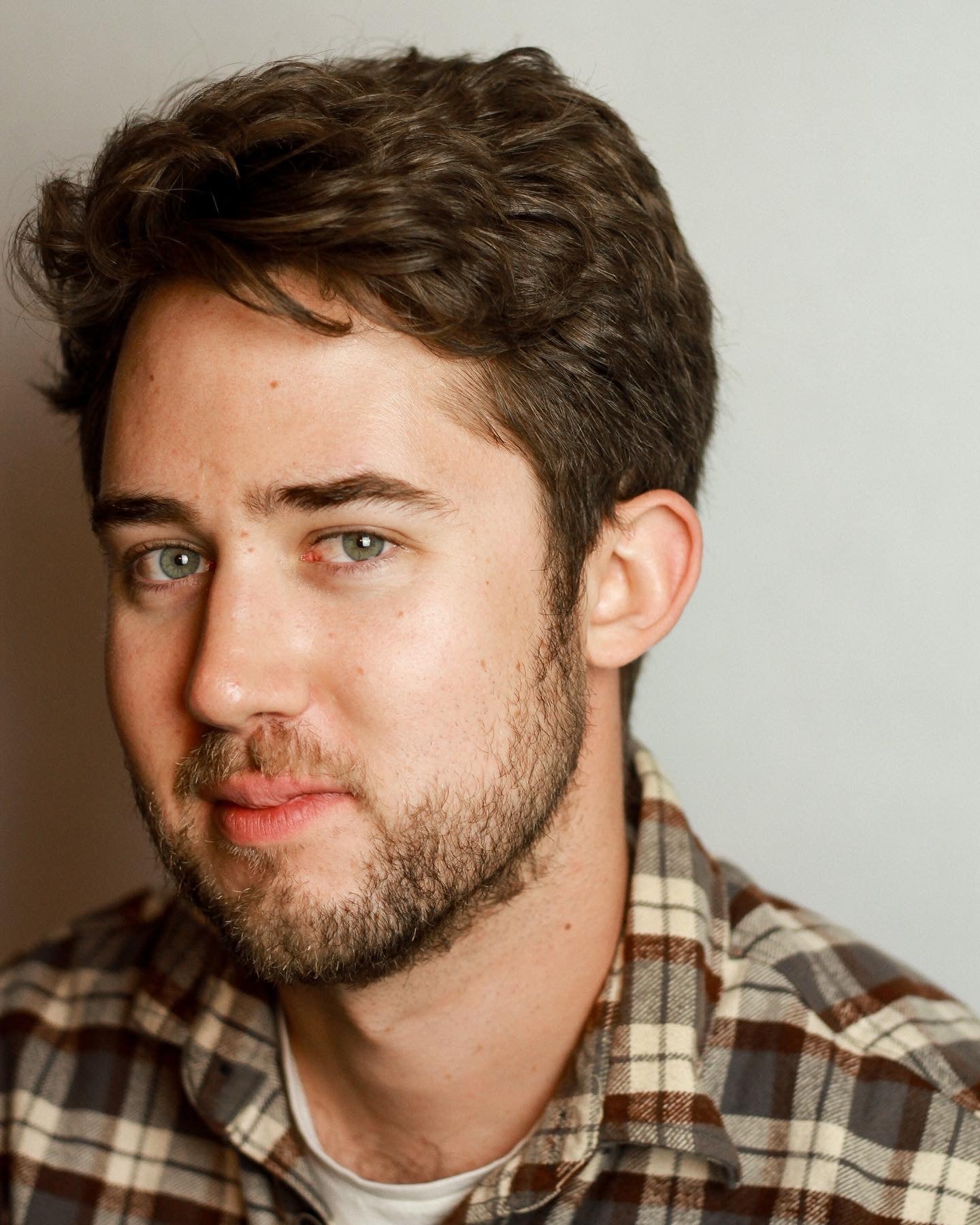
Anderson Cook is a playwright, screenwriter, and technologist whose work has been awarded and supported by the Ambie Awards, Discovering Broadway, the Alfred P. Sloan Foundation, Film Independent, the Tribeca Film Festival, the Nicholl Fellowship, the Geena Davis Institute on Gender in Media, and NMI/Disney Imagineering’s New Voices Fellowship. He’s created shows for Amazon, Spotify, Wondery, Plate Spinner Productions, and At Will Media. His musicals have been produced across New York City, the U.S., and internationally at venues like Dixon Place, Theater Now New York, Feinstein’s 54 Below, the Prospect Theater Company, (le) poisson rouge, as well as at colleges and universities such as Carnegie Mellon and the Boston Conservatory, and internationally at the Theater für Niedersachsen. His podcasts have reached #1 in 15 countries and have been listed among the Best Podcasts of the Year by The Atlantic, CBC, The Guardian, and Audible. He is a Film Independent Fellow and a member of the BMI Lehman Engel Musical Theatre Writing Workshop.
Anderson has been working with the PEN America Prison and Justice Writing Program since 2017, mentoring many playwrights, screenwriters, and poets. He has contributed editing services to several PEN America anthologies. He also works with the Petey Greene Program and Homeboy Industries. He believes education is a tool of liberation and is thrilled by Elizabeth’s well-deserved recognition.
“[Elizabeth] will make the best possible use of the resources provided and pour it back into the world in the form of more honest, wholly original, and excellent writing. I am very grateful for our partnership, and can’t wait to continue to see her grow as a playwright.”
Franklin Lee is a writer at FCI Englewood in Colorado. He was previously incarcerated for a decade in California state prisons and is currently serving time in the Federal Bureau of Prisons. His work has been published by PEN America, Prison Journalism Project, and Vanguard Incarcerated Press. He was the lead reporter for the Mule Creek Post, an inmate-run newspaper in Ione, California. His published works include: “Asian Shame: An American Stain,” “Taught to Hate Myself,” and his poem “Heart, Body, and Soul,” which appeared in PEN America’s 2025 National Poetry Writing Month zine, Verse Among Us.
“My mentor has had me write about my deep emotions through various genres of essays, poetry, and fiction, providing topics, historical information of Asian-American struggles (something we both share), and in-depth essays from prominent writers. She walks with me every step, though she is hundreds of miles away: working, re-working, editing, re-editing each project as I become more human again.”
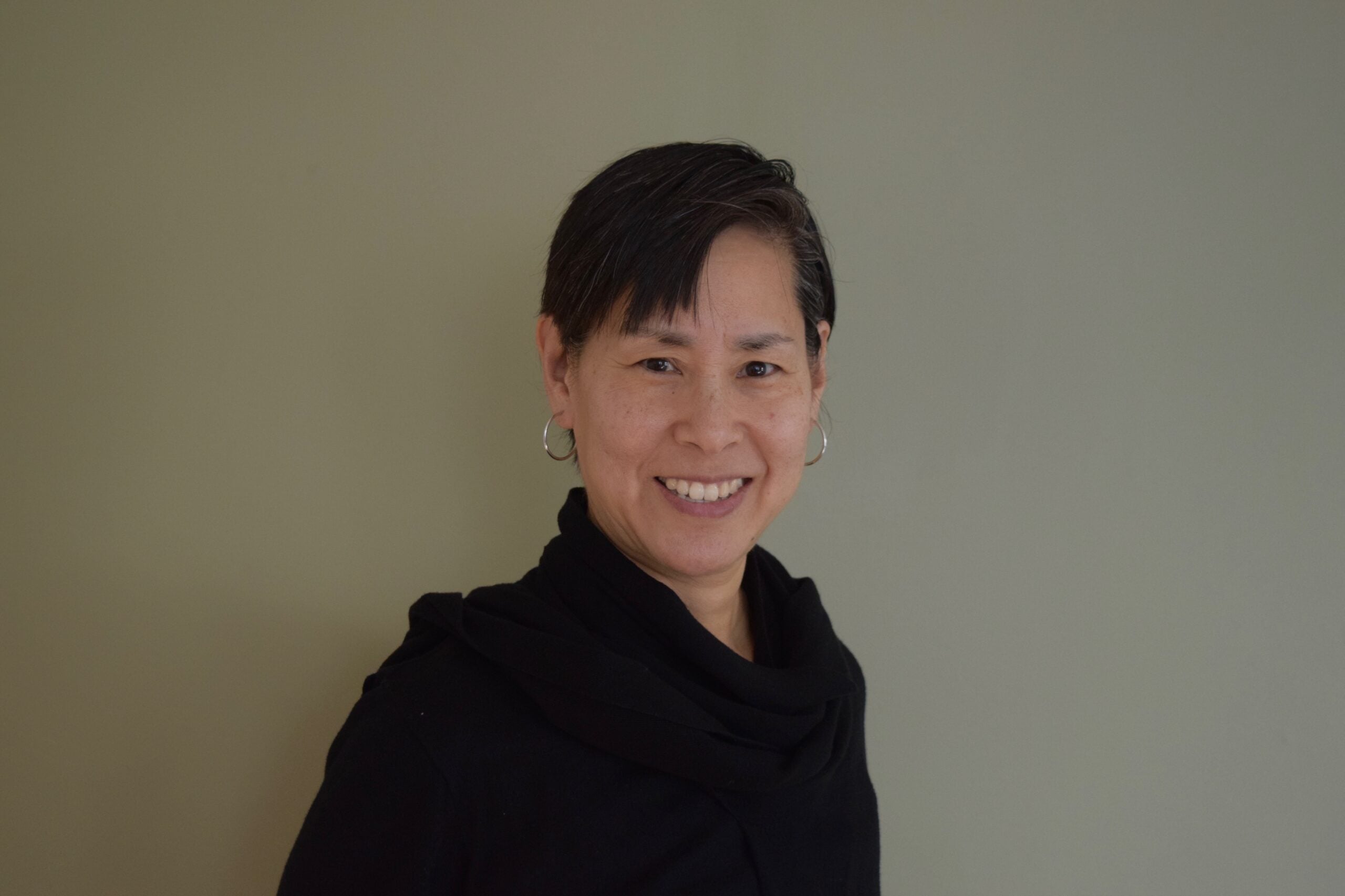
Rosann Tung writes creative nonfiction and conducts research and advocacy for racial justice in public education. Her personal essays have been published in The Boston Globe, Memoir Magazine, Pangyrus, Solstice, and elsewhere. She placed first in the Boston in 100 Words flash contest. She serves on the board of 826 Boston, a nonprofit that supports youth publishing and leadership. In a previous life, she was a molecular biologist.
“We both reflect on invisibility, hypervisibility, and longing to belong, which originate from growing up racially isolated with assimilation as the goal…We both write from legacies of war, family separation, silences, aspiring to whiteness, erasure, and exotification. We both write to heal, and to share windows and mirrors with our readers.“