Conversations on the Quad: Turner Van Slyke (Education and Democracy United)
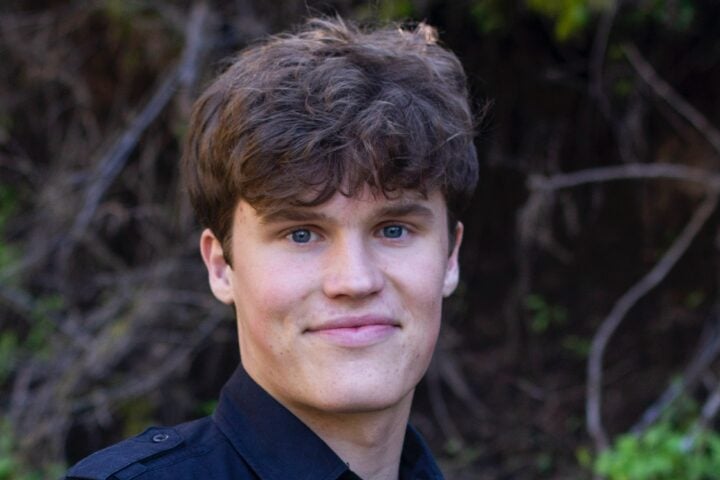
Political attacks on academic freedom and higher education are not just a threat to American educational institutions – for 19-year-old rising college sophomore Turner Van Slyke, they are also a threat to American democracy itself.
“Universities are a critical pillar of any functional democracy,” he explains. “The ability to think critically, to examine the media you consume, to be able to respond to existential threats as they arise is critical to any society’s longevity. The attacks on universities in the United States are pretty blatant.”
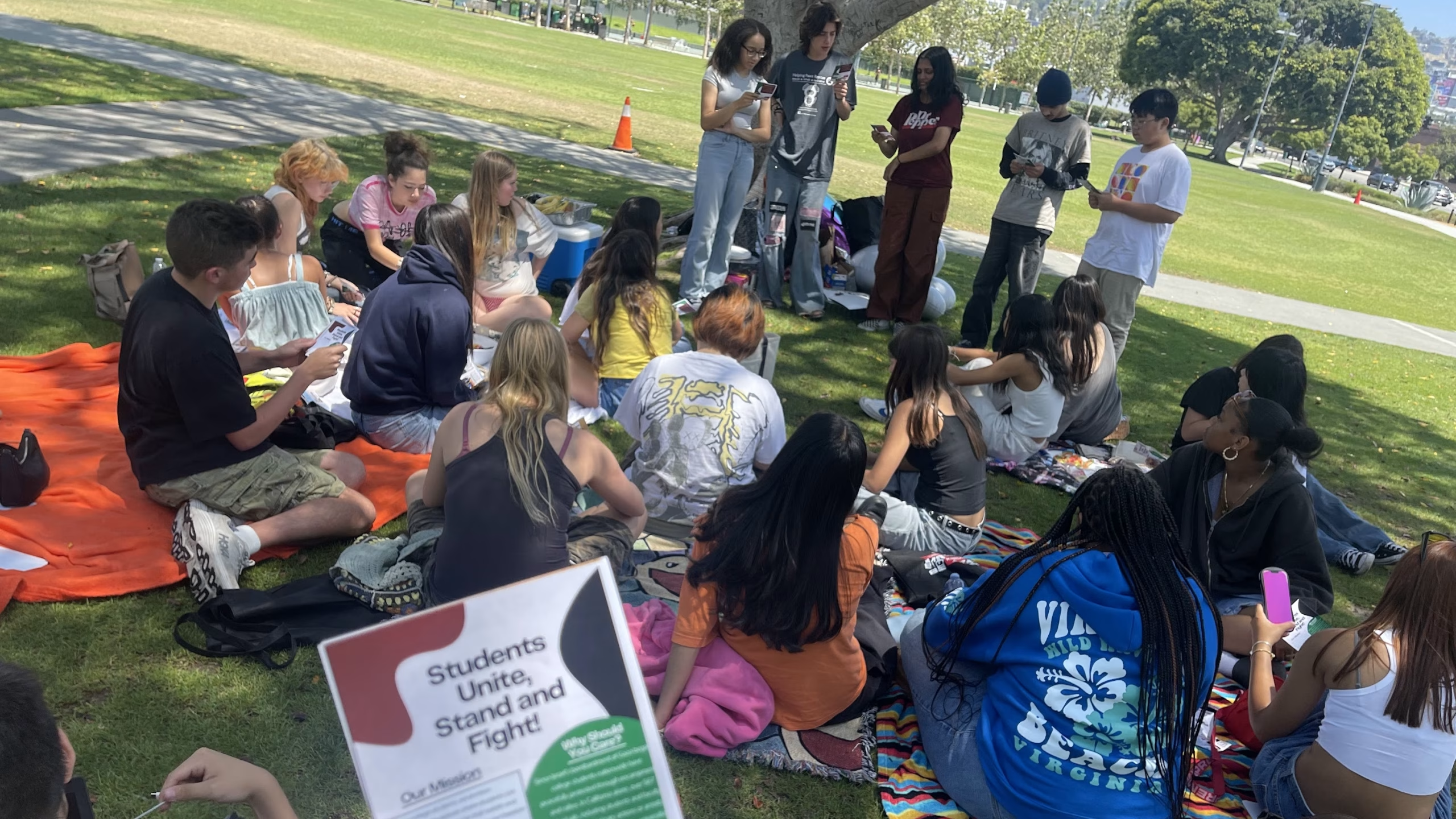
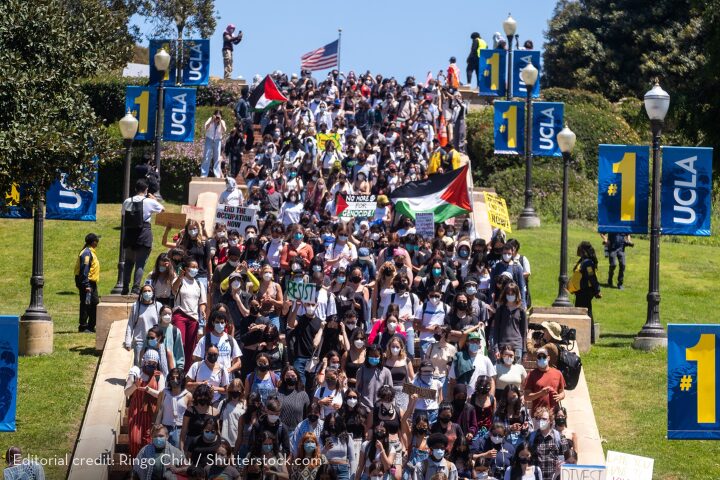
Turner is an organizer with Education and Democracy United (EDU), a coalition of students, faculty, and staff from educational institutions across the United States who are organizing to defend universities from outside interference. Turner works with the group’s national strategy team and founded and leads its chapter at Stanford, where he is a student. “We’ve had rallies and we’re building a network,” said Turner. “We’re trying to support a culture of dialogue and democratic expression in a really troubling time. But really, we’re trying to engage students – to build a sense of agency among student bodies.”
EDU, which began its work in March, is focused on building a strong base and raising awareness about the attacks that higher education has been facing. Students are an important part of that effort, but organizing them comes with challenges. Fear, according to Turner, is a major hurdle. “There are a lot of scared people at college campuses across the United States right now,” he says, “and a lot of people don’t really know what to do. And we’re not going to lie to them and tell them that we know what to do. But we do know that doing something is better than nothing.”
Despite these challenges, when we discussed what is giving him hope, Turner emphasized how heartening it is to see his peers come together – whether to advocate with EDU or simply to share music and food. “[Community] is the only antidote to that fear and that withdrawal.”
As an organizer, Turner hopes that college and university students understand that “It’s up to us to advocate for the values that we believe in. There’s a lot to lose, and young people are going to feel the brunt of that loss.” For those who are feeling demoralized or scared, but still want to get involved, he encourages students to “find your networks at your college or university. If you connect with like-minded advocates, your work will be not only far more effective, but it’ll also be more fun and more sustainable, and you’ll be far less likely to burn out.”
Throughout our conversation, we discussed the importance of movement building and elevating the student voice in order to counter attacks on education and our democracy. But as we wrapped up, Turner returned to the importance of community: “Holding our community members who are scared and hurting right now is the most important and tangible thing that you can do… Communities are what we have, and it’s really important that we uplift them.”
To support Education and Democracy United and get involved in their fight to defend freedom of expression and academic freedom, go to educationdemocracy.org and sign up for their newsletter.