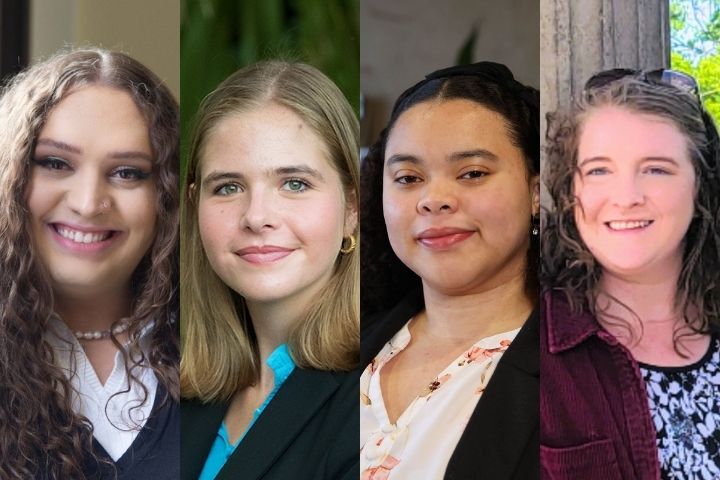
How are college and university students faring amid the mounting attacks on free expression in higher education? How do national debates about censorship and the open exchange of ideas affect the experience of the everyday student? As state and federal attacks on free expression in higher education evolve and spread, students are often caught in the crossfire – now it’s time to hear their voices.
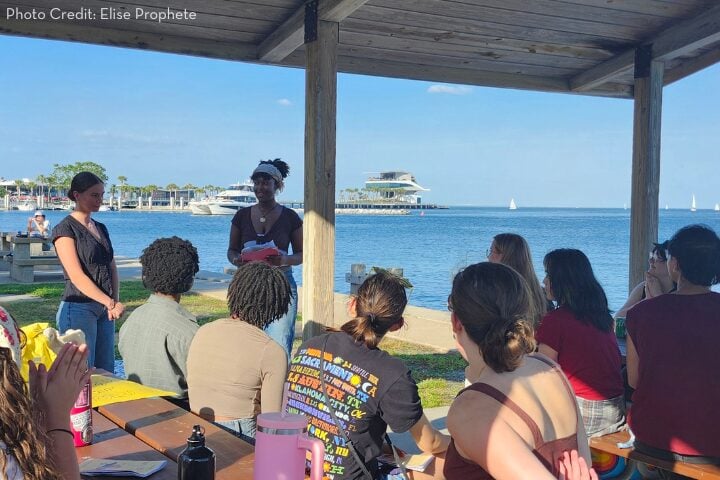
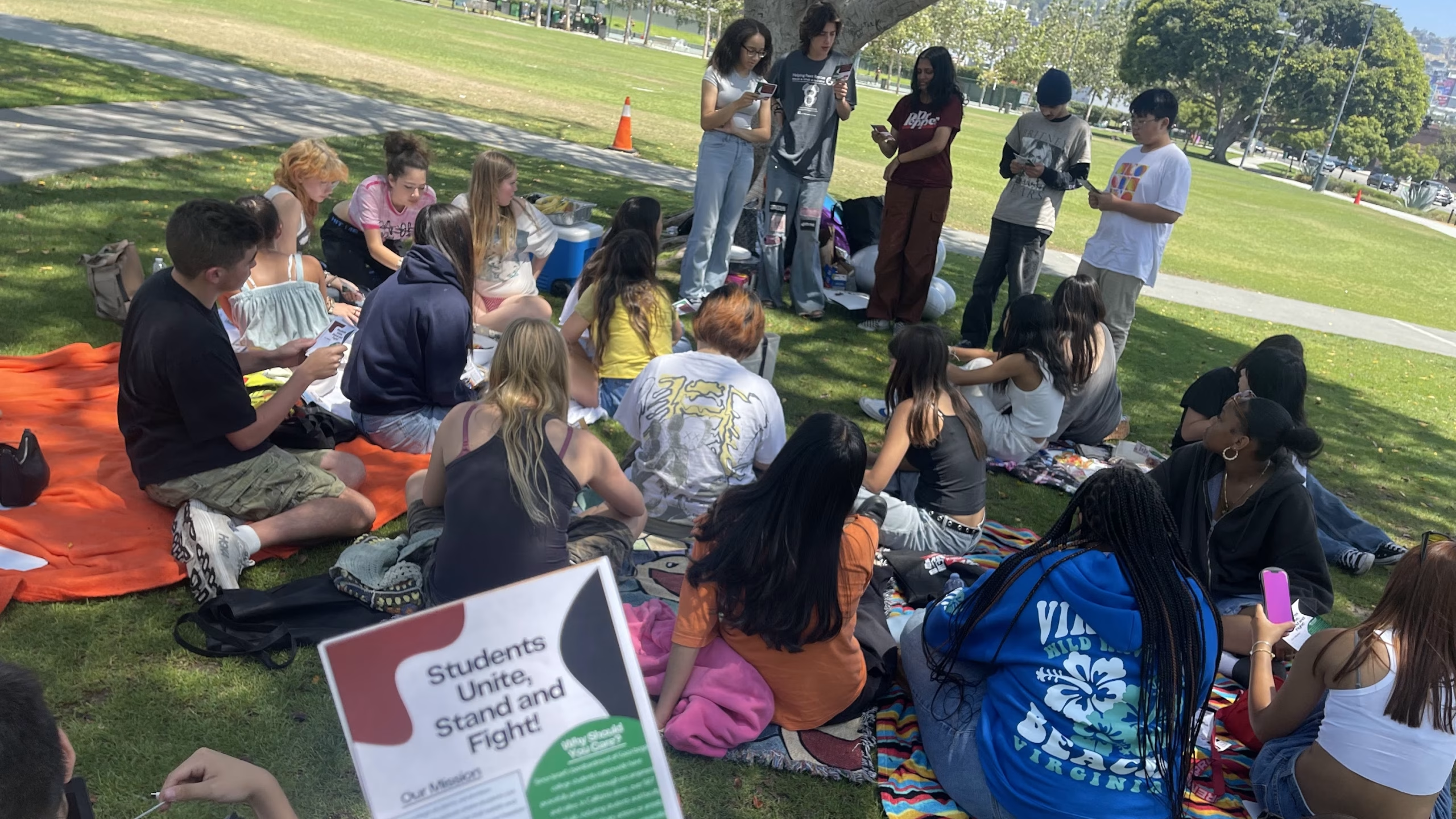
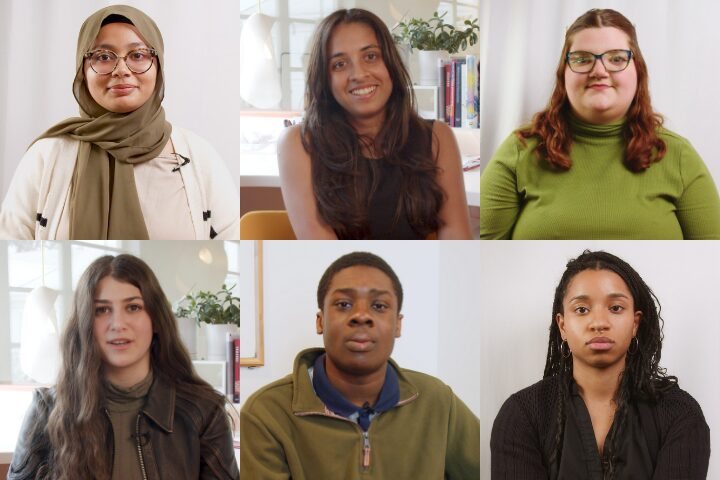
Thanks to the generous support of The Kresge Foundation, PEN America interviewed 11 undergraduate students from universities around the country on the importance of free expression and the freedom to learn in higher education. Their perspectives add nuance to conversations around protests rights and free speech on campus, and how governmental interference would hinder their experience at college.
Dominic Okonkwo Jr., a student at the College of New Jersey, explained that free expression, for him, means, “speaking up for yourself, speaking up for a friend, or speaking up for your community.”
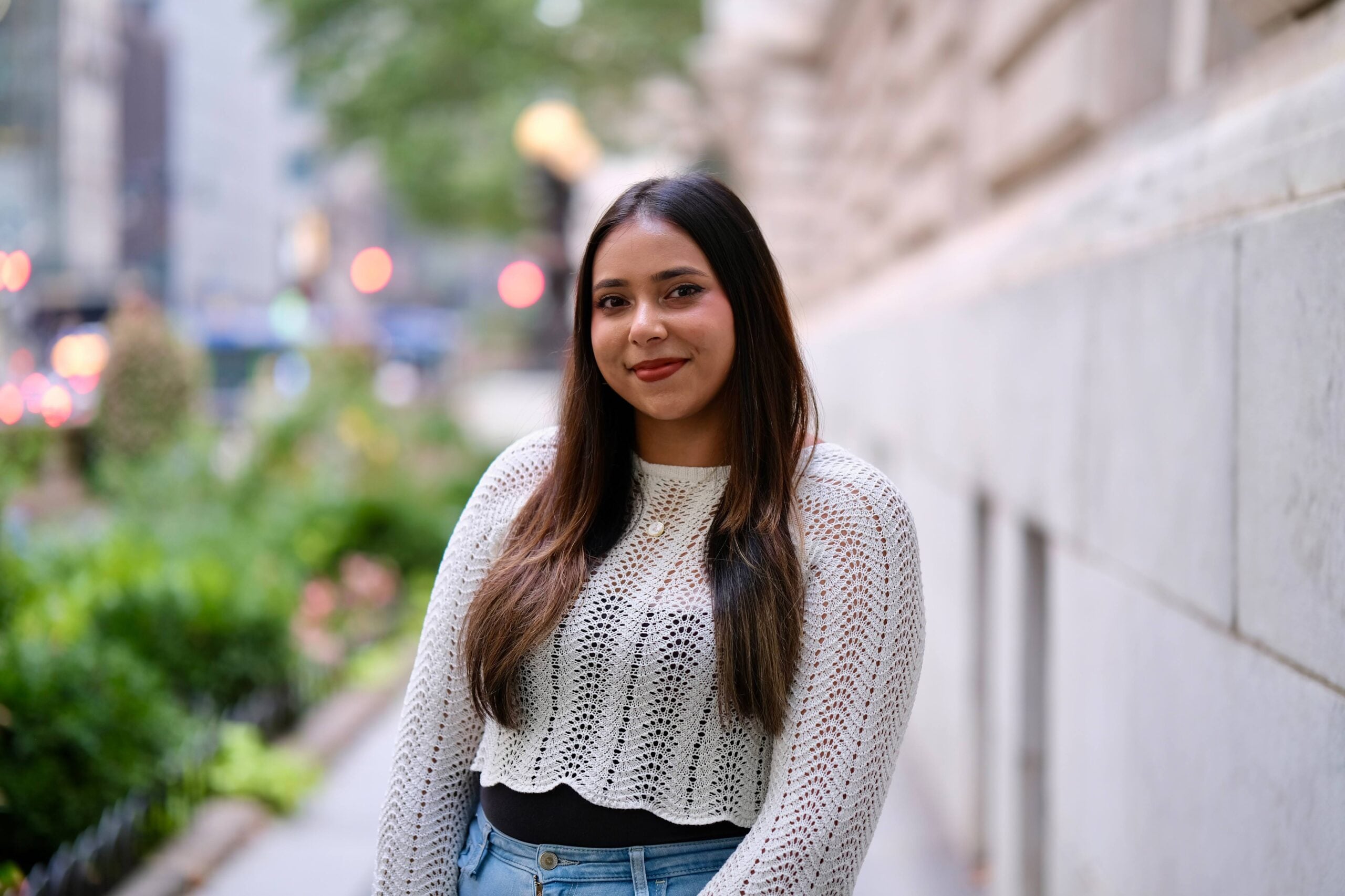
For undergraduate student Gulam “Oyshi” Monawarah, a student at Yale University, our questions got to the heart not just of education, but identity: “Your right to express yourself is so integral to what it means to be an American.”
Gulam “Oyshi” Monawarah
“Your right to express yourself is so integral to what it means to be an American”
Ariona “Ari” Cook
“If we’re going to have conversations where [we’re] not censoring ourselves, we need to protect freedom of expression for students.”
Other students offered suggestions about how they have tried to foster a climate of free expression, encourage productive dialogue, and counter chilling effects of censorship on their campuses. Ariona “Ari” Cook, a recent PEN America intern and rising college junior at Duke University, emphasized the connection between academic freedom and the importance of protecting students’ right to free expression, saying, “If we’re going to have conversations where [we’re] not censoring ourselves, we need to protect freedom of expression for students.”
Dominic Okonkwo Jr.
“Free expression means to me speaking up for yourself, speaking up for a friend, or speaking up for your community.”
Alexandra Brookes
“Free expression is a necessity to be able to advocate for ourselves within higher education.”
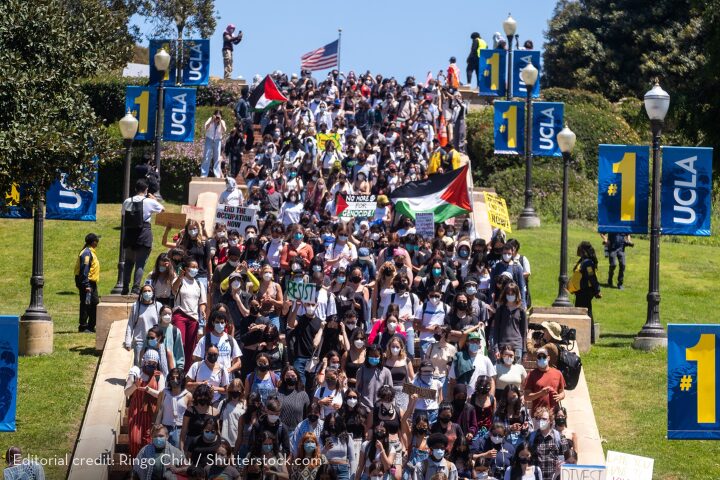
These students and their peers offer insights from their own advocacy to consider how campuses can foster a climate of free expression and stand firmly against censorship in and out of the classroom. Julia Wysokinska, a student at the Macaulay Honors College (CUNY), says, “Even if we don’t agree with what is being protested for or against, it’s really important to be able to hear what other people think.”
Amen Dilawar
“As students, what we can do is make sure we use our pen as our power.”
Julia Wysokinska
“Even if we don’t agree with what is being protested for or against, it’s really important to be able to hear what other people think.”
As state and federal governments continue to meddle in higher education, threatening the academic freedom and autonomy of institutions across the country, the student perspective is key to tracing a path forward. These videos from today’s students and tomorrow’s national leaders, filmed and produced by PEN America’s Senior Video Producer, Damarcus Adisa, are a vivid reminder that we all must band together to protect the freedom to learn.
Abygail Simmons
“College campuses can encourage students and professors to express themselves more freely by providing them a space to have their voices be heard”
Elizabeth Goldman
“Higher Education is intrinsically related to free expression because it’s all about the exchange of ideas.”
Kashish Sachdeva
“Writing itself is a call to action because it has the ability to move people.”
Lauren Payne
“Free expression for some but not free expression for all is really where you find the issues.”
Abigail Lee
“We need more students to speak up and share their opinions.”
If you want to learn more, you can check out our Campus Free Speech guide or our workshops for faculty, staff, and administrators.