
Hateful Speech and Expression on Campus
Neither government nor universities should seek to regulate or prohibit expression simply because it is offensive or disturbing.

Guiding Principle
Hateful speech can menace, intimidate, or otherwise cause harm. Such speech, even if not unlawful, can impair the sense of welcome and safety of some students, as well as their equal access to the full benefits of a college education. It can also dissuade those targeted from using their free expressive rights. When students and faculty self-censor, public discourse is narrowed and robbed of a diversity of perspectives and voices. Hateful expression that does not cross the line into harassment or other unlawful conduct, however, should not be used to justify restrictions on speech. Neither government nor universities should seek to regulate or prohibit expression simply because it is offensive or disturbing.
75% of college students think hate speech should not be allowed on college campuses.
“College Student Views on Free Expression and Campus Speech 2024,” Knight Foundation and Ipsos, July 2024
Overview
Controversies related to speech on campus often stem from legitimate concerns regarding the impact of speech that may be offensive, hateful, or abhorrent to others. While hateful expression may be deeply disturbing, it is legally protected, and distinct from hate crimes which involve criminal acts like assault, vandalism, or other illegal conduct. Although many may feel anger, resentment, frustration, or discouragement in response to hateful speech, those feelings alone are not sufficient grounds to limit the offending speech or speaker. Campuses must take situations involving hateful expression seriously, and should engage in education, use their own speech to repudiate hateful ideas, and encourage counterspeech in response to them, rather than turning to censorship. They should also offer meaningful support to those affected.
What does the law say about hateful speech and expression on private and public campuses and universities?
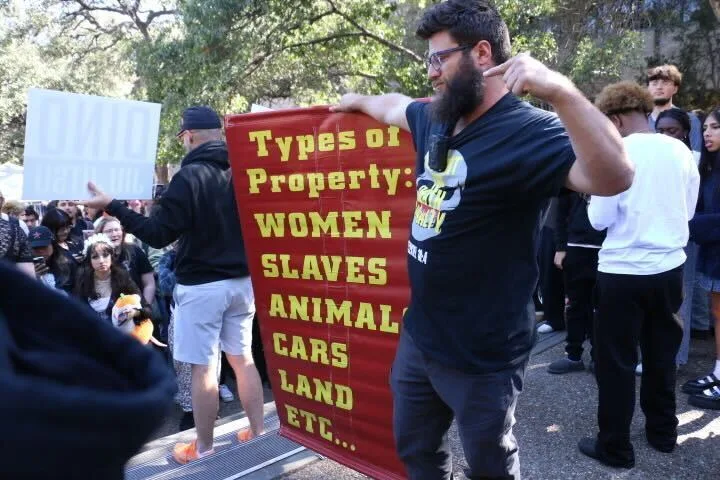
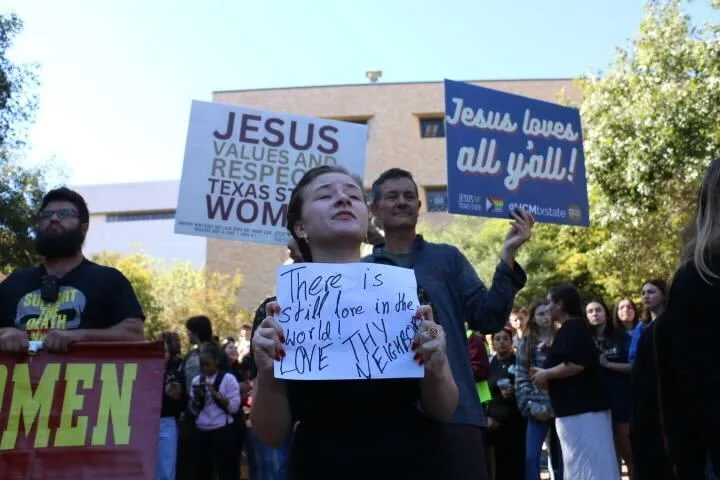
44% of students feel comfortable expressing their opinions on campus without fear of repercussions, while 41% believe there should be limits on free speech to protect against hate speech or offensive language.
Jessica Bryant, “Nearly 1 in 3 College Students Have Experienced Free Speech Limitations on Campus,” BestColleges, April 26 2024
Our Approach
- Administrators have an imperative to be responsive to threats, hateful intimidation, and students’ experiences with overt racism and other forms of bigotry and discrimination. This responsiveness is imperative to nurturing an environment where everyone feels empowered to participate in the free exchange of ideas and opinions.
- Effective responses to hateful speech include counter-messaging, public condemnations, direct support for targeted individuals and groups, the facilitation of open dialogue, and educational initiatives.
- When hate crimes, harassment, or any other illegal conduct occurs, administrators should respond forcefully, investigate incidents fully, and proceed with disciplinary and/or legal action as appropriate.
- Conflating controversial or even offensive viewpoints with hateful speech can result in suppressed open discourse, causing groups whose expression is deterred or punished to withdraw from meaningful conversations, even when their expression was not intentionally hateful.
- Coming to a universally acceptable definition of hate or hateful expression is unlikely, and campuses should resist creating policy intended to regulate or eliminate hateful expression from campus. Such policies are vulnerable to abuse due to subjective understandings of what constitutes “hate.”
Title of recent blog post about this topic that we want to highlight
Lorem ipsum dolor sit amet, consectetur adipiscing elit, sed do eiusmod tempor incididunt ut labore et dolore magna aliqua. Ut enim ad minim veniam, quis nostrud exercitation ullamco laboris nisi ut aliquip ex ea commodo consequat.
An increasing share of students think colleges should protect students from offensive speech: 27% in 2024, up from 18% in 2017.
“College Student Views on Free Expression and Campus Speech 2024,” Knight Foundation and Ipsos, July 2024
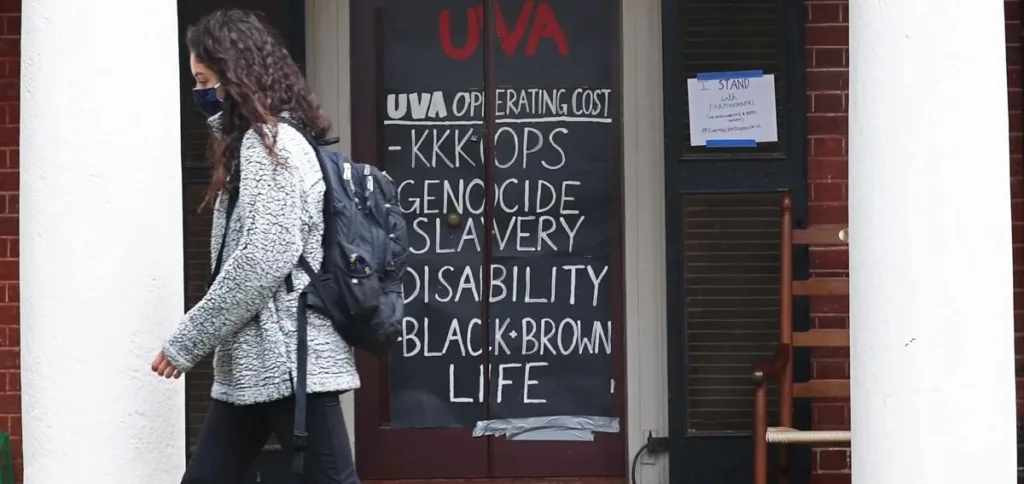

The Campus Free Speech Guide Blog
To read case studies about free speech on campus and learn more about PEN America’s approach to these issues, check out the Campus Free Speech Guide blog.
Acknowledgements
PEN America is grateful to the thousands of students, faculty, and administrators who have engaged with us over many years, and especially to those who offered detailed and substantive feedback on earlier versions of this site.
The Campus Free Speech Guide was made possible by the generous support of our funders.
Disclaimer: Nothing on this website constitutes, nor should be construed, as legal advice on any matter. All content on the website is for informational purposes only. PEN America is not liable for any errors or omissions in the information and is not liable for any injuries or damages related to the display of the information on this website.