
Faculty Speech and Expression
Faculty must be free to research and teach according to the standards of their discipline.

Guiding Principle
Academic freedom is the core tenet that protects and undergirds teaching and learning in higher education. Faculty must be free to research and teach according to the standards of their discipline and be encouraged to push the bounds of knowledge without outside interference or retaliation. Upholding academic freedom safeguards students’ freedom to learn.
Between December 2023 and February 2024, more than one out of three faculty reported that they felt more constrained, compared with six or seven years ago, in their ability to speak freely, whether that was in the context of teaching course content, participating in institutional governance, or as a citizen.
“Academic Freedom and Civil Discourse in Higher Education,” Association of American Colleges and Universities (AAC&U), American Association of University Professors (AAUP), and NORC at the University of Chicago, January 2025
Overview
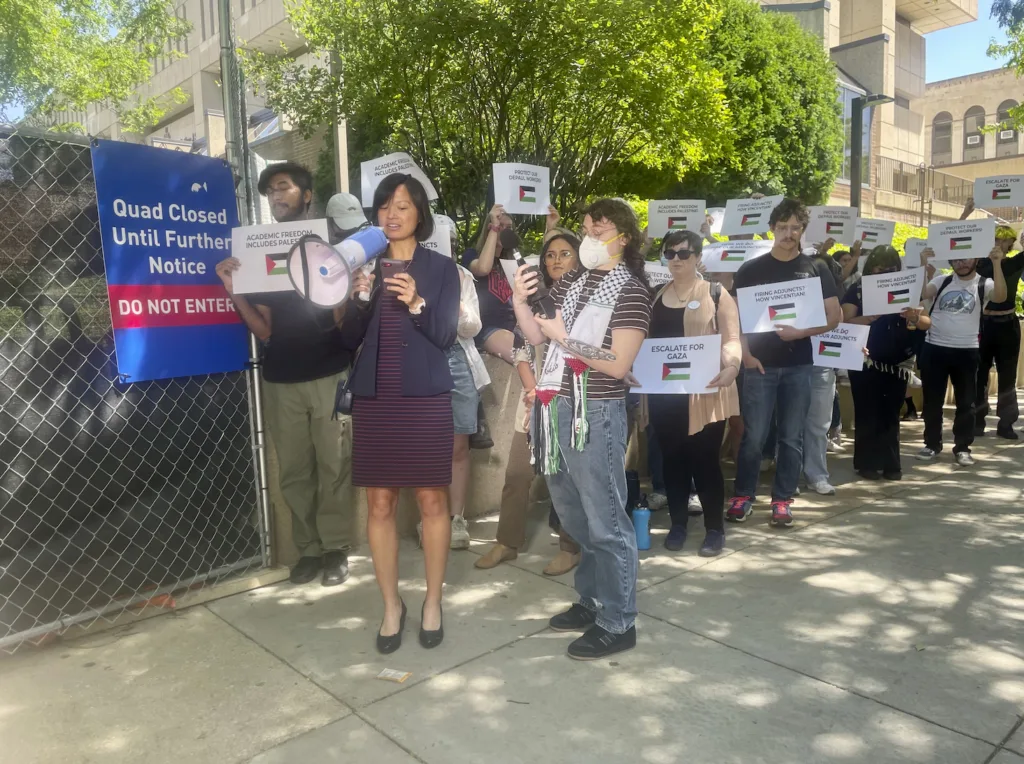
Faculty are the backbone of academia: the creation and dissemination of knowledge through faculty’s research and teaching is central to the institution’s mission. Faculty have the authority to determine how they teach their subject matter and assess their students’ academic performance. They have the right to speak freely about their institution and its leaders without fear of retribution and they retain their right to speak freely in public and outside of their professional roles.
While there is no universally agreed upon definition of academic freedom, the American Association of University Professors (AAUP) provides one of the most widely cited frameworks. According to the AAUP, academic freedom is
“the freedom of a teacher or researcher in higher education to investigate and discuss the issues in his or her academic field, and to teach and publish findings without interference from administrators, boards of trustees, political figures, donors, or other entities. Academic freedom also protects the right of a faculty member to speak freely when participating in institutional governance, as well as to speak freely as a citizen.”
Between December 2023 and February 2024, more than half of faculty reported they believed administrators were, at best, only “somewhat” publicly supportive of academic freedom at their institution.
“Academic Freedom and Civil Discourse in Higher Education,” Association of American Colleges and Universities (AAC&U), American Association of University Professors (AAUP), and NORC at the University of Chicago, January 2025
Academic freedom rests on the idea that knowledge is not fixed or complete and that questioning accepted wisdom is essential to the pursuit of truth. Additionally, academic freedom relies on the idea of expertise—the belief that the best people to make decisions surrounding academic research and teaching are the professors and subject experts themselves.
Tenure typically insulates professors from reprisal, particularly when their scholarship or teaching explores controversial or unpopular ideas. However, academic freedom protects all faculty and those in teaching positions, this includes graduate students and adjunct faculty as well as tenured professors. Faculty also have an obligation to demonstrate requisite disciplinary knowledge in their teaching and research. As long as they fulfill those responsibilities, they should be able to speak, research, and publish within their area of expertise, and to express themselves both within the institution and as private citizens without fear of censorship or retaliation.
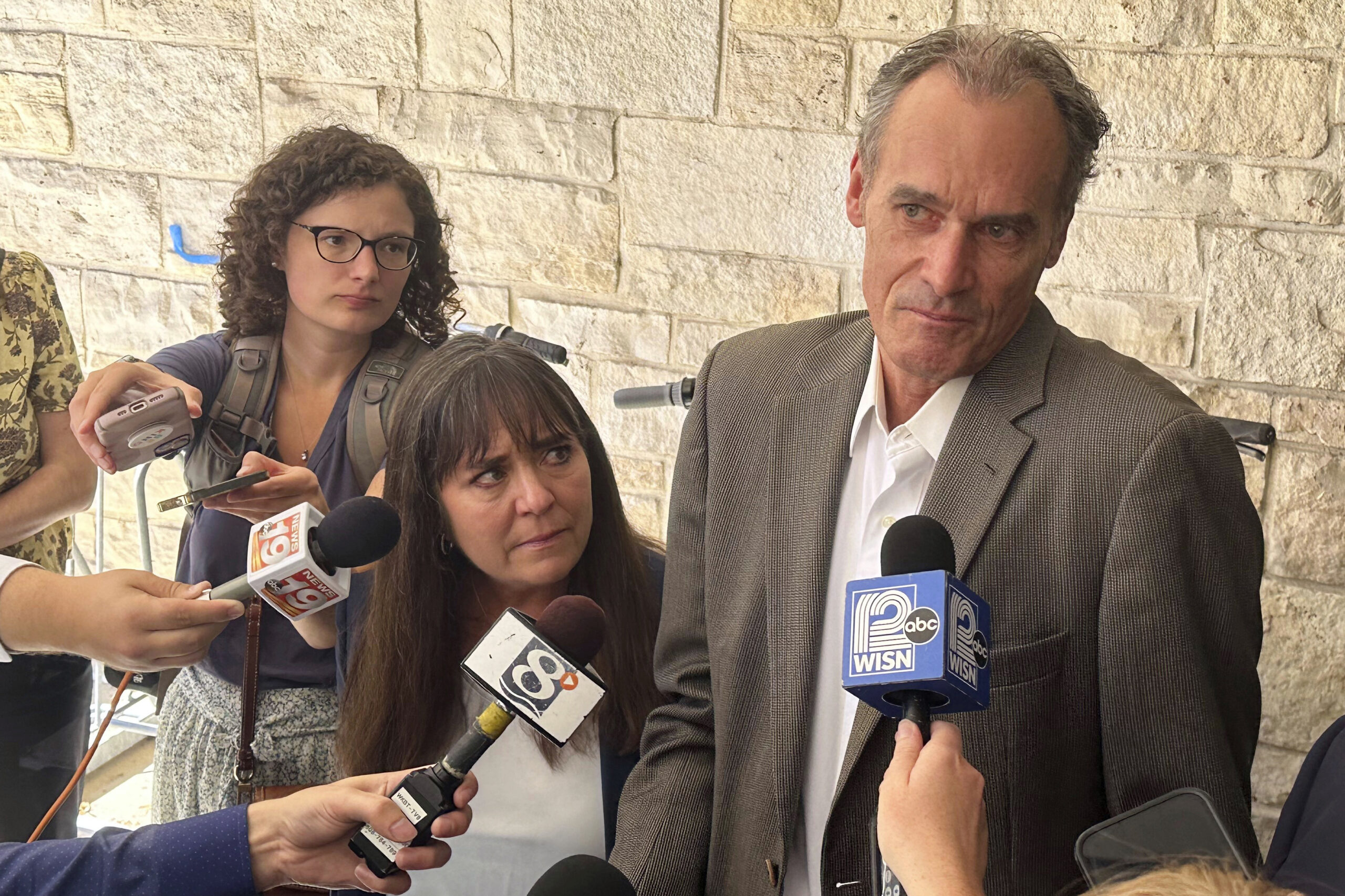
What does the law say about faculty speech and expression on private and public campuses and universities?
Our Approach
- All college and university instructors have the protection of academic freedom, including adjuncts, part-time faculty, and graduate students when they are teaching.
- Given that academic freedom is a value unique to higher education, administrators should educate students, faculty, and staff alike about its value and necessity in higher education.
- Extramural speech by faculty members—speech or writing that faculty make as private individuals, not as representatives of their institutions—is broadly protected by academic freedom. This includes comments on social media, participating in broadcast media (TV, radio, podcasts), and speaking on panels, essentially any instance where faculty speak outside their official roles.
- When faculty members hold institutional roles such as provost or dean and their speech raises concerns about their ability to serve all students fairly, universities should take reasonable steps to ensure that any resultant changes to their duties do not stifle these individuals’ academic careers.
Title of recent blog post about this topic that we want to highlight
Lorem ipsum dolor sit amet, consectetur adipiscing elit, sed do eiusmod tempor incididunt ut labore et dolore magna aliqua. Ut enim ad minim veniam, quis nostrud exercitation ullamco laboris nisi ut aliquip ex ea commodo consequat.
The Campus Free Speech Guide Blog
To read case studies about free speech on campus and learn more about PEN America’s approach to these issues, check out the Campus Free Speech Guide blog.
Acknowledgements
PEN America is grateful to the thousands of students, faculty, and administrators who have engaged with us over many years, and especially to those who offered detailed and substantive feedback on earlier versions of this site.
The Campus Free Speech Guide was made possible by the generous support of our funders.
Disclaimer: Nothing on this website constitutes, nor should be construed, as legal advice on any matter. All content on the website is for informational purposes only. PEN America is not liable for any errors or omissions in the information and is not liable for any injuries or damages related to the display of the information on this website.