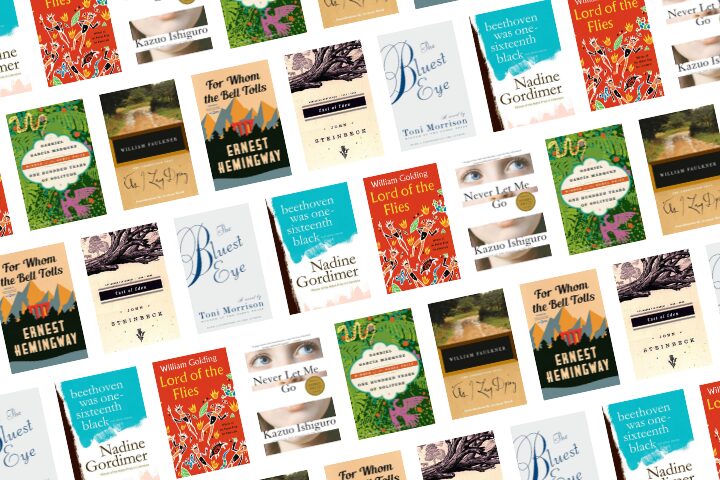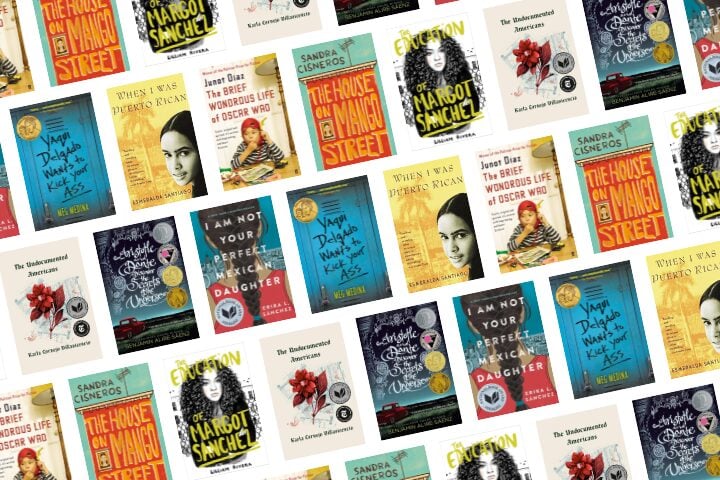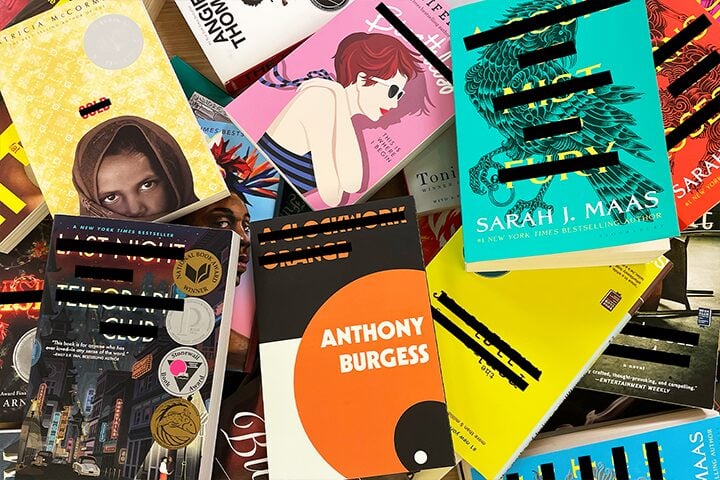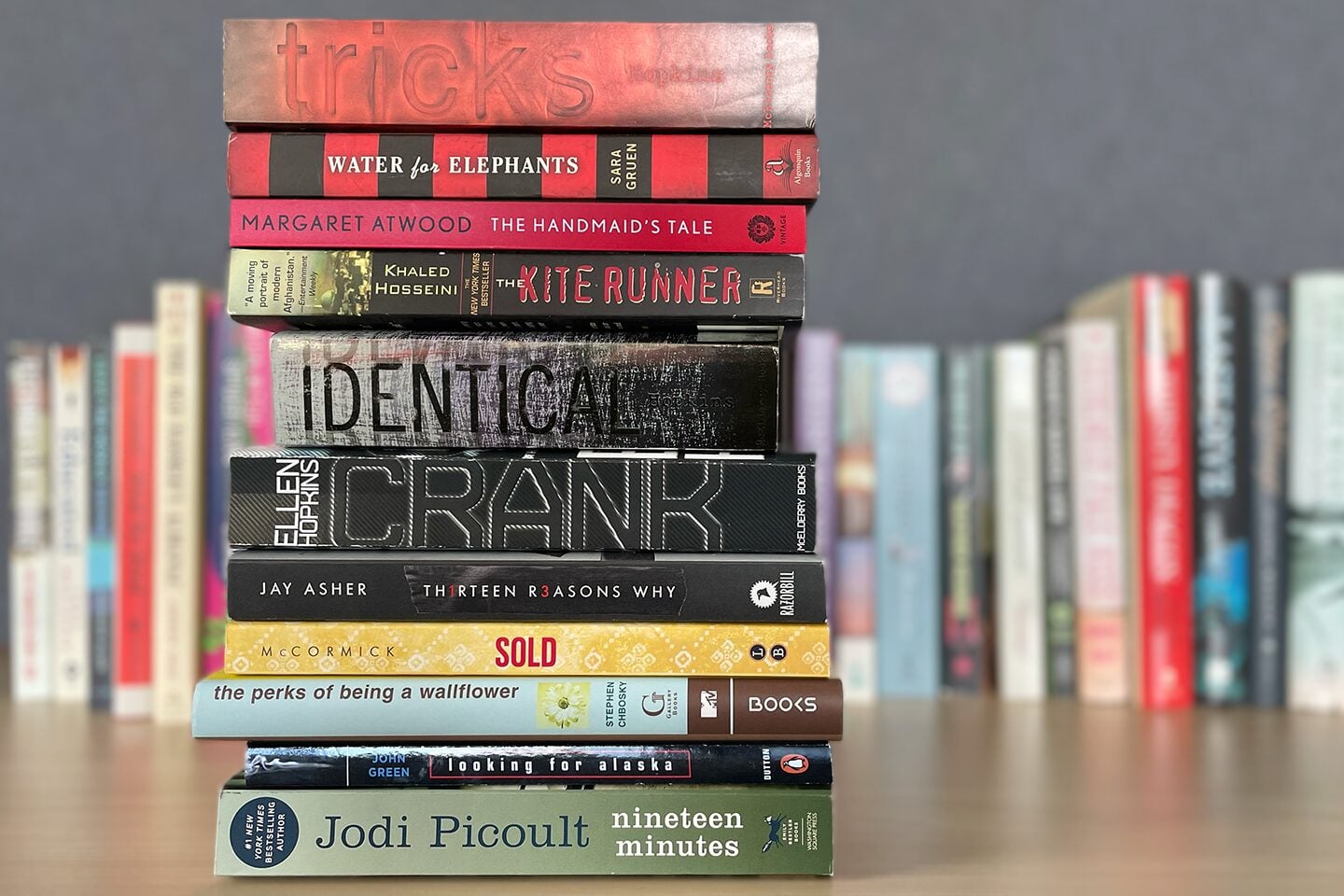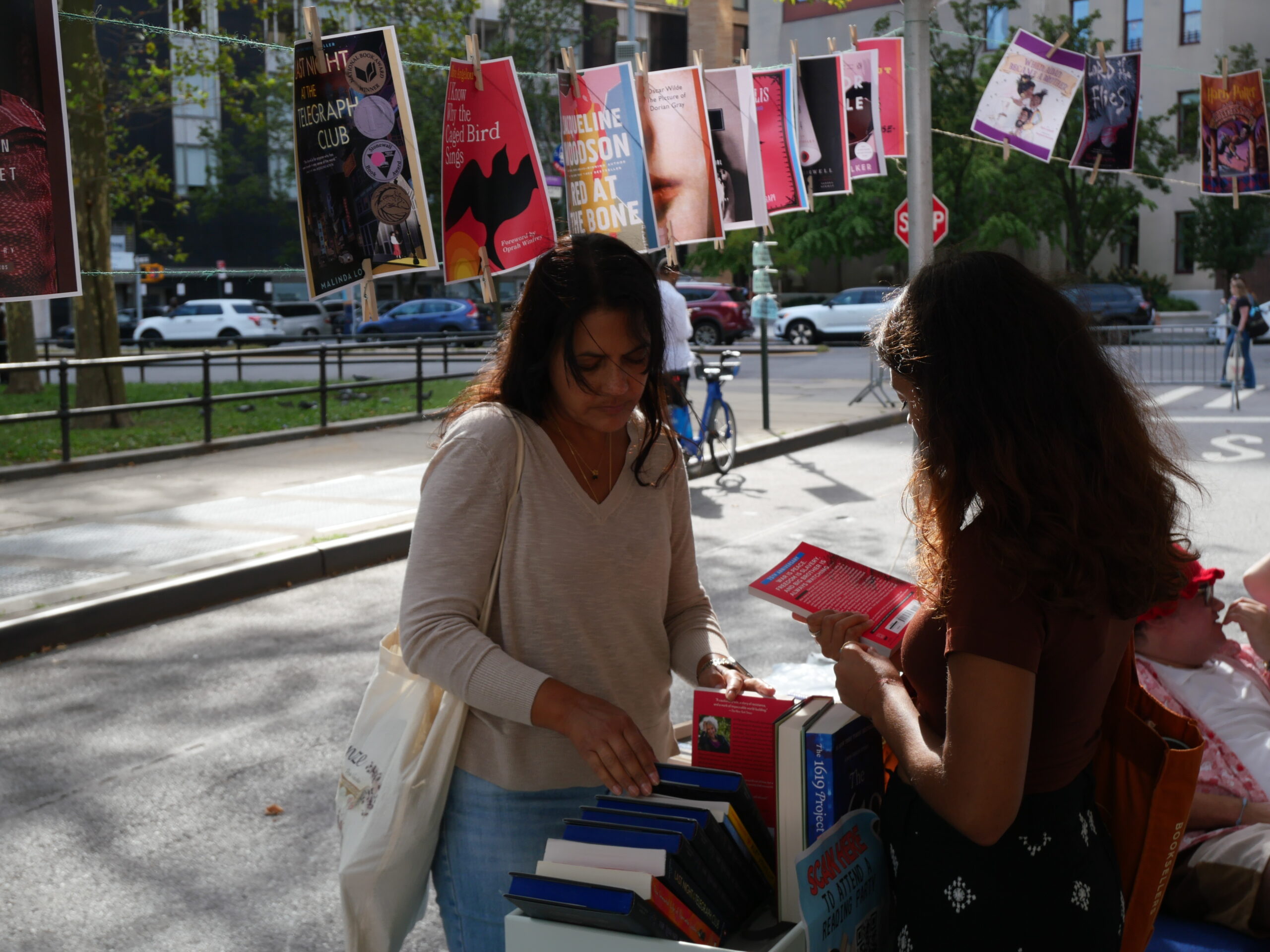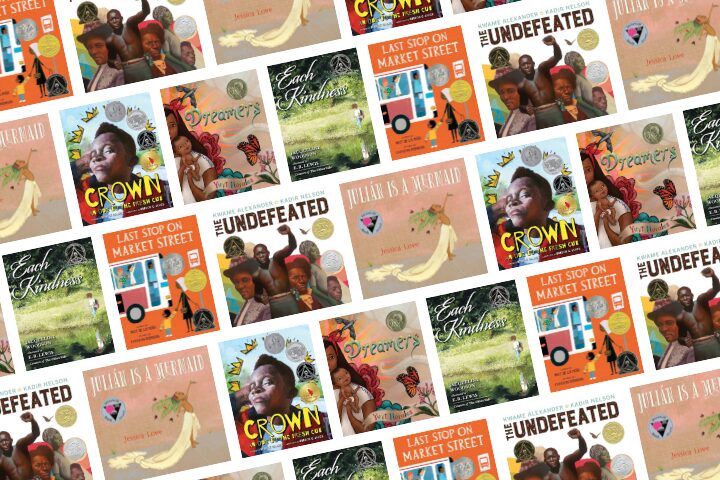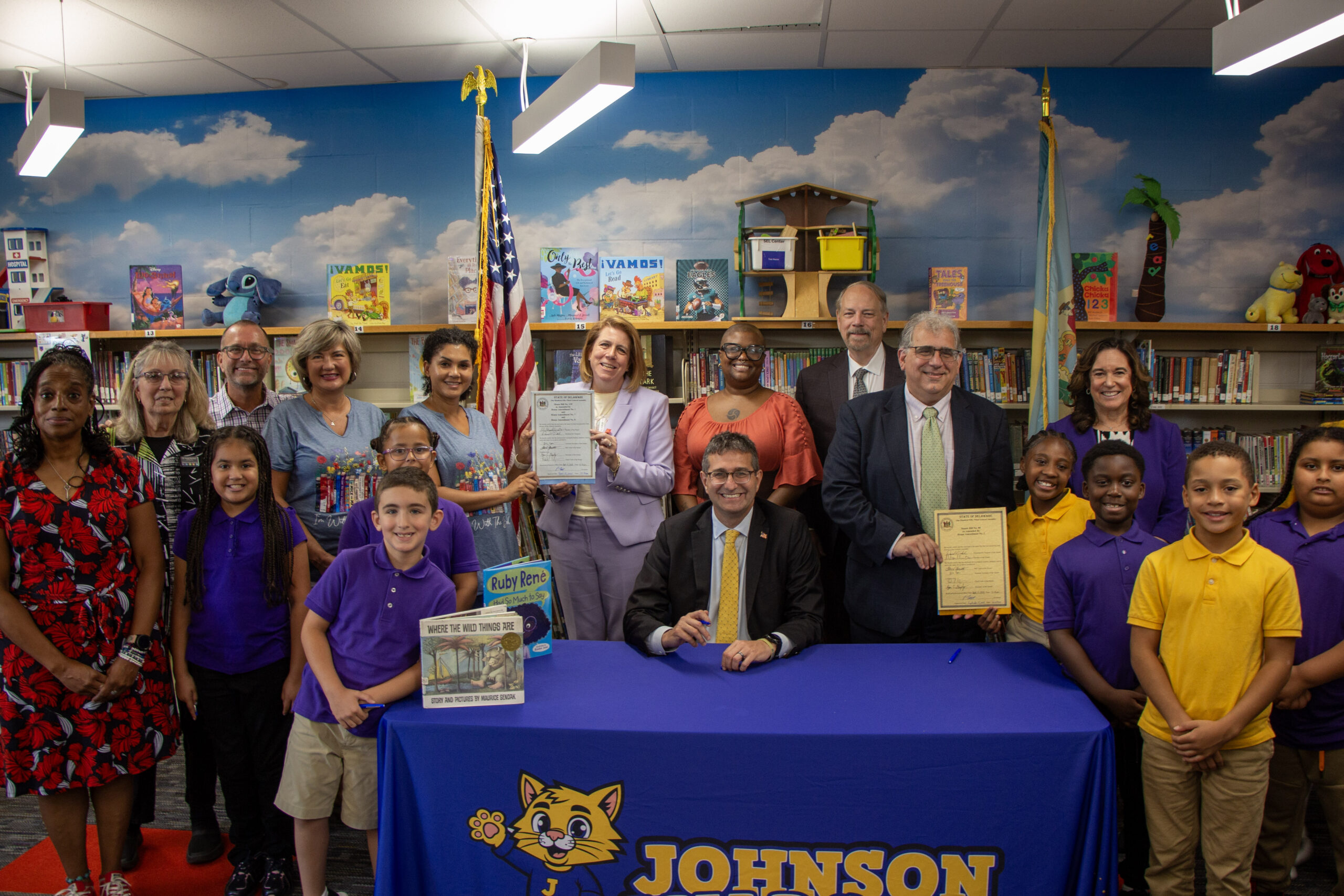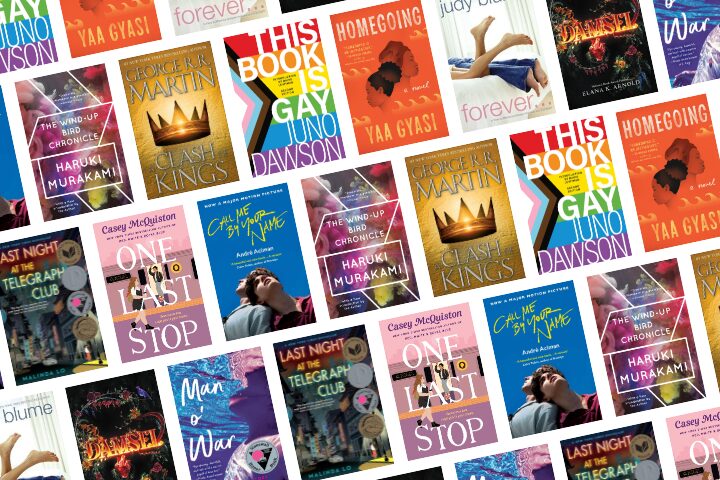
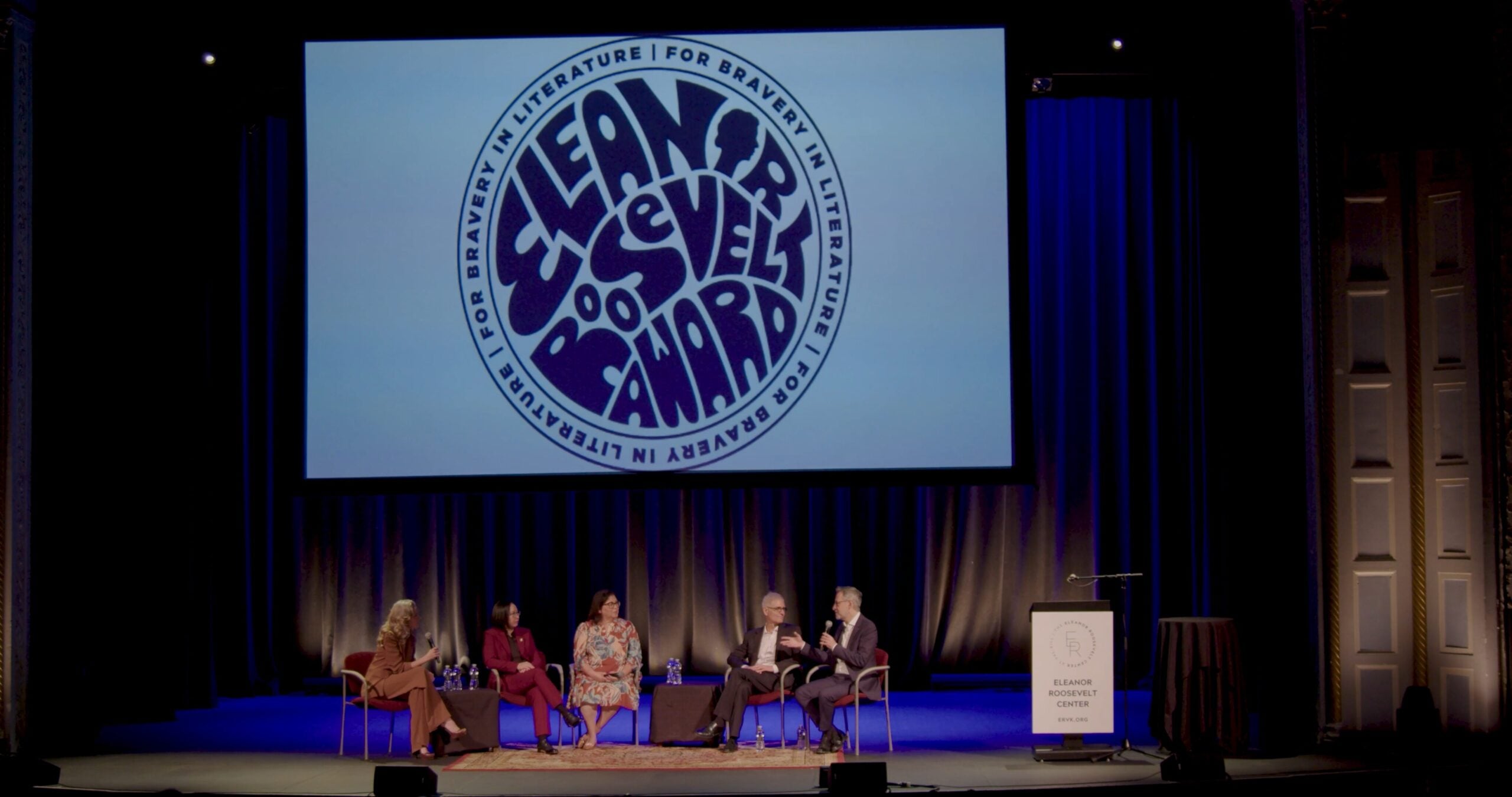
Actor, producer and bestselling author Hilarie Burton Morgan moderated the 2025 Eleanor Roosevelt Bravery in Literature Awards ceremony on Oct. 11 at Poughkeepsie, N.Y. Co-presented by the Eleanor Roosevelt Center and PEN America, the awards honored 10 authors whose works have been banned in the spike of censorship that has seen 23,000 book bans since 2021. Four of the honores— Malinda Lo (Last Night at the Telegraph Club); Peter Parnell and Justin Richardson (And Tango Makes Three) and Texas librarian Becky Calzada, winner of the Literary Freedom Award— joined Burton Morgan on stage to talk about the impact censorship has had and what the public can do to push back and support the freedom read.
A transcript of the discussion follows:
Burton Morgan: We have a lot of readers in the audience tonight. My heroes as a reader have always been writers. I will never forget my introduction to Edna Saint Vincent Millay, with her forceful style and her unapologetic queerness. The Perks of Being a Wallflower by Stephen Chbosky was my favorite book in high school, only to be dethroned by Toni Morrison’s Beloved, both banned. And I read The Handmaid’s Tale when I was pregnant, which is a really awkward time to fall in love with that book.
But my earliest childhood love was Ray Bradbury. Now, other little girls all had pictures of boy bands and teen heartthrobs with terrible haircuts all over their walls. Not me, my friends. A Xeroxed copy of a signed photo of Ray in a turtleneck with a cat perched on his shoulder had been gifted to me by a teacher at school. I pinned it up over my desk in my bedroom. He had predicted so much of the world through his books, and all these decades later, I still find that to be true. In Fahrenheit 451, Bradbury writes: ‘So now do you see why books are hated and feared? They show the pause in the face of life. And if America is anything, we are vain friends. We do not want to show our powers to the world.’ That book is a warning. And in 1990 he did a BBC interview where he directly addressed book bans. He said: “You have to hold firm in those moments when people make trouble. You must remain calm and keep putting the books back on the shelves because the quicker they take them off, the faster you put them back on.”
I am so happy to be in conversation tonight with some of the folks who keep putting the books back on the shelves. Please welcome back to the stage Malinda Lo, author of Last Night at the Telegraph Club; Peter Parnell and Justin Richardson, who wrote And Tango Makes Three; and our brave and beloved librarian Becky Calzada, a recipient of the Literary Freedom Award.
Burton Morgan: Oh my gosh, you guys, first of all, thank you for being so brave and for being here. Thank you for showing up and being here and being a part of this community. The more of us, the safer we all are. As we talk about putting the books back on the shelves, we know they’re going to take them away. But knowing your firsthand experience, what was that first moment of censorship that you experienced as a librarian, Becky?
Calzada: Gosh. So I think back to the early times where it was just: This book’s not something I want my students to read and talking about it. And OK, I get it. Other students might be able to be OK with that, and that was the end of that. But now we’re dealing with organized groups that are copying and pasting and trying to get their way. Administrators that are afraid to stand up and follow policies. But I also think about our students who, especially now, are more actively engaged and who want, like Cameron Samuels says, a seat at the table, who want to be part of policy, to be able to have a voice when books are being challenged.
And so, while it looks different, I think what I would I see and what I know works so well is when communities speak up and that silent removal of books comes out in the open, it’s aired out so that people can understand that and be reminded that, you may not want that book for your student, but you shouldn’t control access for my reader.
Burton Morgan: Yeah, parent your kid. Not everybody’s. Justin and Peter: So many of these book bans are born out of [the idea]: We must protect the children. I’ve read your book to my 7-year-old daughter. It is the sweetest, most loving book. And so while you were writing it, did you have any kind of premonition that it would become one of the most banned books in America?
Richardson: No, I mean, no, we never thought this would happen to us. Although we did, we sort of hoped, like, maybe somebody will complain and we’ll get a little bit of attention. And in fact, when the book landed, nothing happened. It was actually quite quiet. And we thought, oh, OK.
Burton Morgan: Were you disappointed?
Richardson: I mean, we were. You know, you publish a book and it’s your book and you think it’s great. And, then you go to Barnes & Noble to find it, and it’s in a sea of other books. You think, how is anybody ever going to find my book? Maybe if somebody complains about it, they’ll find it. And with us, there was no sound, no noise. And then, this amazing documentary came out called March of the Penguins. Morgan Freeman voiced it. And people started to say, oh, we saw the movie of this book, and we’re like, OK, we’ll take that.
And then, a conservative columnist said, March of the Penguins is a perfect example of intelligent design. And it obviously rebuts the theory of evolution. And furthermore, it’s a great argument against abortion. You see how in nature these birds protect their young. And some smart alec said, oh, so you think penguins are a source of morality? What about that book And Tango Makes Three? And boom! It was sort of off to the races and the editorials and the challenges to the book just kind of never stopped.
Burton Morgan: It’s very New York of you to understand that no press is bad press. I’ve joked my whole life. Oh, man, if only I could write a banned book. You know, that buzz can be very attractive to young readers. I know it was attractive to me. I don’t think I’d ever really thought about it in the younger demographic. And seen the books that have been banned for the younger kids. It’s laughable. …Becky, what are some of the craziest little kid books that you’ve seen banned?
Calzada: Pinkalicious. A girl who loves pink and sparkles everywhere. Oh my gosh, Dog Man. Everybody loves Dog Man. Oh. Captain Underpants. I remember a superintendent, a parent, reaching out about [And Tango Makes Three], like, have you read this book? And he read the book and said, what’s the problem? And I said, I know. So it just takes people, you know, needing to just read and not get so emotional about it. I think a lot I know a lot of these decisions are rooted in emotion, and they’re not thinking about the impacts on the readers.
Burton Morgan: Malinda, your book, and John’s [Green], who we are also honoring tonight, they’re about teenagers. And it’s such a tender age, and it’s an age where we’re all exploring our own identities and our preferences, not what our parents tell us to be, not what our communities tell us to be.
And so your book is tackling some very big subject matter here. Sexuality. Race. You’re talking about a really big political scare that was happening in the 1950s that feels very similar to what we’re experiencing right now. Why did you feel like using a teenager as your voice, as your entry point into the story, was the right choice?
Lo: Thank you for that question. So I want to take a little step back and say that every book comes to me in a different way. And Last Night at the Telegraph Club came to me from the perspective, like the character came first. So I knew who Lily was before I knew what the story was. And, for Lily, I knew she was going to be a 17-year-old Chinese-American girl living in San Francisco in the 1950s who was obsessed with rocket science. OK, so this is the dawn of the atomic age. So she just wants to be a rocket scientist like her Aunt Judy.
And so she’s discovering that she might be a lesbian. She doesn’t know this. She’s discovering this in the book. As a reader, you see these as subjects and issues. As a writer. I’m viewing the world through Lily’s eyes. For her, they’re her life. They’re her experience. So if you think about yourself when you were a teenager discovering that you have a crush on the girl in math class or whatever, you’re not thinking about it as an issue. You’re thinking about it as feelings, right? So that’s how I write, through the lens of the character. And so I just want to take a step back from the discourse on banned books, which always views these subjects as issues and problems.
Burton Morgan: Which they’re not. I think the thing I love about your book and John’s book — both made me remember and, and I joked that I questioned whether I should give John’s book to my son because there’s sex in it, there’s cigarettes in there, there’s alcohol in there. And it’s because we adults forget. And writers are so important in helping us remember what those moments were, because we weren’t always square kids, right? What do you want your readers to remember?
Lo: People ask this a lot and I often have an answer. But when you asked me this just now, I thought, I want them to remember Lily’s first experience going to the Telegraph Club the night she walks in there and sees that performer on stage and is like, oh my God, there’s this whole new world. I want readers to remember that experience.
Burton Morgan: I think there’s something that everybody has in common here tonight on stage, that it seems like through all of this adversity, everybody’s maintained a really good sense of humor. And so a lighthearted question I’d like to ask you, with the holidays approaching, what is the banned book that we should all be buying for our loved ones for the holidays? What’s your big recommendation?
Lo: Mine. Yeah, buy my book for your loved ones.
Richardson: So you know, we were talking about …. what are the questions that we least like being asked? And one of them was, how does it feel to have your book banned? And the other one was what’s your favorite banned book? And what we confessed was, we all say we come up with a really noble banned book, and we say, that is my favorite banned book.
But what we all feel is: my book. I wrote it. Why wouldn’t it be my favorite? So we decided that we were actually going to answer honestly and say our books.
Burton Morgan: You should. Y’all know what kind of shopping you’re going to do later.
Calzada: So I think mine changes because there’s so many and I don’t know if this is banned yet, but I would imagine it could be, Banned Together by Ashley Hope Pérez. It’s an anthology of different authors. It’s a beautiful book. And a lot of those authors have had banned titles, and so they share their experiences about why they write and it’s a great book.
Burton Morgan: It should be a badge of honor. Before we end this evening, I always like to create a call to action. And so, Becky, all of these people here today are following your lead.
What do we in the audience do to support librarians, to support writers? What’s our call to arms?
Calzada: I believe that if every individual in this room did one thing, that would make a difference. It reminds me of the drops of water that fall on a rock eventually it starts to make a mark. And so that looks like, participating in your communities by first voting, in local elections.
It also looks like staying engaged in what’s happening, in things like school board meetings, reminding your administrators in schools to follow policies, But I also think that when you see a librarian, express your gratitude and let them know that you support them and that if they ever need any help, give them your number so they can reach out and get your support. Where we see success is at the grassroots level.