Be prepared, stay composed, and make an undeniable, bipartisan argument about why book bans in any form are a poor policy choice.
These were the key directives for citizens hoping to testify before state legislators in the “Speak Out for Books!” webinar presented by PEN America, with American Booksellers Association and EveryLibrary, as part of the Defending the Freedom to Read workshop series.The series is necessary because of the wave of attempts across the country to ban books. Laura Benitez, the state policy manager for PEN America’s free expression programs, outlined a series of the types of “Bad Bills for Books” introduced in various states, from statewide bans like Utah’s HB 29, which was signed into law March 18, 2024, to “Don’t Say Gay” and “Don’t Display Gay” bills to acts that require book ratings, often based on dubious websites.
In addition, she pointed to “divisive concept bans,” which are pitched as bans of critical race theory, “but really what they do is they censor all sorts of discussions around —really complex, important discussions— around race, gender, ethnicity, national origin, sex, etc.”
Also on the list: “Red Scare” bills, which harken back to the 1950s; obscenity and sensitive materials bills that criminalize violations, and a raft of other attempts at book banning. “They might use language like the ‘Parental Bill of Rights’ diversity, equity, inclusion language; language around anti-abortion and sex ed, or providing religious exemptions and opt outs and things like that,” she explained. “Lawmakers are getting more and more creative in the ways that they’re doing this.”
“It’s important to remember none of these bills exist in isolation,” Benitez added, “It’s all part of this national movement in censorship.”
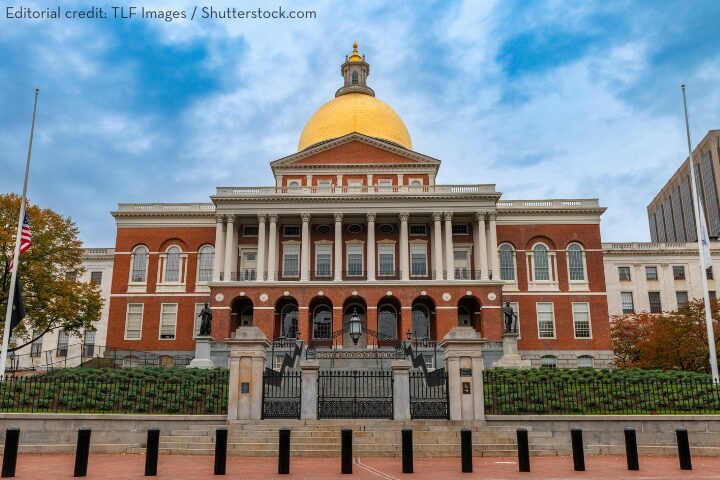
But there are ways to fight back, including testifying before state legislatures as the bills work their way through from introduction to votes. Testifying requires planning —including knowing when in the process lawmakers will hold hearings and preparing a statement that fits in the time slots available at these hearings. PEN America’s 50-state resource to help track legislative committee agendas and sign up for testimony may be found here.
Philomena Polefrone, Associate Director of American Booksellers for Free Expression, advised anyone planning to testify to craft a message that impacts its intended audience.
“You’re not necessarily going to make the argument that you are most excited about or the argument that you feel deepest in your heart,” she said. “You’re going to make the argument that you can support, that you can back up with receipts, and that is going to potentially change the minds of the people whose minds you need to change.”
In particular, she said that arguments that focus on the financial impacts of bans, including on small businesses like bookstores. “If you have a financial angle that you can make there, it’s so important, and that doesn’t necessarily need to be small business,” she said. “That can also be the costs of implementation. These are your tax dollars that are being used, in some cases, to spend tens of thousands of dollars on staffing review committees, on paying for software to make it easier to review books for problems that aren’t there.”
Other tactics she advised included focusing on how book bans can worsen students’ career prospects, an issue every parent worries about, and on the unintended consequences of broad bans, including catching up books that legislators don’t want removed, often found in bills that don’t consider the literary or artistic merit of the works in question. “You want to talk about the books that are going to get swept up,” Polefrone said. “The baby that is going to get thrown out with the bathwater, from their perspective.”
Polefrone said an argument can be made stronger when the person testifying lets legislators know exactly who they are —for instance whether they have kids in the schools in question or if they’re a constituent of someone on the committee considering the ban.
“Parent testimony here is so, so important,” she said. The reason is because “everyone is being sold this bill of goods that book bans are about parents’ rights.” In fact, she said, they are about infringing on parents’ rights.
“So having parents’ voices in the room who are saying, ‘Sorry, this isn’t defending my rights. I don’t want any part of this,’ that is so important to push back on the message that some other people are putting out there,” Polefrone argued.
She also advised a strategy of looking at how each bill might be applied maliciously. “Look for a way that you, if you were a bad actor, could abuse this law, work backwards from that language, and try to find the problems with the way the bill is written,” she suggested.
Peter Bromberg, former associate director of the nonprofit EveryLibrary, said there are three approaches for witnesses appearing before legislatures: they can present positive, negative or rebuttal testimony. Positive testimony, for instance, would focus on framing the outcomes of legislative action in a beneficial way, perhaps surrounding community identity and support of good government, while negative would focus on the harms a bill might cause and rebuttal testimony identifies the weaknesses of opponents’ arguments.
He emphasized that each person testifying should have a clear “ask,” most likely a demand to vote a specific way or to study the issue further. “You definitely want to have that call to action,” he said.
He also noted that the legislators are only one audience. The media is another audience, as are other stakeholders, including parents, other voters, and community members. Well-crafted testimony can help shape the narrative around a particular bill, he said.
The workshop also included an opportunity to put this advice to work right away by giving participants a chance to craft the arguments they might use to testify.