Conversations on the Quad: Charlotte Hampton
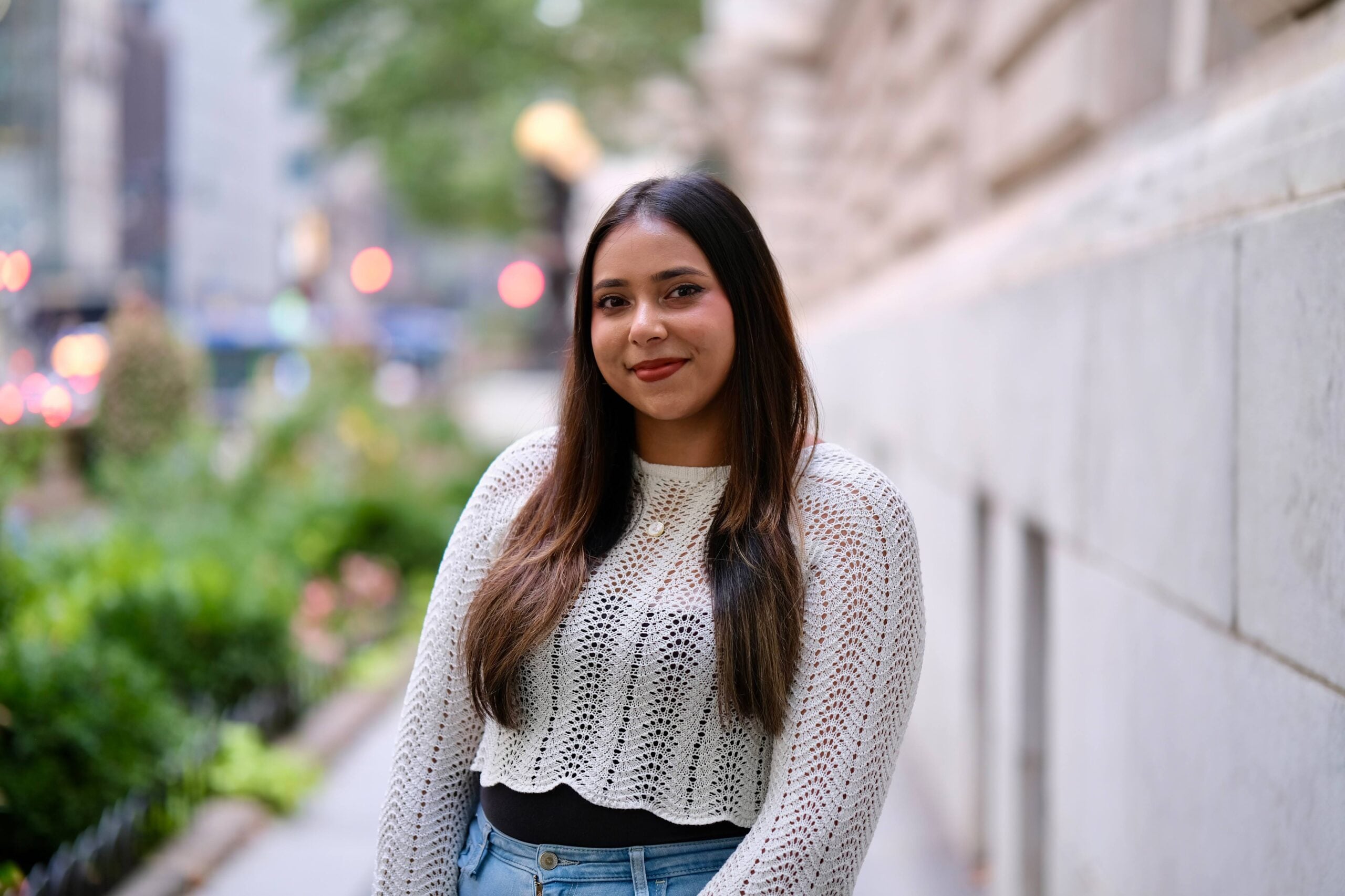
“I really experienced the fragility of free expression, and therefore democracy, the night I was arrested,” said Charlotte Hampton, a Dartmouth senior, editor-in-chief of The Dartmouth, co-founder of Teens for Press Freedom, and alum of PEN America’s student advocacy institutes.
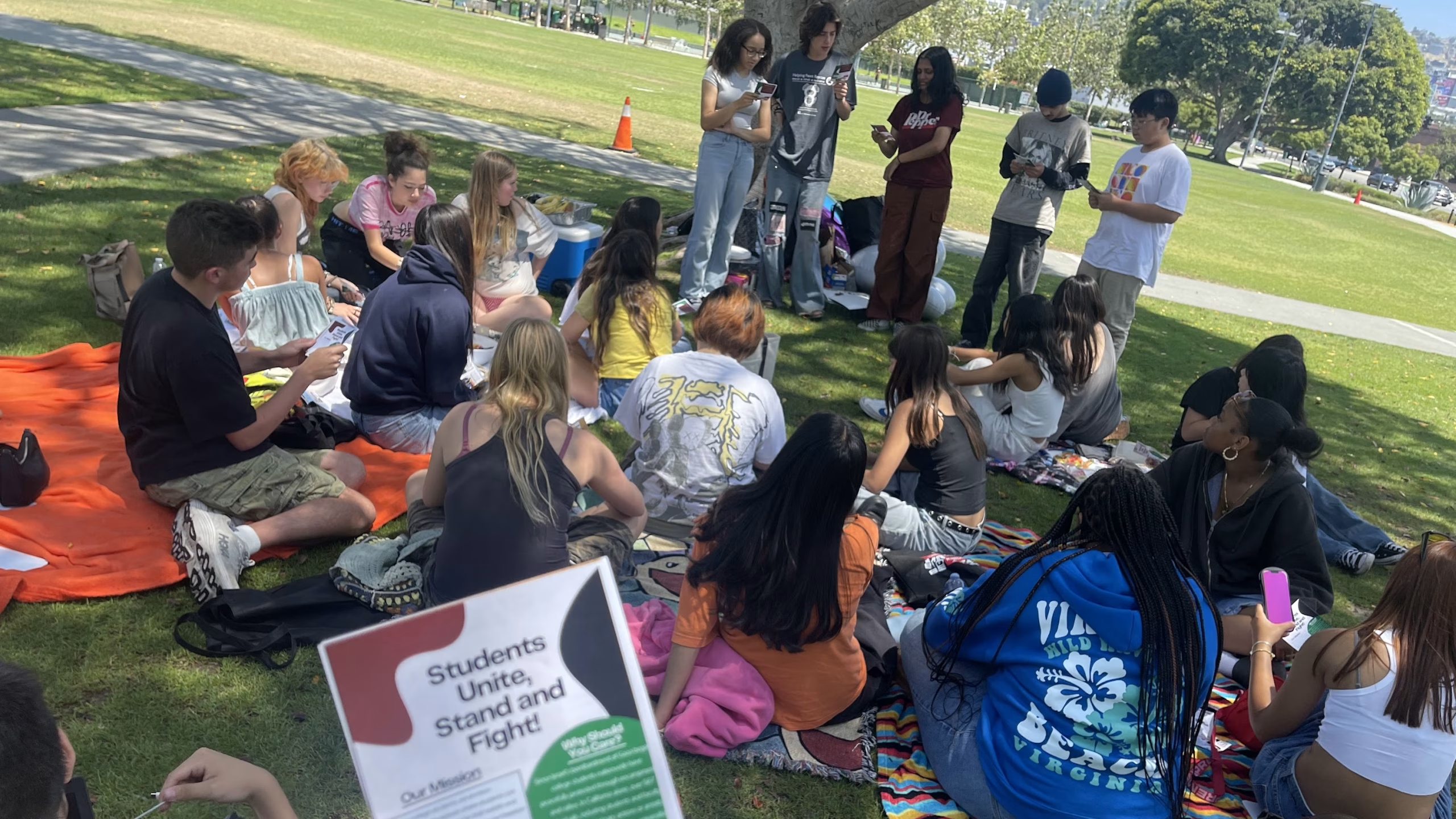
For this month’s Conversation on the Quad, I reconnected with Hampton to reflect on her advocacy and gather insights to share with other young people grappling with anxiety about the state of our democracy. Her path — from a student in PEN America’s Advocacy Institute to teen organizer to journalist-scholar — is a powerful testament to the impact more than 600 alumni from PEN America’s student advocacy institutes have made in recent years.
“PEN America taught me that free expression was the nexus of all social justice movements. … That was really exciting for me, “ said Hampton.
During PEN America’s 2020 Free Expression Advocacy Institute, a summer program for high school and college students, Hampton says she was galvanized by a discussion on press freedom that highlighted journalist Omar Jimenez’s arrest on live TV while covering the Black Lives Matter protests that year. “That felt so vital, to see press freedom really at risk at that moment… The media is supposed to be our fourth check, an unofficial fourth branch of government, the clearest connector to democracy.”
Little did Hampton know at the time that she would find herself in a similar situation years later as a reporter for The Dartmouth.
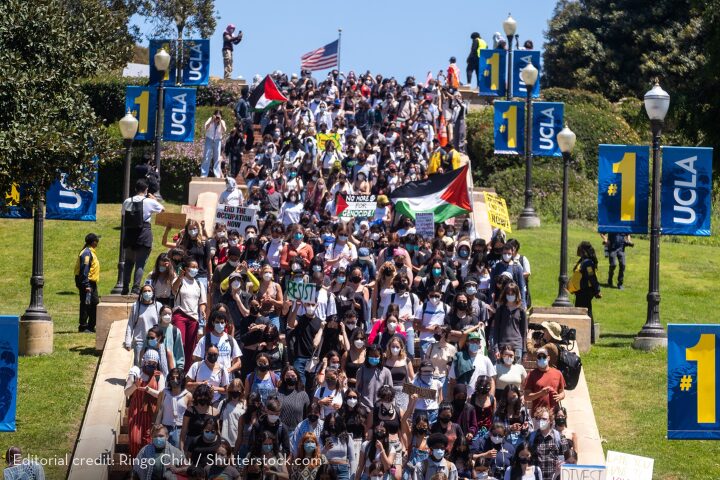
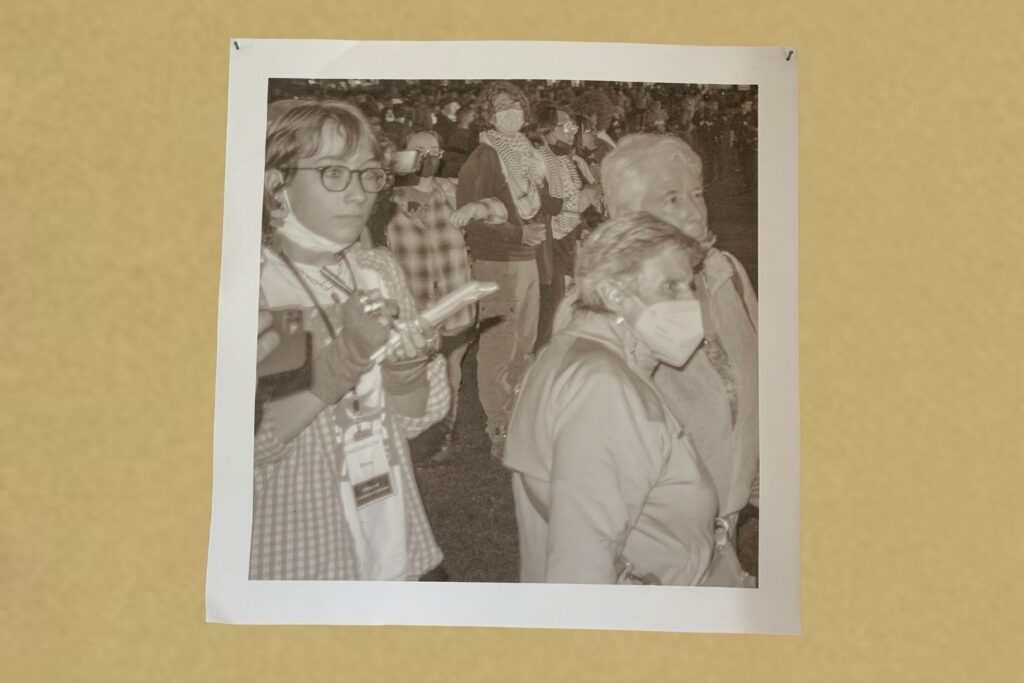
While reporting on a pro-Palestinian encampment protest at her campus, Hampton and her colleague Alesandra Gonzalez were taken into custody on May 1, 2024, for criminal trespassing despite both wearing press credentials and carrying professional equipment. “They zip-tied me, and gave me the whole spiel about what can and cannot be used against me in court.” After spending half an hour in jail, Hampton was released on bond. A few days later on May 7, A coalition of organizations, including PEN America, sent a letter to Dartmouth president Sian Leah Beilock pressuring her to rectify the situation. On the same day, Dartmouth dropped the charges against the two student journalists and President Beilock issued an apology calling the arrests an “error”.
The incident reinforced Hampton’s pessimism about the atmosphere for free speech. “People are already so afraid to speak freely and this makes the process more difficult for reporters.” Since then, “There’s definitely been a chill… It’s been more difficult to get sources and international students are even asking me to take their names off of stories because they are worried about being deported.”
Such worries are not unfounded. In March 2025, Rümeysa Öztürk, a Tufts University doctoral student from Turkey studying on a student visa, was arrested by plainclothes federal agents near her home in Somerville, in what many believe was direct retaliation for a pro-Palestinian article she co-authored in the student newspaper the previous year. The case sent shockwaves throughout student press circles until Öztürk’s eventual release on May 9 after spending 6 weeks in ICE detention in Louisiana. Hampton expressed appreciation for being able to speak freely and have her charges dropped during such a politically challenging time, acknowledging that her outcome might have been different under other legal circumstances.
As Hampton’s former instructor and mentor, I knew better than to assume Hampton would give into pessimism or back down after experiencing her arrest. She reassured me, “I’m super optimistic… You would not believe the number of really committed, excited people we have on our school paper.” She’s been heartened by the surge in applications to The Dartmouth from incoming students eager to get involved despite the political climate.
“I’ve always said that our generation’s relationship to information was the worst. … Young people need to wake up and see that democracy is contingent on good information. Being a college student is such a magical time as people are coming into their political identities and there is a lot to be motivated by. … There’s a lot of good out there, and it’s about nurturing that hope and pushing it forward.”
Hampton’s journey is a powerful reminder of what free expression education can set into motion, and her accomplishments epitomize the vital role young people are actively playing in the safeguarding of democracy. Yes, there is much to be concerned about, with student journalists and activists facing arrest and repression, but Charlotte’s story offers something just as important: a reason to support and believe in the next generation of free expression defenders.