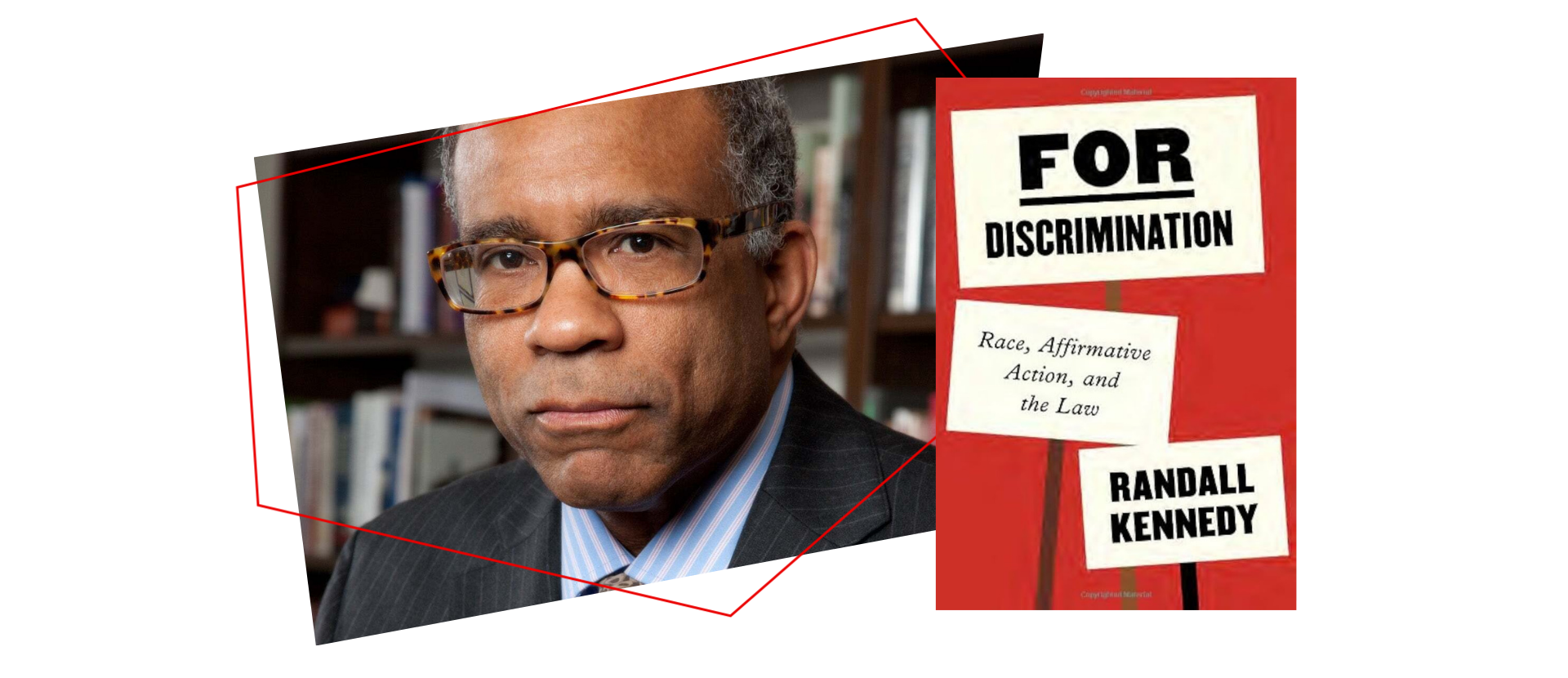
Randall Kennedy’s book For Discrimination has been called “the definitive reckoning” with affirmative action – a practice the U.S. Naval Academy once argued improved morale and national security, before the academy ended its use in 2025.
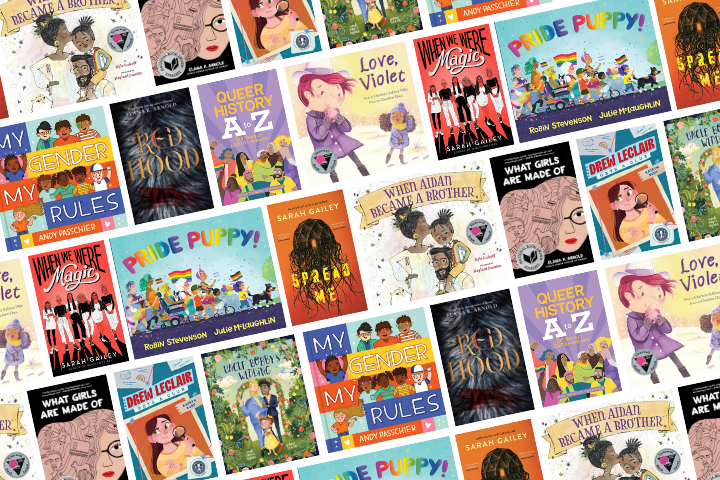
Unfortunately, students at the academy won’t have a chance to read perspectives from Kennedy, a Harvard Law School professor and one of the leading scholars on race and civil rights law. For Discrimination: Race, Affirmative Action, and the Law, is one of 21 books that was permanently removed from shelves at the U.S. Naval Academy last year, according to a list obtained by PEN America. When asked, the Navy Academy declined to comment on the matter to PEN America.
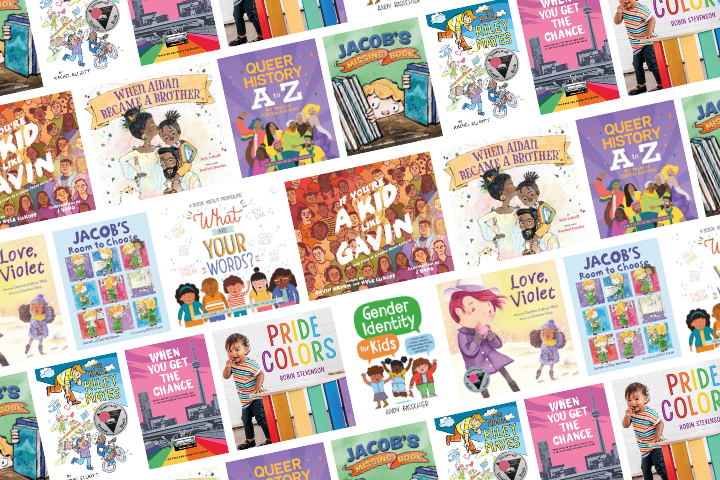
Most of the nearly 400 books banned at the academy last year were returned to shelves after public outcry. But Kennedy’s book was permanently removed, along with titles like How to Be an Antiracist by Ibram X. Kendi and Michael L. Ondaatje’s Black Conservative Intellectuals in Modern America. The 21 books removed from shelves all focus on gender, race or some combination of both, including topics like affirmative action, anti-racism, discrimination, diversity in the workplace, gender identity, transgender people, gender nonconformity, and transgender military personnel.
PEN America spoke with Kennedy about censorship, the role of the military in our country’s racial history, and how to get back to a place of progress.
Most of the books pulled from the U.S. Naval Academy library were returned, but yours, For Discrimination: Race, Affirmative Action, and the Law, was not. What do you think is animating censorship of the topic of affirmative action?
I do not know why. The government should explain itself. Since affirmative action has been and remains a topic of high public interest, one would think that the Navy would want its officers in training to be exposed to the many arguments that should inform opinion regarding the issue. By the way, though For Discrimination propounds a position, it also goes out of its way to set forth fairly contending positions.
Do you think the military should understand our country’s racial history? What do you say to a midshipman who is not finding answers about that on library shelves?
Of course, people in the military should understand our country’s racial history. That history has shaped the military and has, in turn, been shaped by the military. Veterans like Medgar Evers (leader of the National Association for the Advancement of Colored People in Mississippi), Amzie Moore (leader of movement for voting rights in Mississippi), Matthew Perry (crusading civil rights attorney in South Carolina), and Wiley Branton (crusading civil rights attorney in Arkansas), played major roles in the civil rights movement and credited their military service with inspiring them to seek to right wrongs.
People need to defend and exercise their rights, including the right to rid themselves of a presidential administration that is engaging in repression to an alarming extent.
Historically, the military was one of the driving forces for integration in this country, but other censored titles include topics like equality and diversity in the workplace. What message is this kind of censorship sending?
It is an under appreciated fact that the United States military rejected segregation before much of American civilian society. The military played a leading role in leading America away from the wastefulness and cruelty of Jim Crow discrimination. The authorities that superintended the military’s disavowal of its traditional racism justified their action on grounds of military efficacy as well as democratic virtue.
Censorship of the sort that is being practiced at the Naval Academy Library shows a woeful lack of confidence in the Academy’s students and teachers and a baleful disrespect for the nation’s need for a well-educated officer corps.
Harvard is not without its own free speech controversies in this moment. What do you think is necessary now to strengthen the defense of academic freedom and free speech across the higher education sector as a whole?
The main thing necessary now is for courts and the citizenry at large to recognize and oppose illicit efforts by the government to intimidate, manipulate, extort, punish, or control colleges and universities — the dangerous manifestations of authoritarianism that confront us now.
You have said your sense of optimism about racial and social progress has been tested since the election of Donald Trump. What do you think needs to happen to get back to a place of progress?
People need to defend and exercise their rights, including the right to rid themselves of a presidential administration that is engaging in repression to an alarming extent.