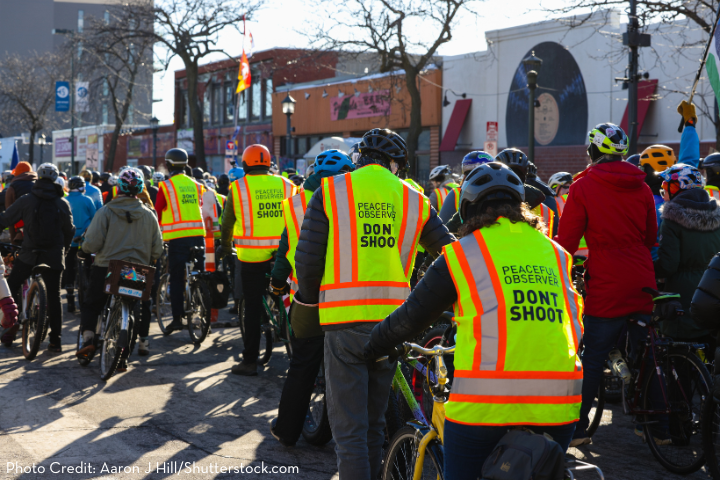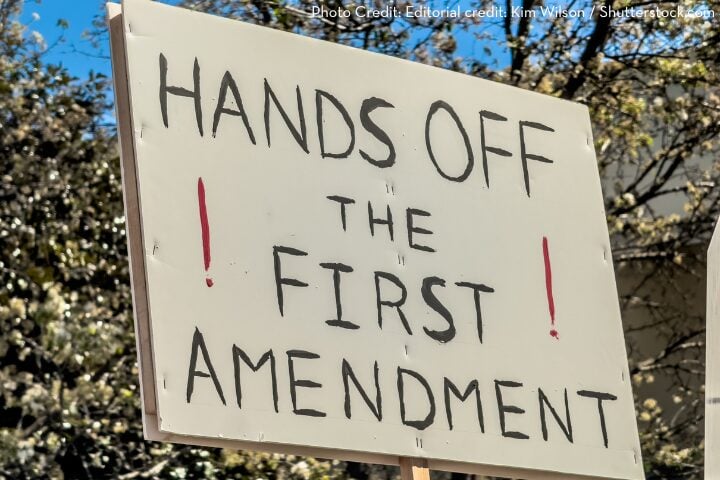
Journalists, including student journalists, are fulfilling a vital public duty by documenting events and keeping the public informed. Reporting the news is not a crime, but a core function of a free and democratic society.
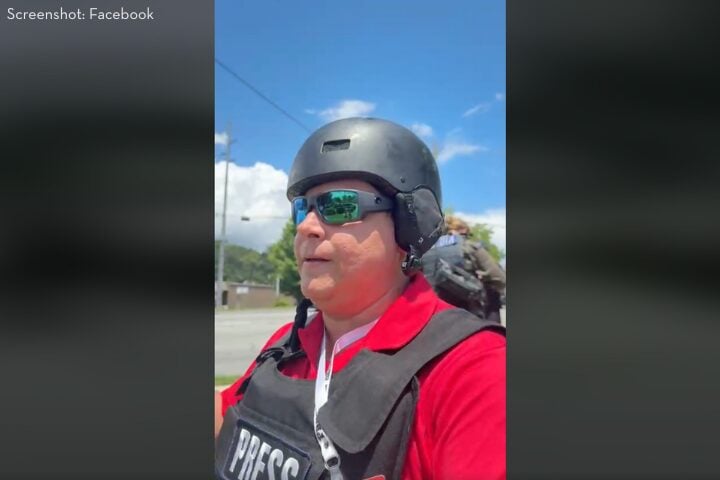
As journalists covering protests face violence from law enforcement, we’re sharing a list of safety resources through our partnership with the Journalist Assistance Network.
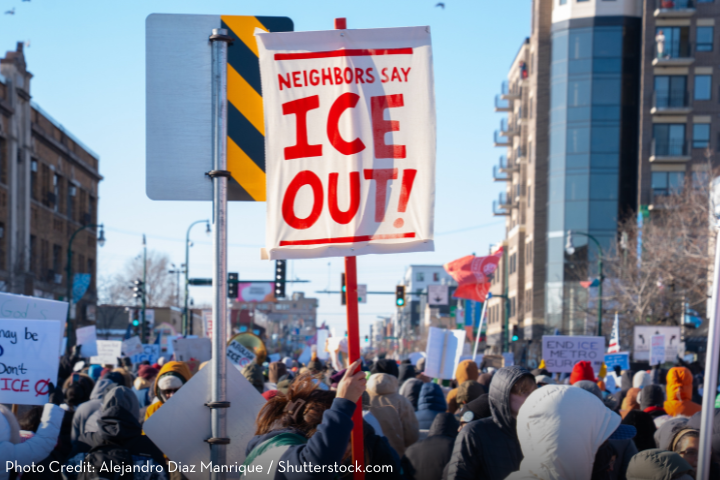
If you’re a journalist covering protests and need direct support, reach out to:
- CPJ’s Emergencies team at [email protected] – for one-on-one safety advice and emergency grants (legal aid, medical support, psychological support) to journalists targeted for their reporting.
- IWMF’s 1:1 Safety Consultations and U.S. Journalism Emergency Fund – for journalists seeking digital or physical safety guidance and/or emergency grants to journalists targeted for their reporting (eg, medical bills, damaged equipment, etc.).
- RCFP’s Legal Hotline (1-800-336-4243) – for legal support if you are arrested, detained, attacked, or concerned about other forms of legal intimidation.
- Student Press Law Center’s Legal Hotline – for student journalists with legal questions and concerns.
- Vita Activa’s Helpline – for journalists needing psychological first aid in the face of stress, trauma, burnout and/or gender-based violence.
If you’re a journalist looking for guidance about staying safe while covering protests, take a look at:
Assessing Risk
- CPJ’s Risk Assessment Template
- ACOS’ Assignment Safety Checklist
Physical Safety
- CPJ’s guides to Personal Protective Equipment (PPE), Safely Covering Protests, and Arrest and Detention – for advice on interacting with law enforcement and choosing the right safety equipment to protect yourself.
- IWMF’s checklist to Journalist Safety During Immigration Enforcement Operations And Protest Coverage
- PEN America, CPJ, and IWMF’s safety webinar and tipsheet on risk assessment and physical safety (note: this was created for the 2024 election, but has evergreen information on covering civil unrest).
Legal Considerations
- RCFP’s Police, Protesters, and the Press guide and Tipsheet to help you understand your rights at protests and how to avoid arrest when reporting on these events.
- RCFP’s Immigration Reporting Legal Guide (in English and Spanish) to help you navigate legal issues you may encounter while reporting on immigration enforcement and deportation.
Digital Safety & Online Abuse Defense
- FPF’s guide on protecting your devices during protests
- PEN America’s What To Do If You’ve Been Doxed Or Placed On A Watchlist – for step-by-step guidance on how to navigate doxing.
- PEN America’s Field Manual against online harassment – for tips on how to protect yourself in the face of online abuse, threats, and other tactics.
- PEN America, CPJ, and IWMF’s safety webinars and tipsheets on combatting online abuse and protecting your digital footprint (note: these were initially created for the 2024 election, but have evergreen information on covering civil unrest).
Psychological Well Being
- Journalist Trauma Support Network’s Therapist Directory – to find a psychologist trained to treat journalists with occupation-related stress and trauma.
- Trauma Aware Journalism’s Guide to Taking Care of Yourself
If you’re a journalist in Minnesota, take a look at:
- Minnesota SPJ: Resources for Minnesota Journalists covering Operation Metro Surge
- IWMF & CPJ’s U.S. Journalist Rapid Response Fund (JRRF) – small grants for journalists covering the protests in MN who need emergency support (for eg: purchasing safety equipment, accessing mental health care, covering urgent medical needs, etc.)
If you’re a journalist who has been attacked and wants to document that incident:
- The U.S. Press Freedom Tracker tracks arrests, equipment seizures, assaults, and interrogations of journalists in the U.S.