
Case Background
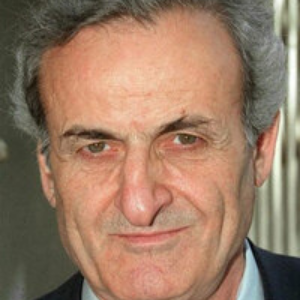
Dr. Aref Dalila, born in 1942, is a writer and former economics professor who served as Dean of the Faculty of Economics at Damascus University. An advocate of political liberalization, he contributed articles to the banned weekly Al-Doumari and authored numerous books on economics, politics, and social history.
Dr. Dalila was arrested on September 9, 2001, in connection with a lecture entitled “The Syrian Economy: Problems and Solutions,” in which he criticized the deterioration of Syria’s economy and alleged corruption among policy advisers. His arrest occurred during the Damascus Spring, a period of heightened political and social debate following the death of President Hafiz al-Asad in June 2000. Dalila was detained alongside nine other members of the Civil Society Movement, whose activities were increasingly suppressed by late 2001.
He was subsequently charged with attempting to change the constitution, weakening national sentiment through the distribution of false news, and inciting racial and sectarian tension. Reports indicate that during interrogation he was beaten. In early 2002, the Supreme State Security Court (SSSC) sentenced him to ten years of imprisonment with hard labor after a trial that failed to meet international standards.
Dr. Dalila was held in solitary confinement in the political section of Adra prison in Damascus throughout his detention. While imprisoned, he suffered from diabetes and heart disease and reportedly endured a stroke in 2006. His health further deteriorated due to poor prison conditions and harsh treatment. In July 2005, he staged a hunger strike to protest his solitary confinement and mistreatment, and he later underwent heart surgery, with further treatment anticipated.
He was released from prison on August 7, 2008. Soon after, he told the BBC that his views had not changed and that he would continue to voice them.