This is part of PEN America’s ongoing “Snapshots of Censorship” project. Read more and share your story here.
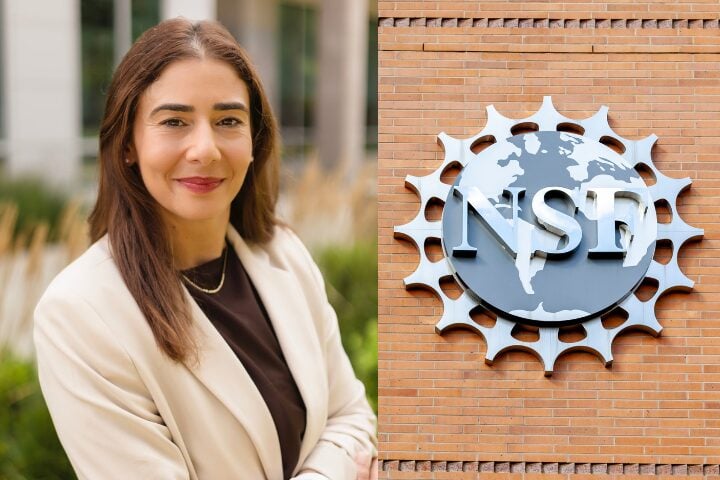
In 2024, I was awarded a $530 000 National Science Foundation grant to address long-standing inequities in STEM education at LaGuardia Community College. The grant, which reflected my 15 years of experience teaching at LaGuardia, aimed to help thousands of community college students succeed in STEM by improving how faculty teach and expanding the resources available to support them. Our goal was to develop a scalable model for two-year colleges seeking to strengthen equity and student success in STEM education.
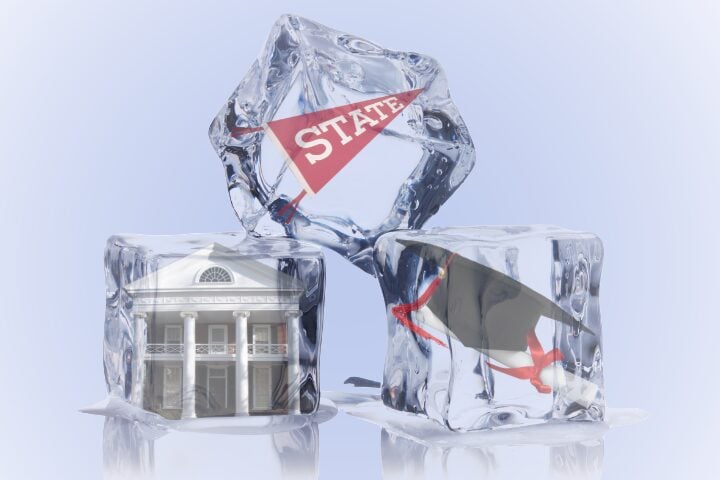
Yet, less than a year later, the grant was terminated without review, one of many grants caught in the uncertainty surrounding proposed federal budget reductions that could shrink NSF’s STEM education funding by as much as 75 percent. These cancellations were sudden and happened without congressional approval, as agencies abruptly froze or withdrew already funded grants. The decision was not based on merit or performance. My proposal had already undergone a rigorous, competitive review process. It was collateral damage in a political fight over funding and educational priorities. This is censorship in another form: the erasure of ideas and innovation before they can take root. It amounts to the cancellation of opportunities for my students, the narrowing of their pathways for personal and career success.
The impact was immediate. Promising initiatives – including the faculty development workshops, mentoring networks for adjunct instructors, and the establishment of a cross-disciplinary community of practice to promote inclusive teaching in STEM, all of which were to be funded by my grant – were halted. The termination also reinforced how vulnerable academic freedom and equity-driven work are to external threats.
On a personal level, the grant’s cancellation was devastating. I had spent years researching and piloting ideas that eventually shaped the grant application. I had developed multiple partnerships within the college and with a national organization to ensure that our program would be scalable at the national level. This censorship denied us – me and my faculty colleagues – the chance to discover, to innovate. What’s worse, it closed off opportunities for our students, opportunities that serve as true lifelines for many community college students. When funding is stripped away, it is our students and communities who ultimately pay the price.