Even before I received the phone call, I suspected my lecture at the US Air Force Academy would be a point of discussion.
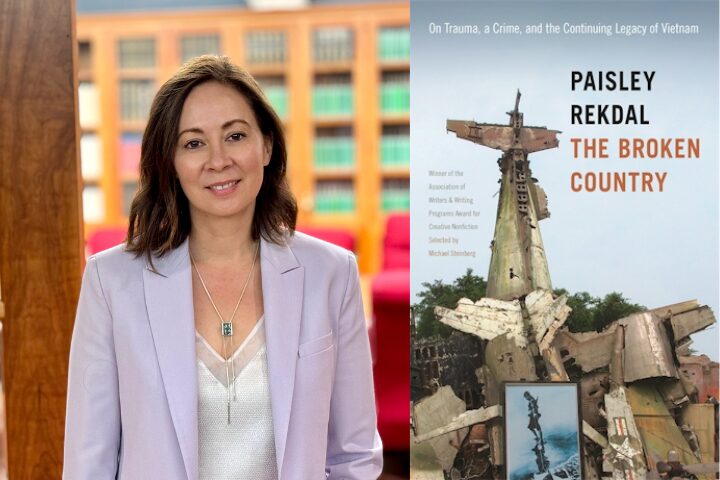
My lecture was centered on my book The Broken Country (2017), which explores the often traumatic inter-generational legacies of the Vietnam War. I’d been invited to deliver the Academy’s annual Janetta Lecture, which features writers and artists who, in the words of the USAFA, “contribut[e] to our understanding of war.” The Broken Country considers the histories of American veterans, specifically centering post-1975 Vietnamese refugees through the 2012 case of Kiet Thanh Ly, a young man who walked into a Salt Lake City megastore, purchased a knife, and began stabbing white male passersby in the parking lot, purportedly in revenge for Vietnam: a war that, due to Ly’s age, he never immediately experienced.
Two weeks before I was scheduled to give my Sept. 10th lecture, two faculty members called to inform me that the superintendent, Lt. Gen. Tony D. Bauernfeind, had decided to cancel it due to disparaging remarks I’d made about the president on social media. This was later confirmed by David Janetta, the Janetta Lecture Series donor, in another phone call.
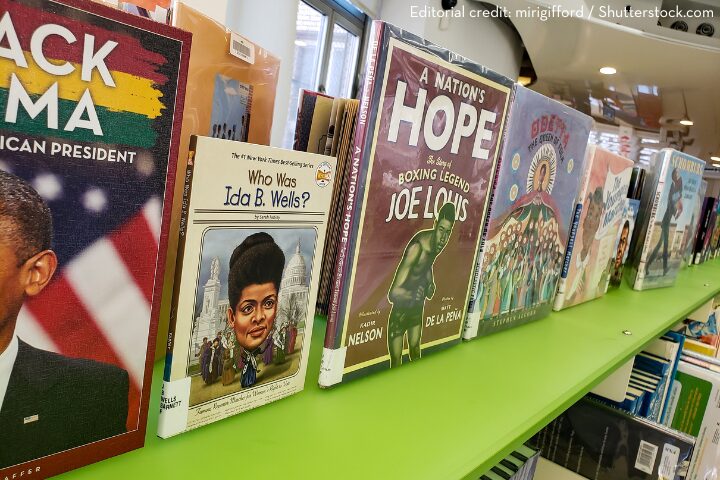
Obviously, during this era of anti-DEI executive orders, of the cancellation of National Endowment for the Arts fellowships, and the defunding of National Science Foundation and National Endowment for the Humanities grants the government now deems “woke,” the subject of my book might raise some alarms for a military academy, especially as the Department of Defense just removed 596 titles from its own schools, many of which focus on history and race. As a former PEN Utah leader, I’ve grown too used to tracking the numbers of books banned in K-12 schools across my state: currently it’s at 19 titles and counting. I’ve watched, too, higher education become engulfed in free speech conflicts over everything from Gaza to the memorialization of slavery and the Civil War.
I had not, however, imagined that my social media posts would be surveilled in this manner, nor that my academic and creative speech at the USAFA would be censored for any past criticisms of the president. While the USAFA’s official statement says that my appearance on its campus would violate the academy’s “nonpartisan obligation,” the academy’s decision was clearly both politically partisan and punitive. More distressingly, in light of the president’s own deployment of the National Guard to various Democratic-led cities across the country, I believe it signals to the general public and USAFA cadets that the Air Force’s loyalty ultimately lies with the president, specifically Donald Trump, and not the Constitution.
According to the First Amendment, a private citizen’s speech is protected from persecution and punishment by the government. But this president–through his Executive Orders, his social media posts, and his threats of financial punishment–has increasingly made it clear that institutions and media outlets that provide a platform for public criticism of the government’s actions and its allies will face dire consequences. While the cancellation of my talk came at a real cost to me personally, its consequences are broader and more profound. If we allow important conversations to be censored out of fear of retaliation by the government and abandon our commitment to the First Amendment, we risk losing our Democracy.