Savannah Dowell and the Bluegrass Students Collective | Conversations on the Quad
Kentucky’s new law restricting “DEI” in higher education and censoring curriculum rocked college campuses in the state last year. Among the law’s consequences: the elimination of offices, trainings, and initiatives seeking to increase diversity, equity, and inclusion at public colleges and universities.
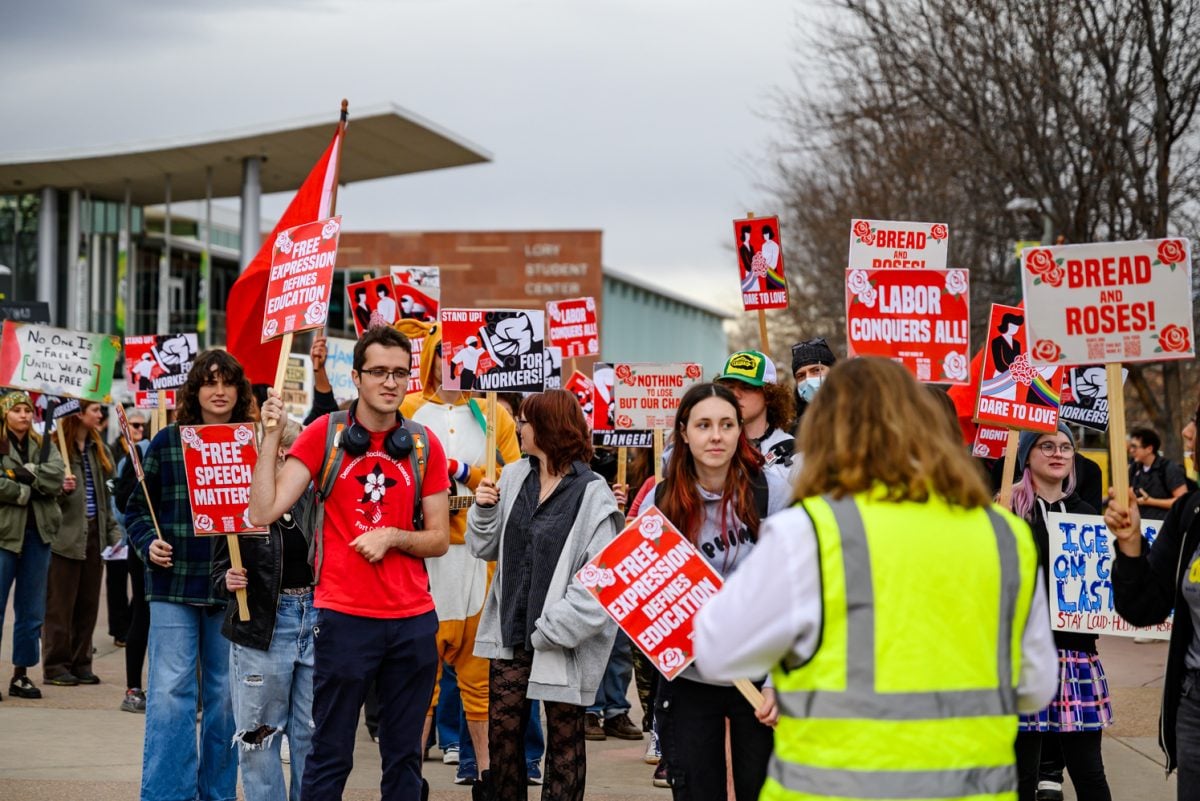
Student advocacy groups like the Bluegrass Students Collective helped lead the fight against this legislation, HB 4, which was vetoed by Gov. Beshear in March. Unfortunately and despite public outcry, the legislature overrode the veto and the bill was enacted.
As universities started to implement the law, student advocates realized they had to pivot from raising awareness about the bill to a focus on community and mutual aid. “People can’t fight for academic freedom when they can’t feed their kids,” said Savannah Dowell with the Bluegrass Students Collective.
I sat down with Dowell to talk about her work as a student organizer amid a political climate that continues to batter higher education.
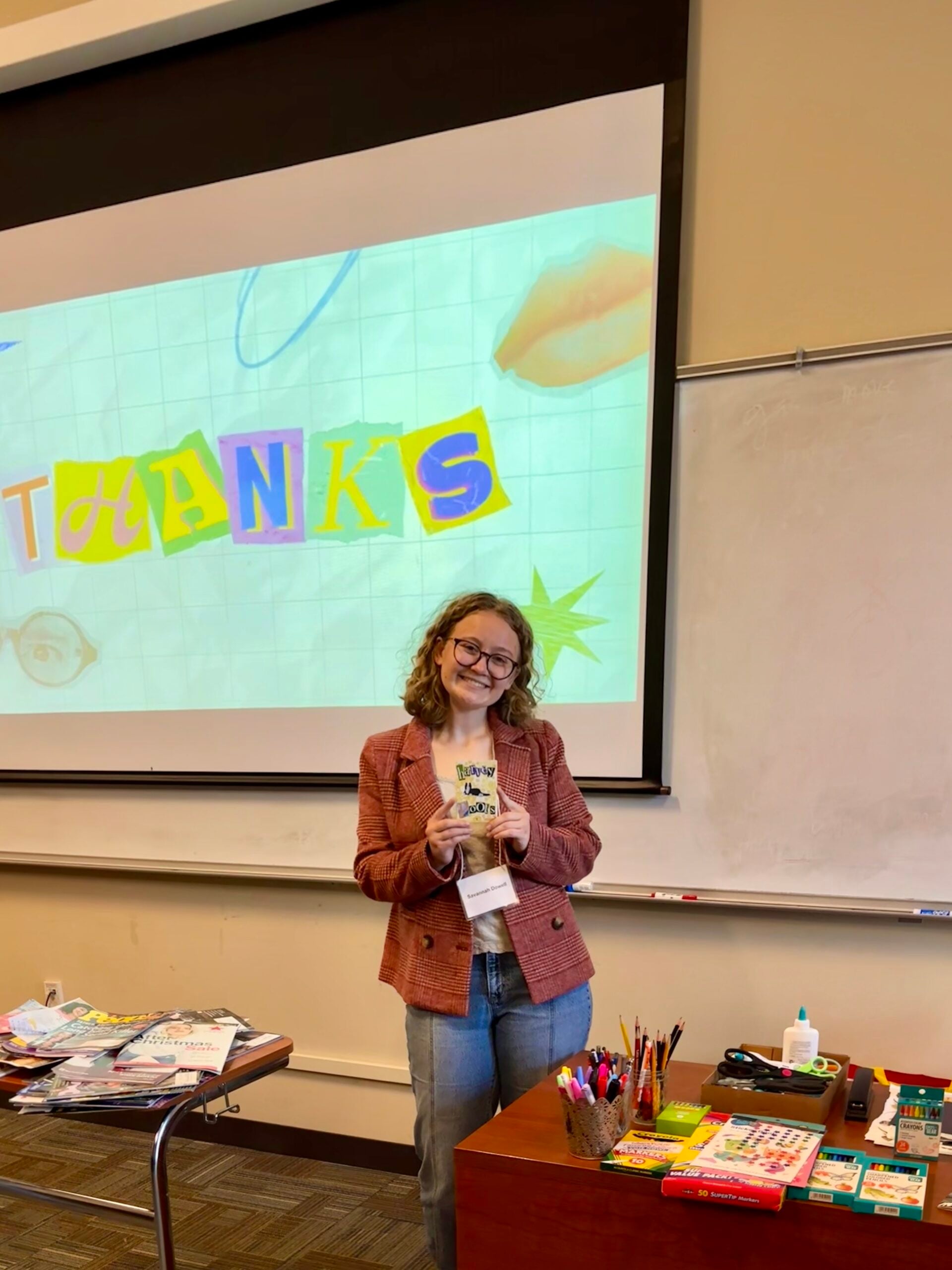
The Bluegrass Students Collective, formerly Student Coalition for DEI, is a decentralized network of students in Kentucky who want to protect students’ rights and freedoms, including the freedom to learn and access an education. “When you tackle access to education, you have to tackle economic injustice,” said Dowell. The Bluegrass Students Collective recognizes that freedom of expression in education is not just about being able to express yourself without fear of reprisal, it’s about access to that education in the first place.
Kentucky’s state legislature torpedoed that access by enacting HB 4 into law in March 2025. At the University of Louisville, the implementation of HB 4 resulted in the end of gender-inclusive housing options, which left some students unsure if they would be able to continue living on campus. The law does far more than shutter DEI offices, Dowell explained: “Wrapped up into [the bill] is an attempt to impose an ideology and constrain the university as a whole.”
Since HB 4 has been enacted, the Bluegrass Students Collective formed networks to help people find housing, navigate lease agreements, or fundraise. The collective has hosted meals, sponsored food drives, and stocked the university food pantry in response to community needs.
PEN America has been tracking legislation that censors higher education since 2021 and recently reported that over 50% of students are now enrolled in a state with at least one enacted law or policy that censors higher education. In some cases, that censorship results in explicit limitations on classroom speech, such as when a professor is told they cannot teach certain writings by Plato in a philosophy class at Texas A&M. It can also look like attacks on access and inclusion, such as when student publications aimed at specific communities, such as women or African American students, are shut down at the University of Alabama.
PEN America argues that campuses must ensure that their community is inclusive in order to achieve a campus climate in which everyone is able to freely express themselves. When certain students are concerned about where they will live because laws like Kentucky’s HB 4 lead campuses to end gender-inclusive housing, those students might become less able to participate in campus life and classroom discussions. This creates a campus community where certain voices are stifled. Dowell said the goal of the Bluegrass Students Collective is to meet the “basic needs” of the community so that “we can focus on fighting for academic freedom, the freedom to learn, and freedom of expression on campus.”
While the Bluegrass Students Collective has faced many challenges in their advocacy, including pushback from administrators and growing exhaustion from the community, Dowell was encouraged that the fight against HB 4 raised awareness of the importance of free expression and allowed the group to build important connections with other student advocacy groups across Kentucky. Dowell wants the group to continue to “dissect some of these dominant narratives that are being sown about higher education, about professors being enemies of the state.” She wants people to realize that a university campus, far from being a “cesspool of Marxist indoctrination,” is actually– and as it should be – “a community of higher learning.”
“Listen to students,” said Dowell, when I asked what was the one thing she wanted people to take away from this conversation. “Listen to student experiences, … check in on the students in your life and let them know they have your support.”
As social media users and some news outlets continue to spin the narrative that higher education inappropriately indoctrinates students, Savannah Dowell and her peers want people to remember the importance of higher education, and the necessity of inclusion to maintain a campus committed to free expression.