PEN America works tirelessly to defend free expression, support persecuted writers, and promote literary culture. Here are some of the latest ways PEN America is speaking out.
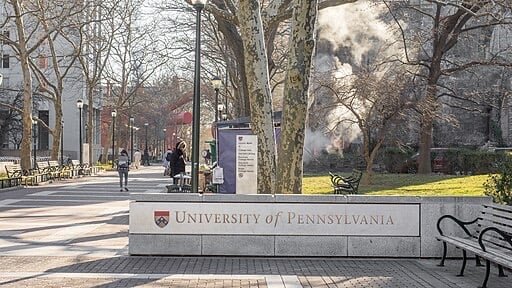
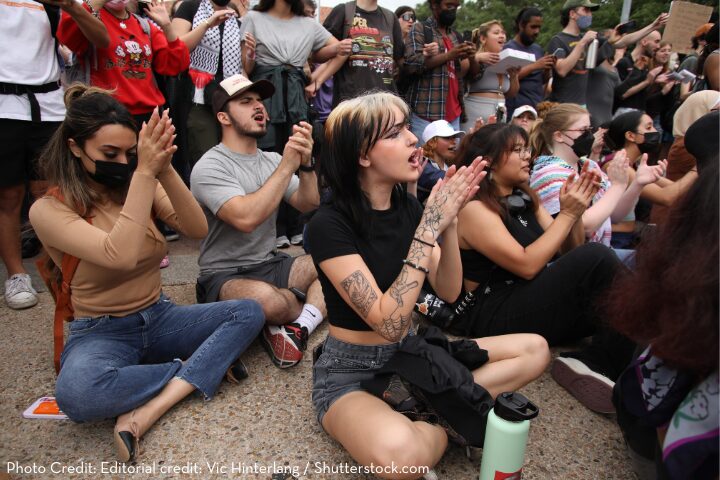
- PEN America launched a revamped Campus Free Speech Guide, a digital resource designed to support students, faculty, and administrators navigating the complex challenges of speech, protest, and academic freedom sweeping U.S. colleges and universities. It offers practical principles, legal context, and real-world case studies that will help maximize open expression and inclusion on campuses. Read more about the guide here, and view it here.
- PEN America criticized Texas A&M after one of its professors was instructed not to teach certain works by Plato because of university system rules prohibiting discussions of “race or gender ideology, or topics related to sexual orientation or gender identity” in most undergraduate courses. “It is absurd that a professor could be told not to teach Plato, a foundational thinker in the study of Western philosophy since the Renaissance, merely because his writings discuss questions about love, gender, and human identity,” said Amy Reid, interim program director for Freedom to Learn. Read the full statement here, and check out the Forbes article that quotes her here.
- PEN America expressed alarm over a congressional subpoena targeting investigative journalist Seth Harp, who was wrongly accused of “leaking classified intel” and “doxxing” a Delta Force member on the social media platform X. “Any attempt to haul an investigative reporter before Congress for doing their job reflects a fundamental misunderstanding of the role of a free press,” said Tim Richardson, journalism and disinformation program director. “This congressional subpoena follows a familiar playbook: using government tools to intimidate reporters and deter coverage that officials don’t like.” Read the full statement here.
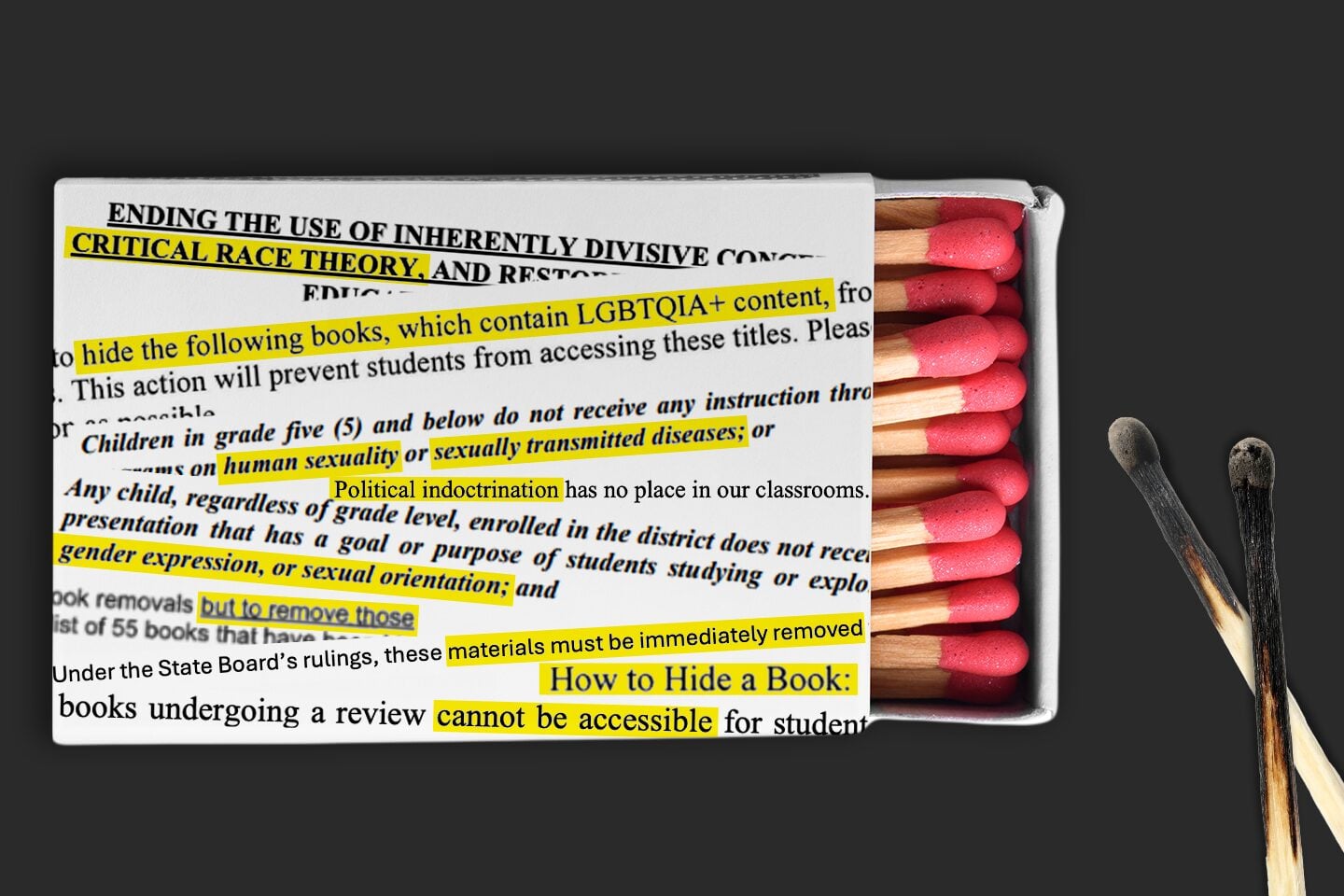
- Utah added three more bestselling books to its statewide “no read list” as the state ACLU filed a lawsuit on behalf of authors and students arguing that book bans violate their First Amendment rights. Read more about the banned titles and the lawsuit here.
- PEN America called for the release of three writers and journalists imprisoned in Vietnam on the five-year anniversary of their sentences. “These writers and journalists have already lost five years of their lives to the Vietnamese government’s outrageous persecution of their writing, which provided domestic and international readers with independent analysis of politics, governance, and human rights in the country,” said Karin Deutsch Karlekar, director of Writers at Risk. Read the full statement here.
- In a new blog post, PEN America called the denial of a visa to Iman Ahmed, a lawful permanent U.S. resident and the CEO of the Center for Countering Digital Hate, “a terrifying expansion of an assault on freedom of expression.” “By using immigration status as punishment for work that mitigates digital harms, the administration is moving deeper into state-sponsored retaliation over speech and activities it simply doesn’t like,” wrote Amanda Wells, program coordinator for digital safety and free expression, and Tim Richardson, journalism and disinformation program director. Read the full blog post here.
- Children’s book authors Joanna Ho and Caroline Kusin-Pritchard arrived at a school in California to talk about their book, The Day the Books Disappeared — but then the principal told them they couldn’t discuss book bans. It was just one in a series of recent instances in which discussions of censorship have themselves been censored. Read more about them here.
- In Shannon Hale’s children’s book Pretty Perfect Kitty-Corn, a kitten makes her unicorn BFF feel less embarrassed about accidentally sitting in paint. When a Texas school district banned the book for its focus on the “genital region,” particularly as a “source of shame,” Hale couldn’t believe it. Read more about the controversy and Hale’s reaction to it here.
- 12 debut writers celebrated winning the PEN/Robert J. Dau Short Story Prize. One told us it was “a dream come true.” Read about the talented emerging writers and their outstanding stories here.
- Applications are open for PEN America’s Emerging Voices Fellowship, which selects 10 early career writers from communities traditionally underrepresented in the publishing world for a virtual five-month mentorship program. Learn more about the fellowship and apply here before January 31.