PEN America works tirelessly to defend free expression, support persecuted writers, and promote literary culture. Here are some of the latest ways PEN America is speaking out.
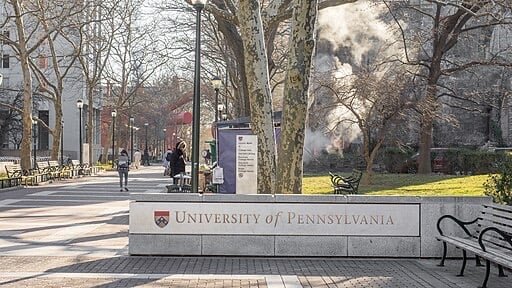
- PEN America released America’s Censored Campuses: Expanding the Web of Control, a report that highlights the unprecedented heights of government censorship of colleges and universities that spread nationwide in 2025. It analyzes the continued passage of state-level educational gag orders that restrict college teaching, the explosion of ideologically-motivated attacks on university operations, and the Trump administration’s vast weaponization of federal power to bend academic research and teaching to its ideological will. Read the report here, and check out coverage of it in Inside Higher Ed, The Chronicle of Higher Education, and NPR’s The World.
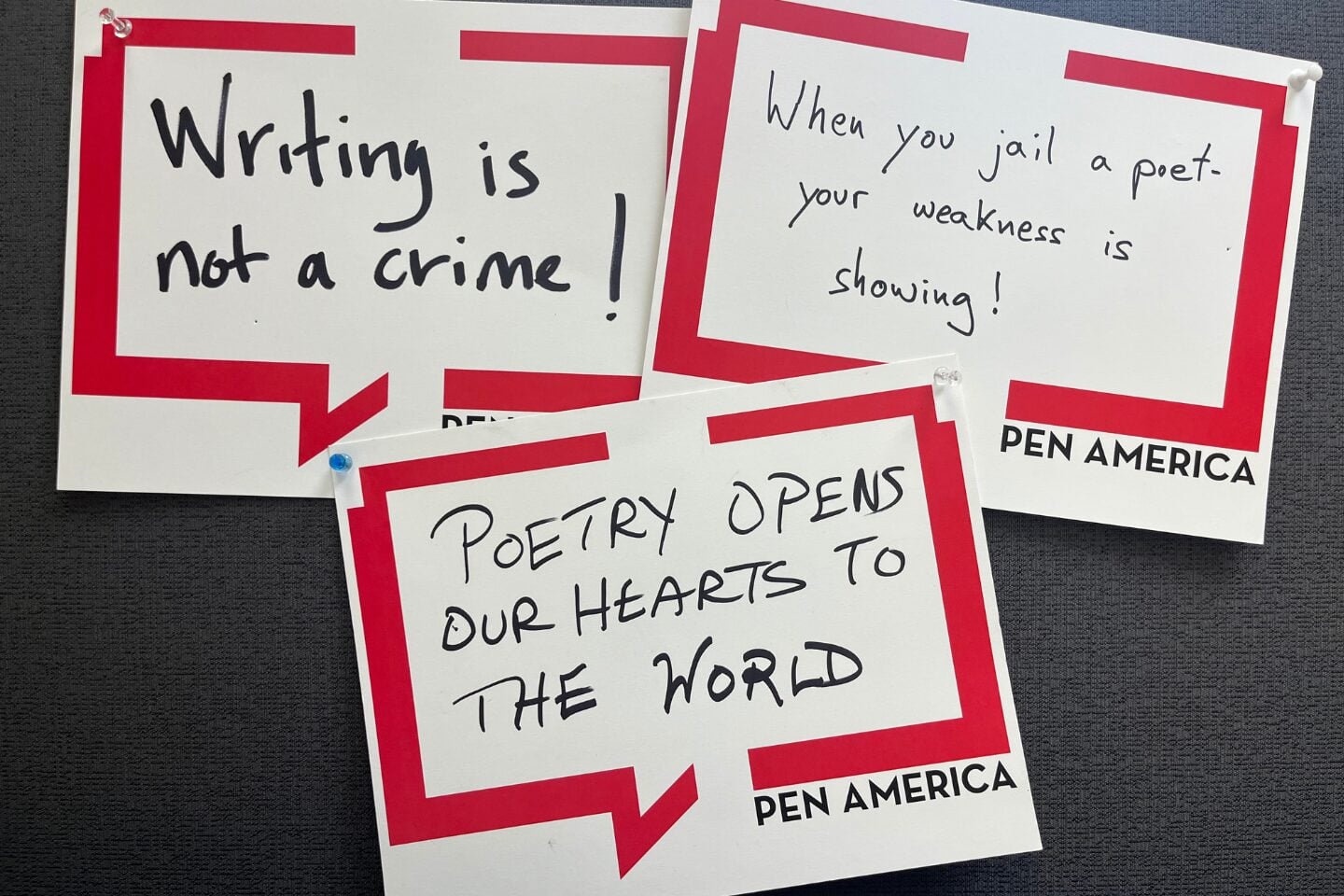
- The Free Narges Coalition, of which PEN America is a member, and more than 30 undersigned organizations called for urgent and concrete actions to circumvent internet censorship in Iran and called attention to the grave threats to existing and newly-arrested detainees, particularly those jailed for their human rights work, journalism, expression, activism, or peaceful assembly. Read the full statement here.
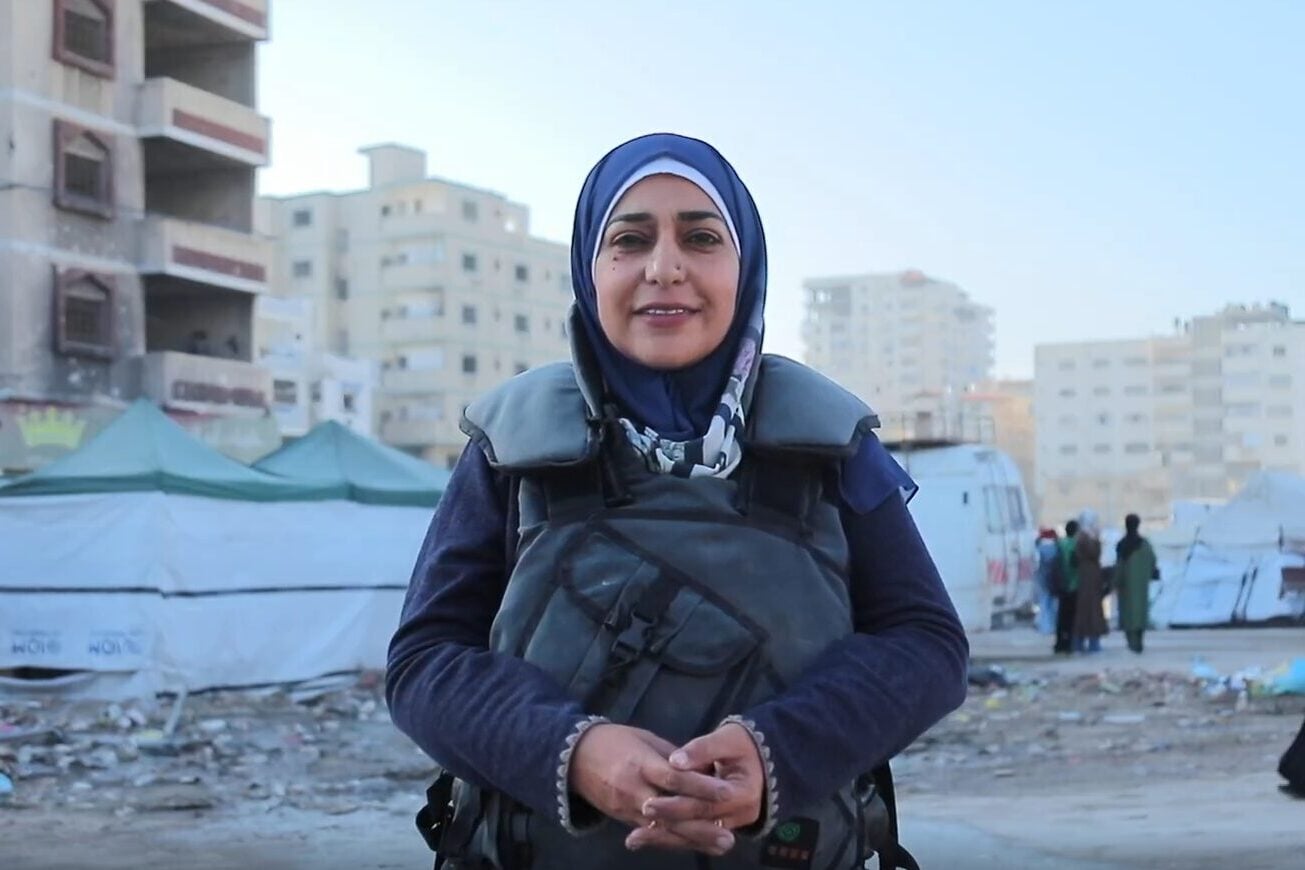
- PEN America expressed alarm over the FBI’s search of Washington Post reporter Hannah Natanson’s home, saying it “strikes at the heart of press freedom.” “A government action this rare and aggressive signals a growing assault on independent reporting and undermines the First Amendment,” said Tim Richardson, journalism and disinformation program director. Read the full statement here.
- The Journalist Assistance Network — a network of international press freedom organizations including PEN America — called for the protection of journalists reporting on ICE after the Trump administration said it would deploy more agents across the United States. In recent months, journalists covering ICE activity throughout the country — particularly in communities in Minnesota, New York, Oregon, and Illinois — have cited direct targeting by local and federal law enforcement. Read more here.
- PEN America expressed sorrow over the death of Priscilla Heim, a teacher and editor who, alongside her late husband Michael Henry Heim, one of the preeminent literary translators of his time, established the PEN/Heim Translation Fund in 2003. Their endowment has awarded grants to more than 250 literary translators to date and has become one of the most significant resources for emerging translators. Read more here.
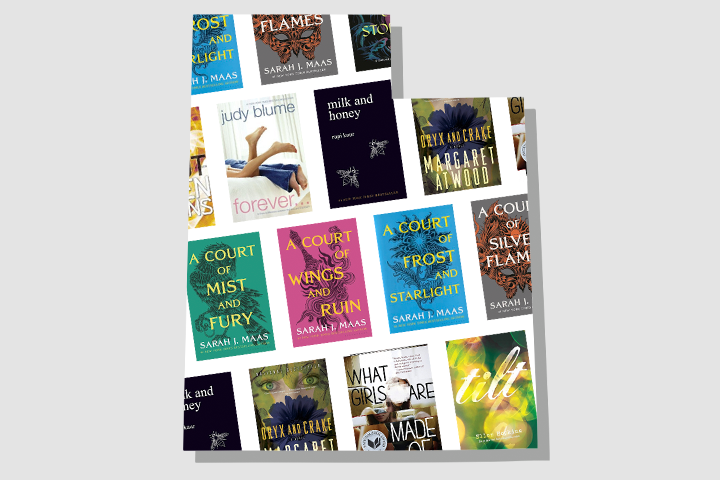
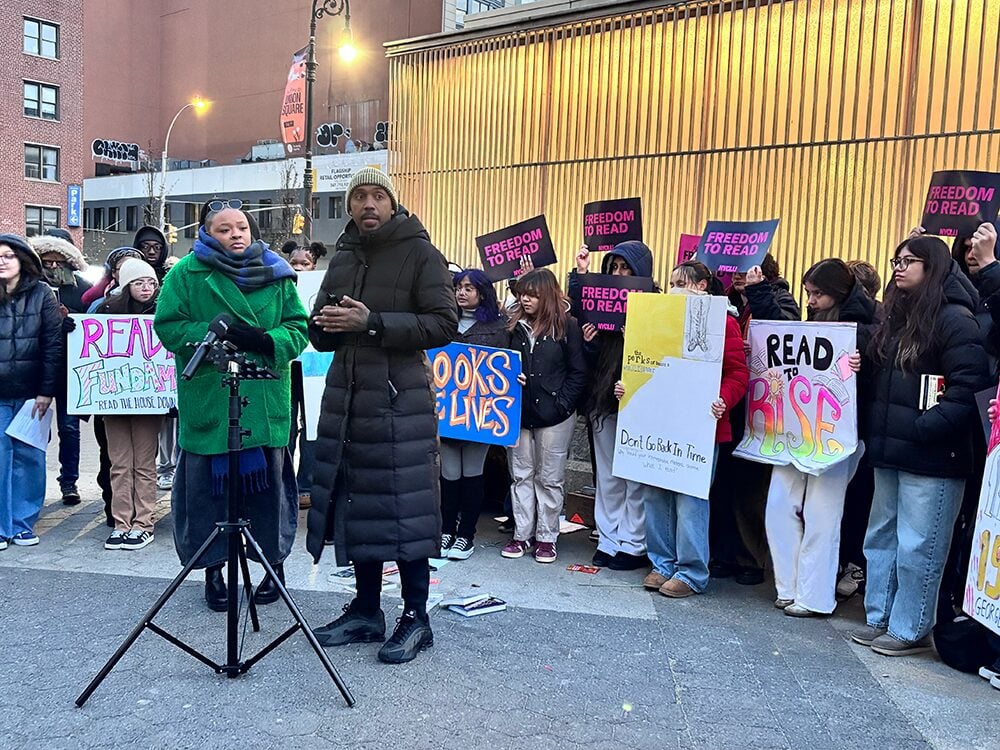
- Two community-wide readings of Katherine Applegate’s book were cancelled because the book’s protagonist — an oak tree — is both male and female. In an interview, Applegate tells PEN America what children miss out on when adults refuse to let them read the book and explains the root cause (no pun intended) of bans. “Books are banned because compassion takes work and hate is easy,” she said. Read the full interview here.
- PEN America condemned the Department of Defense’s apparent attempt to grant Pentagon officials control over the editorial content of Stars and Stripes, the independent news organization founded during the Civil War. “This action tramples both the First Amendment and the congressional mandate that the publication remain editorially independent,” said Richardson. Read the full statement here.
- Nature Magazine spoke to experts including beck Haberstoh, program manager for digital safety training and resources, about six steps researchers can take to protect their digital security. Read the article here.
- The podcast Life in Higher Ed interviewed Jonathan Friedman, Sy Syms managing director for U.S. free expression programs, and Amy Reid, program director for the Freedom to Learn, about changes to academic freedom in recent years and their impact on students and faculty. Listen to the episode here.
- In an article about a screening of The Librarians hosted in collaboration with a local library in Gainsville, Florida, The Independent Florida Alligator quoted Sophia Brown, program coordinator for Florida. “Independent bookstores in Florida do a lot for this fight,” Brown said. “They do a lot to create those resources and those avenues to have these discussions that people are increasingly afraid to have in public schools and universities.” Read the full article here.