PEN America works tirelessly to defend free expression, support persecuted writers, and promote literary culture. Here are some of the latest ways PEN America is speaking out.
- PEN America’s professional members elected acclaimed novelist Dinaw Mengestu as the organization’s new president. In addition to having written four novels, Mengestu directs both the Center for Ethics and Writing and the Written Arts Program at Bard College. “His unwavering commitment to free expression, his advocacy for writers under threat around the world, and his profound belief in literature’s power to humanize across deep divides will guide the organization through this pivotal moment for democracy and the written word,” said Summer Lopez, interim co-CEO. Read the full announcement here, and read a new interview with Dinaw here.
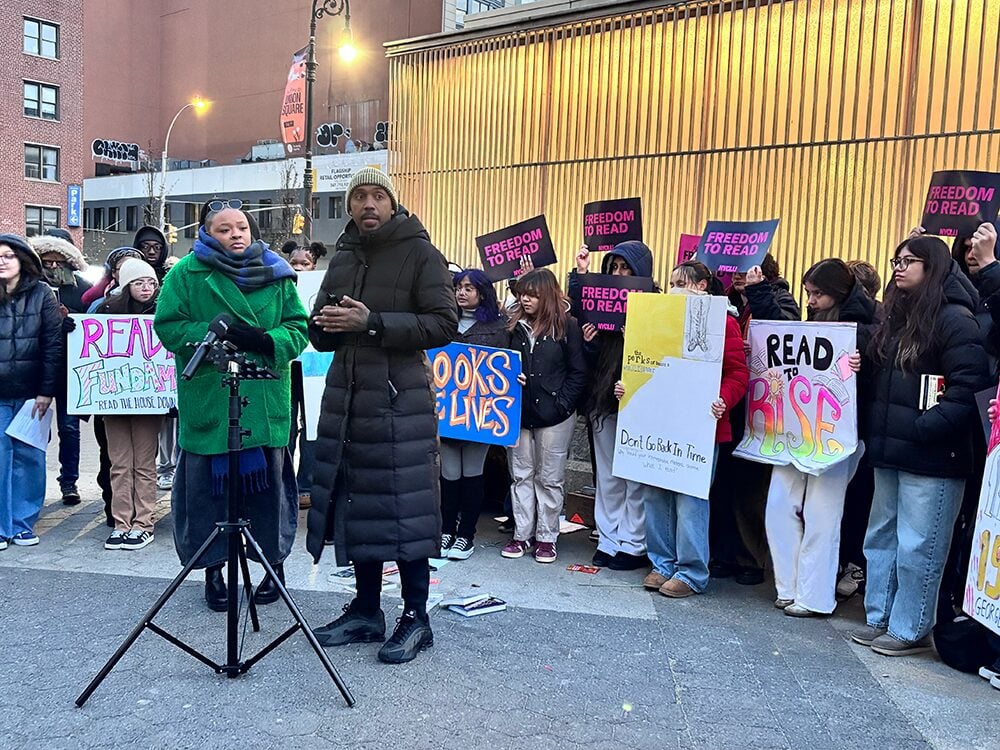
- PEN America released a report on the evolving ways in which state laws are propelling book bans at the local level. It also tracks which states have codified the freedom to read, providing hope in a fraught landscape. Read the report here.
- PEN America partnered with The American Library Association, Book Riot, Florida Freedom to Read Project, and Texas Freedom to Read Project to sound the alarm on the censorship crisis the organizations have watched intensify in 2025. Take a look at the Book Riot story to learn more about the trends they’ve observed.
- PEN America announced its 2026 literary awards longlists, which will confer nearly $350,000 to writers and translations. See the longlisted books here, and find them on our reading list here.
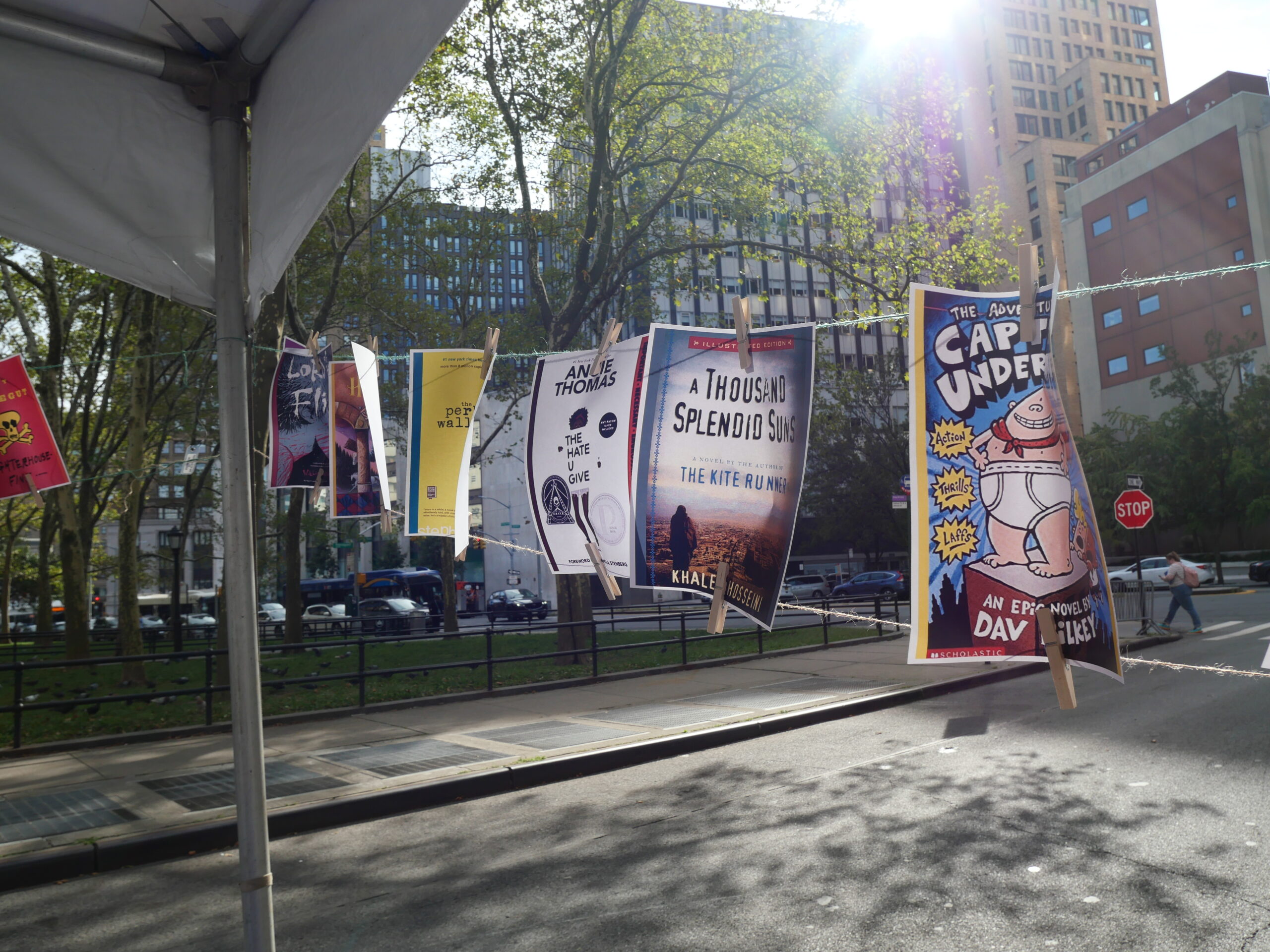
- PEN America released a list of the top 52 books banned in public schools since 2021. Looking for Alaska, a modern young adult classic by bestselling author John Green, topped the list with 147 bans. Check out the rest of the list here.
- PEN America spoke with John Green, who said it’s no badge of honor to be the author of the most banned book in America. “I think that intellectual freedom is a core principle of American life, and it’s disappointing to see so many thousands of challenges and book bans over the last few years,” he said. “And more than disappointing, it’s, for me at least, pretty scary.” Read the full interview here.
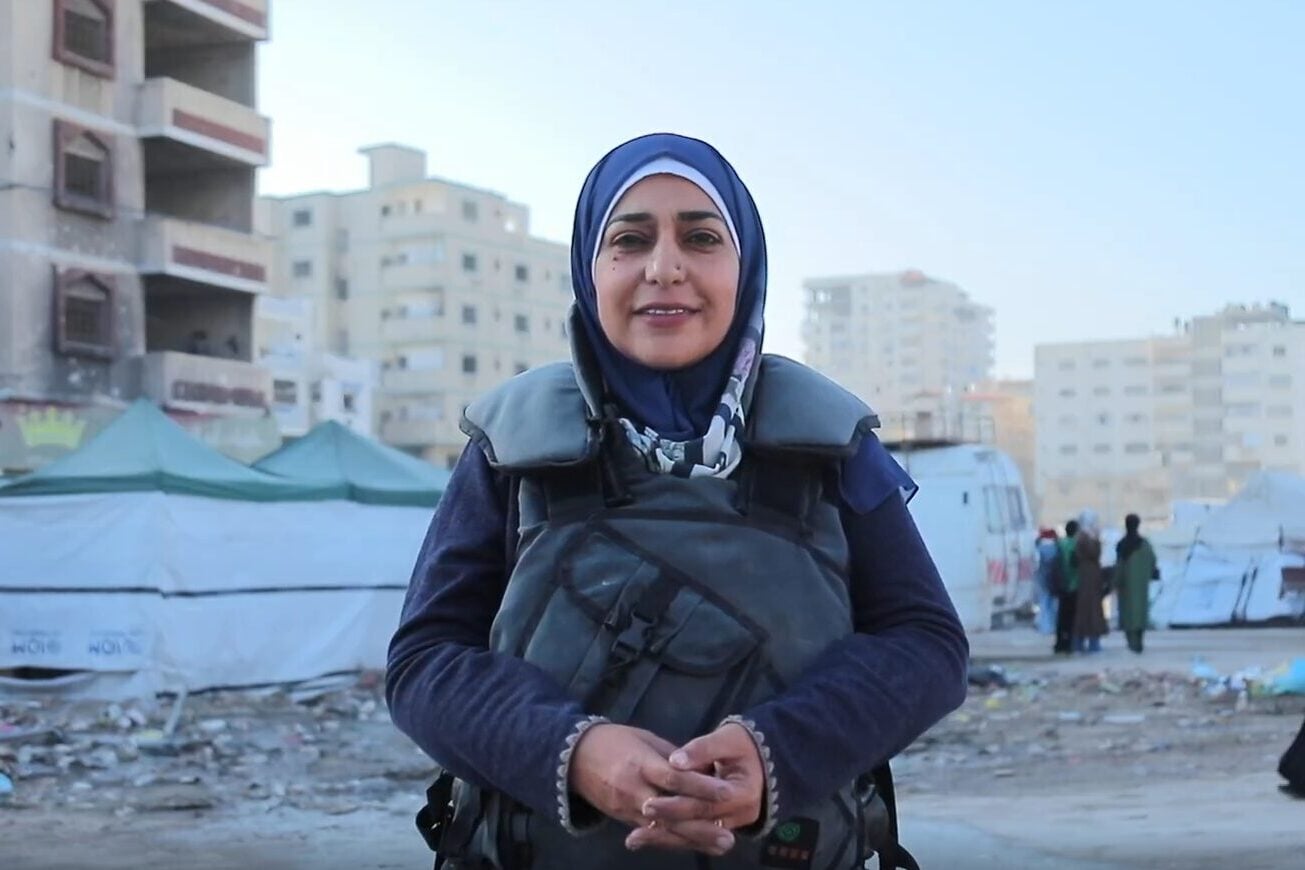
- For the public launch of Kronika, a digital platform that will safeguard independent journalism against state censorship, four journalists gathered together to discuss their experiences witnessing the rise of global authoritarian regimes and the warning signs they’re watching emerge in the United States. Read more about Kronika here, and find out what the journalists had to say here.
- In an article about a North Carolina county dissolving an entire public library board after its members voted to keep a children’s book with a transgender character on shelves, The Washington Post quoted Kasey Meehan, Freedom to Read program director. “It’s a pretty dramatic response to wanting to have diverse and inclusive books on shelves,” she said. Read the story here.
- PEN America said that President Donald Trump’s $10 billion defamation lawsuit against the BBC represents a coercive ploy to globalize his domestic threats to a free and independent press. “The president should abandon this dangerous effort to use the courts as a cudgel against the free press,” said Tim Richardson, journalism and disinformation program director. Read the full statement here.
- Booker Prize-winning author Kiran Desai joined us for a recent PEN Out Loud event, where she spoke about the attention that her new novel, The Loneliness of Sonia and Sunny, devotes to its peripheral characters, the problem with the term magic realism, and her intense writing process. Catch up on the talk here.
- PEN America’s November Emerging Voices Workshop brought together 15 fiction, creative nonfiction, and poetry writers together. Check out what the weeklong session was like here.