More than six million Mongolians living in China are having their culture, language, and identity ripped away from them by the repressive policies and actions of the Chinese government. “Save Our Mother Tongue”: Online Repression and Erasure of Mongolian Culture in China, is a new, in-depth report that looks at what happens when a community’s digital rights are violated.
This type of destruction of identity has been carried out throughout history. From the cultural genocide of Native Americans committed by settlers, the myriad laws English authorities imposed to suppress Irish language and culture, and the repression of Crimean Tatar language and culture by Russia in occupied Crimea, the links between repression of a people and the banning of its language are clear.
Now, that repression is not only happening in real-world settings like classrooms, but has moved online to forums and apps which modern activists have created to preserve their cultural identity, and which are being shut down with vicious precision.
What is happening to Mongolian language and culture online in China?
The Chinese government’s systematic repression of traditional Mongolian language and script is undermining the cultural and free expression rights of Mongolians in China – placing their ability to preserve and pass on their cultural heritage to future generations at risk. This is part of a wider crackdown by the Chinese government as it seeks to stamp out minority languages and cultures, not just with Mongolians, but with Tibetans and among the Uyghur population as well.
This report focuses in particular on the attempts to eradicate the Mongolian language, expression, and community from online and digital spaces by restricting language-specific messaging apps, deleting Mongolian music from mobile applications, and shutting down Mongolian-language and Mongolian cultural websites, among other repressive tactics.
Why have you chosen to focus on Mongolians in China and the Inner Mongolia Autonomous Region?
This report focuses on the Inner Mongolia Autonomous Region because there is an urgent need to better understand the threats to Mongolian culture online and to safeguard and protect it before it is eradicated by the Chinese government’s escalating and far-reaching censorship of online cultural spaces.
The repression has drastically escalated since 2020 with the introduction of a policy replacing Mongolian with Mandarin across all subjects in schools. Protests swept through the Inner Mongolia Autonomous Region, leading to swift and brutal suppression including 8,000 – 10,000 Mongolians placed in some form of police custody and targeting online communication tools compatible with Mongolian script.
Since then, efforts to eradicate the Mongolian language online have escalated even further, with more systematic erasure of online and cultural spaces being used for Mongolian-focused discourse.
What is the Chinese government doing?
The Chinese government has used various tactics in its campaign of oppression. It has been erasing Mongolian online life by: targeting individual Mongolian activists and educators who make posts online with arrest and “re-education;” banning language-specific messaging apps that were designed and coded to support Mongolian script; shutting down chat forums and online meeting spaces where people wrote in Mongolian and discussed Mongolian language and culture; and removing traditional Mongolian music from music apps.
At the same time, the Chinese government claims to be preserving minority cultures, including through social media influencers and partnerships with media outside of China. That “preservation,” however, amounts to the promotion of a watered-down, tourist version of true cultural heritage, and a version that the Chinese government deems “acceptable.”
When did the repression of Mongolian culture start?
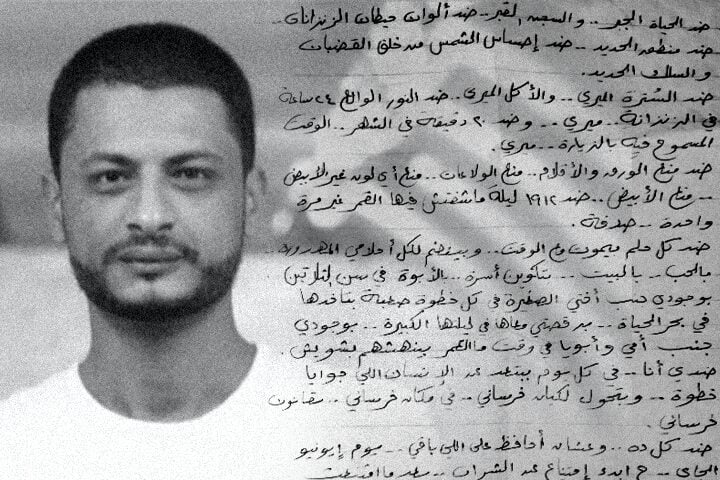
The Chinese government has been suppressing Mongolian activists and voices since the early days of the People’s Republic of China. In 1995 the Chinese government imprisoned Hada – a Mongolian writer who advocates for Mongolian language and heritage – for the first time. He has been continually targeted, harassed and detained since then. By the early 2000s, the Chinese authorities were publishing state media in Mongolian and were shutting down independent online websites in Mongolian.
What is the impact of the repression of Mongolian culture?
Sustained surveillance, censorship, and online erasure has an isolating and devastating effect on communities. At a personal level, people cannot communicate with their families and friends in their mother tongue and Mongolian children are disconnected from their history.
This repression by the Chinese government also means Mongolian culture and language are no longer visible both online and offline. Mongolian history has been rewritten in Chinese textbooks, songs that connect and celebrate Mongolian culture are removed from apps, and previous online communities have been deleted from the internet. Only stories sanctioned by the government are permitted to remain online.
Mongolians who challenge this erasure – including fighting for their language, the most basic element of their culture – are doing so at significant risk and have been surveilled, detained, and forced to flee. Some Mongolians who participated in protests and have since fled have been banned from essential messaging apps, like WeChat, that enabled them to stay in community with other Mongolians.
Why does protecting language and culture matter?
Language forms part of the human right to culture which includes developing, expressing and enjoying one’s cultural identity, language, heritage and beliefs. To protect people’s cultural rights is to protect their language, and vice versa. By attempting to eradicate Mongolian language online and in education, the Chinese government seeks to erase the Mongolian identity in its entirety – keeping only what is deemed palatable to the Chinese government, and thereby infringing on their human rights
Can cultural rights really apply to an online space?
Yes, absolutely. Online cultural communities are not just “nice to have” but an essential part of allowing people to fully enjoy their cultural rights. Culture is living and dynamic, and as technology evolves, so does cultural expression. For Mongolians, this has taken shape in Mongolian-language websites and mobile apps, all of which lets Mongolians in China communicate with their friends, family, and community.
Online spaces also offer an archive to preserve and protect cultural heritage and lessons that might otherwise be lost. Additionally, as people feel compelled to leave due to repression and harassment, these spaces are how they maintain community and pass on practices.
Governments have increasingly targeted the visibility, expression, and community spaces of minority groups online, and in many cases, weaponized digital technologies to suppress these groups.
Is online cultural repression happening elsewhere?
Worldwide, including in China where Tibetans and Uyghurs have faced significant repression, governments have targeted cultural identity, visibility, community, and expression online, especially that of minority groups. Some examples include:
- Criminalizing and targeting cultural websites and apps.
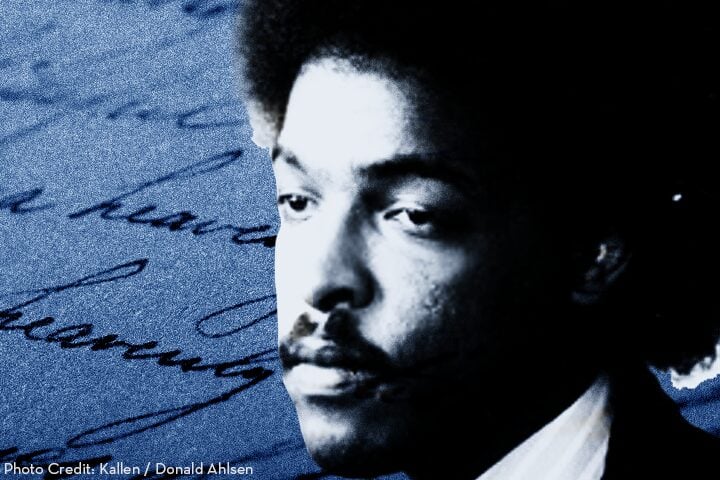
- As in the case of Mongolians in China, this includes imprisonment of administrators and developers. Examples of those imprisoned by China include Gulmira Imin, a Uyghur poet and Uyghur-language website moderator, Ilham Tohti, Uyghur professor and co-founder of website Uyghurbiz, and Ekpar Asat, a Uyghur entrepreneur who developed a social media platform for Uyghurs called Bagdax.
- In another example, the creator of the Tibetan video sharing app, GangYang, shut down his app for alleged financial reasons in February 2022, although rights organizations suggest the shutdown was part of a crackdown.
- Websites are also often outright blocked by authorities, for example, the blocking of the Tibetan-language blog, Luktsang Palyon (Tibetan Sheep) in China.
- Punishing and censoring internet users for cultural expression and online activism—in one example, in February 2022, Russian authorities jailed Crimean Tatar civic activist and architect Edem Dudakov after his online criticism of Russian authorities for construction (framed as alleged restoration) that threatened the 16th-century Khan’s Palace, or Hansaray, a significant emblem of Crimean Tatar culture.
These efforts are not isolated incidents—they occur against the backdrop of sustained efforts like state-sponsored hate campaigns (like in Iran against the Bahá’ís) and platform complicity (like Meta’s censorship of Palestinian identity and content online, as documented by multiple human rights groups, or Chinese AI chatbots self-censoring information about China’s human rights violations against minority groups).
What needs to happen to protect Mongolians’ digital and online cultural rights?
Protecting Mongolian language and culture is an urgent priority. The Mongolians PEN America spoke to have a clear vision of what cultural expression online would look like – it would mean the freedom to tell stories on their own terms, in their own language, and free from surveillance or censorship. It would be a digital environment where Mongolian history, music, literature, and traditions are not only preserved but allowed to evolve and flourish.
Mongolians have a right to their culture – from independent expression, to being able to use their mother tongue, to honouring their heritage, to being in community with one another – but Beijing’s actions threaten these rights.
Governments, the cultural sectors, and the technology sector all have a role to play to ensure Mongolian culture can thrive, including online. This includes:
- Exploring securely supporting Mongolian cultural initiatives, including with overseas communities
- Investing in technology that supports a free and open internet
- Supporting independent reporting on ethnic minorities in China