In A Beautiful China, a collection of 24 essays written between 2017 and 2019, Xu Zhiyong, imprisoned Chinese essayist and legal scholar, writes: “To summarize our dream in one word, it is this — A Beautiful China. And if we were to describe the values of this Beautiful China, they would be these — freedom, justice, and love.”
And yet, the Chinese government has repeatedly deprived him of all three, weaponizing his love for China—which shines in each essay—against him.
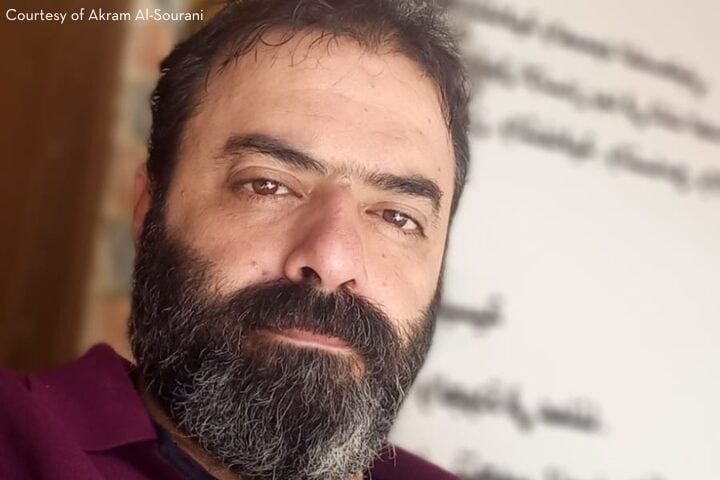
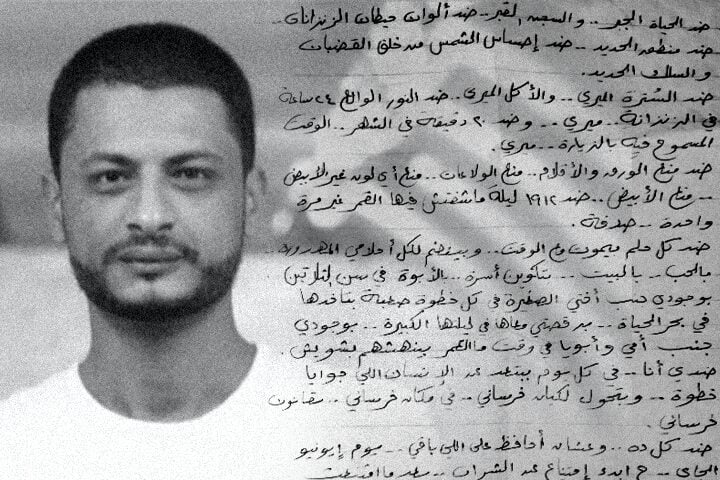
On February 15, 2020, Chinese authorities detained Xu from his friend’s home in southern China. In June 2022, he was tried on the charge of “subversion of state power” and in April 2023, the Chinese authorities sentenced him to 14 years in prison. His essays from A Beautiful China, which he wrote as a love letter to his country, were used as evidence against him. This is his second time in prison. During the first time from 2013 to 2017, he maintained a diary, steadfastly chronicling his thoughts. When he was released, he was unable to bring his writing with him, but instead leaned on his memory to capture those thoughts for A Beautiful China.
Since his detention in February 2020, he has been repeatedly denied contact with his family, his partner, and his lawyer. When his mother died in February 2026, weeks before the sixth anniversary of his arrest, he was denied the right to say goodbye to her.
His partner Li Qiaochu has written about her increasing challenges trying to communicate with Xu by letter. Even when she has revised letters in compliance with the prison’s requests, letters have still been withheld from Xu. Other letters she wrote have been backlogged and held for months.
The Chinese government has a long history of fearing the written word. Since PEN America began documenting the number of writers imprisoned for their words globally in 2019, the Chinese government has jailed the most writers.
Writers challenge authoritarian governments’ stronghold on what is true. As Xu himself says, there is no “sole possessor of the truth.” In his final essay for A Beautiful China, “My Beliefs,” he wrote “Part of how we experience the world comes from the perceptions of others. Distant worlds, long histories, other people’s stories—once we believe them, they become part of our world.”
This last essay was published in November 2019, just one month before he was forced into hiding by a crackdown on civil rights activists who had participated in a gathering on human rights. Even while in hiding in early 2020, he continued to publish political commentary online, including an open letter, “Dear Chairman Xi, It’s Time for You to Go.”
One day after his last blog post on February 14, 2020, police detained him. His friends who had housed him were also detained for a period, as was his partner Li, who was held incommunicado until June 2020. Following Xu’s arrest, she was detained once more in February 2021 before being arrested and charged with “inciting subversion”—all for her advocacy for Xu. She served three years and eight months in prison before her release in August 2024.
In “Beautiful Politics,” essay 21 of A Beautiful China, he wrote, “Different natures, educations, and environments shape varied political views. These differences, inherent in the human world, form the diverse roles that collectively create a vibrant and colorful society.” Xu Zhiyong deserves a beautiful China, one in which the Chinese government releases him and other imprisoned writers. We readers deserve his freedom, too.
Read the English translation of A Beautiful China on China Change’s website.