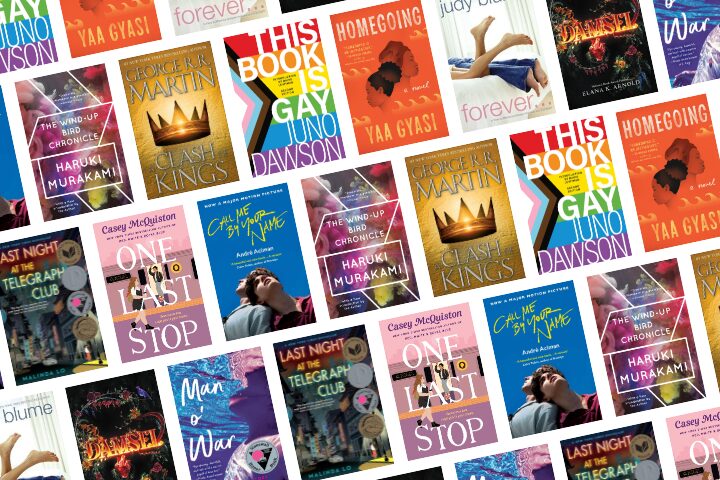
Each fall, the Florida Department of Education releases a report of “removed or discontinued” materials for the prior school year. The report on the 2024-25 school year documented 414 book bans across public school districts in the state – a significantly smaller figure than PEN America’s Index of School Book Bans and Florida Freedom to Read Project reports.
PEN America, in partnership with Florida Freedom to Read Project, tracked more than 2,300 book bans in Florida during the 2024-25 school year.
Why the difference? PEN America defines a book ban as any action taken against a book based on its content that leads to access to that book being restricted or diminished. PEN America has tracked the bans of unique titles nationwide since 2021 using publicly available data sourced from school district websites, school board minutes, public records requests, coverage by local journalists, and through collaboration with advocacy partners.
The state Education Department report documents book removals through annual reports from each district, which only includes titles for which there has been a final decision of removal.
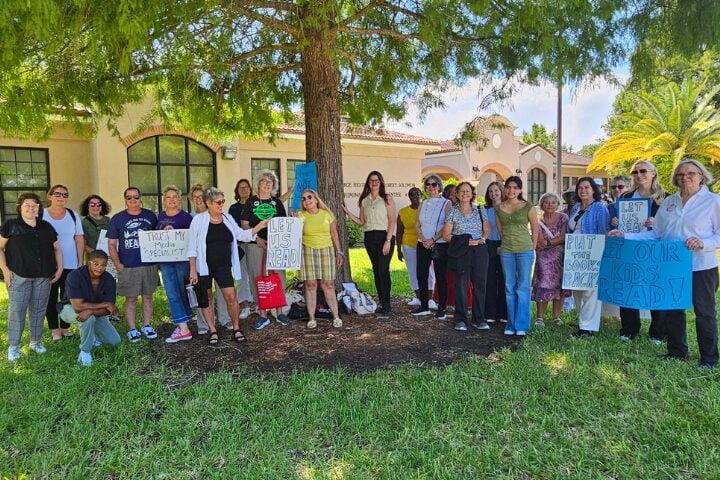
While more than 400 bans in one state are still significant, we know book bans often take place outside of official processes and are therefore not reported on the state’s own list. Take the Hillsborough School District. The Freedom to Read Project documented a months-long campaign led by the Attorney General and State Board of Education against Hillsborough County that led to more than 600 titles being temporarily or permanently removed. Meanwhile, the Florida Department of Education’s report claims that there were no book bans in Hillsborough County.
We also know that many books are restricted from certain grade levels or temporarily removed – sometimes for long periods of time, an issue Florida legislators have attempted to rectify.
William Johnson, Director of PEN America Florida, further explained the discrepancies: “What happened in Hillsborough is not an exception; it’s the playbook. Across Florida, districts are pressured to pull books preemptively or sideline them without ever going through the formal review process. When the state undercounts these removals, it creates the illusion that censorship has eased. It hasn’t. It simply moves into the shadows. Suggesting otherwise isn’t just misleading, it obscures the very real consequences for students, educators, and the freedom to read in this state.”