Conversations on the Quad: Nicole Manning
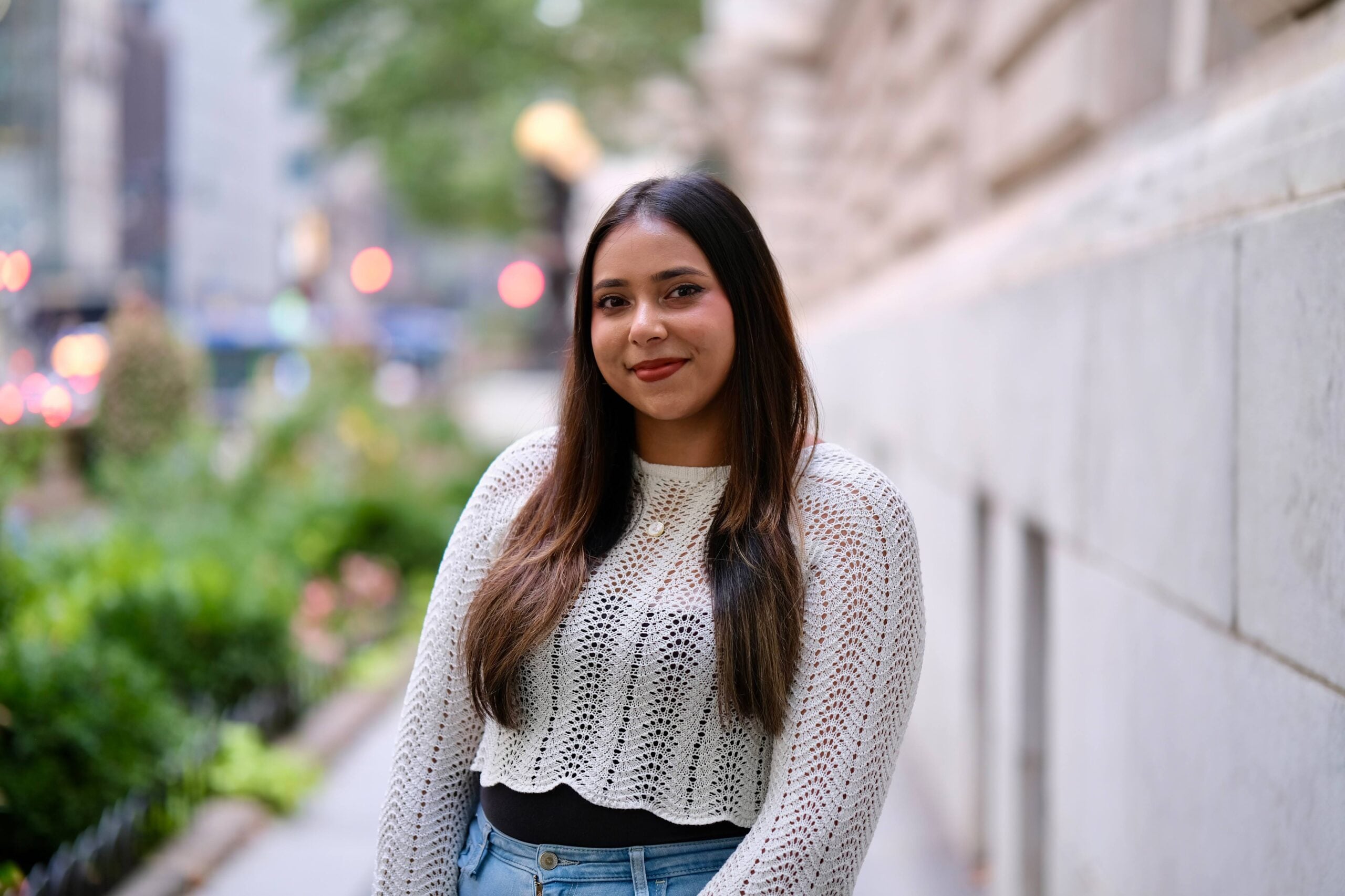
After attending multiple PEN America advocacy institutes in high school, Nicole Manning had learned to express herself with confidence. But graduating and setting foot on a campus like Yale with its own histories, cultures, and expectations could intimidate even the most comfortable, outspoken student.
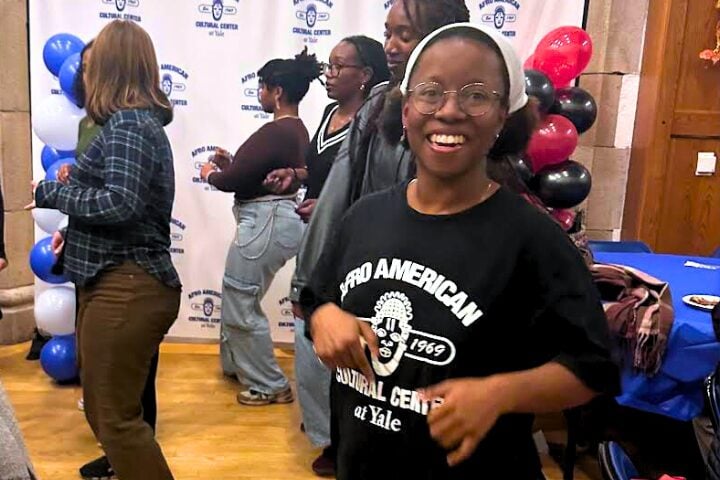
I reached out to Nicole last week to catch up, and what she shared with me felt like exactly the kind of story our Conversations on the Quad series was made for. She told me she’d found relief, and eventually grounding, in the student groups and cultural centers that welcomed her as a new student to campus. She said, “As a Black woman in this country, even when I’m fortunate to be in diverse spaces, I still need a place that reminds me I belong here.”
For Nicole, these spaces became what she called an “infrastructure for expression.”
“The cultural centers are really that infrastructure. They’re where students find connection, mentorship, and grounding. There is something so special about seeing people who look like you in an institution not made for us, but made by us.”
Nicole is an alum of several PEN America advocacy institutes, including our programs on global press freedom and news literacy, and it’s been remarkable to follow her journey from her early high school years to her third year at Yale studying political science and social movements.
Catching up on her college career, Nicole and I talked about what it means to be a college student right now, especially against a backdrop of heightened political anxiety and polarization.
Speaking about the vital role campus infrastructure played in shaping her experience with expression on campus so far, she reflected, “free expression really benefits from the intimacy of spaces, where even the voices that don’t feel comfortable with a megaphone can be uplifted.” This felt like such a powerful articulation of something campuses should not forget when facing pressures to shutter inclusive programs and centers: everyday spaces for students to connect with others who they share things in common with, matter.
Nicole credits her early exposure to PEN America’s work and philosophy around free expression as one of the key driving factors that pushed her toward student journalism in high school and ultimately her undergraduate studies of politics and activism. She told me, “After taking PEN America’s institutes, I knew I wanted advocacy to be something that was always in my life in some shape or form. It prepared me with a lot of the skills and tools and empathy I needed when I got out and started doing real journalism.”
But still she said the transition from high school to college was by no means easy. Nicole described to me navigating what she called an “imposter syndrome” as she worked to find her voice at an institution very different from anywhere she had ever been. The cultural center helped her feel at home.
Of course, this led us to a more frustrating part of the chat, acknowledging the reality that cultural and affinity centers like the ones that supported Nicole are being shuttered, defunded, or renamed nationwide as a result of new government policies targeting diversity, equity, and inclusion. Nicole was clear about what’s really at stake when institutions start stripping away or diluting these spaces.
“Changing these to just ‘community centers’ degrades what those spaces mean. It’s not about exclusion, it’s about recognition. These spaces are where students can express themselves on their own terms, not just on the university’s terms.”
Yale’s cultural and affinity centers are still standing, and Nicole has been able to draw real strength from them, but at the same time she is also watching students at other campuses lose similar spaces as states roll back diversity and inclusion initiatives. Hearing her reflect on how those spaces shaped her confidence made the contrast stark, underscoring just how uneven the landscape has become for students trying to find their voice.
For campuses trying to figure out what to do in response to the current pressures facing higher education, Nicole shared with me some clear advice on things administrators can do to strengthen campus free speech during such a turbulent time. She emphasized first and foremost that campuses need to find ways to go beyond static policies to actually investing in the human infrastructures that make free expression possible. She said for example to “hire students, not just more administrators, to teach digital literacy and media responsibility.” She noted that her peers often have more experience navigating things like misinformation and AI, and that shared language has real benefits for students coming to campus spaces looking to strengthen their sense of belonging.
Nicole also stressed the importance of disability and academic support, adding that “accessibility is part of expression; it gives students the tools to show up fully in the classroom.”
Lastly, she urged that institutions not forget the importance of cultural and identity-based spaces on campus that enable students like her to feel a sense of belonging on campus.
“Don’t lose that human connection… College students need culture and community.”