
PEN America’s Campus Free Speech Principles

These principles undergird all of PEN America’s Campus Free Speech Guide. As you use this guide, you will find additional principles and recommendations that relate to a variety of issue areas. Case studies, along with resources and advice, will allow the reader to best understand PEN America’s position when it comes to upholding free speech, academic freedom, and inclusive communities.

Aerial view of the University of Chicago, home of the Chicago Principles, articulating the institution’s core commitment to free expression, academic freedom, and open, robust debate across diverse viewpoints.
Campuses occupy a unique position in a democratic society
They are a significant place where rising generations learn and practice freedom of expression, where the open exchange of ideas is essential to their mission, and where academic freedom enables intellectual exploration and innovation.
Free speech and inclusion go hand in hand.
Campuses can and must fulfill their dual obligations to protect free speech and advance diversity and inclusion. In order to uphold commitments to free expression, campuses must foster a diverse and inclusive environment. And, in order to uphold commitments to the rights of all students to participate freely and equally, campuses must remain open to a broad range of ideas and perspectives.
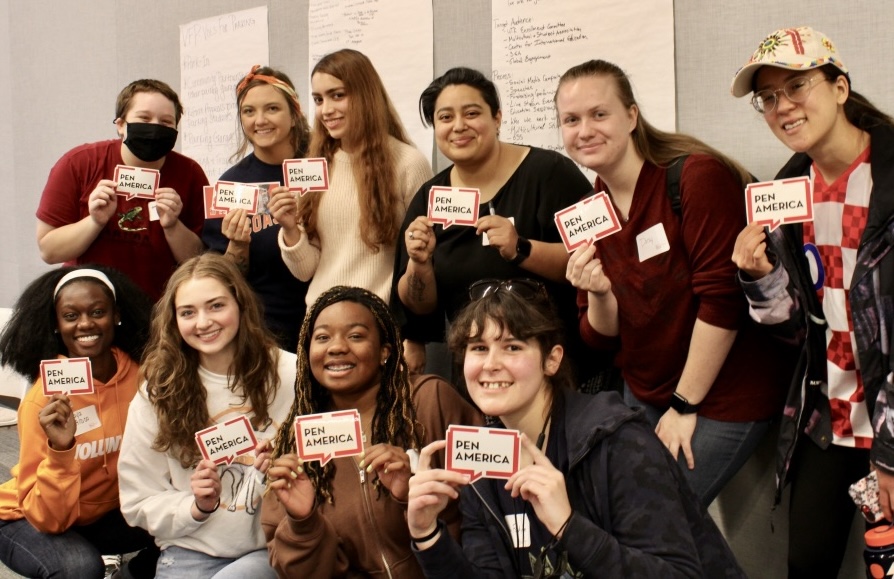
Student participants gather for a collaborative workshop on campus free expression advocacy during PEN America’s 2022 Student Summit for Free Expression at the University of Tennessee, Knoxville. Photo: Nicholas Perez/PEN America
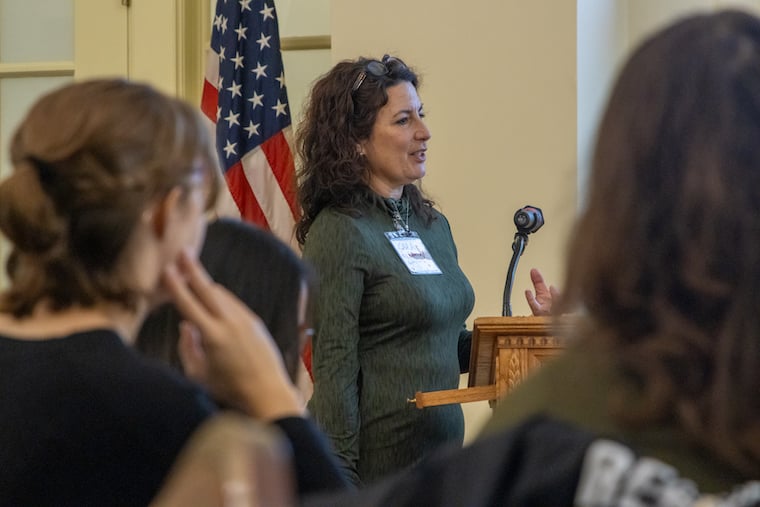
Lara Schwartz, PEN America Facilitator and Founding Director of the American University Project on Civic Dialogue, guides student leaders and administrators through a PEN America Academic Freedom Colloquium in October 2024. Photo courtesy Washington College
Education strengthens free expression.
An education that includes exposure to challenging ideas and a diversity of perspectives builds a culture of free expression on campuses and beyond. Promoting free speech to the fullest extent requires fostering a climate of open inquiry and critique, respectful engagement, and equal opportunities to engage in open discourse. This is nurtured by education and practice, not just policy.
Campus leaders play a critical role in modeling free expression.
They must understand the bedrock values of freedom of speech and diversity of thought that are essential to the academic mission, and integrate them into their policies and practices. They must also be free to assert and affirm their institution’s values as they see fit.

Dannoff Dean of Harvard College, Rakesh Khurana, engages in conversation with students before a PEN America Keynote panel on “Combatting Censorship, Disinformation, and Hate” on January 18, 2024. Credit: Intellectual Vitality Initiatives/Harvard College

Students at Texas State University stage a peaceful counterprotest after outside demonstrators displayed hateful signs on campus following the 2024 presidential election. Credit: Meg Boles/The University Star
Hateful speech can have a chilling effect on others, but campuses should not respond to such speech with censorship.
Instead they should consider responding with educational efforts, a clear statement of institutional values, support for affected students, and opportunities for further dialogue and learning. Where speech crosses into harassment, discriminatory action, or hate crimes, however, campuses must respond firmly.
More expression is better than less.
Campuses that take proactive steps to promote and embrace a culture of free expression are better prepared to handle controversies as they arise. Reactions to speech challenges should err on the side of protecting speech, and avoid implementing restrictions that could infringe on the essential openness of the campus environment.
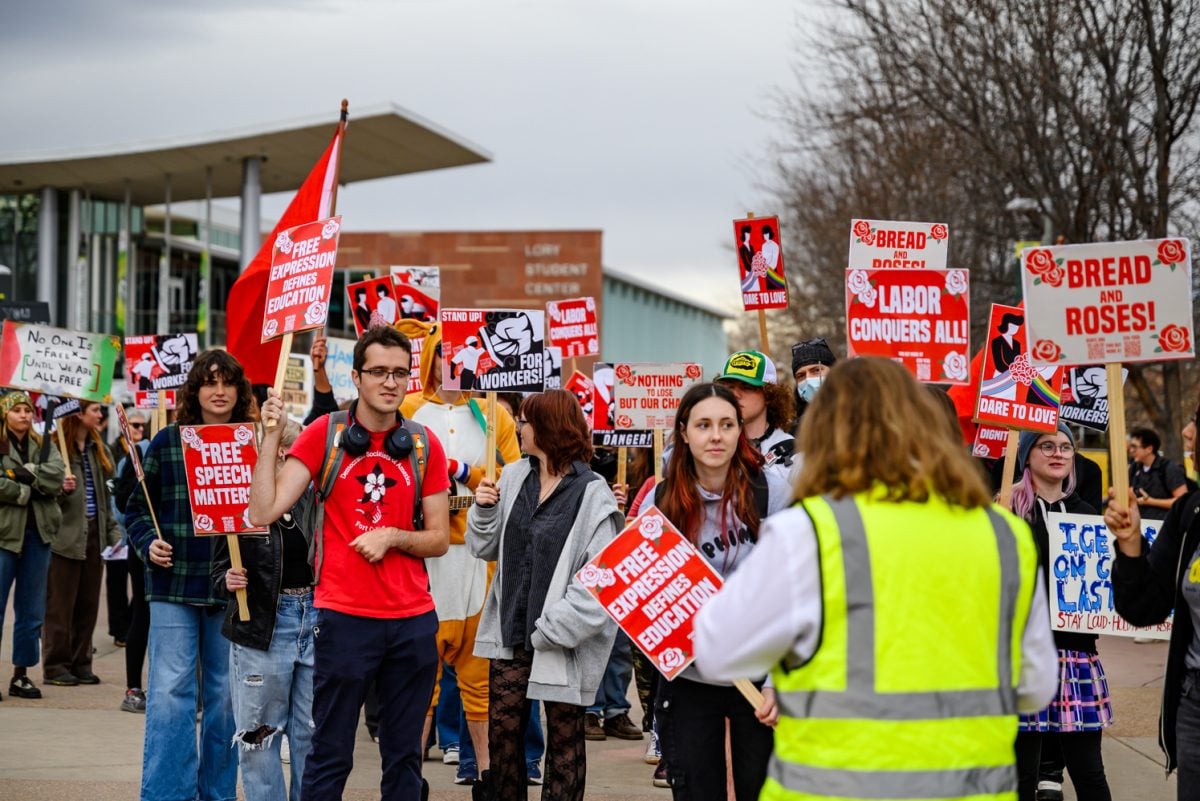
Colorado State University students gather on the Lory Student Center Plaza before the March for Academic Freedom on Nov. 7 in conjunction with the American Association of University Professors’ Day of Action. Credit: Cait Mckinzie /The Collegian

Jim Ryan is sworn in during his inauguration as president of the University of Virginia in front of Old Cabell Hall on Friday, Oct. 19, 2018, in Charlottesville, VA. Ryan was the ninth president in the school’s history. He later stepped down amid intense political pressure and government scrutiny related to the university’s diversity, equity, and inclusion initiatives. (Zack Wajsgras/The Daily Progress via AP)
Colleges and universities must be politically independent and free from state censorship.
For the academy to thrive, its core functions, including research, teaching, admissions, and hiring must remain independent and free from political influence or control. Such institutional autonomy is a necessary prerequisite for academic freedom and the freedom to learn, and for ensuring universities remain drivers of a free and democratic society.
Campus Free Speech Guide
These guides provide principles, guidance, and advice for nurturing campus communities that protect freedom of expression and academic freedom to the utmost while upholding values of belonging and inclusive communities.
-
The Law and Campus Free Speech
-

Hateful Speech and Expression on Campus
-
Speakers and Events on Campus
-

Faculty Speech and Expression
-
Campus Climate
-

Protests on Campus
Acknowledgements
PEN America is grateful to the thousands of students, faculty, and administrators who have engaged with us over many years, and especially to those who offered detailed and substantive feedback on earlier versions of this site.
The Campus Free Speech Guide was made possible by the generous support of our funders.