
Campus Climate
Campuses should build meaningful structures for dialogue, education, and support for when expression offends while upholding free speech and academic freedom.
Guiding Principle
Colleges and universities are uniquely positioned as crucibles of discourse. They are also communities, with a shared mission to pursue truth and knowledge. This requires a commitment to engage with a broad range of perspectives and to support the questioning of accepted wisdom. This may mean engaging with materials and information that some may find offensive, or even harmful. To face this challenge, campuses should build meaningful structures for dialogue, education, and support for when expression offends while upholding free speech and academic freedom.
60% of college students feel that the climate on their campus prevents some people from saying things they believe because others might find it offensive.
“College Student Views on Free Expression and Campus Speech 2024,” Knight Foundation and Ipsos, July 2024
Overview
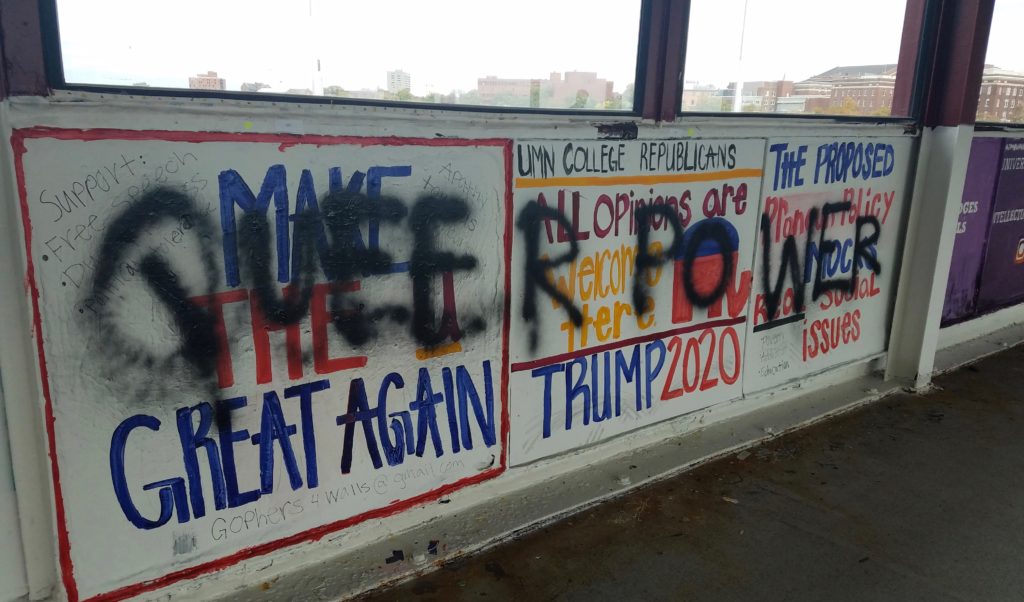
In an educational environment, students encountering ideas that may challenge them or cause some degree of discomfort is a critical part of the learning experience. Experiences of offense and disagreement, as well, are inevitable in an expressive society. Some encounters may lead to individuals reporting that they feel harmed or unsafe. Words that—intentionally or unintentionally—cause harm can make the open exchange of ideas difficult.
While language can offend without rising to the level of harassment or hateful expression, that does not mean the impacts should necessarily be dismissed. It is important that administrators, staff, and faculty unpack with students what words like “safety” and “harm” mean, distinguishing between discomfort, offense, and threats of physical harm. Respecting students’ emotional responses while also fostering an engaging learning environment, and not giving into censorial impulses to discipline or limit protected expression is a critical responsibility of these institutions. That some individuals may experience offense or negative feelings in response to others’ speech is not alone sufficient grounds to limit such speech, particularly as continued dialogue is the most likely tool to rectify cases of miscommunication.
What does the law say about fostering a safe climate on private and public campuses and universities?
74% of students rate their college as doing an excellent or good job promoting free speech.
“State of Higher Education Study 2025,” Lumina Foundation and Gallup, May 2025
Our Approach
- When speech or expression sparks division or controversy, universities should aim to contextualize rather than suppress by providing forums, statements, or programming that allow space for multiple perspectives and help the community process disagreement. This should be done in advance when possible to prepare for foreseeable tensions, or promptly in response when concerns are raised.
- It is neither possible nor desirable for the campus to offer protection from all ideas and speech that may cause a measure of harm or discomfort.
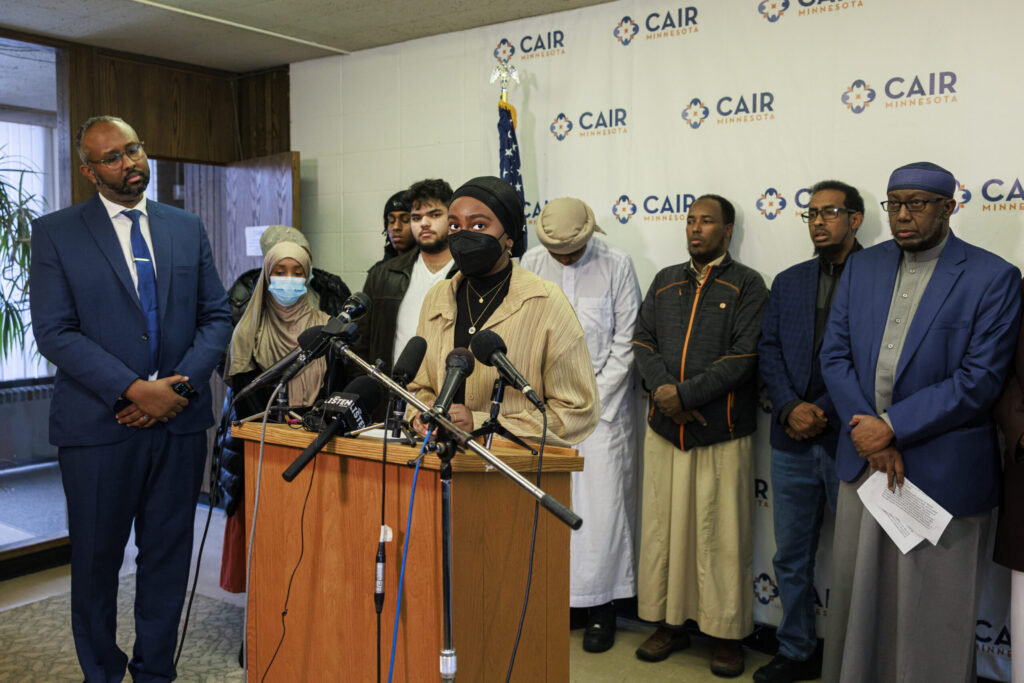
- Responsibly engaging with and responding to people who say they feel unsafe, harmed, or offended is a critical part of maintaining community trust in free expression.
- Campus policies that delineate words or types of speech in order to restrict or discourage their use are a direct threat to free expression, and risk prohibiting or disfavoring some speech.
- Universities should leave the question of trigger warnings or any other sort of alerts about course material up to the individual faculty members who have the relevant subject-matter and pedagogical knowledge to make such determinations.
- Campuses should enable and support efforts by students or others in the community to create clubs, organizations, or gathering spaces based on common identities and values, sometimes called “affinity groups” or “safe spaces.” Such spaces can facilitate free expression for students who may not feel able to speak freely in other campus spaces.
- Spaces that are intended for all—such as dorms, residential colleges, classrooms, and cafeterias—must be kept intellectually and ideologically open.
- Campus discourse should be predicated on the presumption of respect for differences, including differences of view that cause disagreement, and universities should invest in equipping their community with the knowledge and skills to put that presumption into practice.
- With many students on campus also active online and on social media, campus administrators should make clear to their communities that the university has only limited authority over online expression and should avoid overreaching into areas outside its remit.
The percentage of students who feel uncomfortable due to speech about race, gender, religion, or sexual orientation on campus almost doubled from 25% in 2017 to 44% in 2024.
“College Student Views on Free Expression and Campus Speech 2024,” Knight Foundation and Ipsos, July 2024
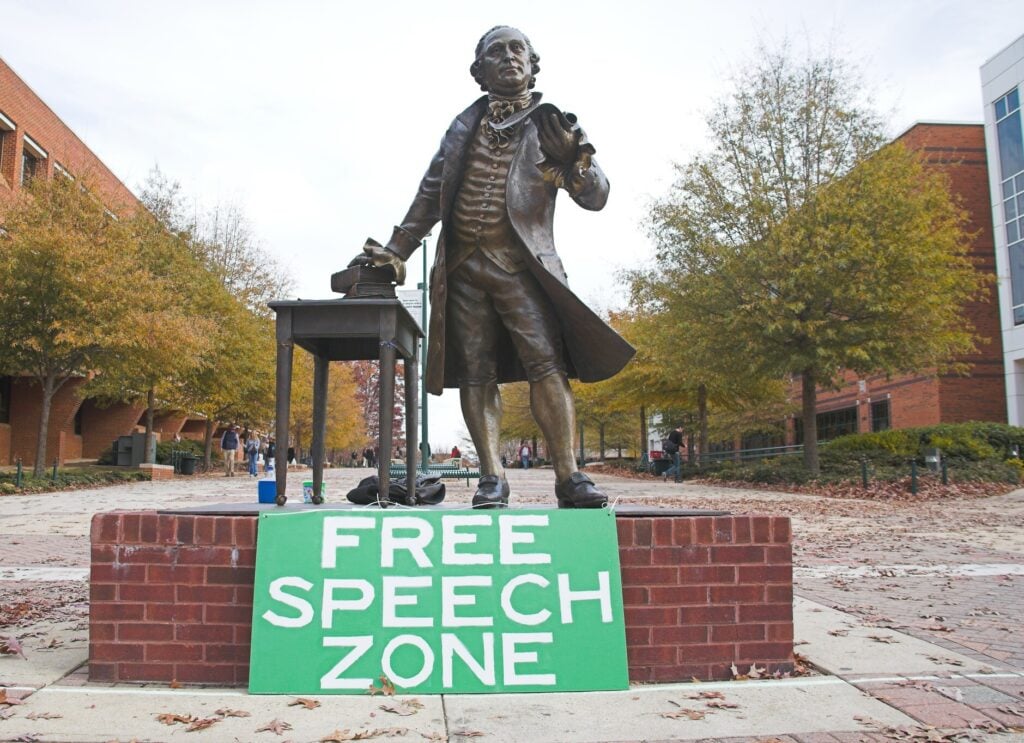
What are Free Speech Zones?
A free speech zone is a specially designated area on a campus or in other public places where expressive activities, such as protesting or distributing leaflets, can occur.
Campus Free Speech Guide
Get principled guidance for how campuses can best remain open to all voices.
-
The Law and Campus Free Speech
-
Hateful Speech and Expression on Campus
-
Speakers and Events on Campus
-

Faculty Speech and Expression
-
Campus Climate
-

Protests on Campus
The Campus Free Speech Guide Blog
To read case studies about free speech on campus and learn more about PEN America’s approach to these issues, check out the Campus Free Speech Guide blog.
-
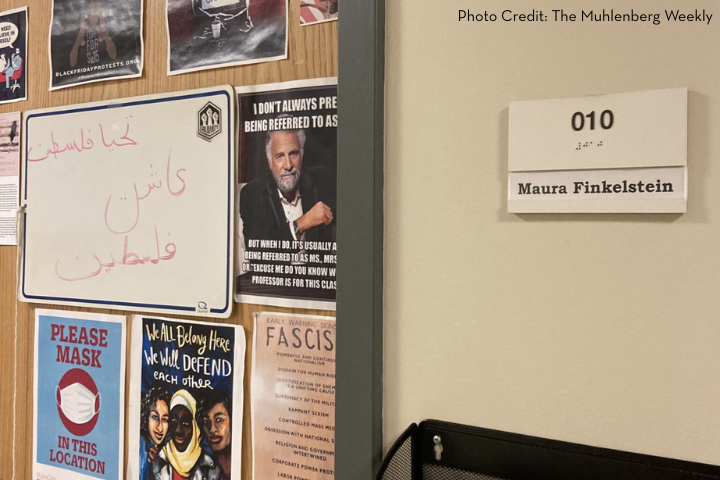
When Social Media Posts Become a Fireable Offense
Unless a faculty member’s speech can be shown to render them unfit to perform their duties, social media posts should not be grounds for dismissal.
-
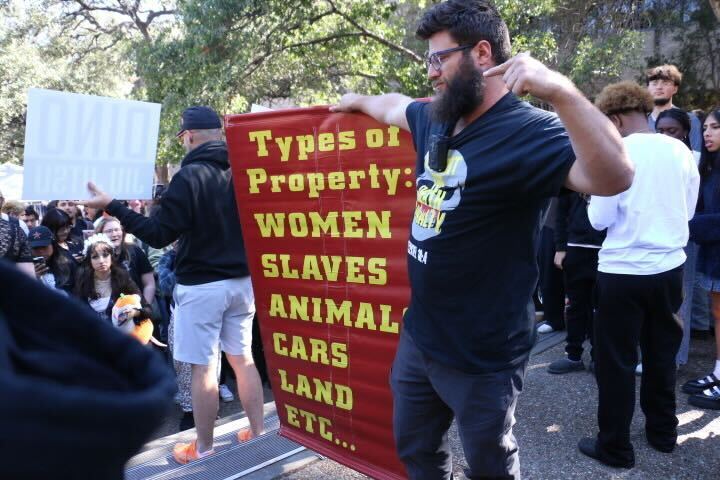
Is Hate Speech Free Speech?
In the United States, hateful language and offensive speech are protected from government interference under the First Amendment.
-
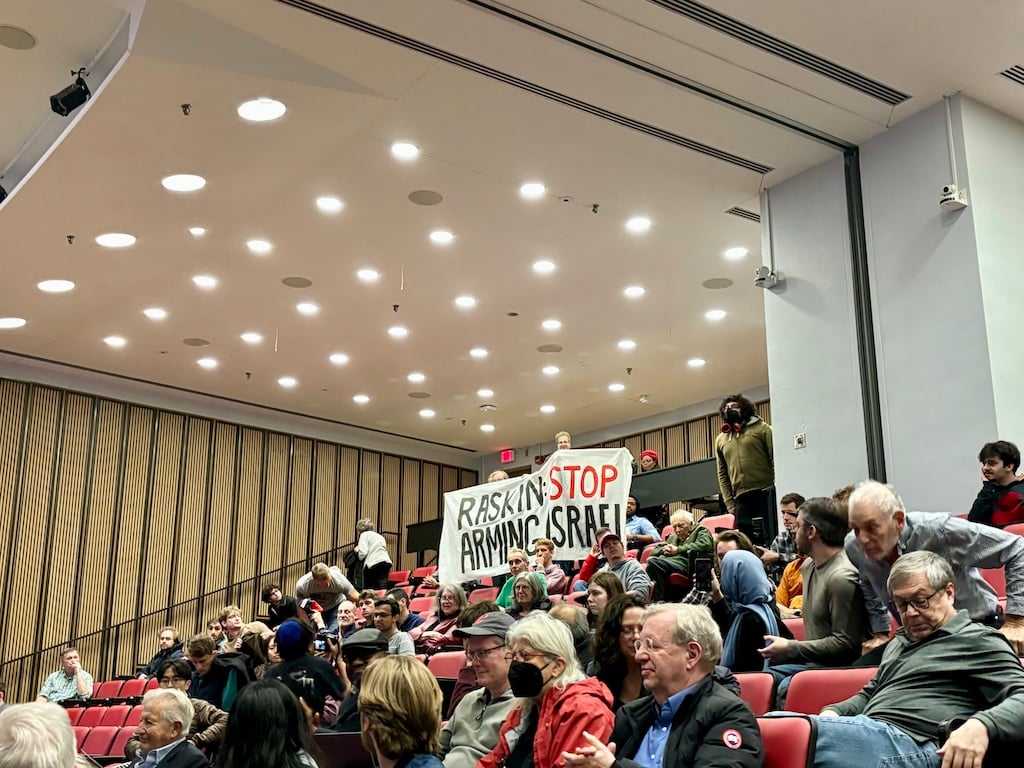
What is a Heckler’s Veto?
When interruptions become prolonged to the point of silencing a speaker, the expression can cross into a heckler’s veto.
Acknowledgements
PEN America is grateful to the thousands of students, faculty, and administrators who have engaged with us over many years, and especially to those who offered detailed and substantive feedback on earlier versions of this site.
The Campus Free Speech Guide was made possible by the generous support of our funders.






Disclaimer: Nothing on this website constitutes, nor should be construed, as legal advice on any matter. All content on the website is for informational purposes only. PEN America is not liable for any errors or omissions in the information and is not liable for any injuries or damages related to the display of the information on this website.