I have a 9 year old so I know how “6-7” interrupts any conversation – it doesn’t matter where we are or who we are with, if the number “6” or “7” is said by anyone, my son bursts out “6-7” in a sing-song voice (IYKYK), complete with hand gestures (palms up, two hands alternating up and down, like one is debating between two cantelopes…do I take this one or that one?)
I usually laugh – I get a kick out of the phrases that each generation has, all the more entertaining when it’s a phrase that no adult understands. At the same time, I am sure it’s tough for any teacher who is trying to lead a group of 8-9 year olds through math equations to have the entire class erupt with “6-7” anytime the teacher asks what’s “6 + 7?”
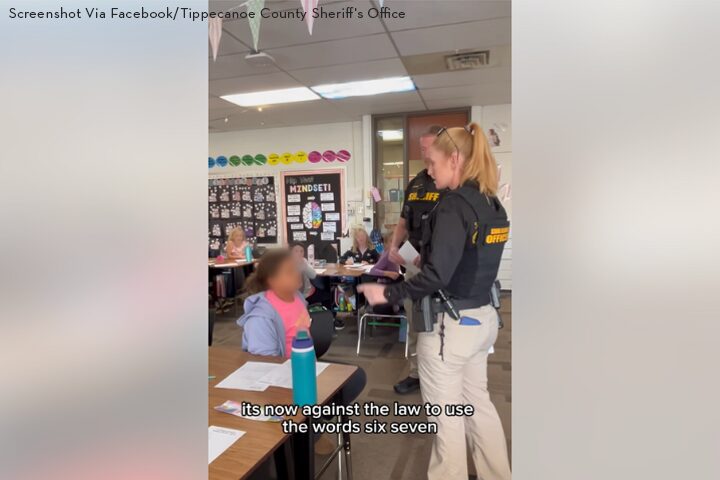
So when police officers in Indiana recently posted a video of themselves giving out fake tickets to elementary school students for saying “6-7” I got the joke and I understand the reasoning. But having police issue “tickets” for saying “6-7” is sending the wrong message to our students about freedom of speech, what the First Amendment is, and how and when to use their freedom of expression. Hearing the police in Indiana tell a young girl in school, “It is now against the law to use the words ‘six’ and ‘seven’ unless using them in a math problem or someone’s age,” is just wrong.
Is it free speech in the classroom to interrupt one’s teacher? No, it’s not. Learning the rules of the road for speech is about understanding the First Amendment (it’s a restriction on the government), and about learning when and how to use our freedom of expression effectively.
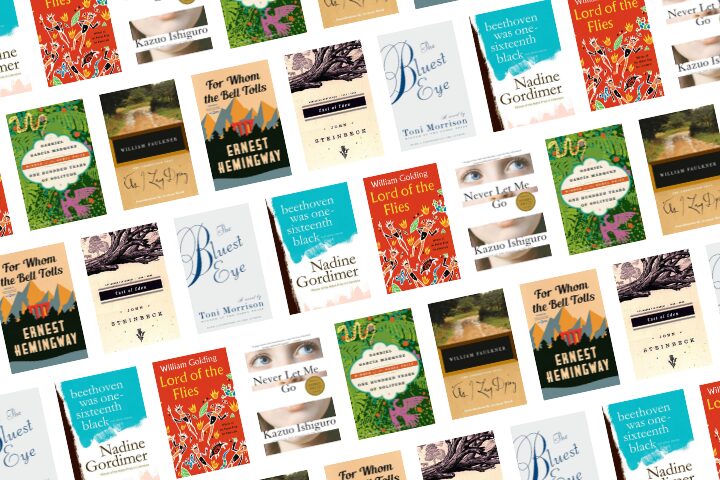
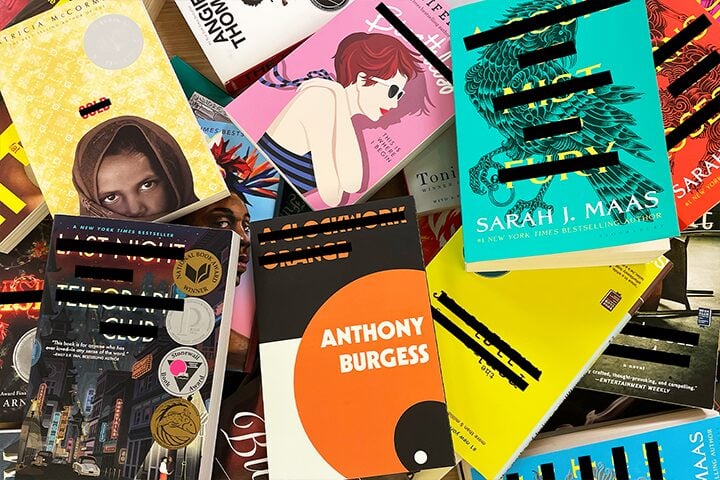
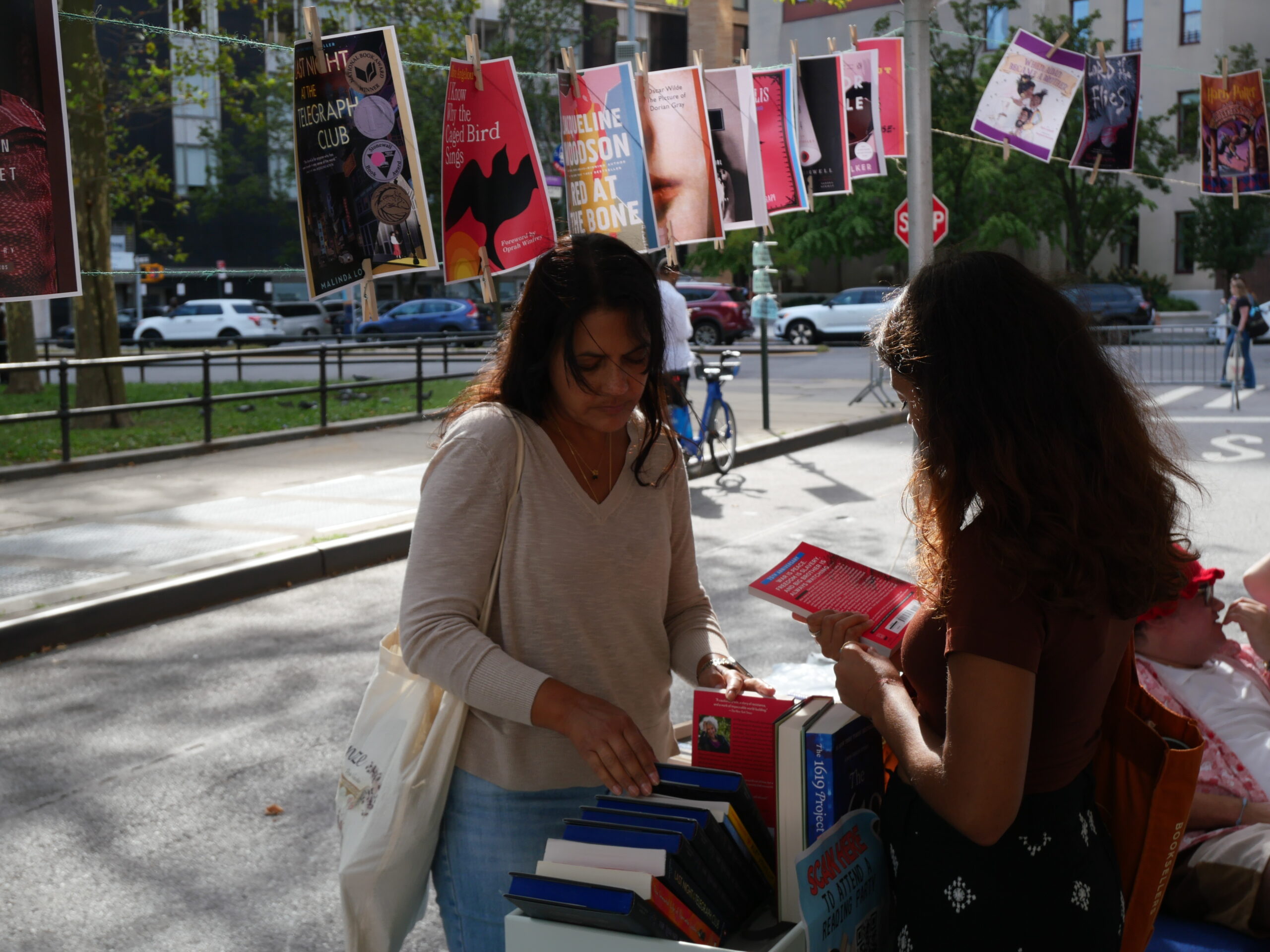
We want our students and young people to be excited by their right to express themselves through their speech, music, dance, painting, and writing. But we also want them to understand the law and the boundaries of the First Amendment. We are living in a time when the government is attempting to limit our speech by deciding what can and can not be taught in the classroom, by detaining students for their expression, and by banning books. When we allow the government to dictate what we can learn, what we can write and what we can read, we are giving up on this essential right to our expression.
Some people may hate “6-7,” others are confused, and others (like me) find that it channels our own inner child – that time when I was convinced that adults were lame and my generation’s collective insider language confirmed that.
Young people are the future stewards of our democracy. Let’s get them excited about learning the First Amendment and how and when it applies, so that they want to advocate for this freedom now and protect it when they are adults. In the meantime, godspeed to all the teachers out there.