
Protests on Campus
Student protests are a long-standing feature of campus life, and even contentious demonstrations should be zealously protected.
Guiding Principle
College is a time for students to engage with new ideas and participate in robust debates, which can involve testing boundaries and experimenting with forms of speech and activism. Student protests are a long-standing feature of campus life, and even contentious demonstrations should be zealously protected. Protests are often signs of engagement that, when approached thoughtfully, can strengthen the institution’s educational mission rather than threaten it.
In March 2024, about 1 in 10 college students (12%) said they had participated in a protest, march, or within the past year.
“College Student Views on Free Expression and Campus Speech 2024,” Knight Foundation and Ipsos, July 2024
Overview
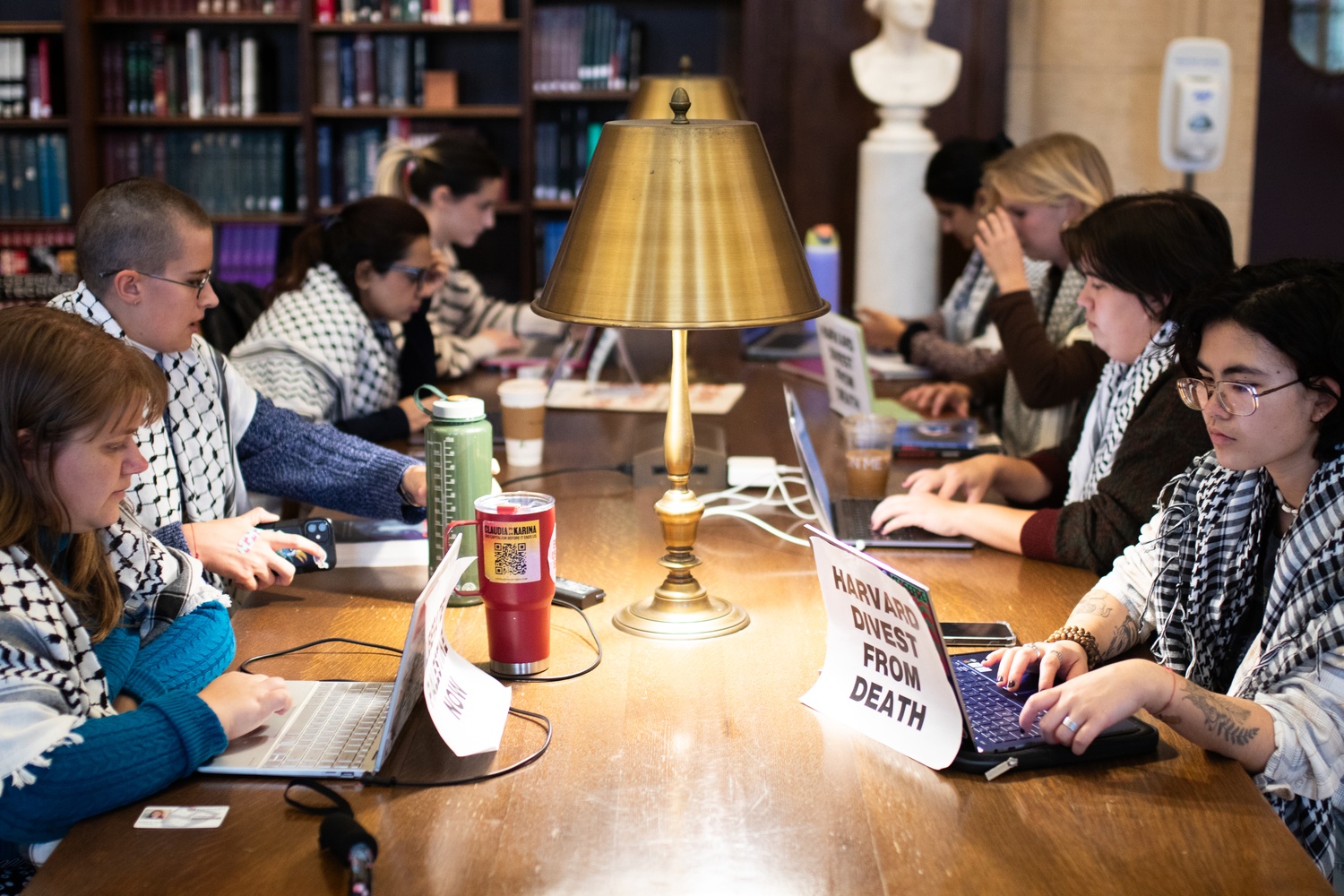
College is a time for students to engage with new ideas and take part in robust dialogue, which sometimes takes the form of activism and protest. These expressive activities are a vital part of civic learning, and may sometimes result in missteps or policy violations. While violence, threats, and harassment are never acceptable, vociferous and even disrespectful arguments and contentious demonstrations should be zealously protected as part of the educational mission. Campuses are a primary location where rising generations learn and practice freedom of expression through the open exchange of ideas, a core component of the academic mission. To foster this openness, even protests that might not adhere to the letter of campus policies should be permitted for a reasonable period so long as they are peaceful and are not materially and substantially disruptive, for example, by blocking access to facilities, preventing a speaker from being heard, or creating a threat of physical danger.
Given that campuses are where rising generations learn and practice freedom of expression and where the open exchange of ideas is core to its mission, even protests that might not adhere to the letter of campus policies should be permitted for a reasonable period so long as they are peaceful and are not materially and substantially disruptive, for example, by blocking access to facilities, preventing a speaker from being heard, or creating a threat of physical danger. Any consequences that result from violating campus policies should be proportional and geared toward the possibility of learning and future improvement.
What does the law say about protest and assembly on private and public campuses and universities?
A majority of students say they have at least some awareness of their college’s speech policies on campus protests, including 34% who are somewhat aware, while 29% are not very aware and 19% are not at all aware.
“2024 Student Encampment Protests,” Foundation for Individual Rights and Expression (FIRE), June 2024
Our Approach
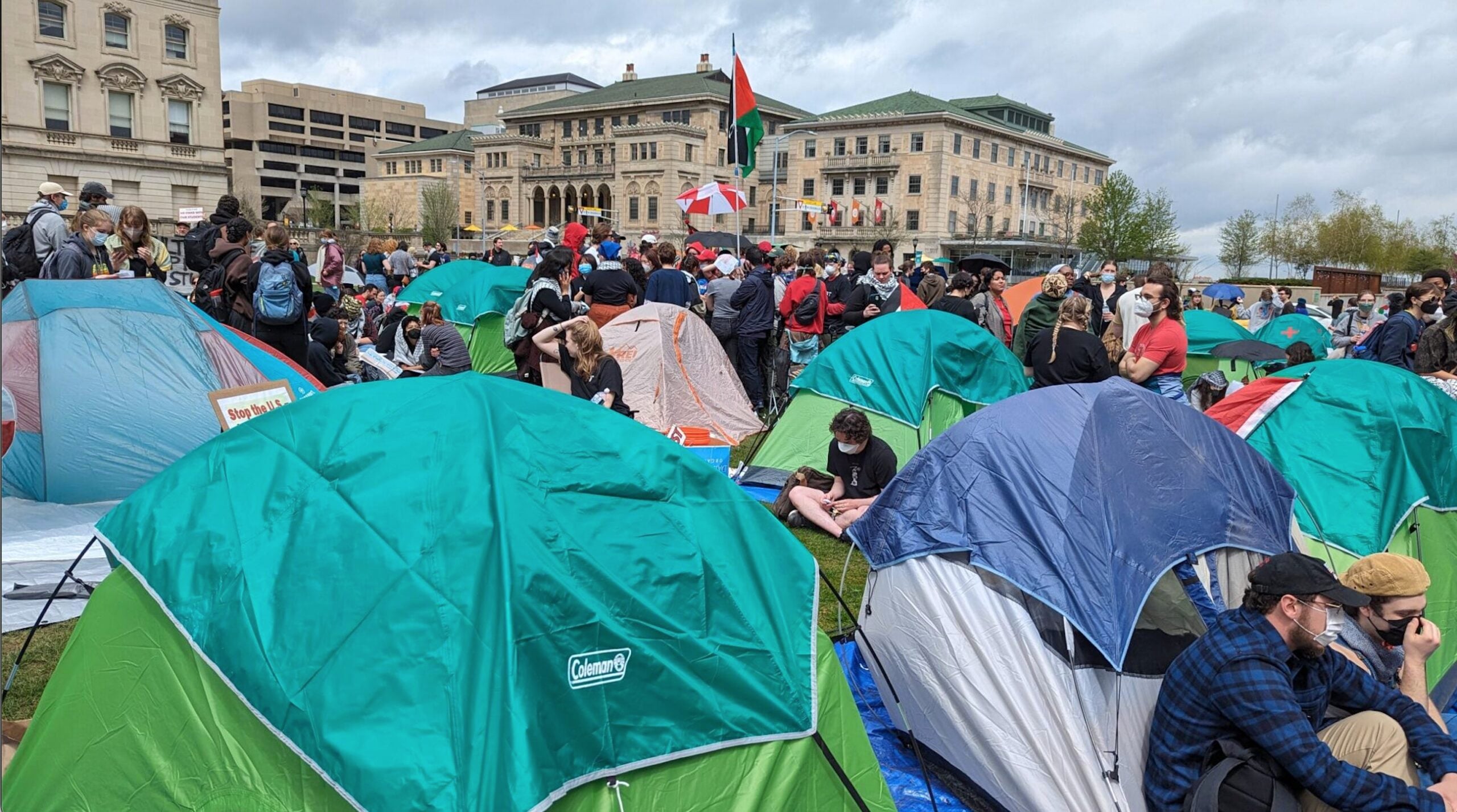
- Administrators should design protest policies with an understanding of their effects, keeping in mind that an overly restrictive environment—where too many offenses are considered impermissible or even punishable—becomes sterile, constraining, and can create an environment unwelcoming to expression.
- So-called “free speech zones,” wherein schools limit activities such as distributing flyers or spontaneous demonstrations to specific, contained areas on campus, conflict with principles of free speech and may violate the First Amendment.
- When an event or guest speaker sparks controversy, those who object must have the opportunity to make themselves heard. Administrators should not limit protests to events or guest speakers out of fear that the protest will generate controversy or negative attention.
- Protesters should never be permitted to shut down, shout down, or obstruct speech, preventing others from hearing the speaker by engaging in what is known as a heckler’s veto.
- Because colleges have a unique mission to educate the next generation and model dialogue across differences of opinion, administrators should provide a wide berth for protest—even when the views expressed are offensive to some.
- Civil disobedience is, by definition, illegal conduct, and individuals participating in it should make sure they thoroughly understand the potential consequences of their actions and be prepared to accept them. At the same time, institutions have a responsibility to respond with restraint, enforcing rules in a viewpoint-neutral, proportionate, and educational manner, and prioritizing de-escalation and fair process.
- Disciplinary action should only be pursued when conduct is materially and substantially disruptive to the functioning of the institution or crosses the line into harassment, threats, or violence. Campuses must be careful to ensure that any punishment must be proportionate. Individuals should not be punished for the acts of others, nor should they be penalized because of their viewpoint or due to outside influence.
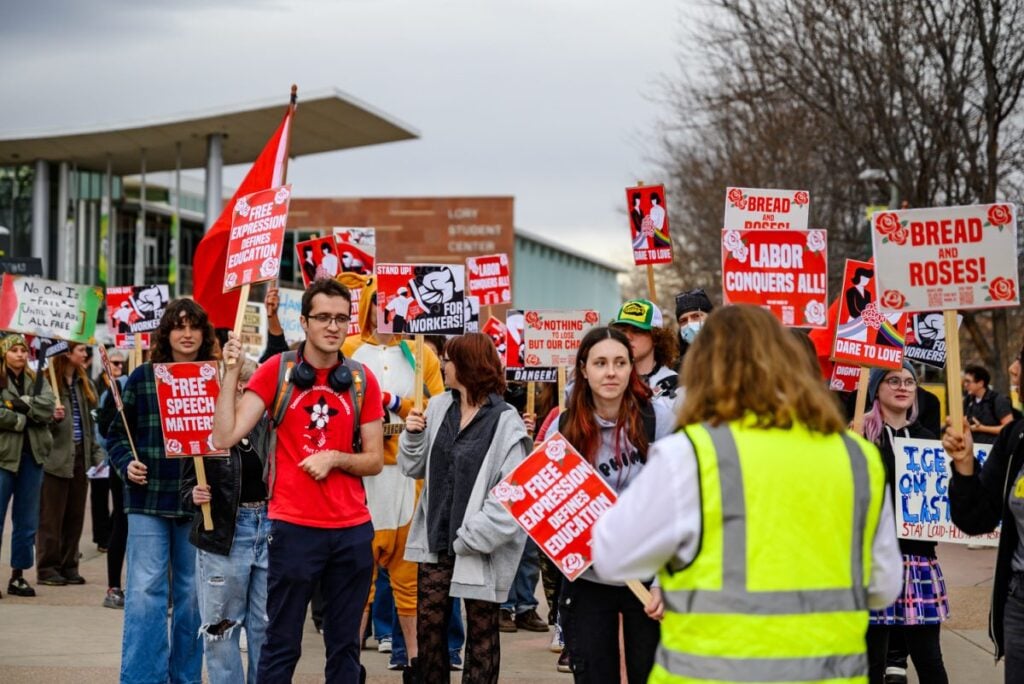
How Do I Plan A Protest on Campus?
Peaceful protest is a powerful tool for political statements and a constitutionally protected form of expression. When well-organized, a public demonstration can broadcast your message to a wide audience.
A majority of students (61%) in March 2024 responded that colleges should be allowed to restrict protests that disrupt classes or school activities.
“College Student Views on Free Expression and Campus Speech 2024,” Knight Foundation and Ipsos, July 2024
Campus Free Speech Guide
Get principled guidance for how campuses can best remain open to all voices.
-
The Law and Campus Free Speech
-
Hateful Speech and Expression on Campus
-
Speakers and Events on Campus
-
Faculty Speech and Expression
-
Campus Climate
-
Protests on Campus
The Campus Free Speech Guide Blog
To read case studies about free speech on campus and learn more about PEN America’s approach to these issues, check out the Campus Free Speech Guide blog.
-
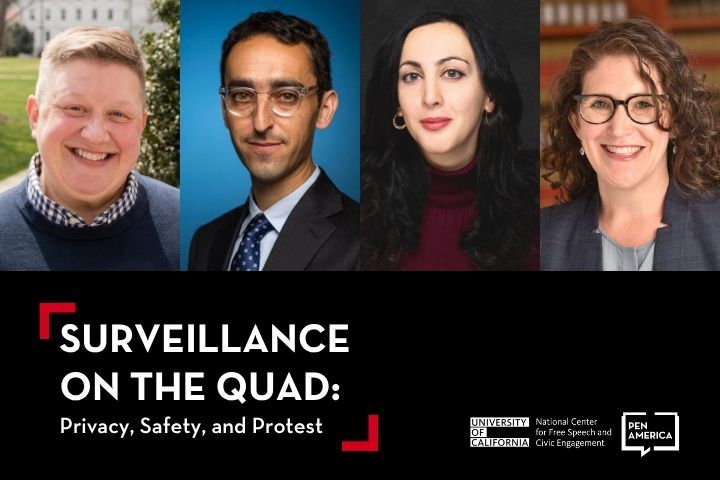
What You Need to Know About the Free Expression Implications of Surveillance Technology on Campus
PEN America is paying attention to the ways in which an increased sense of being watched is academic freedom.
-
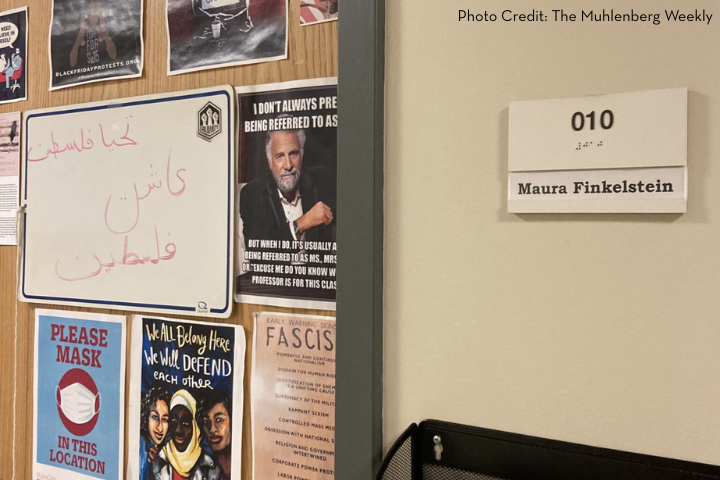
When Social Media Posts Become a Fireable Offense
Unless a faculty member’s speech can be shown to render them unfit to perform their duties, social media posts should not be grounds for dismissal.
-
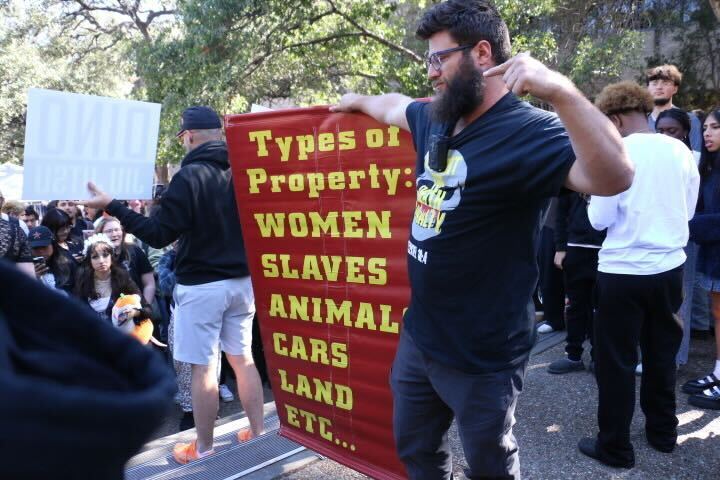
Is Hate Speech Free Speech?
In the United States, hateful language and offensive speech are protected from government interference under the First Amendment.
Acknowledgements
PEN America is grateful to the thousands of students, faculty, and administrators who have engaged with us over many years, and especially to those who offered detailed and substantive feedback on earlier versions of this site.
The Campus Free Speech Guide was made possible by the generous support of our funders.





Disclaimer: Nothing on this website constitutes, nor should be construed, as legal advice on any matter. All content on the website is for informational purposes only. PEN America is not liable for any errors or omissions in the information and is not liable for any injuries or damages related to the display of the information on this website.