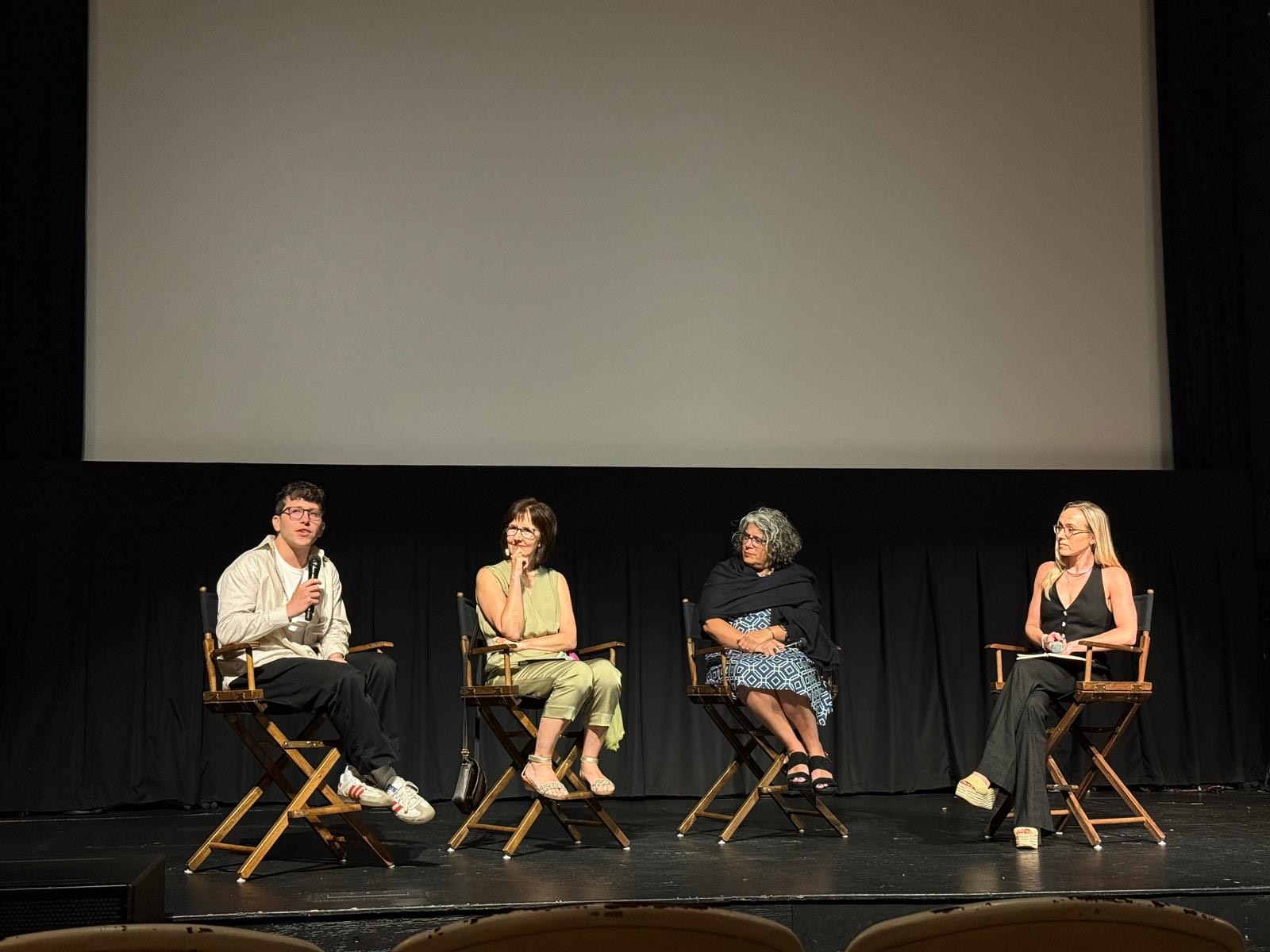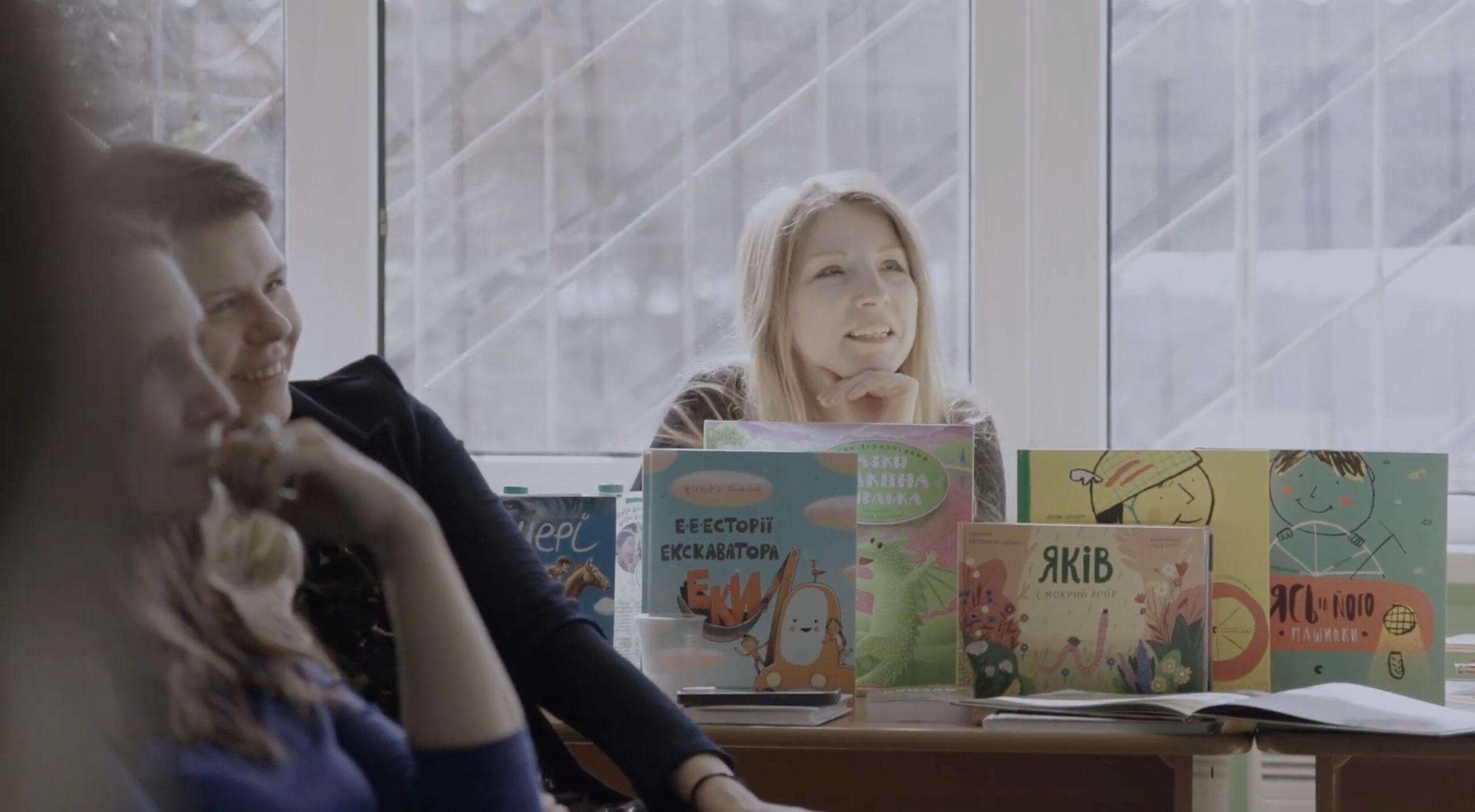
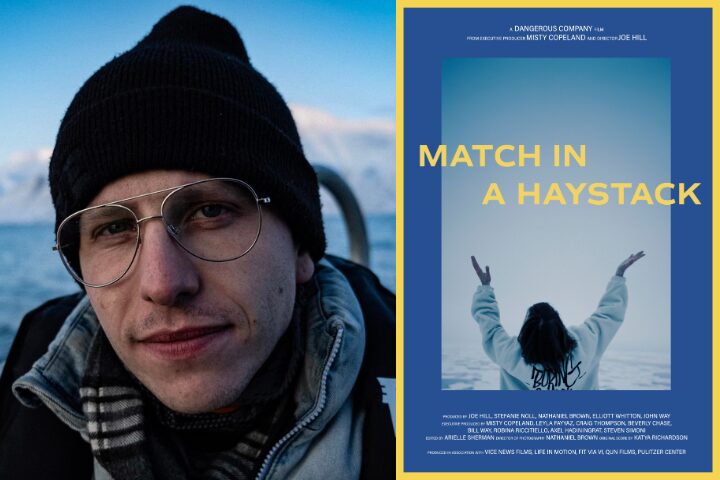
Film director Joe Hill worked as a journalist for seven years covering conflicts around the world, but his documentary Match in a Haystack, which follows an all-women dance troupe in Kyiv, is “profoundly different” from any of Hill’s past work about war. “There’s a very fine line between what happens, and what it feels like to experience what happens,” Hill explained.
While the film, executive produced by Misty Copeland, follows one example of artistic expression during war, the overarching message is that this need to create during destruction is a universal human experience. “It’s a different need than to survive,” Hill said. “In this case it was ‘I need to convey something, I have something inside me… what if I never have the chance to let this out of me?’”
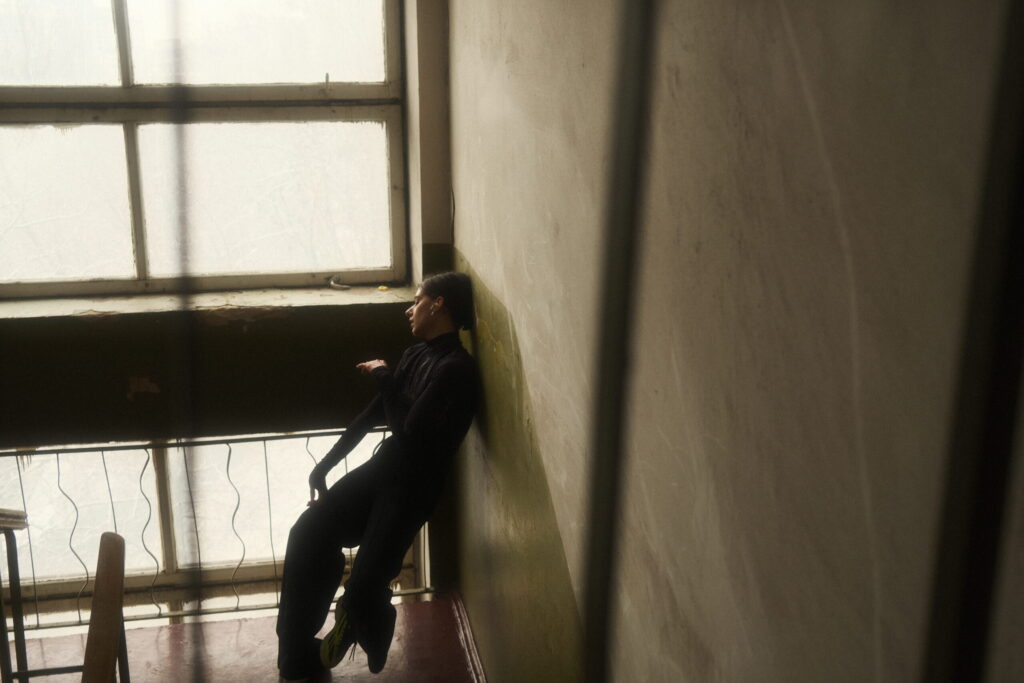
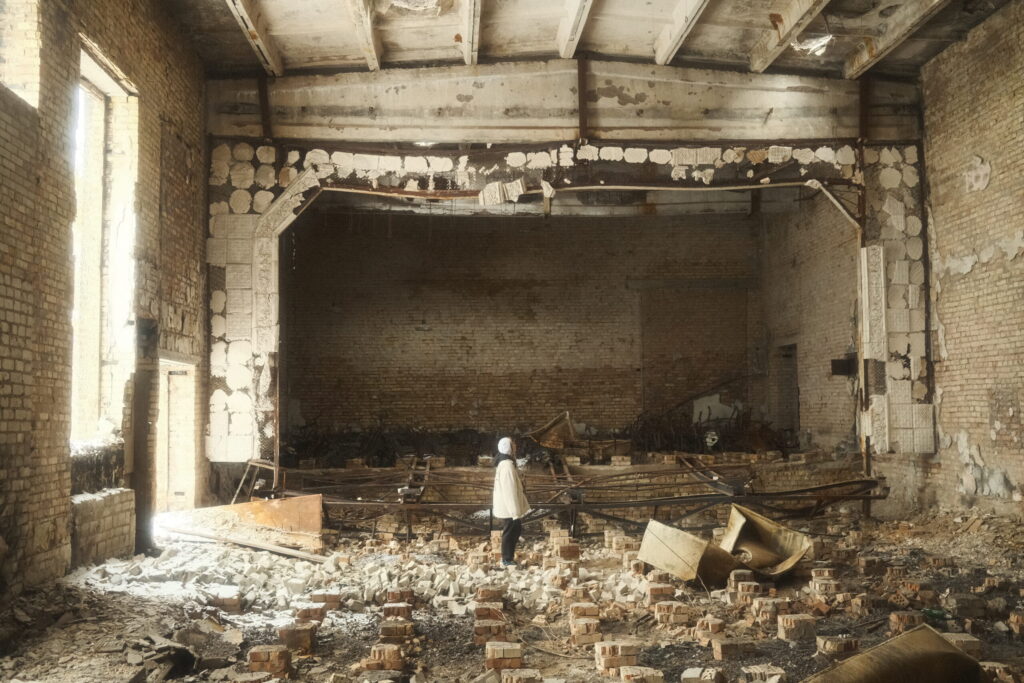
After Russia’s full-scale invasion in February 2022, writers, artists, and cultural figures from Ukraine responded in different ways; some even paused their work. Professional dancer Yuliia Lupita stopped dancing, devoting her time to mutual aid, until one day while walking through Kyiv during a moment of calm, she stepped into a theater that had been destroyed by Russian military attacks.
Russia’s tactic of attacking Ukrainian culture far predates 2022. Ukrainian writers, artists, public intellectuals, and scholars over the past three centuries have faced Imperial Russian and Soviet efforts to deny, assimilate, and eliminate their culture and language. Russia’s attacks have destroyed museums, theaters, libraries, and educational institutions, among other cultural heritage sites in Ukraine since Russia’s full-scale invasion in 2022 and its illegal occupation of Crimea in 2014.
Hill met with cultural figures during the filming of the documentary and described the 2022 invasion as hitting “them right in the ability to speak,” referring to the centuries-long history of Russia’s repression and the growing freedom to create art and culture in Ukraine since the 2014 Maidan Revolution that ousted President Viktor Yanukovych. In PEN America and PEN Ukraine’s research, writers and artists described culture’s role as a bulwark against Russian aggression.
Surrounded by rubble, Lupita’s reflections on the destroyed theater in Kyiv drive the film’s focus on cultural creation and destruction. In one interview from the documentary, Lupita said she had no expectations that art would end the war or save the world. But her motivation to create something resonated with Hill—if Ukrainians weren’t making contemporary art, then Russia had already succeeded in preventing contemporary Ukrainian culture from existing. “There’s this great sense of defiance in just continuing to have a culture and defining it as such,” Hill added.
Culture and free expression are fundamental human rights and essential to peoples’ humanity and existence, something that doesn’t change during a war.
The artists in Match in a Haystack spoke strongly about their belief in the importance of culture, but, at times, felt conflicted about making art while Russia continues its war against Ukraine. Lupita partnered with choreographer Gala Pekha and brought together a group of acclaimed women dancers, both eager and hesitant to dance again. One member of the group Nadiya Kupets outright asks her sister serving on the front line, “Are you okay with me dancing?”
Still, the artists’ community demonstrated the impact of their creativity. Hill saw the outpouring of support for Lupita—from loved ones and fellow artists who made the show possible—as “the gravitational pull of getting to be a part of the thing that she was making.” Four hundred people came to the opening performance in Kyiv, some even from beyond the city, when air raids could have stopped it at any minute.
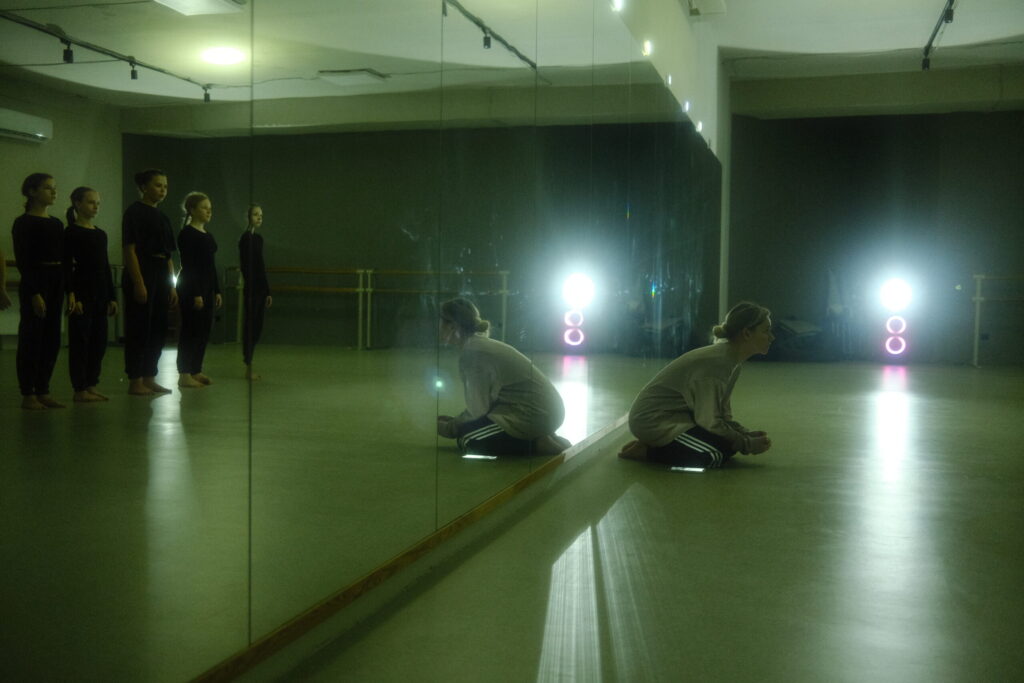
This “overwhelming sense of Ukraine’s need to preserve that culture” stuck with Hill more than Russia’s attempts to destroy it. He embraced this celebration of culture in his own storytelling.
In some of the documentary’s interviews, the artists expressed themselves only through movement and dance, while the film’s score, composed entirely of Ukrainian musical artists by Katya Richardson, played in the background. Working with cinematographer Nathaniel Brown, Hill described the style as “verité storytelling but through the form of dance.” Thinking of the juxtaposition between such creativity and war’s destruction, Hill said, “Watching it on a big screen was sort of indescribable… there’s these scenes where someone just transcends.”
“I really believe that stories are fundamental tools to navigate a world that doesn’t make any sense,” he added. “I can’t save anyone’s life by what I make, but I can decide to cling to my humanity.”
Match in a Haystack premiered on July 24 in New York and PEN America and the Pulitzer Center hosted a premiere in Washington. It is showing in Los Angeles and San Francisco. Find showtimes at Dangerous Company.