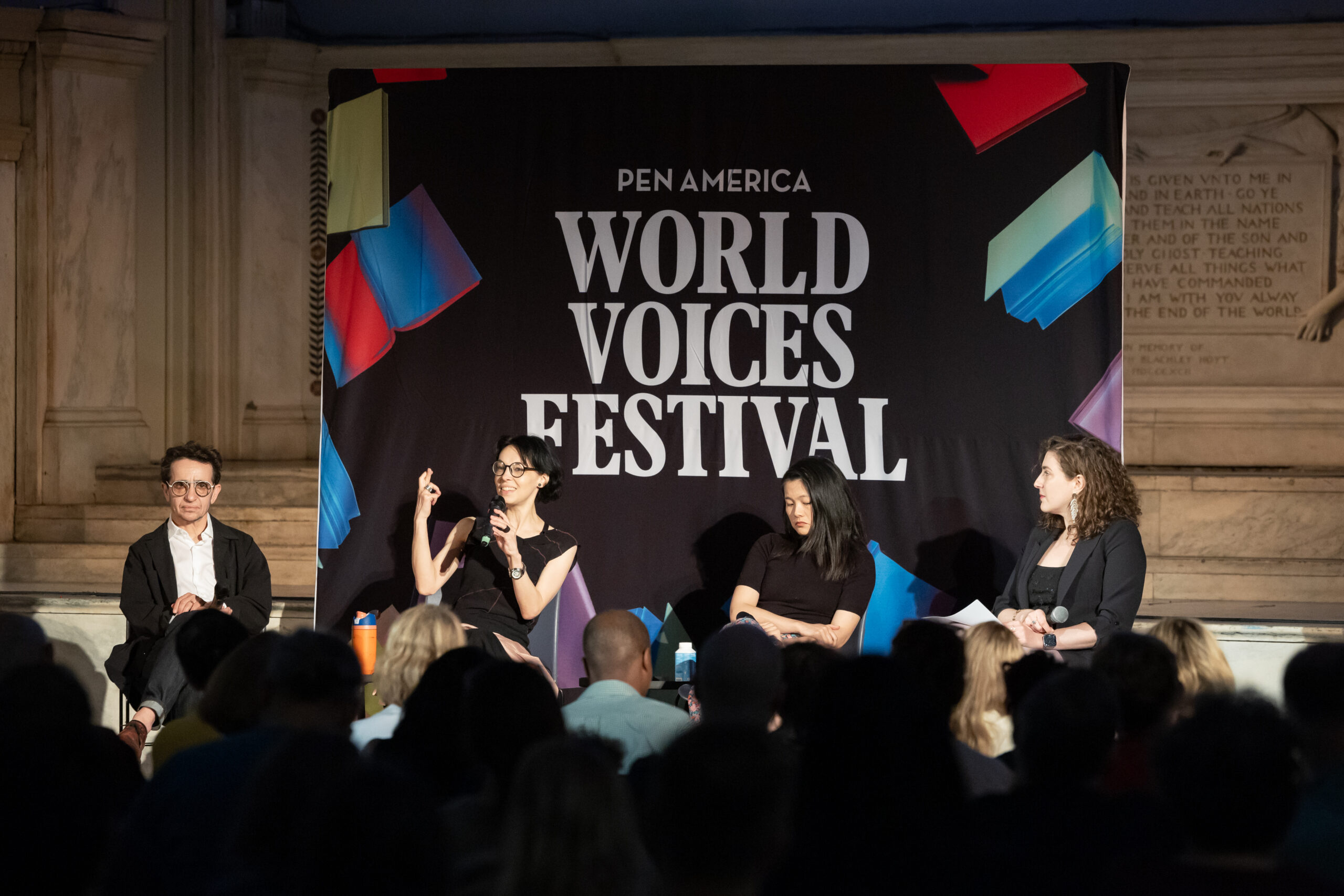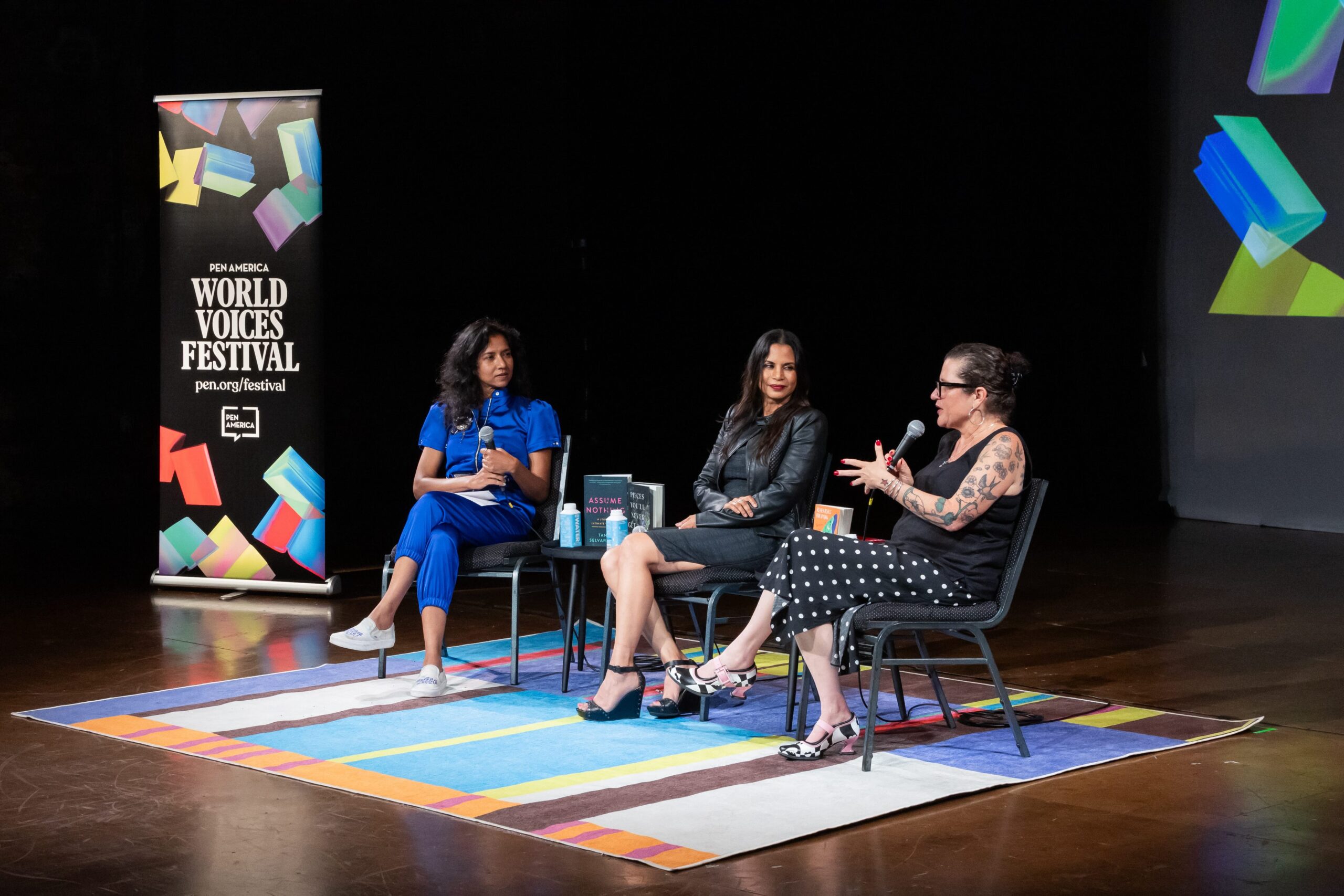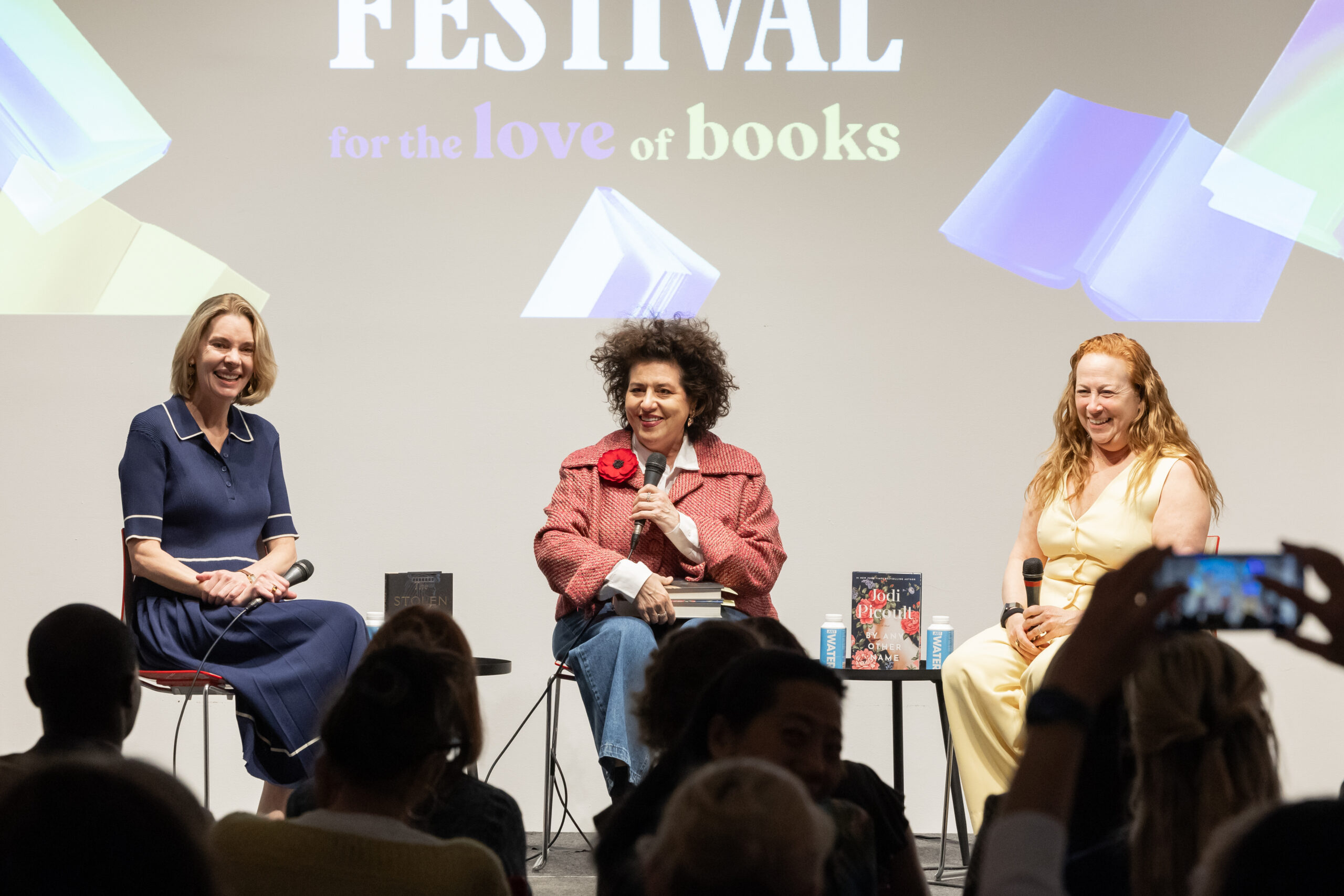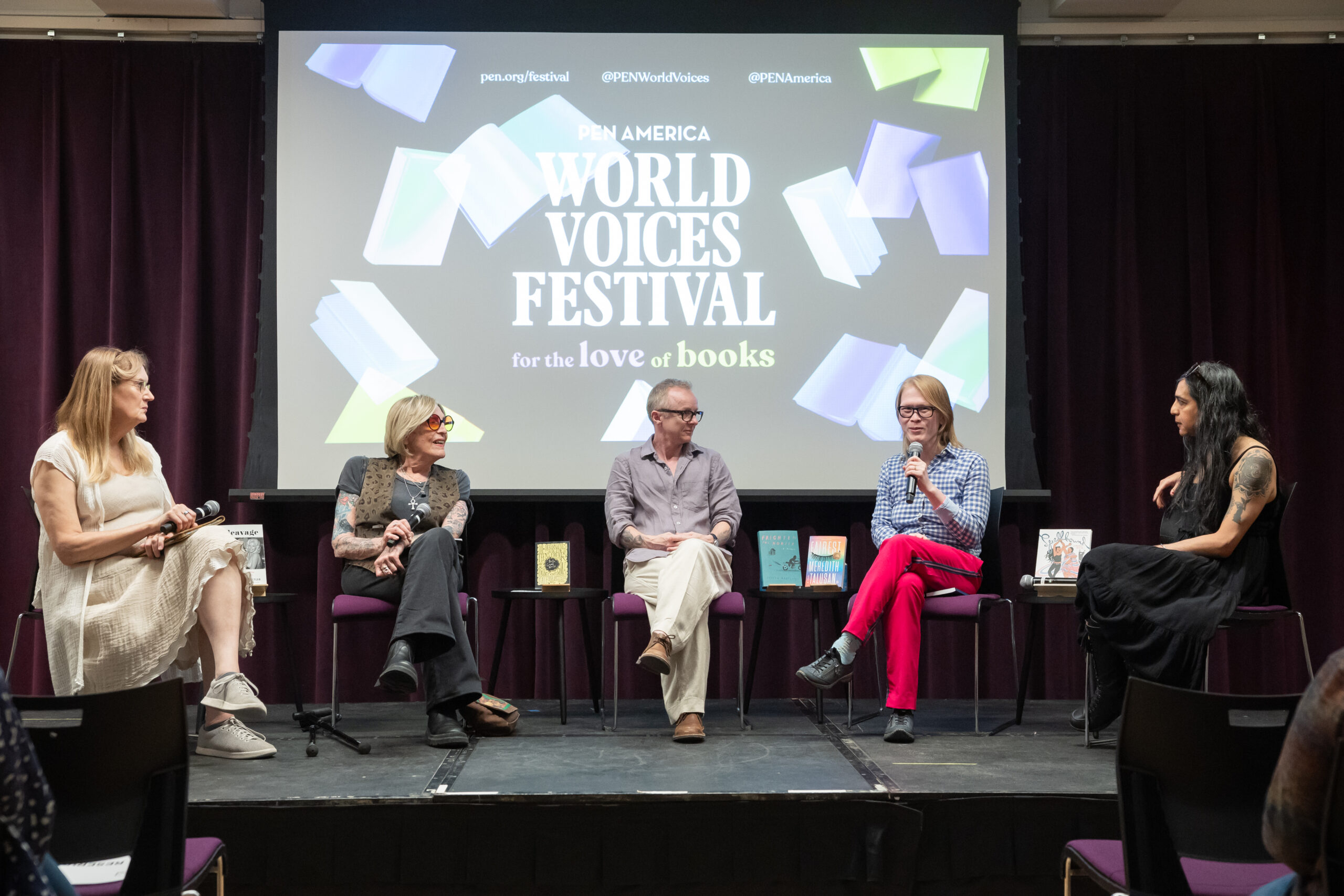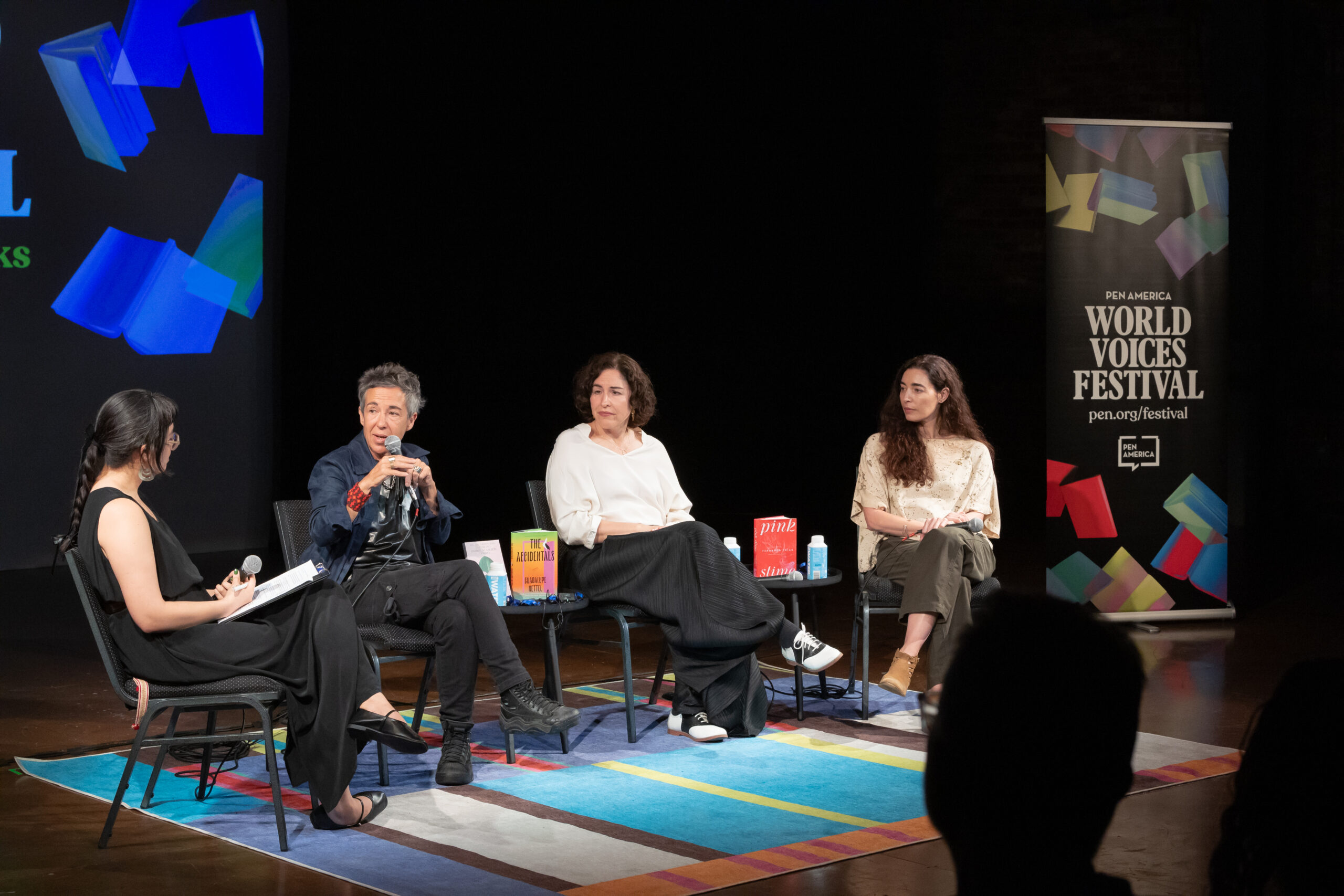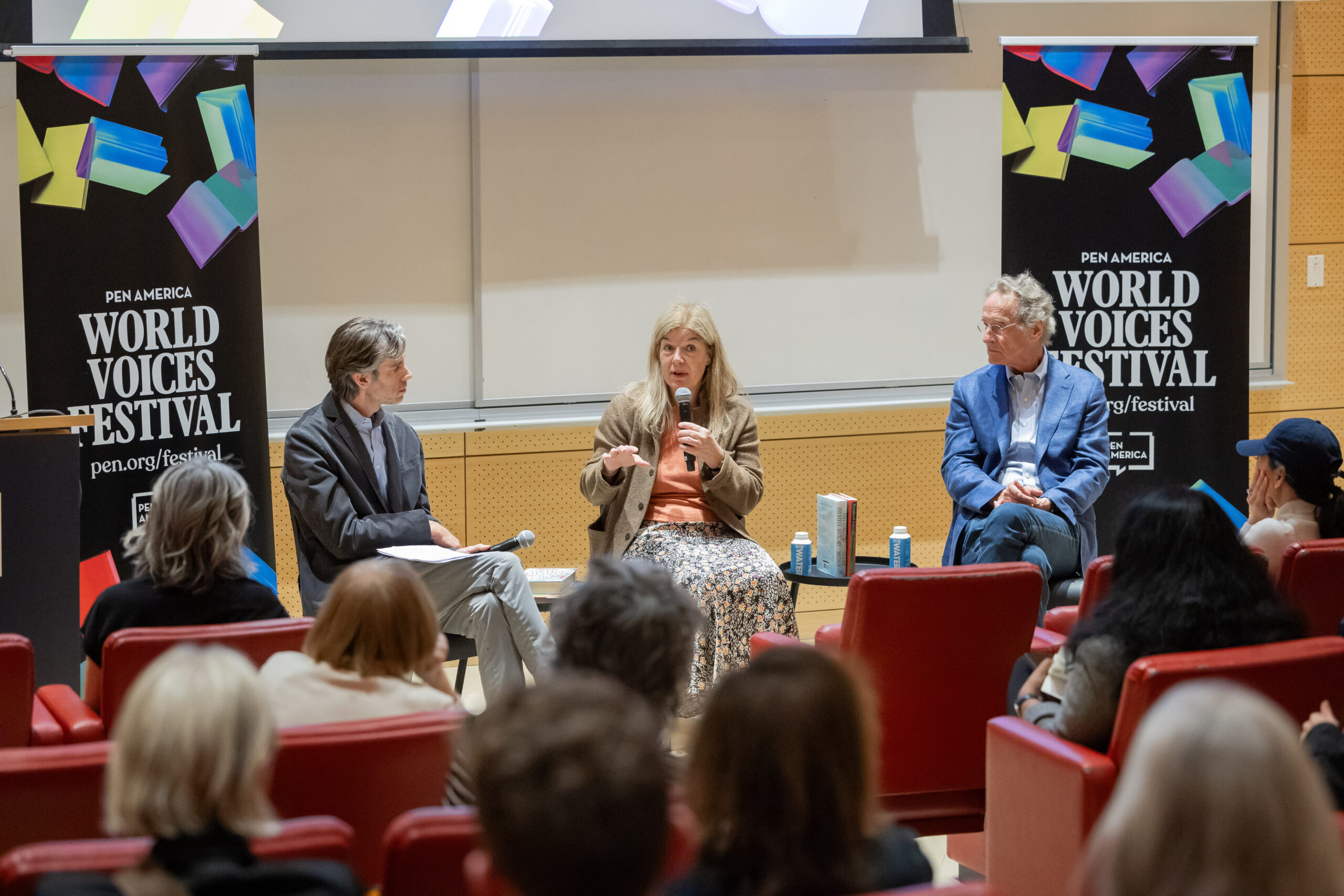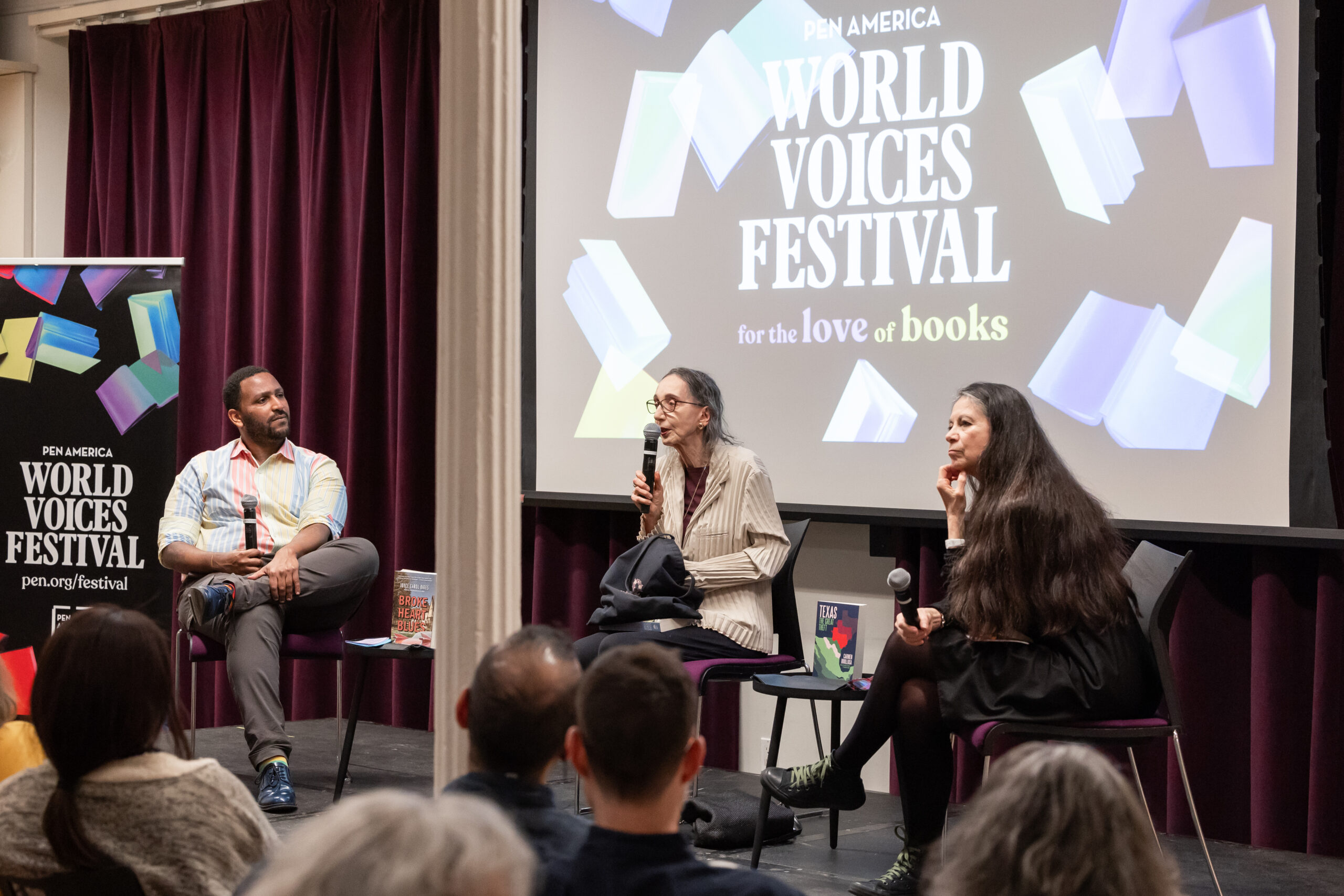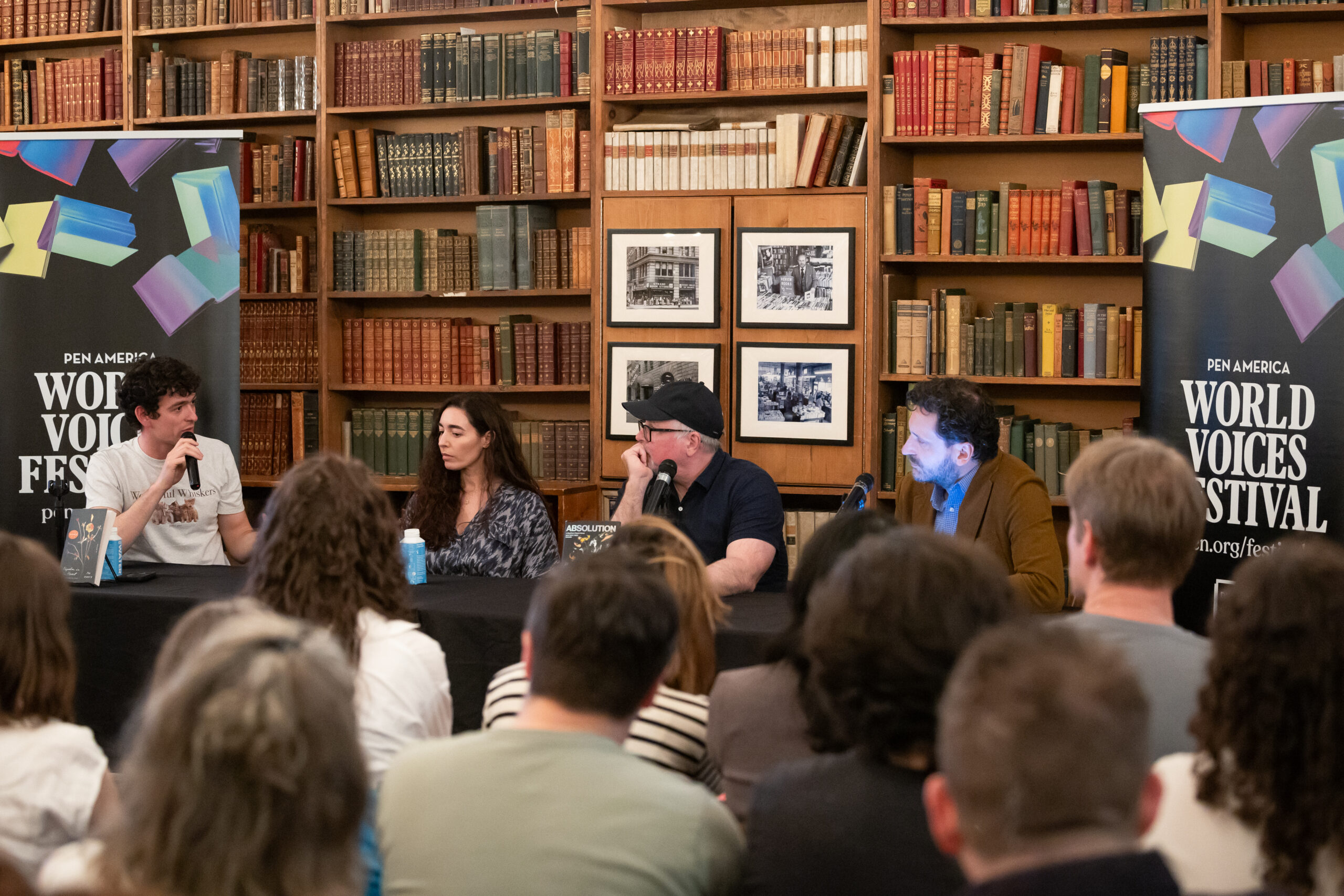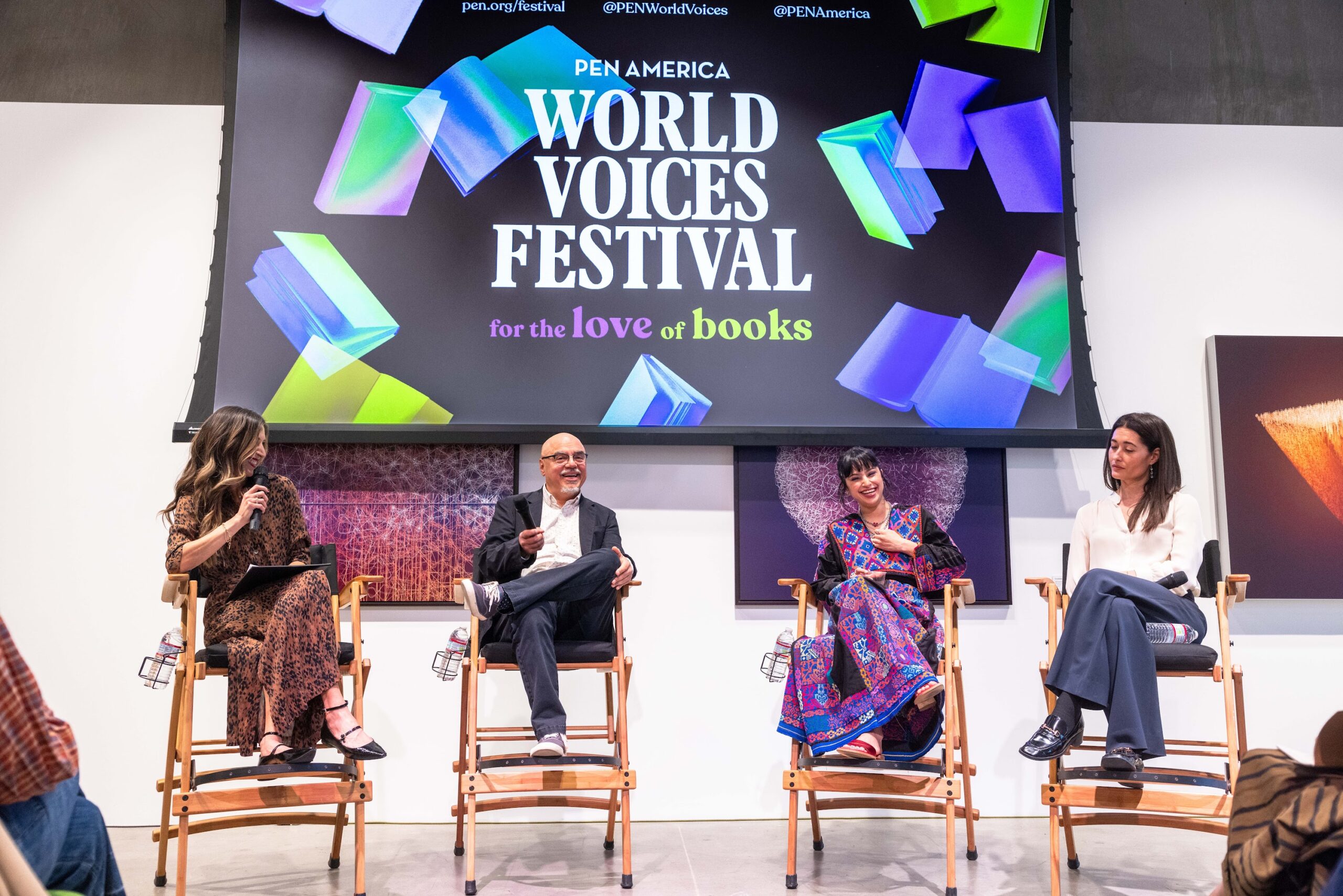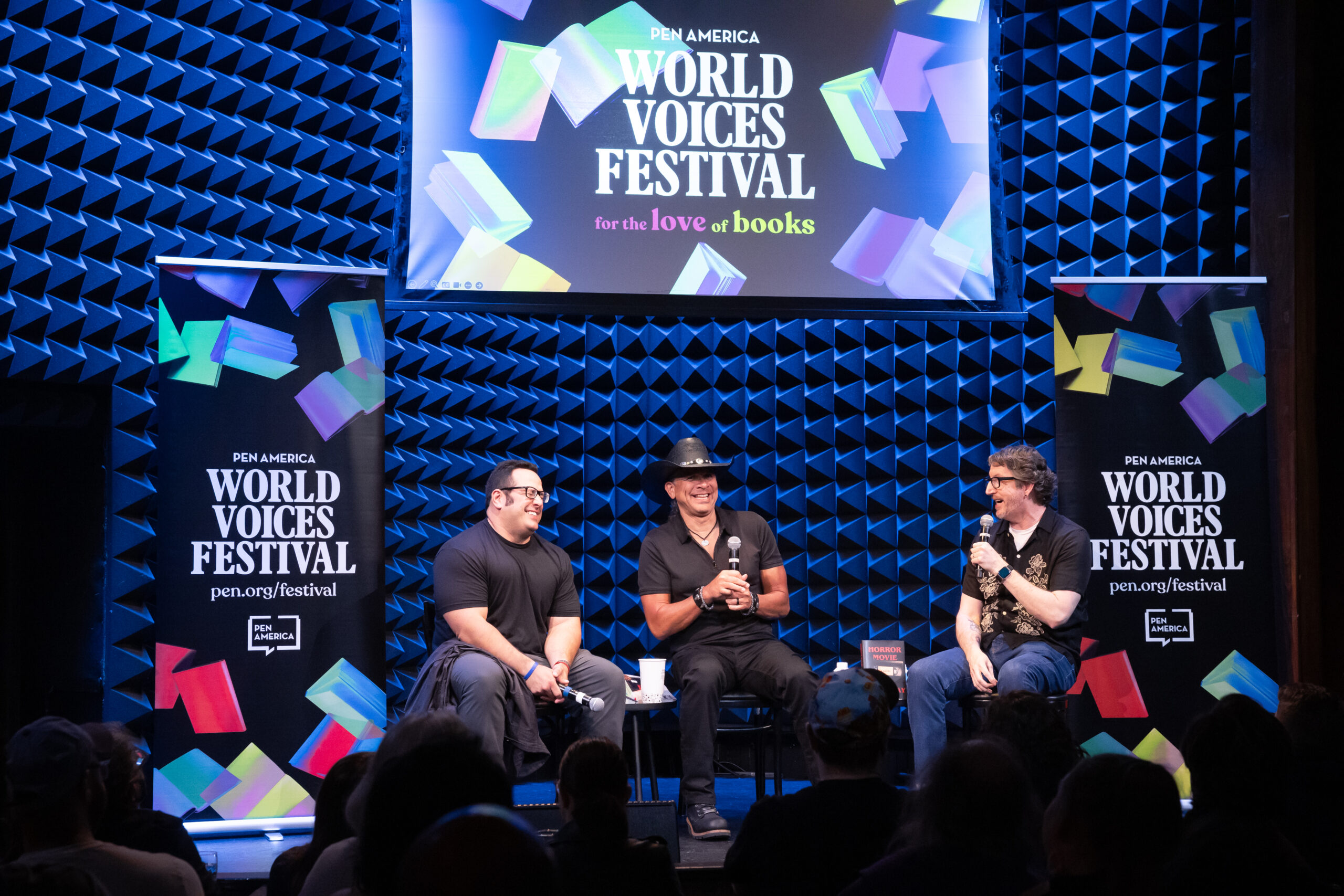
The World Voices Festival starts today, and we can’t wait for pockets of NYC and LA to begin buzzing with writers and readers. From conversations and readings featuring more than 140 authors to a book fair, public art installation, and interactive mural-painting event, there are countless reasons to stop by the festival. If you haven’t grabbed your tickets yet, there’s still time.
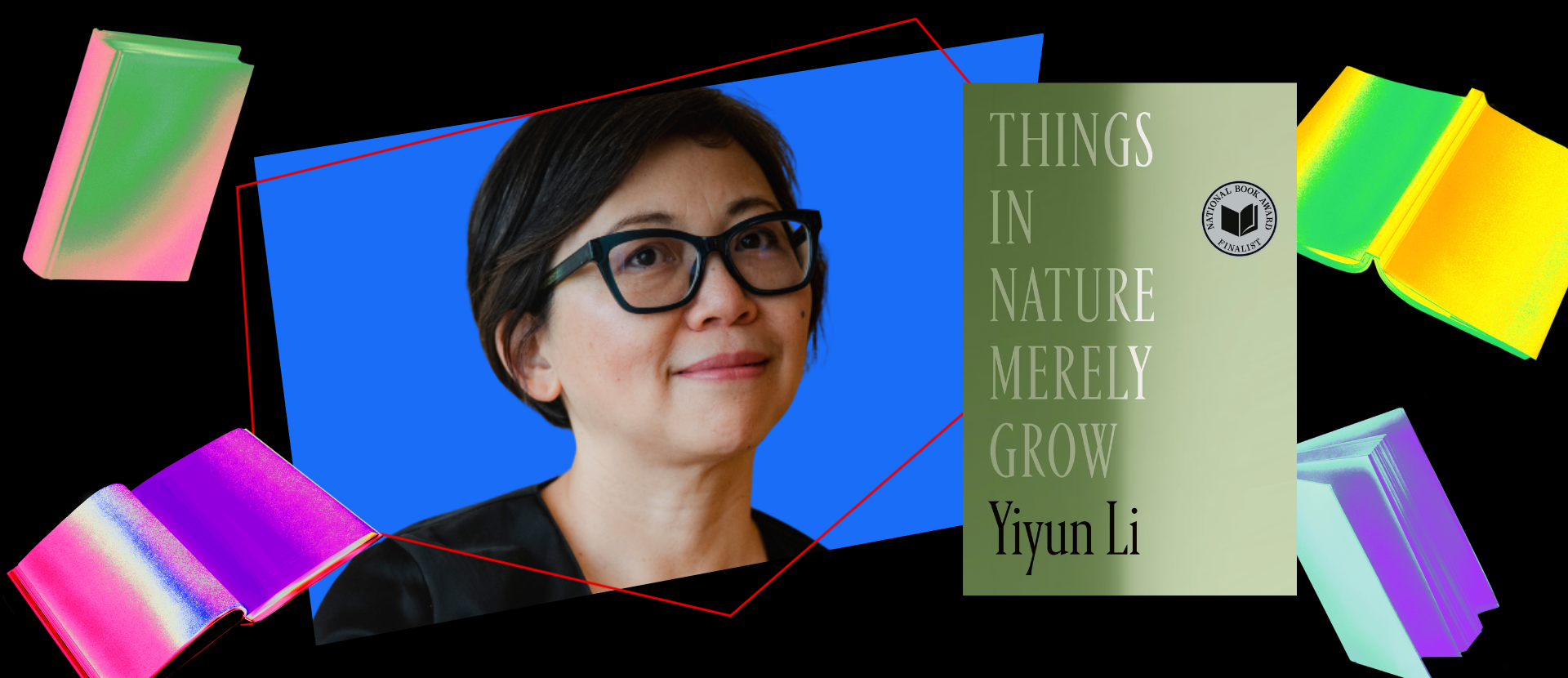
To celebrate the festival’s kickoff, we sat down with Yiyun Li, one of TIME’s 100 most influential people of 2026, to discuss her first time participating in the festival 20 years ago, the importance of celebrating global literature in today’s political environment, and her one-sentence pitch on why you should attend.
At the World Voices Festival, you’ll be speaking on a panel — now sold out! — with Édouard Louis about moving beyond unimaginable circumstances. What about that conversation are you most looking forward to?
I have admired Édouard’s work for years and years, and I think we approach the same subject from different angles. I look forward to just talking to a smart guy about things, serious things, literature, and he’s one of the most serious readers and writers I’ve met. So I look forward to that. And Mitzi Angel, who’s moderating, happens to be my editor for a long time, and she also is the editor of Édouard Louis. So I think it’s going to be a superb conversation, because now we get insider information from an editor’s point of view.
How and when did you first hear about PEN America’s World Voices Festival? What initially drew you to participate in it?
I attended some 20 years ago. … The year I went, I remember, I was a young writer, and all these world-famous writers came from around the globe. I remember running into Jeanette Winterson in the hotel room. It was very exciting. There was a town hall reading on the opening night. It was quite exciting. And I just remember she was one of the readers, and she went on without a script, and she entirely dominated that big stage just standing there. So it’s always an exciting spring moment for writers and for New York City.
I think this is the fourth, or maybe even fifth, time I’m going. It’s always an honor. It’s always exciting to run into other writers.
What’s the importance of the World Voices Festival in today’s political environment?
It’s interesting. It’s the 21st year now, right? So I don’t think the political environment was that good in 2004, 2005, 2006, but now we are — [Laughs.] Now we’re at a place that would not have been imagined 21 years ago. So I think it’s possibly more important to gather these writers from around the world to make a collective statement or stance: Literature is not going away.
How would you describe or pitch the festival to someone who’s never heard of it?
I would say, ‘Go to five random panels, and you will see more than you would have imagined about literature.’ That’s my pitch.
And how would you summarize the festival in three words?
Expansive. And comprehensive, I would say, because you see poets, nonfiction writers, fiction writers, and translators from all over the world, so comprehensive would be a good one. And global.
Is there anything else — other panels or events — that you’re looking forward to this year at the World Voices Festival?
I may just walk around and see if I can run into a few writers. I want to see Tash Aw and Madeleine Thien. We started as young writers together. It’s always exciting to see them again.