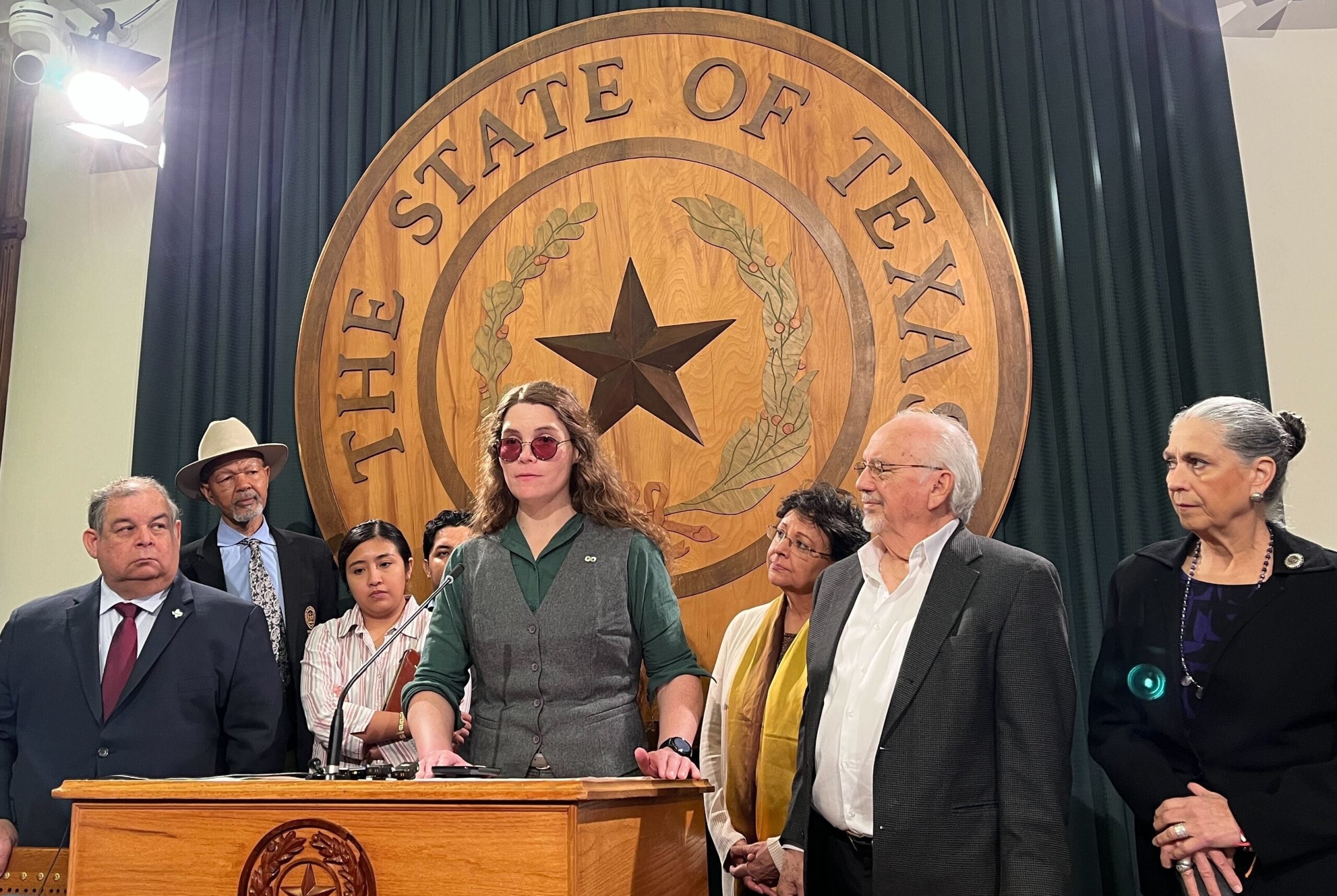
Conversations on the Quad: Autumn Lauener
The news coming out of Texas for free expression is often bleak. Professors fired for their class content, readings censored, classes cancelled, faculty senates abolished or stripped of authority, and an unprecedented crackdown on students’ expressive activity. Throughout all of this, the student body of Texas continues to advocate for themselves and for their neighbors, juggling multiple responsibilities even as they pursue their education.
I sat down with recent graduate Autumn Lauener, an advocate for equity, academic freedom, and free expression in Texas since 2021 who continues to fight against attacks on equity and academic freedom in higher education, even as we continue to hear the narrative that students aren’t protesting.
“As far as people saying, ‘oh, why aren’t students organizing,’ first off we are. We are trying to do what we can, it’s just that the infrastructure is not there. The support is not there.” Autumn pointed out that just a couple years ago, “UT Austin was all over the news…because of students getting arrested, protesting. Whenever students do show up in protest [now], they’re automatically labeled as the rabble rousers.”
We spoke about Autumn’s experience working with the advocacy group Texas Students for DEI and what it has been like to advocate for the rights of marginalized students in the wake of attacks on diversity both within the state and nationwide.
Autumn’s advocacy work with groups including Texas Transgender Non-Discrimination Scholars, Texas Students for DEI, and the Autistic Self Advocacy Network, centers around equity and access in a time when many students feel that their voices are drowned out by a flurry of legislative and executive action. Recently, she has been doing advocacy work with Texas Students for DEI, which began with a goal of stopping Texas’ anti-DEI state bill SB 17 (2023). Even though the bill passed, Autumn explained that the goal remains: fighting for DEI, academic freedom, and “making sure that student voices are heard and empowered.”
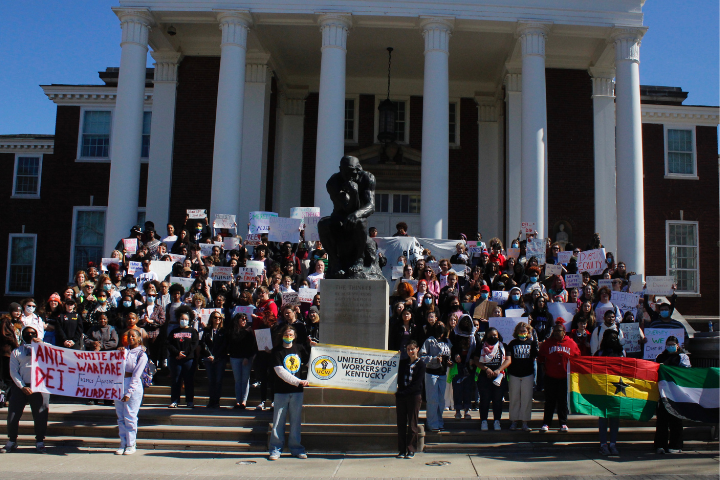
In the last few years, student protestors have experienced crackdowns in unprecedented ways. Arduous investigations, losing access to meal plans and housing, threats of expulsion, arrests – it’s little wonder that student advocates feel like there is less material support for students who want to express dissent with their university or their government.
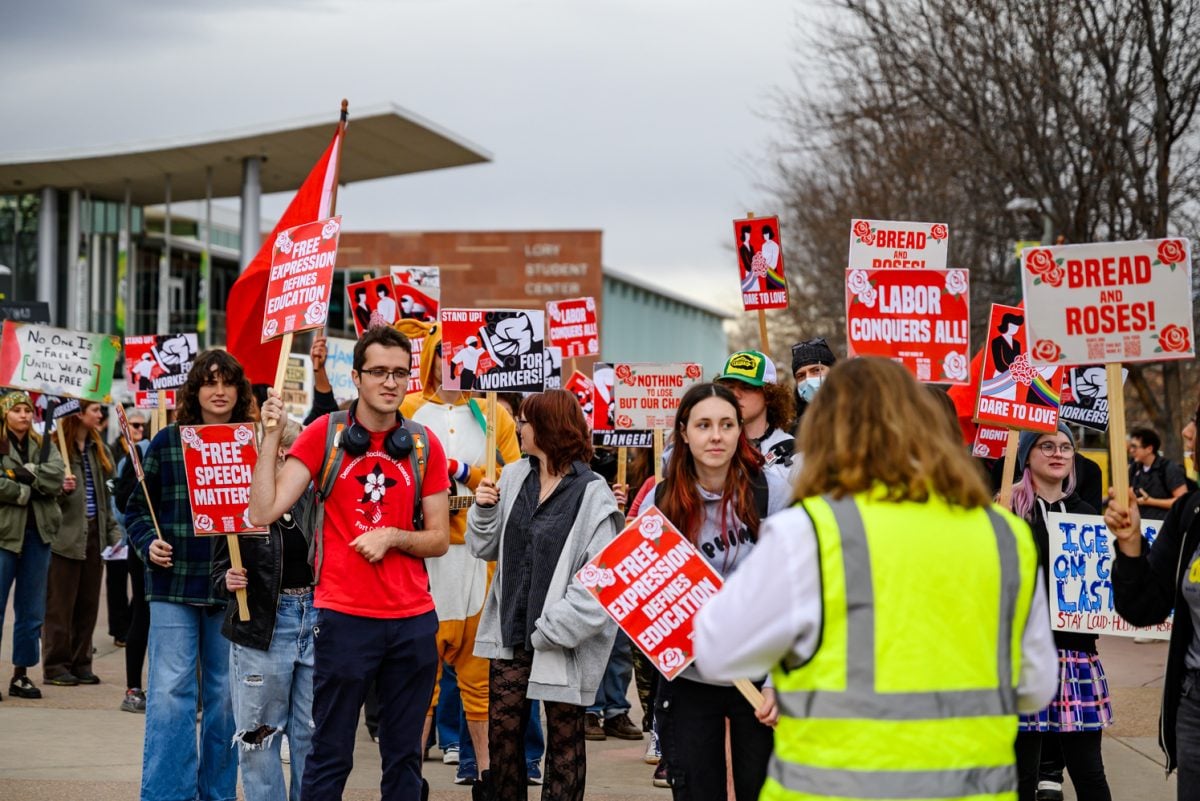
And yet hundreds of students protested to urge the University of Texas at Austin to reject Trump’s Compact for Academic Excellence (which the university has not signed as of writing this article). Multiple student groups sued over SB 2972 (2025), the Texas law limiting campus protests. Students came out in droves to protest the termination of Dr. Tom Alter after he hypothetically discussed the overthrow of the US government at an academic conference. Students are showing up to protest, and that is crucial, especially because many are unsure they are going to continue having access to higher education.
“Texas has been under attack and it hasn’t stopped. People are scared for their families,” Autumn explained. This fear is coming from attacks on previously inclusive spaces, increased ICE presence, and restrictions on expression and classroom speech.
The goal posts for success for student advocates like Autumn have shifted in recent years. “That vision of success now is, in a lot of real ways, survival. It’s raising awareness. It is holding that ember, that spark, alive, and showing that we’re still there.”
An example of this work is the Dream Fund, which Texas Students for DEI and Students Engaged in Advancing Texas launched last year. This fund responded to the repeal of the Texas Dream Act that caused roughly 20,000 undocumented students in Texas to lose access to in-state tuition. “We were showing what that community support and empowerment looks like, and that fight is still going on.”
In the midst of these attacks on students and higher education in Texas, Autumn wants readers to find ways to show up for the people of your community, even when the outlook seems dim. “Start with investigating yourself, start with investigating your own privilege, and ask how you can use that privilege to support others and show up.”