They write from the rubble and ruins that are left of their cities; they write in their prison cells in the dead of night; they write through power cuts; harassment; and the threat of detention or death. They write to preserve the stories that people in power are attempting to rewrite or erase.
Most of all, when women write, they write with courage.
On International Women’s Day, and on every other day, the PEN/Barbey Freedom to Write Center is working to free women writers from the rising threats they face around the world—whether that is detention, violence, or restrictions to their lives and liberty.
Increasing Risk
The risk to women writers is only increasing. Since 2022, the Freedom to Write Index has shown a steady increase of women writers both at risk overall, and behind bars. In 2022, 150 women writers were deemed to be “at risk” and 42 were held in detention for at least 48 hours or longer. In 2023 those numbers increased to 178 and 51. By 2024 there was another jump, with 195 were “at risk” and 59 in prison. Also in 2024, a higher than average proportion of detained writers in Iran, Saudi Arabia, Israel and the Occupied Palestinian Territory, Russia, and Türkiye were also women, showing the role women writers are playing in the fight against authoritarianism and repression.
Telling Women’s Stories
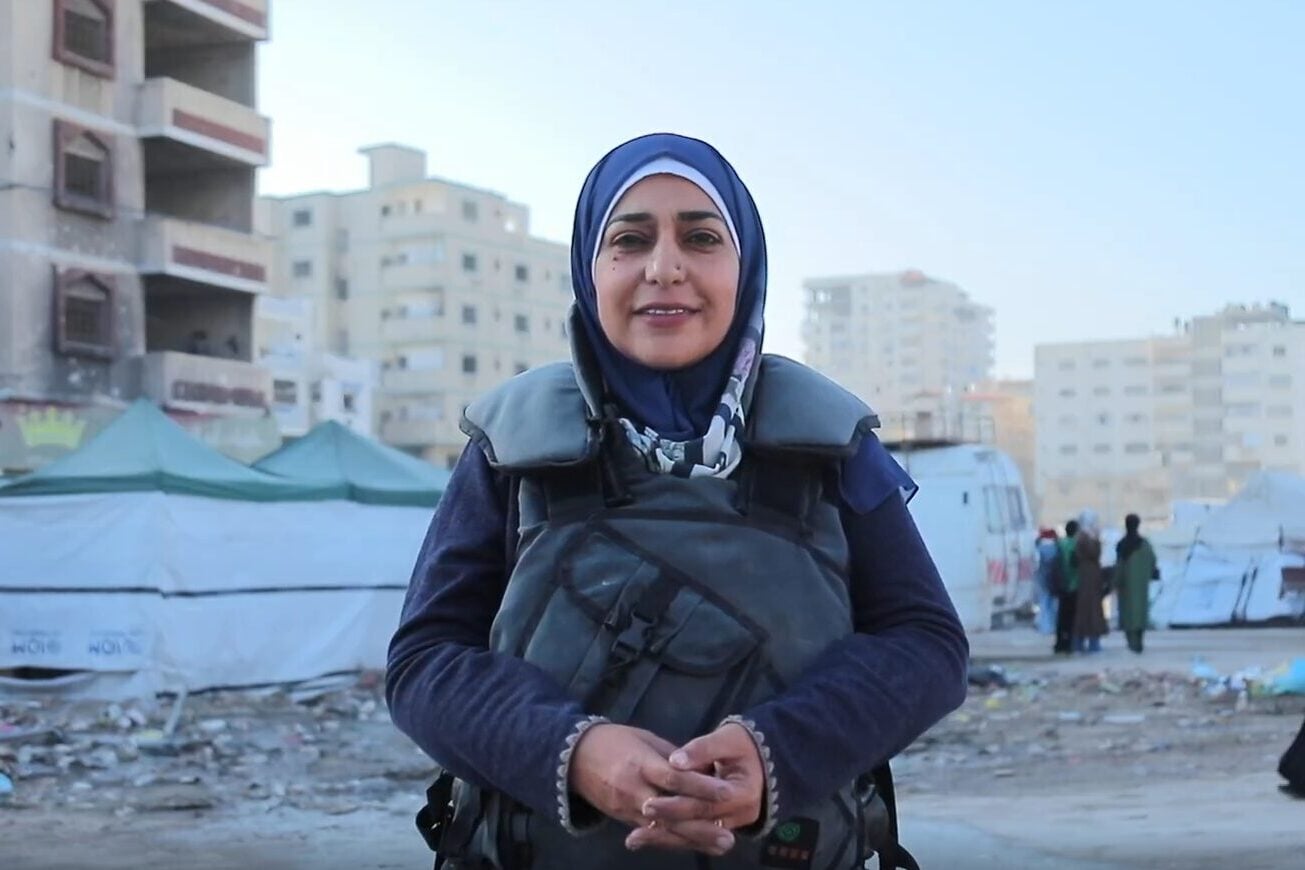
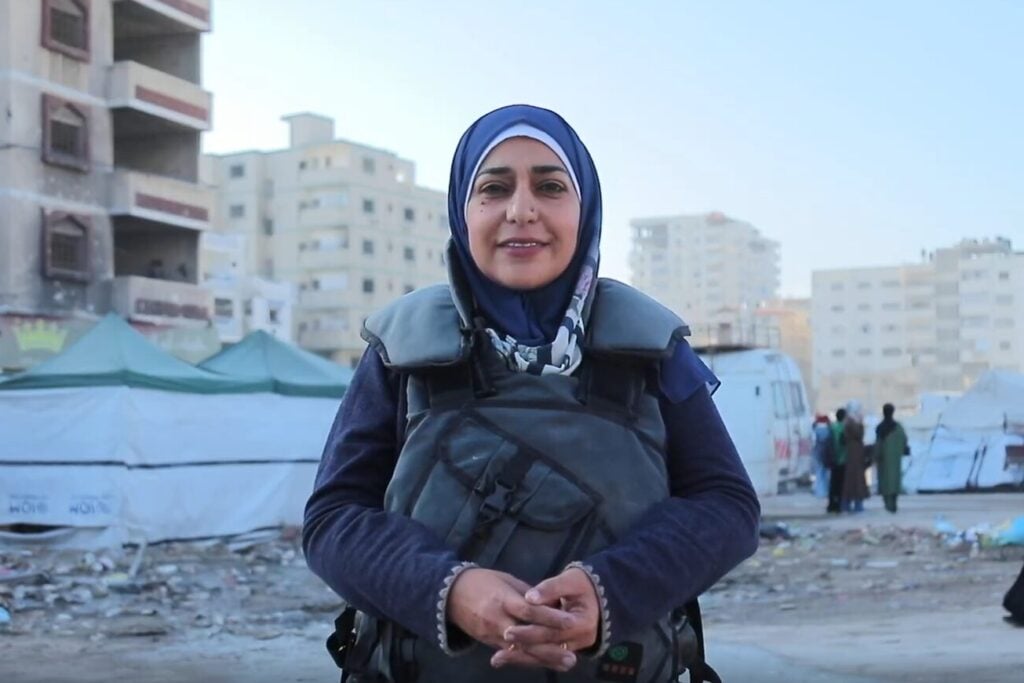
From Gaza, journalist Ibtisam Mahdi wrote about the importance of not only telling women’s stories, but making sure their voices are never ignored or forgotten.
“When women share their stories with me—in their own words, images, and lived experiences—it changes my approach to reporting. Their voices bring much-needed human depth into the global narrative about the war’s impact on ordinary lives. We share these stories with the world so people can fully understand their suffering in the tents, under the bombardment, and amid the realities of genocide.”
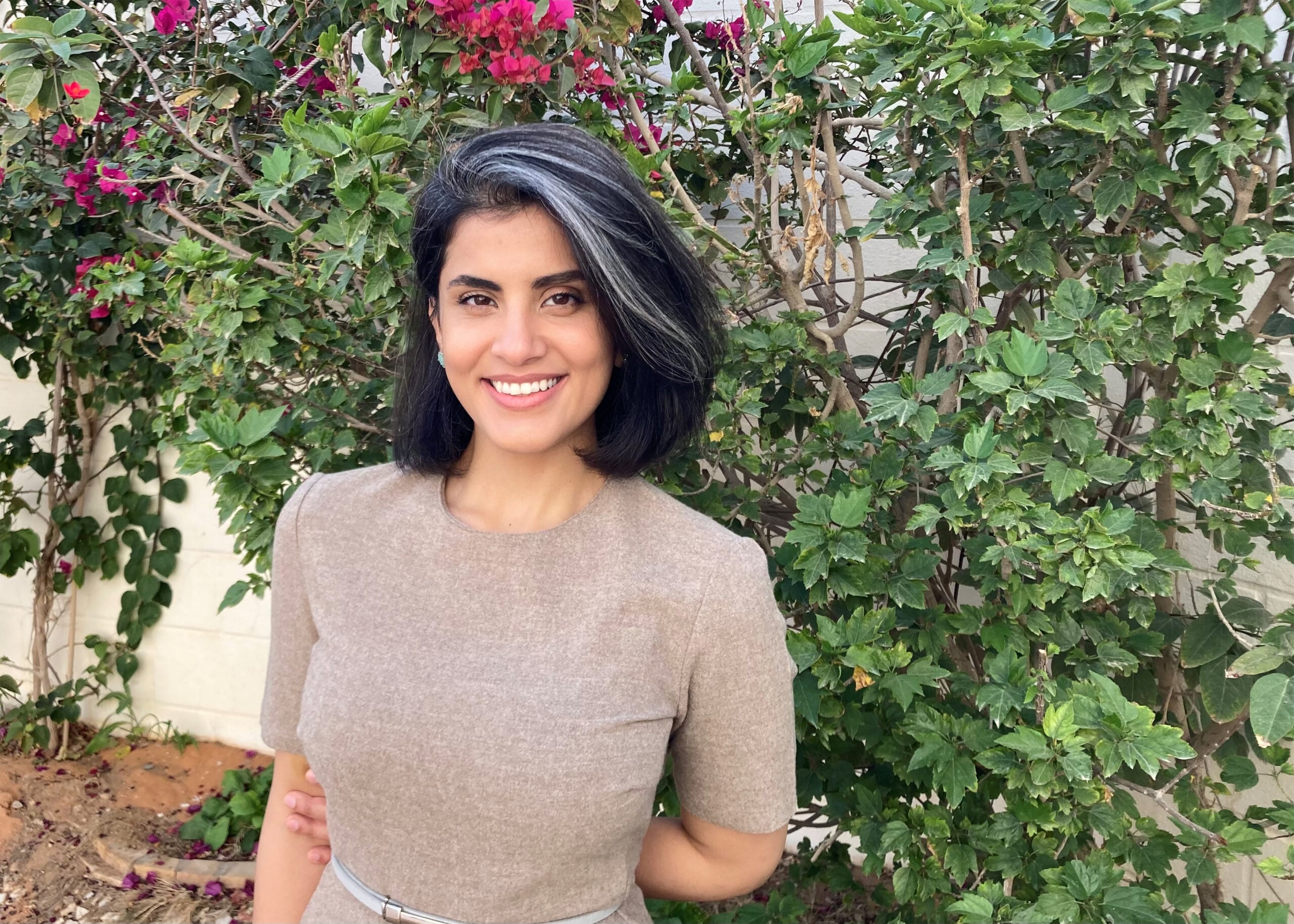
Women writers are often at risk precisely because they stand for women and will not allow their stories to remain untold. In Saudi Arabia, for example, blogger and columnist Loujain Al-Hathloul has been arrested multiple times for challenging restrictive guardianship laws that rule women’s lives—including not being allowed to drive, travel freely, or receive healthcare or education without a man’s approval. She was arrested in May 2018 and kept in detention until 2021—but even after her release remains under threat of re-arrest if she does not comply with stringent restrictions on digital surveillance. She has also been prevented from flying out of the country.
Harassment Campaigns
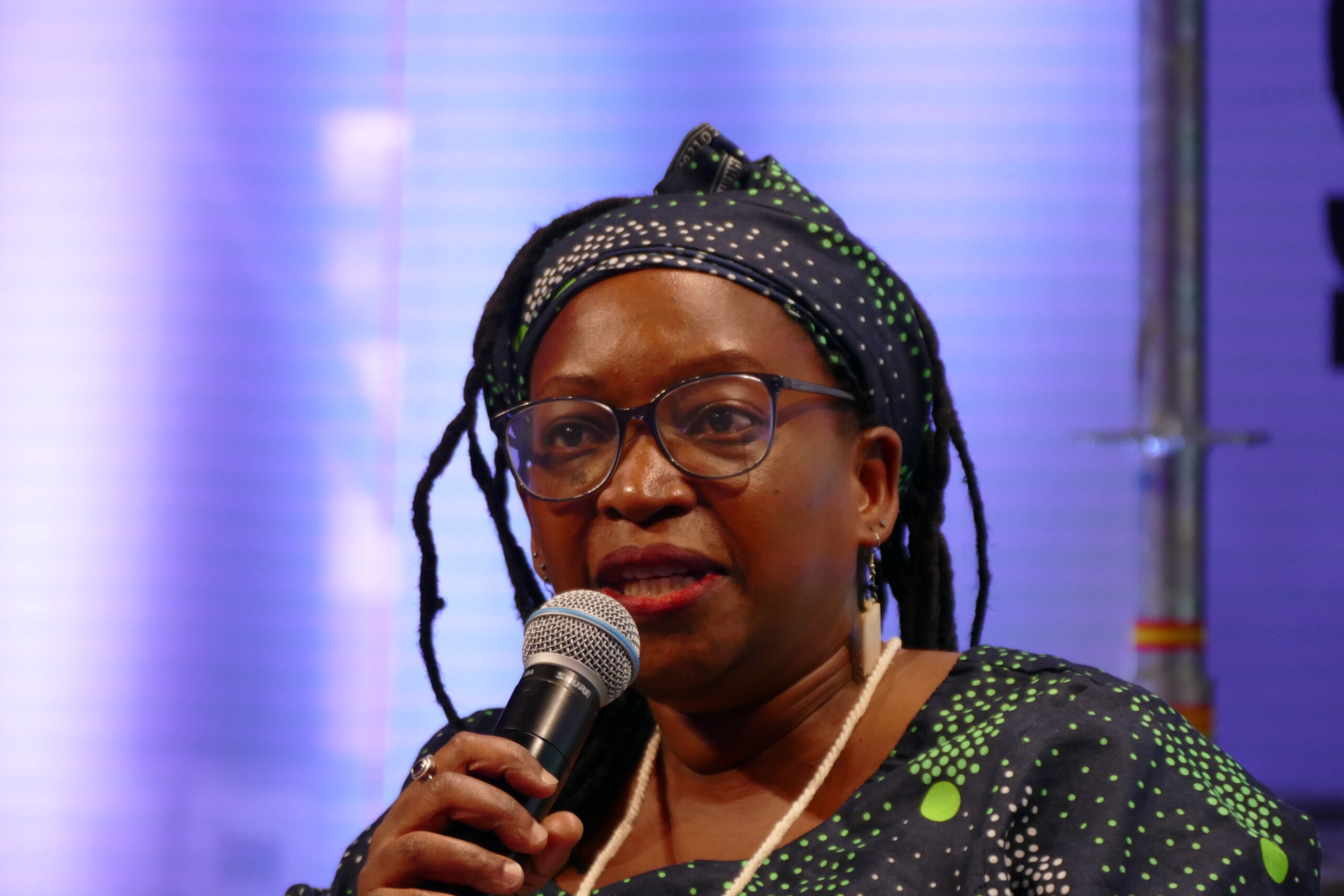
Ugandan medical anthropologist, activist, and writer Dr. Stella Nyanzi spent 16 months in detention for a poem criticizing Ugandan President Yoweri Museveni and his mother. Despite winning her appeal and having a conviction for “cyber harassment” overturned, Nyanzi was forced to flee to Kampala after reports of the abduction and torture of her partner. She eventually resettled in Germany with her children, fearing for their safety as well as her own.
“I fled to get my voice back. I fled to get my mind back. I fled to get my freedom back,” said Dr. Nyanzi.
The ability and strength to keep writing despite seemingly unending risks is a common thread that unites women writers across continents and languages, and that courage continues when we turn to women writers currently behind bars.
In Vietnam, writer, publisher, and journalist Pham Doan Trang is serving a nine-year sentence for her work teaching the people of Vietnam about their rights. Vietnamese authorities harassed her for years leading up to her imprisonment. “I was under such tight surveillance in Hà Nội that I could go nowhere, do nothing, and often felt short of breath—literally,” she said, reflecting on her experience writing her book Politics for the Masses. Even when anticipating her arrest in 2019, Trang continued to write.
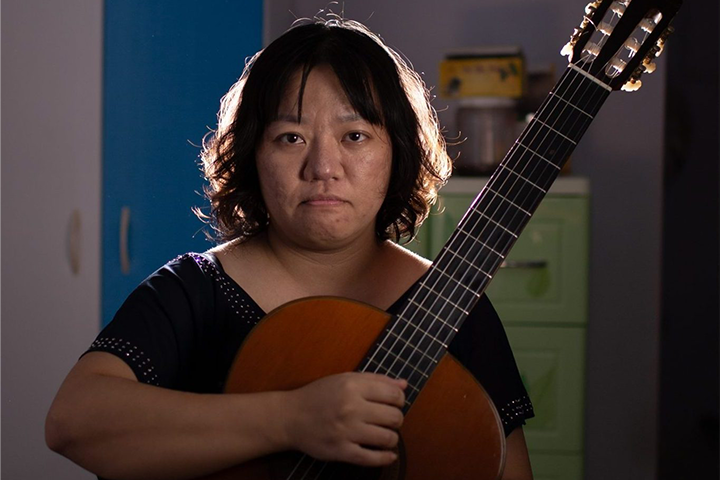
“I don’t want freedom for just myself; that’s too easy. I want something greater: freedom for Vietnam. It might seem like some grand goal, but it’s totally possible—with your support,” she wrote in a letter intended to be read after she was detained. Since her arrest in 2020, her health has steadily deteriorated. In 2022 she was transferred to an isolated prison,100 kilometers away from Ho Chi Minh City, and she has reportedly been denied medical care by authorities.
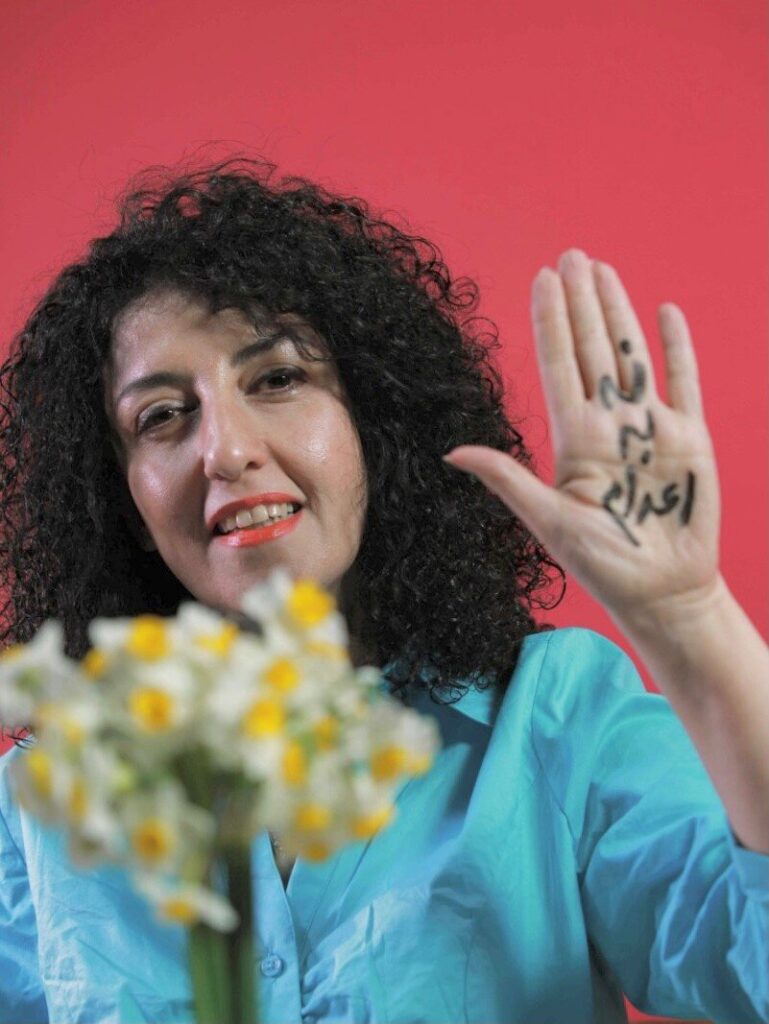
Among the shocking news coming out of Iran in 2025 and 2026, the fate of jailed Nobel laureate and writer Narges Mohammadi—who has spent more than 10 years of her life in detention, separated from her husband and children—remains uncertain. She was violently re-arrested in December 2025 and now faces another heavy sentence, amid urgent concerns for her health and safety.
Iran is also the worst jailer of women writers globally across all these years, with the Index counting 16 women imprisoned in 2022, 15 in 2023, and 13 in 2024, and that trend is showing no signs of reversing.
Read Women’s Words
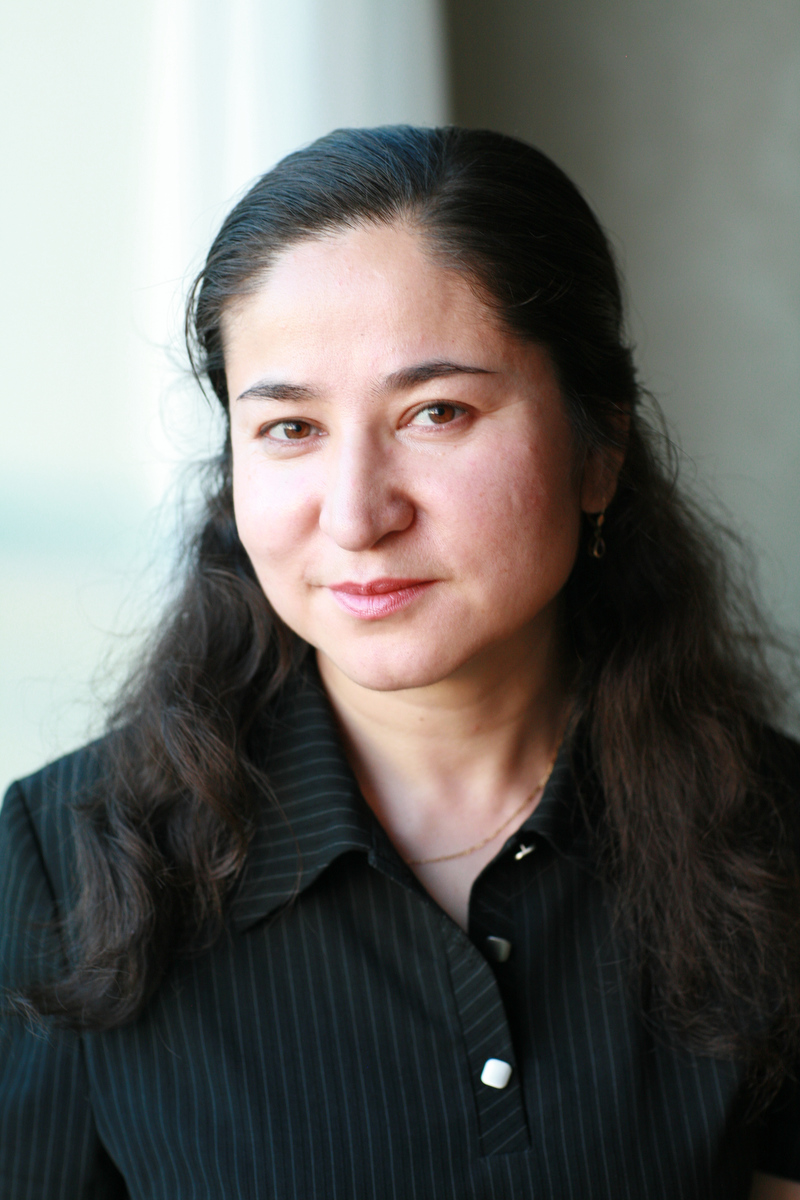
To be a woman is always dangerous. To be a woman with opinions, and creativity, and the skill to put pen to paper and make governments pay attention is more dangerous still. As we think about women writers at risk, we must also remember those whose fates we just do not know. Women like Rahile Dawut, a Uyghur professor and writer who used her writing to preserve the folklore and stories of her people. She was first disappeared in 2017 while preparing to travel from Xinjiang to Beijing for an academic conference. Dawut never reached her destination and has not been heard from since December 2017. In 2023, reports emerged that Chinese authorities had sentenced her to life in prison.
On International Women’s Day, take some time to read the words of women writers at risk, so they, and the stories they tell, are never forgotten. It is essential we keep speaking up for women writers at risk all over the world.
Why not start with:
- Selection of writings by Pham Doan Trang, published by The Vietnamese Magazine
- No Roses in My Mouth by Stella Nyanzi
- “In Her Words: Women on Genocide and Rebuilding Gaza” by Ibtisam Mahdi
- “Iran Is Still at War—With Its People,” by Narges Mohammadi