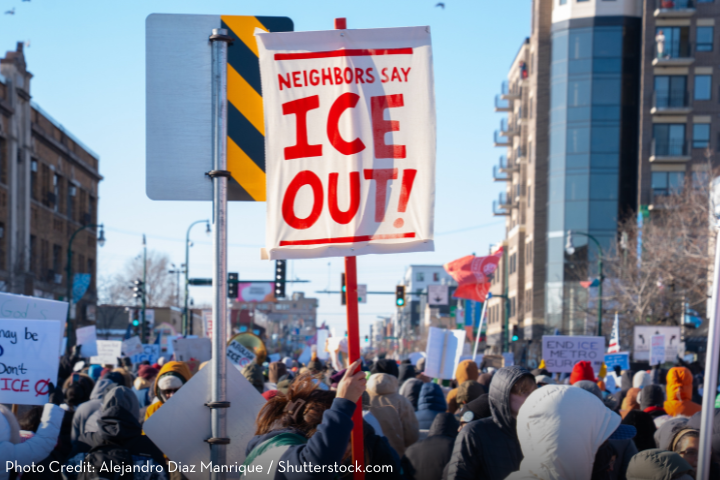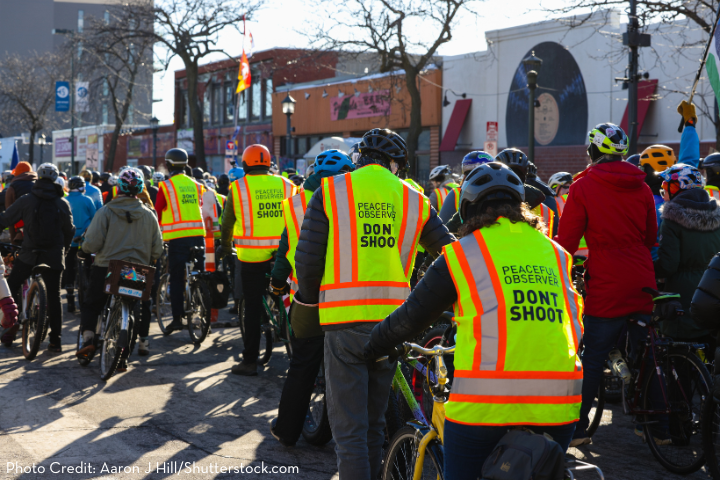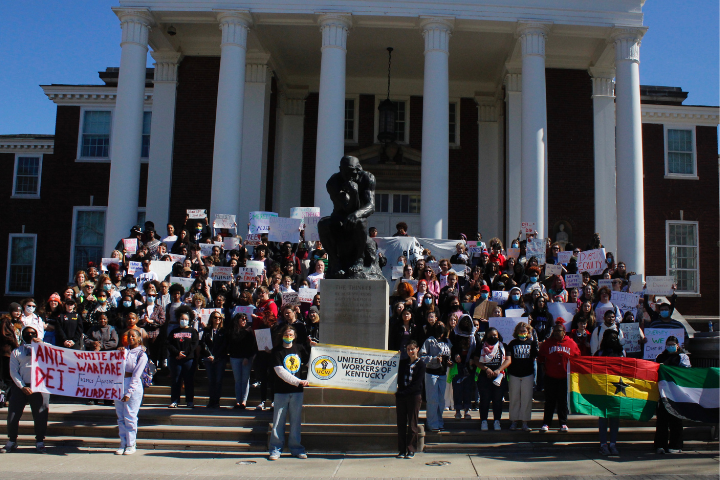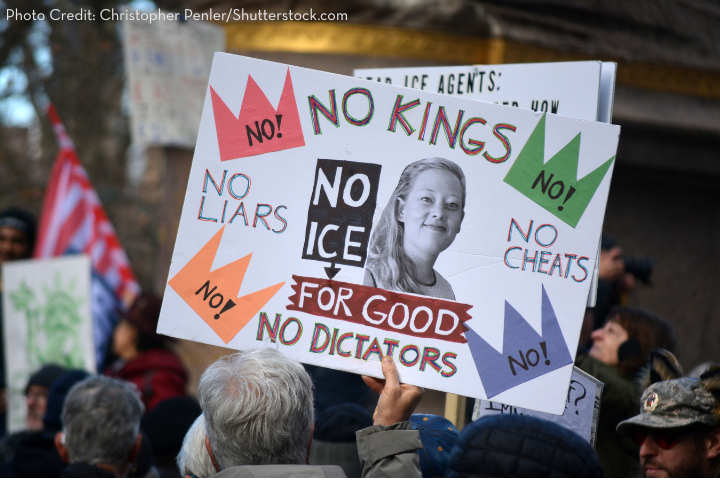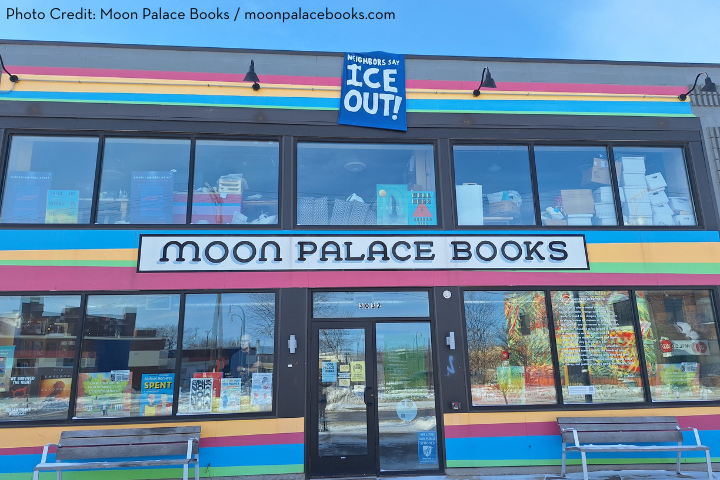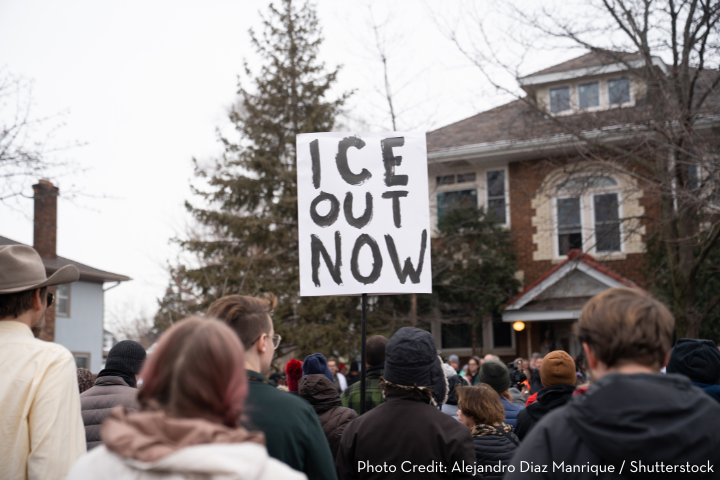
In a series of public discussions and workshops, PEN America and an international delegation of writers examined the role of literature in the wake of last month’s massive ICE raids and the protests they sparked.
Writers and artists have been on the frontlines of protest, most tragically with poet Renée Good fatally shot by federal agents. The delegation, in partnership with Lerner Publishing Group, Milkweed Editions, and Graywolf Press, came to hear about how the community was affected and to learn lessons from their response to the traumatic events as writers share the heartbreak of Minneapolis with the world.
“We wanted to know how they were able to maintain their communities, how they were able to galvanize and pull together under such incredibly difficult circumstances,” said PEN America President Dinaw Mengestu. “And we came to show our profound admiration and respect for the work that they’ve done that we believe serves as a model for the rest of the country.”
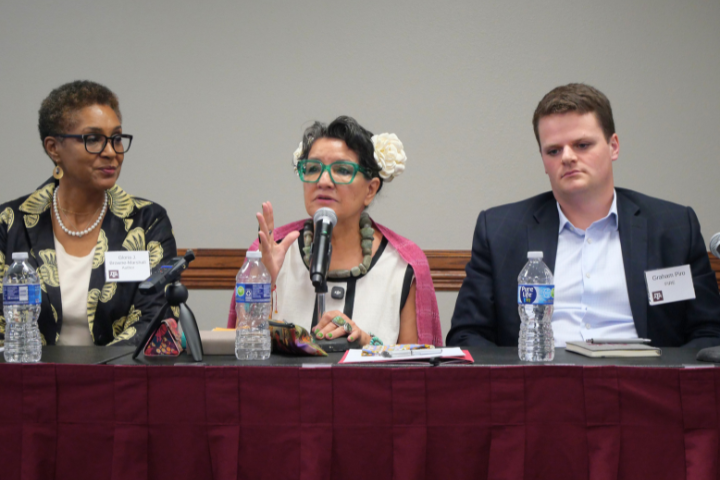
The delegation featured Mengestu; Burhan Sönmez, PEN International president; Emmy-winning author and television host Padma Lakshmi; as well as Minnesota-based authors Kao Kalia Yang, Victoria Blanco, Hawra Alnabi, Dr. Jonas Attilus, Monica Rojas, and Ollie Schminkey. PEN America Co-CEO Clarisse Rosaz Shariyf moderated two public events.
“It was very important to come, first of all, especially come with PEN because PEN is an organization that I deeply admire and one that I’ve been involved with in one way or another for 25 years,” Lakshmi said. “And also, this is a community that has had a very rough five years, so I thought it was very important not only to hear from them, but also to make sure we communicated that we are here for them, we are in solidarity with them, we appreciate them, and we are bearing witness to what they have gone through and continue to fight.”
Forging Community Through Literature
The visit began with a visit to Txuj Ci Elementary School in St. Paul, which had one of the highest absentee rates as a result of ICE action, and where many kids are still learning remotely. Yang, a Hmong immigrant who arrived in the U.S. as a child, read with Mengestu from her new book, A Home on the Page, and her picture book The Blue House I Loved.
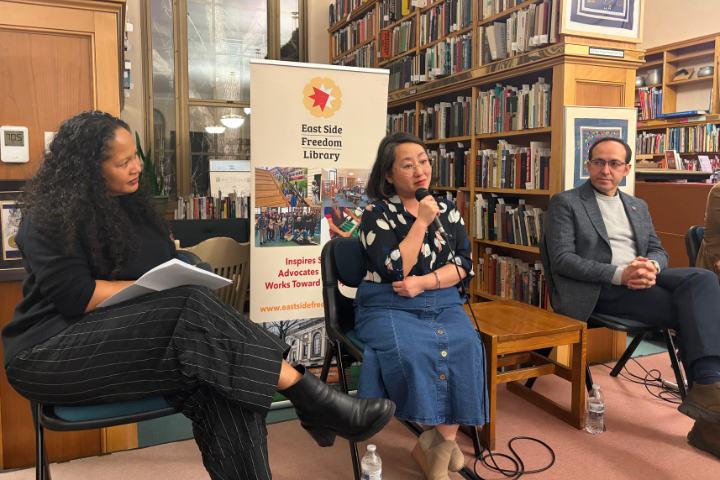
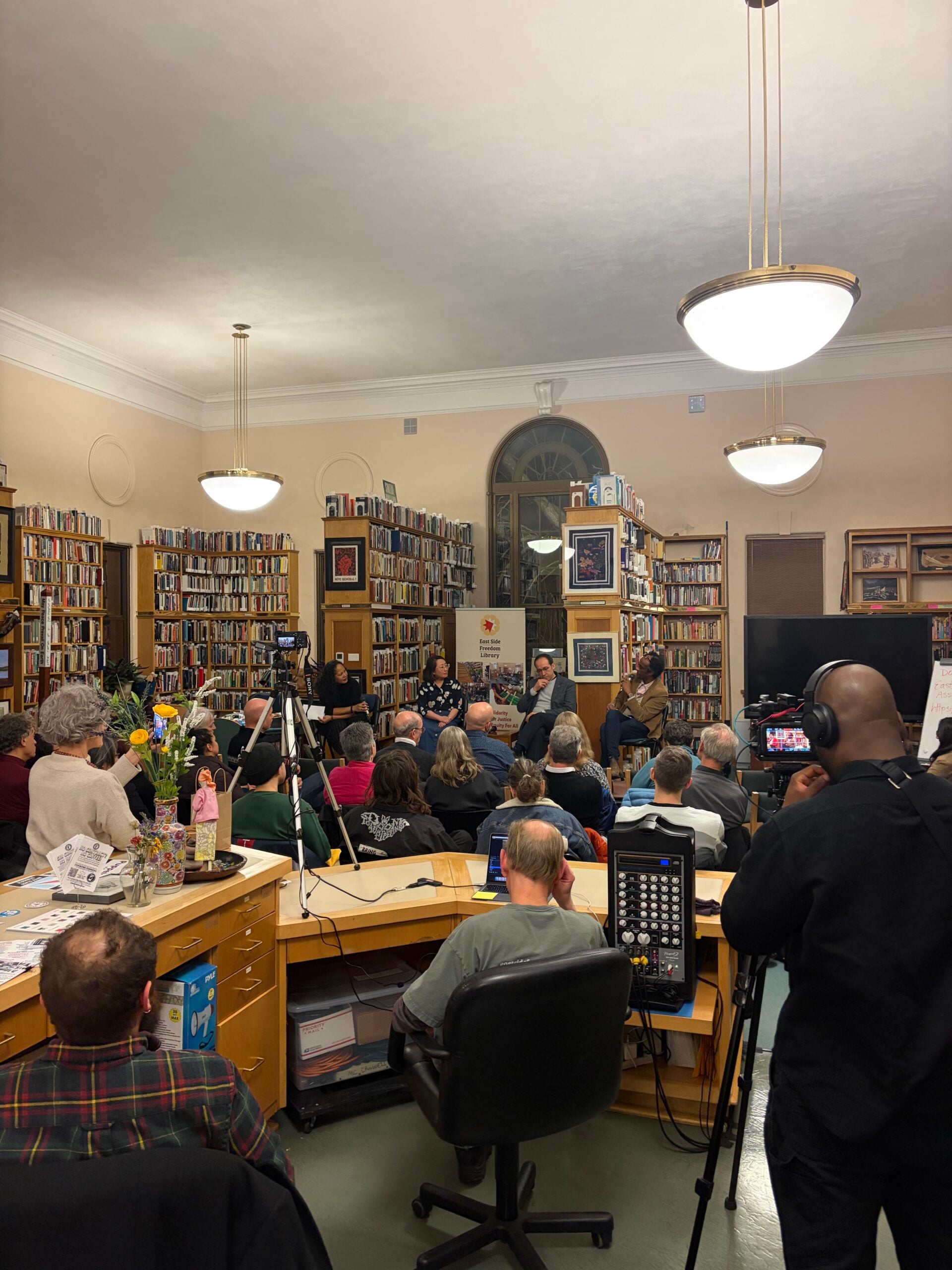
The visit was followed by public events where authors shared personal experiences of displacement, migration, and political upheaval, emphasizing how storytelling can transform fear and grief into enduring narratives. Friday night at East Side Freedom Library, the panel “Voices Without Borders” featured readings from Minnesota-based refugee and immigrant writers, including Yang, Alnabi, and Attilus.
Yang said she grew up going to that library, situated in a diverse community of immigrants in St. Paul. When she arrived at age 6, she didn’t know her ABCs and said poor refugee children, particularly girls, were not supposed to make it to college. But with the patience of teachers questioning what she meant to say, she turned into a writer. As an adult, she said, she and her husband lived in Minneapolis.
“We lived right near where George Floyd was killed. Where he died was where we fell in love. And that taught me something very important about place, about space. The places and spaces that teach us how to love also kill us. They kill us indiscriminately. They kill us because of our accents. They kill us because of the color of our skin, because of the texture of our hair,” she said. “But I know that many, many generations from now, there will be another couple walking those very same streets, holding hands, fighting, fighting to be together, fighting to find a way forward into a story, a story that they hope will be happy, a beautiful love story. And that’s what matters. On these streets, they taught me how to love, how to fight, how to fight for what matters to me.”
The event raised funds for the Cempazuchitl Collective, which is working with St. Paul Public Schools to get rent assistance and help to families that are affected by this moment.
On Saturday morning, the library hosted a three-hour public writing workshop, with Mengestu and Sönmez guiding participants through exercises to translate personal experience into enduring literature.
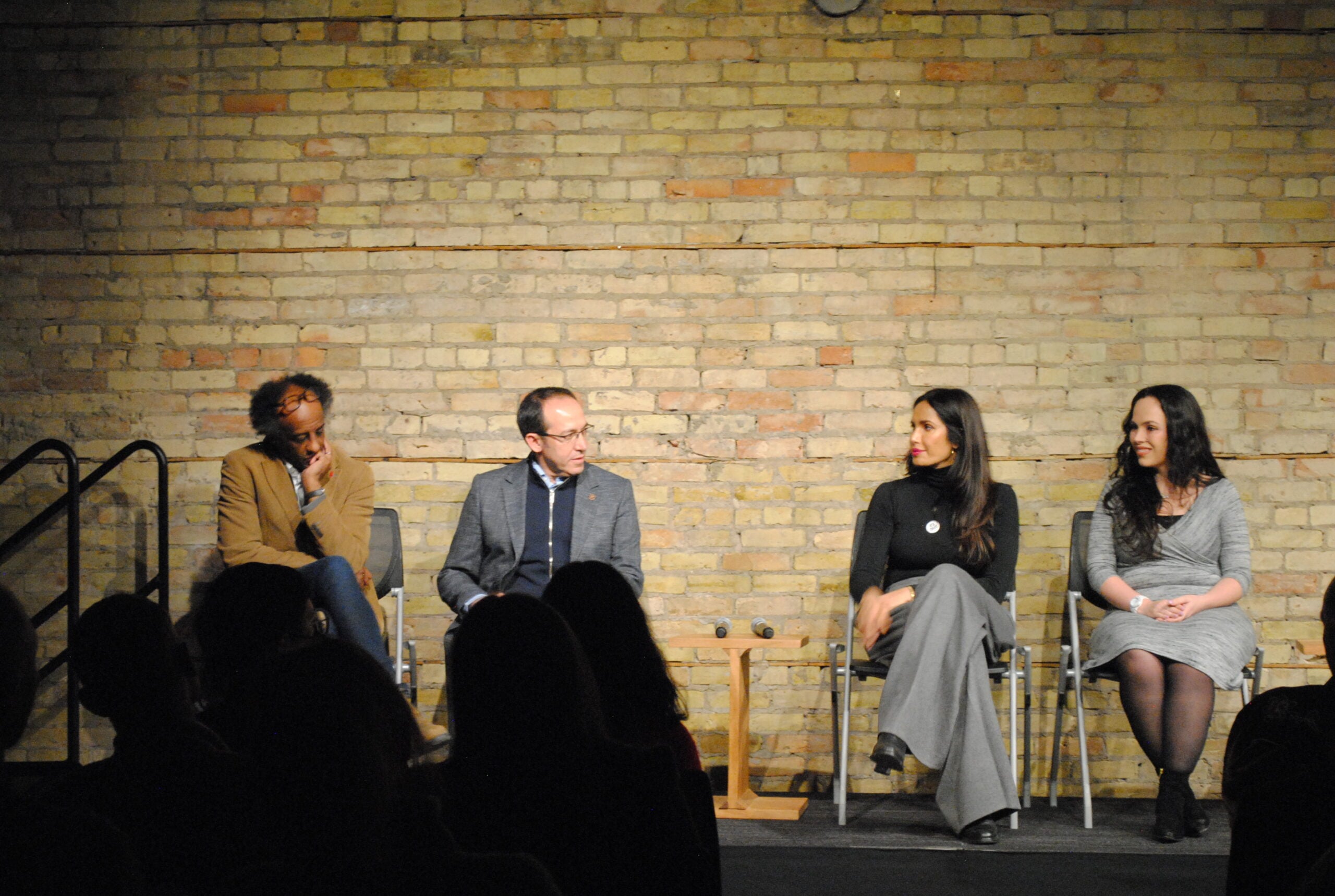
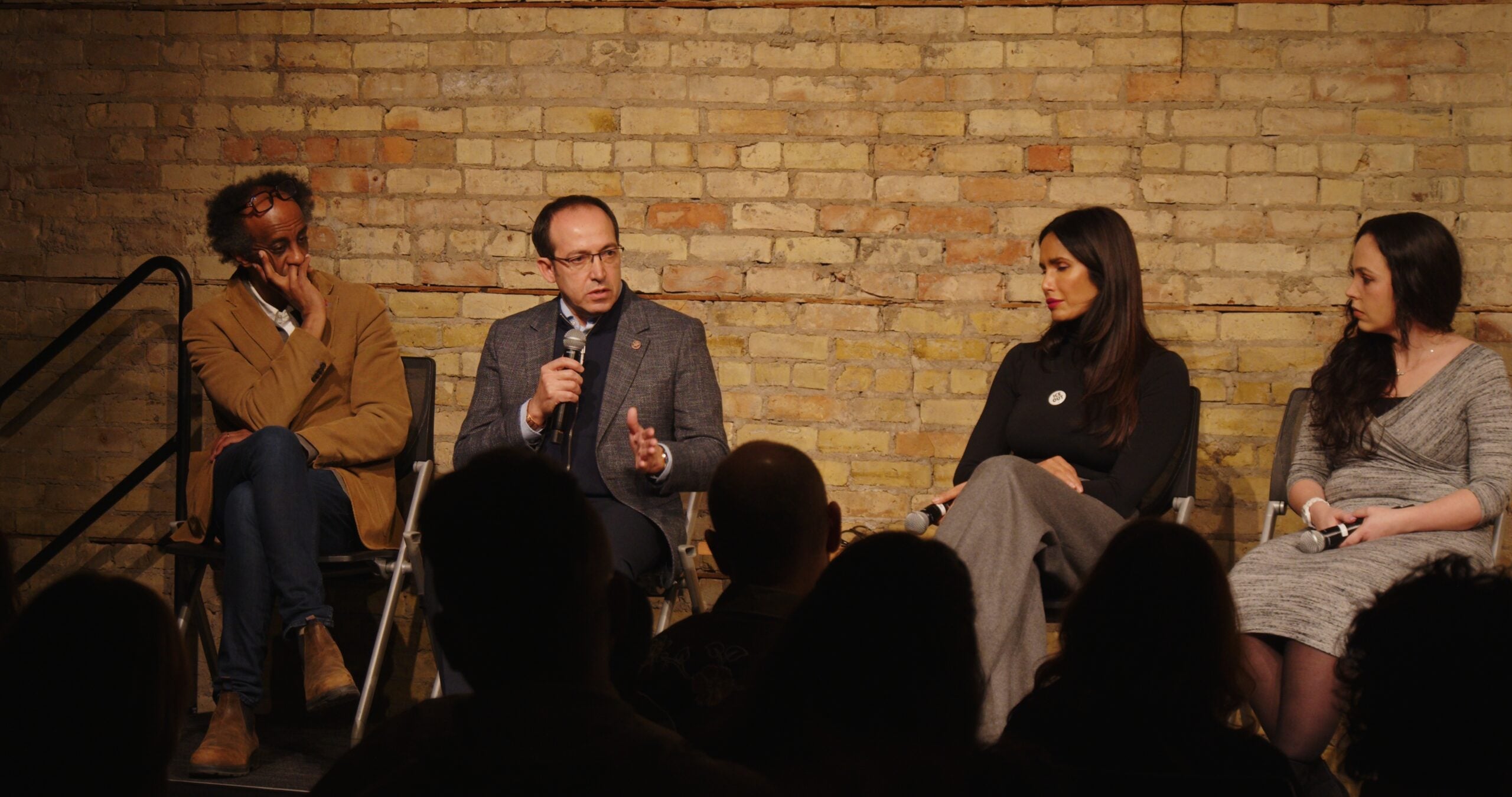
On Saturday evening, the conversation moved to Minneapolis’ Open Book in partnership with Milkweed Editions for “Bread, Borders and Belonging.” Mengestu, Sönmez, Blanco, and Lakshmi discussed the realities facing local writers while connecting the Minneapolis experience to international struggles for democratic rights and creative freedom.
Sönmez described PEN’s global work defending writers at risk and noted with alarm that tactics once associated with authoritarian states are increasingly visible in the U.S.
Blanco said she came to Minnesota from El Paso and thought she had left the border behind. “And so for it to be very much present in such a violent manner these last few weeks has been surreal… this conversation that has felt very local to me now suddenly feels much more connected to Minneapolis and to St Paul specifically, as if the border has extended.”
She said there are many stories that can’t yet be told because the danger to the community is real. Yet with mutual aid collecting staples and diapers, the community has shown up for each other. “We keep each other filled with hope,” she said. “We normalize this resistance.”
Audience members remarked on the normalization of cruelty coinciding with that spread of kindness.
“Kindness is as contagious as bigotry and hate. It’s the only weapon they can’t take away from us,” Lakshmi said. “We are all feeling demoralized but we have no recourse but to love harder.”
A Weekend of Solidarity and Reflection
PEN America organized the delegation not only to respond to the ICE raids but also to forge international solidarity and affirm the essential role of writers in defending human rights and democratic values.
“Our visit to your community, to Minnesota, to the Twin Cities, affirms this idea that writers are witnesses, storytellers, and connectors,” Rosaz Shariyf said. “They are essential in these moments when human rights and democratic values are under pressure.”
The weekend underscored that in moments of political crisis, writers and artists are vital participants in shaping public memory, resilience, and hope.
“In the face of the extraordinary pressures over the last few months and the profound public response that they have elicited, Minnesotan writers and artists and the creative community have shouldered the work of witness, documentation, reflection, and solidarity through their craft,” said Liesl Gerntholtz, managing director of the PEN/Barbey Freedom to Write Center. “Their voices have helped a community grieve and mobilize, and they have reminded us, and maybe especially the lawyers amongst us, that storytelling is not incidental to justice. It is central to it.”