PEN America works tirelessly to defend free expression, support persecuted writers, and promote literary culture. Here are some of the latest ways PEN America is speaking out.
- Co-CEOs Summer Lopez and Clarisse Rosaz-Shariyf wrote a letter to The New York Times rejecting assertions in an essay last week on the reasons for PEN America’s withdrawal of a statement about cancelled performances by an Israeli comedian.
- More than 100 writers signed onto a letter calling for the immediate release of poet and translator Ali Asadollahi, one of many individuals jailed for peaceful expression and dissent in Iran. “As Ali Asadollahi marks one month behind bars, his detention is an urgent issue that must not be forgotten among all the other shocking news coming out of Iran,” said Karin Deutsch Karlekar, director of writers at risk. Read the letter, and read coverage of it in The Independent.
- PEN America expressed alarm about an escalation in the federal government’s campaign to pressure the media after the Federal Communications Commission attempted to enforce an “equal-time” rule seemingly targeting television programming critical of the administration. “Government involvement in content decisions… is a departure from the First Amendment principle that the state does not police speech it disfavors,” said Tim Richardson, journalism and disinformation program director. Read the full statement.
- In an article about the precarious state of student speech on college campuses, Inside Higher Ed quotes Kristen Shahverdian, program director for campus free speech. “Faculty and students tell us there is a ton of anxiety on campus, and that anxiety is leading to self-censorship, opting to just not say something that they think might cause controversy,” she said. Check out the article.
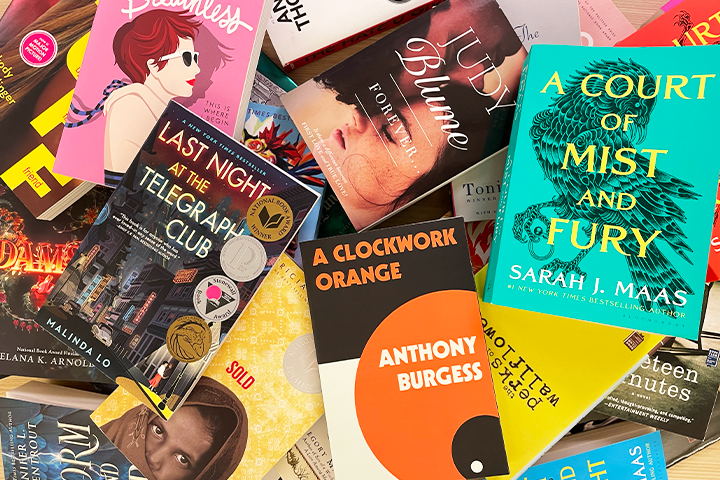
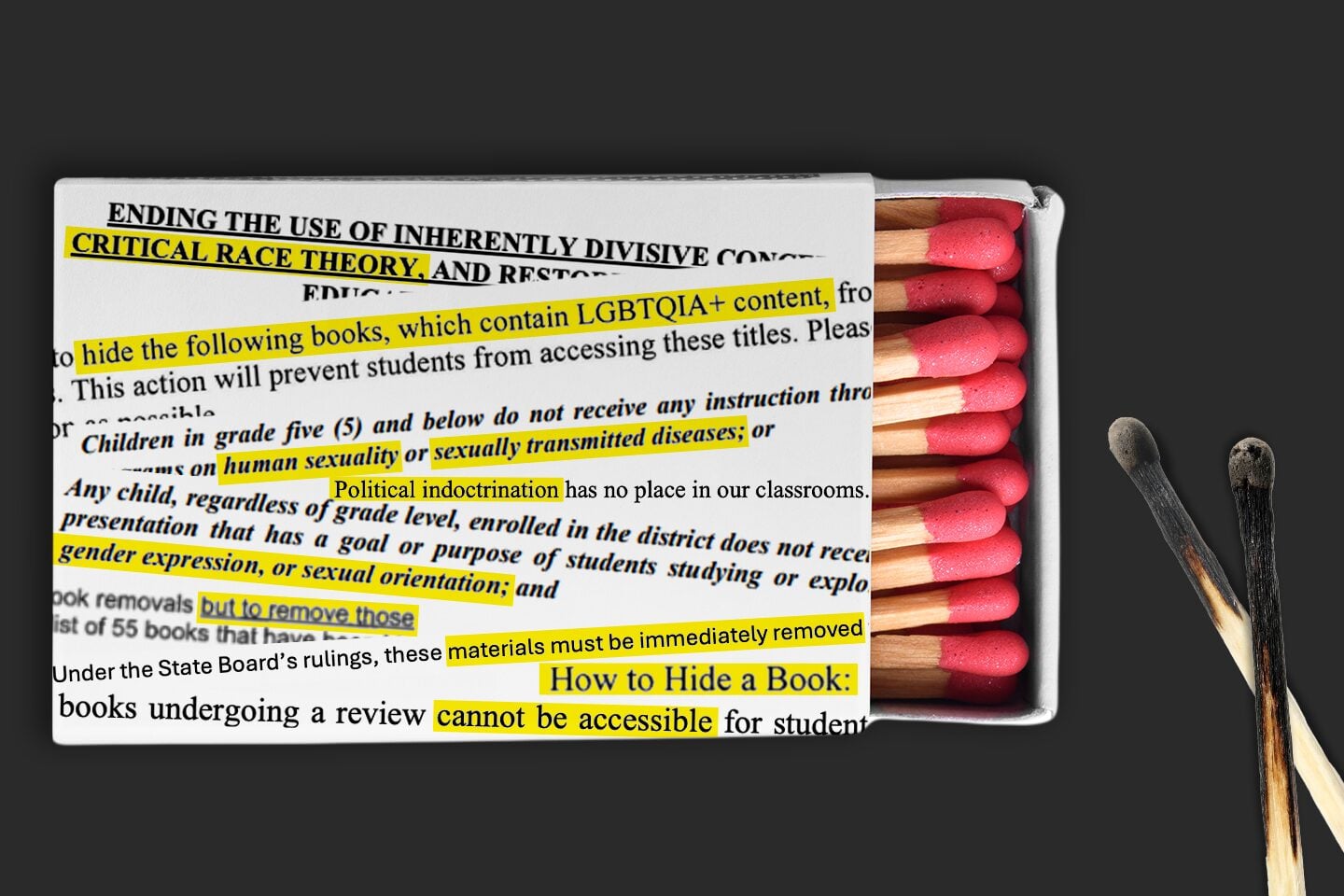
- Book bans are impeding authors’ writing processes by stifling their creativity and causing them to doubt choices they otherwise wouldn’t. Learn more from our new blog post.
- A story in the Austin American-Statesman about the interim president of University of Texas at Austin, the first in more than a century not to come from academia, explores his unwillingness to speak with media outlets. The piece quotes Shahverdian, who said a lack of transparency puts public trust in UT and higher education generally at risk. “Yes the president reports to the board (of regents), but he does to the public as well.” See the full piece.
- The Hechinger Report spoke to Amy Reid, director for freedom to learn, for a piece about Republican lawmakers funding conservative-leaning cultural centers to promote “intellectual diversity.” “The phrase ‘intellectual diversity’ has become really a Trojan horse for the imposition of ideological stances,” Reid said. “When you have bills to ensure that there is viewpoint diversity, what they’re really doing is ensuring that there is a space for conservative ideology.” Read the article.
- In an article about the federal administration and conservative states taking aim at higher education, Forbes cites PEN America’s report on expanding government censorship of free speech and academic freedom on U.S. campuses. Read the article here, and read the report here.
- In this week’s PEN Ten, author Senaa Ahmad spoke about her debut short story collection, The Age of Calamities.Read the interview.