PEN America works tirelessly to defend free expression, support persecuted writers, and promote literary culture. Here are some of the latest ways PEN America is speaking out.
- PEN America called President Trump’s decision to close the Kennedy Center for two years another page ripped from the autocrat’s playbook. “It is the latest move by the President to undermine the independence of artistic and cultural institutions, while waging an assault on freedom of thought and the country’s rich cultural diversity,” said Jonathan Friedman, Sy Syms managing director of U.S. Free Expression programs. Read the full statement.
- PEN America urged Florida lawmakers to reject new legislation that would prohibit the use of the term “West Bank” in K-12 public schools and state agencies, including public universities and colleges, instead requiring the use of the term “Judea and Samaria.” “At a time of rising anti-Muslim and anti-Palestinian rhetoric, the legislation sends a worrying signal that some Floridians’ identities and experiences fall outside the bounds of recognition and belonging,” said William Johnson, Florida director. Read the full statement here, and read the Guardian coverage that quotes Johnson here.
- In a new blog post, Tim Richardson, program director for journalism and disinformation, and Viktorya Vilk, director for digital safety and free expression, explain six takeaways from the Minneapolis protests against ICE’s abuse of power. The first is that the federal government is willing to trample the Constitution to punish journalists. Read the other five here.
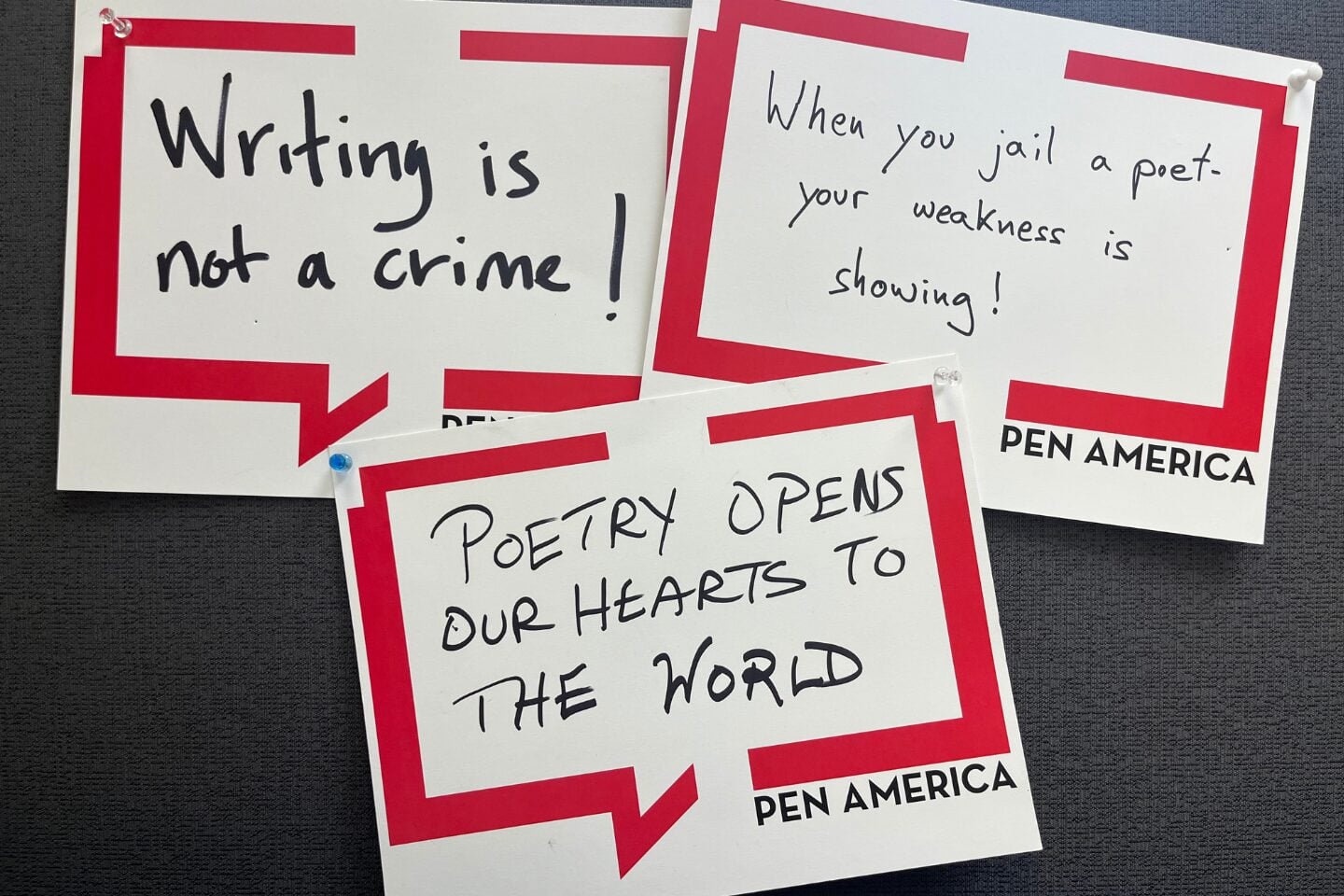
- As a “Fall of Freedom” initiative, PEN America invited its members to write poetry using some of the more than 350 words banned or restricted by the federal government, or a piece of fiction or nonfiction responding to current threats to free expression and culture. Take a look at some of the submissions we received.
- A New York Times article about heightened surveillance of university classrooms quoted Friedman discussing the dangers such strategies pose to the freedom of expression. Read the article here.
- New York Times Opinions columnist M. Gessen spoke to NPR’s Here and Now about co-founding Kronika, a PEN America and Bard College initiative that aims to safeguard journalism across the globe from censorship. Give the segment a listen, and check out Kronika.
- For an article about Republican-led attacks on women’s and gender studies programs across the country, Inside Higher Ed spoke to Amy Reid, director of Freedom to Learn. “Knowledge is a tricky thing to control. You can refuse to fund certain types of research and can cancel classes, and people will find alternative ways to share and make new knowledge,” she said. Read the piece.
- Museums Association cited PEN America’s report “All That Is Lost” in an article about the cultural reconstruction of Gaza. Read the article here, and read the report here.
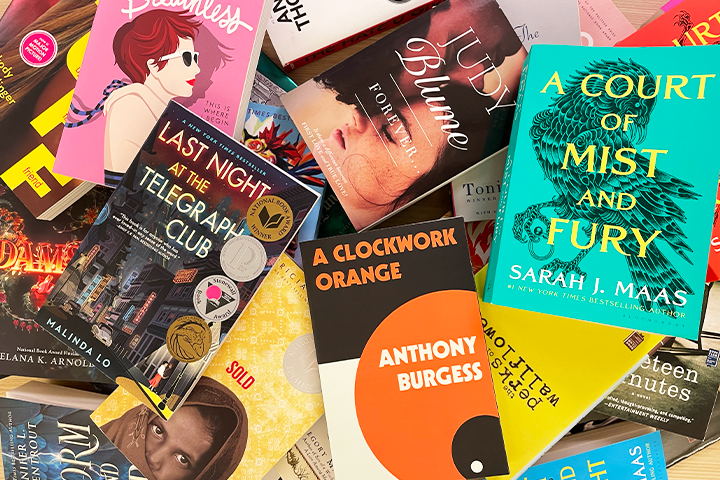
- PEN America recently interviewed authors about the emotional toll of book bans, and they told us they’re feeling heartbroken and tired. “It’s not an experience I would recommend or wish upon anyone else,” said author and illustrator Andy Passchier. Read more.
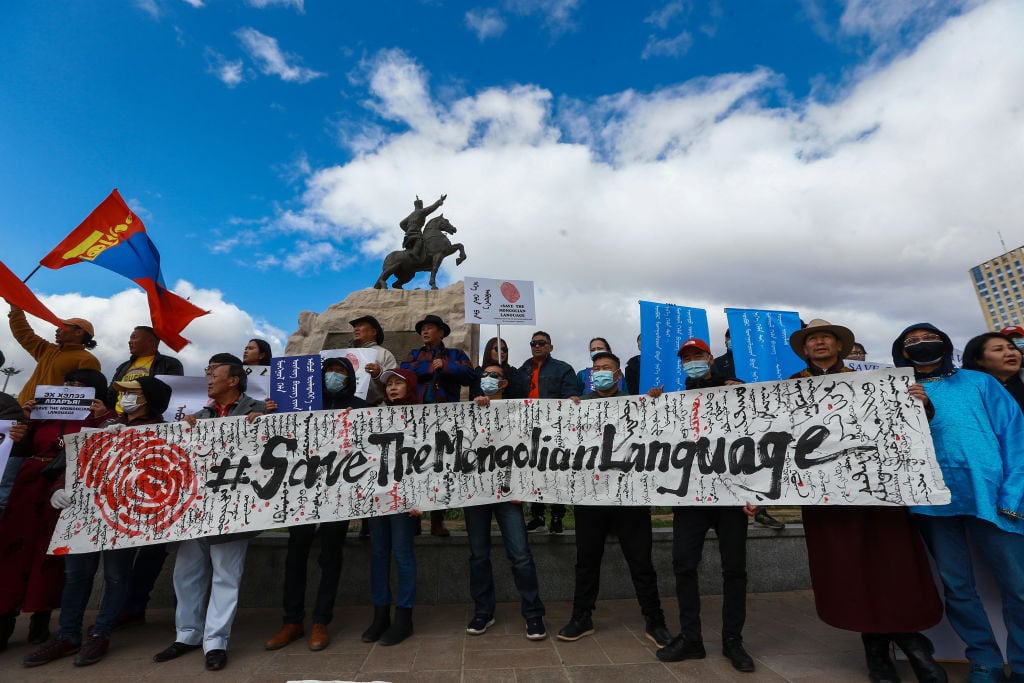
- A new blog post details the constant repression of Mongolian writers by the Chinese state. “Governments imprison writers for the same reason they criminalize minorities and minoritized languages, punish reading, and ban books: to silence stories, erase history, and consolidate control,” writes Erika Nguyen, senior manager for the PEN/Barbey Freedom to Write Center. Read more.
- France 24 ran a story on PEN America’s report “Save Our Mother Tongue,” which documents the online erasure of Mongolian language and culture in China. Read the story, and take a look at the report.
- A new blog post shines a spotlight on the Bluegrass Students Collective, a decentralized network of students in Kentucky who want to protect students’ rights and freedoms. Read it here.
- Public News Service interviewed Reid about PEN America’s report “America’s Censored Campuses 2025: Expanding the Web of Control,” which chronicles the growing crisis of censorship in higher education. Check out the story here, and read the report here.
- The podcast Theory of Change interviewed Friedman about the unprecedented levels of censorship in both K-12 schools and higher education. Listen here.