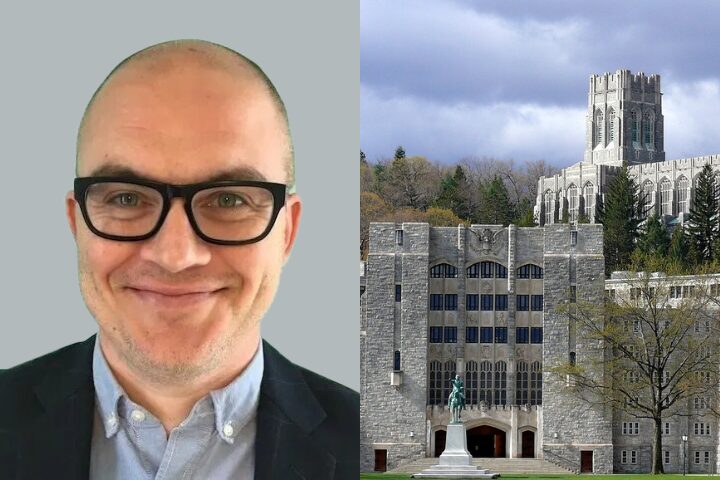
I taught ethics at West Point for 13 years. I love facilitating discussions where students encounter new ideas, challenge their assumptions, and practice critical thinking. This seemed especially important at the Academy, because the cadets are entering a rigidly hierarchical system and yet need to keep ethics and political neutrality at the forefront of their work.
Last January, the new federal administration issued an executive order called “Restoring America’s Fighting Force,” which prohibited service academies from “inculcating” certain ideas. A few days later, the Secretary of Defense issued a memo ordering all the academies not only to avoid teaching topics like “critical race theory,” “DEI,” and “gender ideology,” but also to actively promote the idea that “America and its founding documents remain the greatest force for good in human history.” That’s the quote. It was clearly a violation of academic freedom.
Critical race theory and gender are legitimate subjects of inquiry. But the administration now forbids even discussing them in our classes. At the same time, we were ordered to engage in indoctrination, to teach that America is the greatest thing ever. Many departments—mine included—were told to review our syllabi and flag any material that might conflict with these orders.
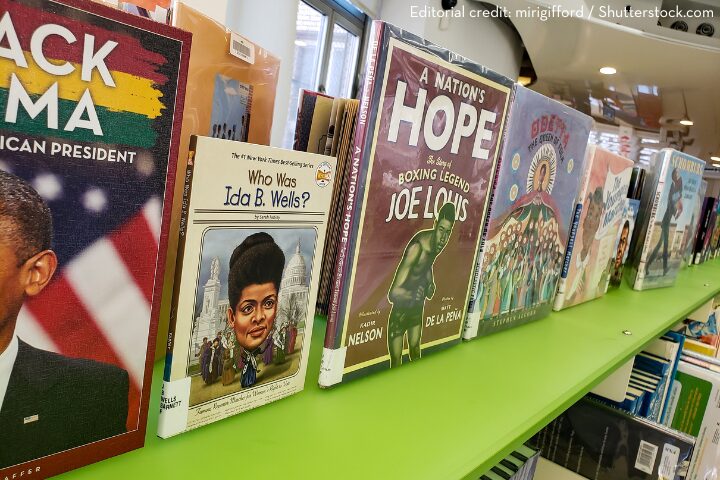
Basically, the Academy blocked anything to do, directly or even indirectly, with race or gender. I have colleagues who had to remove Black authors from course materials simply because of their race. It was clear that there’s no tolerance for anything that’s not white and straight in any overt way.
Within weeks, academic freedom was effectively gutted. I felt angry, sad, betrayed. I expected more from the leaders of the Academy. It felt like they were throwing faculty under the bus to keep the money flowing. Professionally, I’m an ethicist, so I’m supposed to do the right thing, right? I knew I had to leave. It was just a matter of when.
This sort of censorship is awful anywhere, but especially consequential at a service academy. You want students to have exposure to a broad set of perspectives. But when ideas are censored, students learn that anything some people find subversive is taboo, that you shouldn’t engage with it. And worse, you start ranking people based on how welcome their views are. This damages character and undermines the principle of equal citizenship.
At a service academy, the ranking of political views has very scary consequences. It’s vital that the military stay politically neutral, to represent everybody in the country and not be the tool of some political faction. That neutrality is what’s being whittled away by these policies.